If you’re planning a trip to Maui and you love adventure, you’re in the right place! This incredible Hawaiian Island is known for its pristine beaches, lush forests and volcanic craters. It’s often said to be the best Hawaiian Island for honeymooners or romantic trips, but it’s also a fantastic island for adventure.
In my opinion, Maui has the best aspects of each of the other 3 main Hawaiian Islands: good hiking, beautiful beaches, great food, and more. Plus, it’s easy to get around. After enjoying Kauai and the Big Island, I was worried that Maui would feel too touristy and crowded. However, I had an amazing experience and quickly fell in love. After visiting all 4 of the main Hawaiian Islands, Maui is the one I recommend most for first time visitors to Hawaii.
While Maui is known for its resorts and beaches, this itinerary will take you out of the tourist zone and focuses on hiking and sightseeing for those who love nature. I’ll recommend that you sleep outside of the tourist zone and spend some time in the areas that less tourists visit. I’ll also share how to visit busy areas like the Road to Hāna, but with helpful tips to avoid the crowds.
Overall, Maui is a magical place where you can find a variety of lush nature and a perfect mix of adventure and relaxation. This guide is based on my experience visiting Maui in January 2026.
Things to Know Before Visiting Maui
- It’s important to visit Maui with respect and leave no trace. Make sure to pack out your trash, stay on the trails, wear reef-safe sunscreen, don’t approach wildlife, and leave this beautiful island better than you found it.
- I love using the Guide Along audio tours to explore, and they have a great tour for Maui and all of the Hawaiian Islands. While listening to the tour, you’ll learn about the history and geology of the islands, and get recommendations and tips on things to do and see.
- Make sure to take extra care to respect the locals during your trip to Maui. Let people pass while you’re driving the Road to Hāna, and avoid going to places that aren’t well advertised. There are a few controversial spots along the Road to Hāna where tourists aren’t exactly encouraged by locals to visit. I understand both sides of the argument, but in my opinion, there are enough other places to visit, so I’d recommend skipping these controversial spots, especially on a short trip.
- Maui has a lot of delicious food trucks and food stands all over the island. However, their hours can be unreliable; sometimes they close early without notice.
- Make sure to bring and wear insect repellent, especially for hiking along the Road to Hāna. I didn’t have it and got eaten alive at multiple stops.
When to Visit Maui
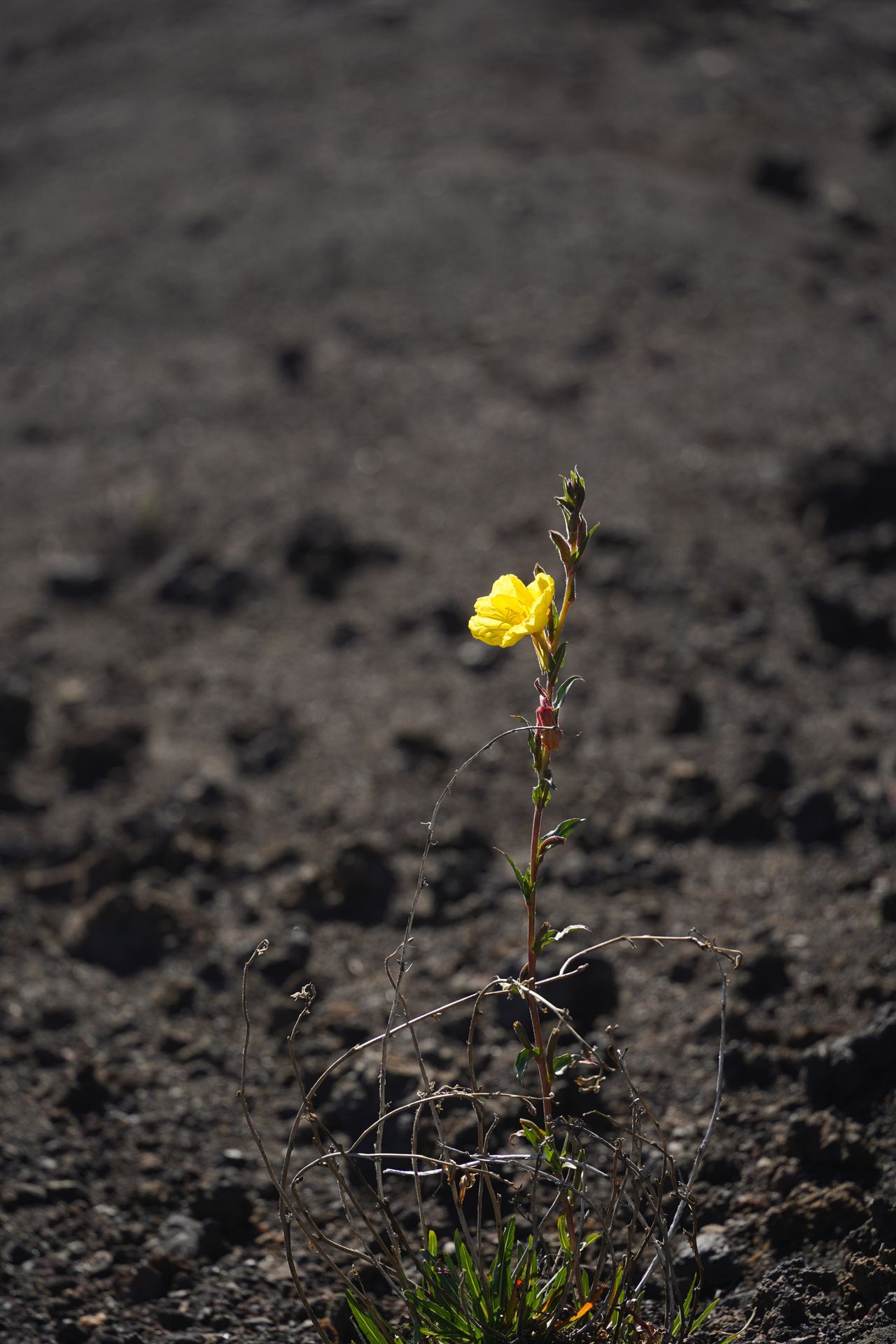
Maui is nice to visit year round! The summers are characterized by hot and dry weather, making it an ideal time for swimming. Winters tend to be cooler, and rain is more likely, but it’s the best time for whale watching.
To experience fewer crowds, spring and fall tend to be the best times. However, it’s such a popular destination, so it’s hard to avoid crowded areas and high prices no matter when you visit.
I visited in January and had great weather. And I’m not sure if I just got lucky, but the crowds were not too bad either.
Where to Stay in Maui
There are lots of great areas to stay in Maui! A lot of visitors tend to stay on the West and South side of the island. If you want to be near great beaches and are perhaps looking for a resort-like stay, Kihei and Wailea are great places to look.
Lahaina was previously a great place to stay, but is still rebuilding after the horrible fires in 2023.
Personally, I opted to stay in other areas of Maui so that I could be closer to the natural areas I wanted to explore, such as Haleakala National Park. I stayed in Kahului, Hana and in Makawao in Maui Upcountry.
Kahului
Kahului is where the airport is located, so it’s a good area to stay if you have an early or late flight. It’s also a good central location for visiting other parts of the island, and it’s more affordable than the more touristy areas.
Kahului is also where you’ll find larger chains and more services on Maui. So, you could do a Costco run or stock up at another large grocery before traveling to smaller areas. Personally, we needed to visit an urgent care and a pharmacy during our trip, and I was glad to be in Kahului where that was easy to find. I stayed at the Courtyard by Marriott Maui Kahului Airport and it was a lovely stay.
Hana
Hana is a small town with a population of less than 2,000, so there are not many places to stay. However, I felt that staying one night in Hana was an incredible way to spend two days exploring the Road to Hana, and get an early start on day two.
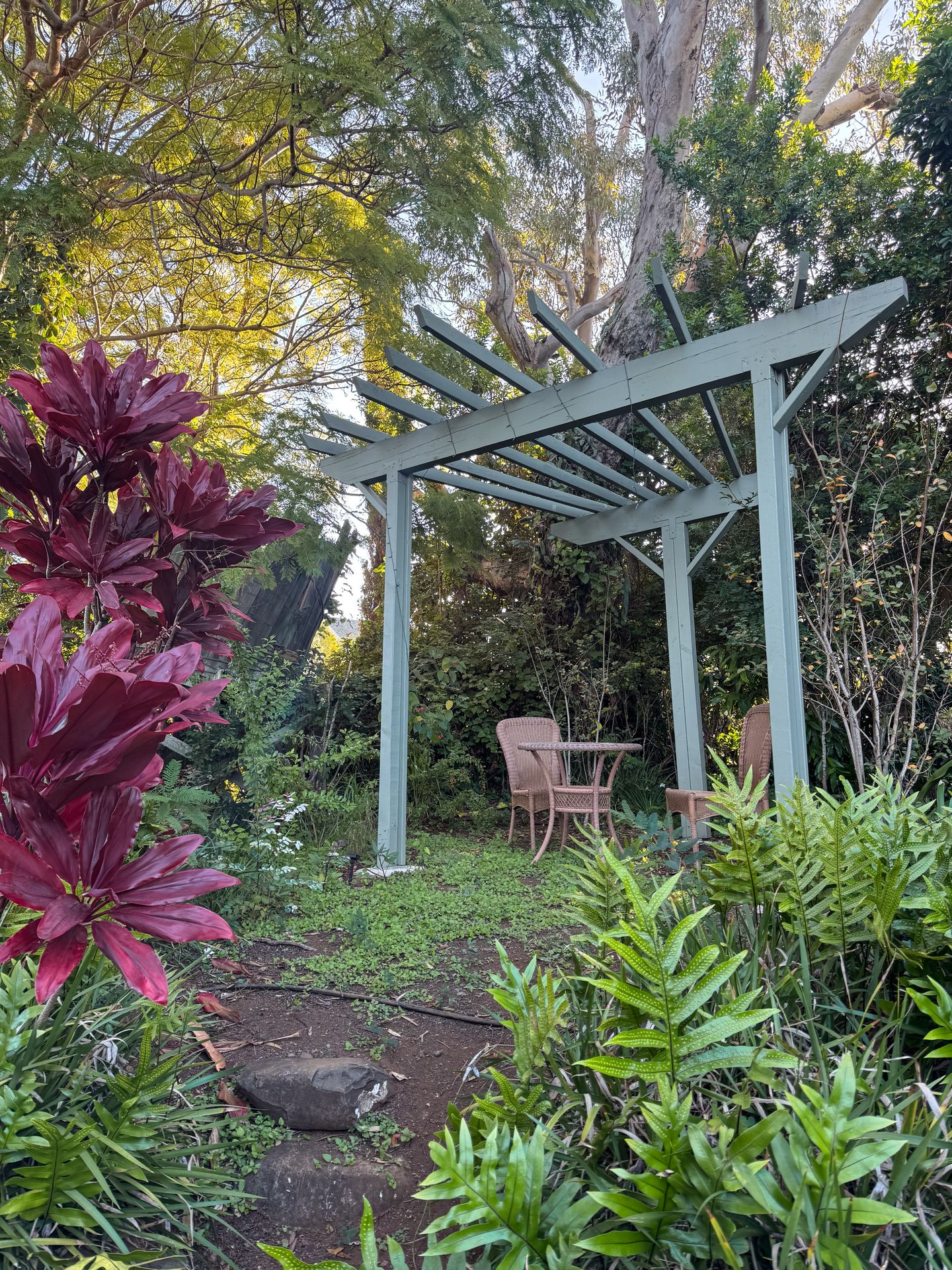
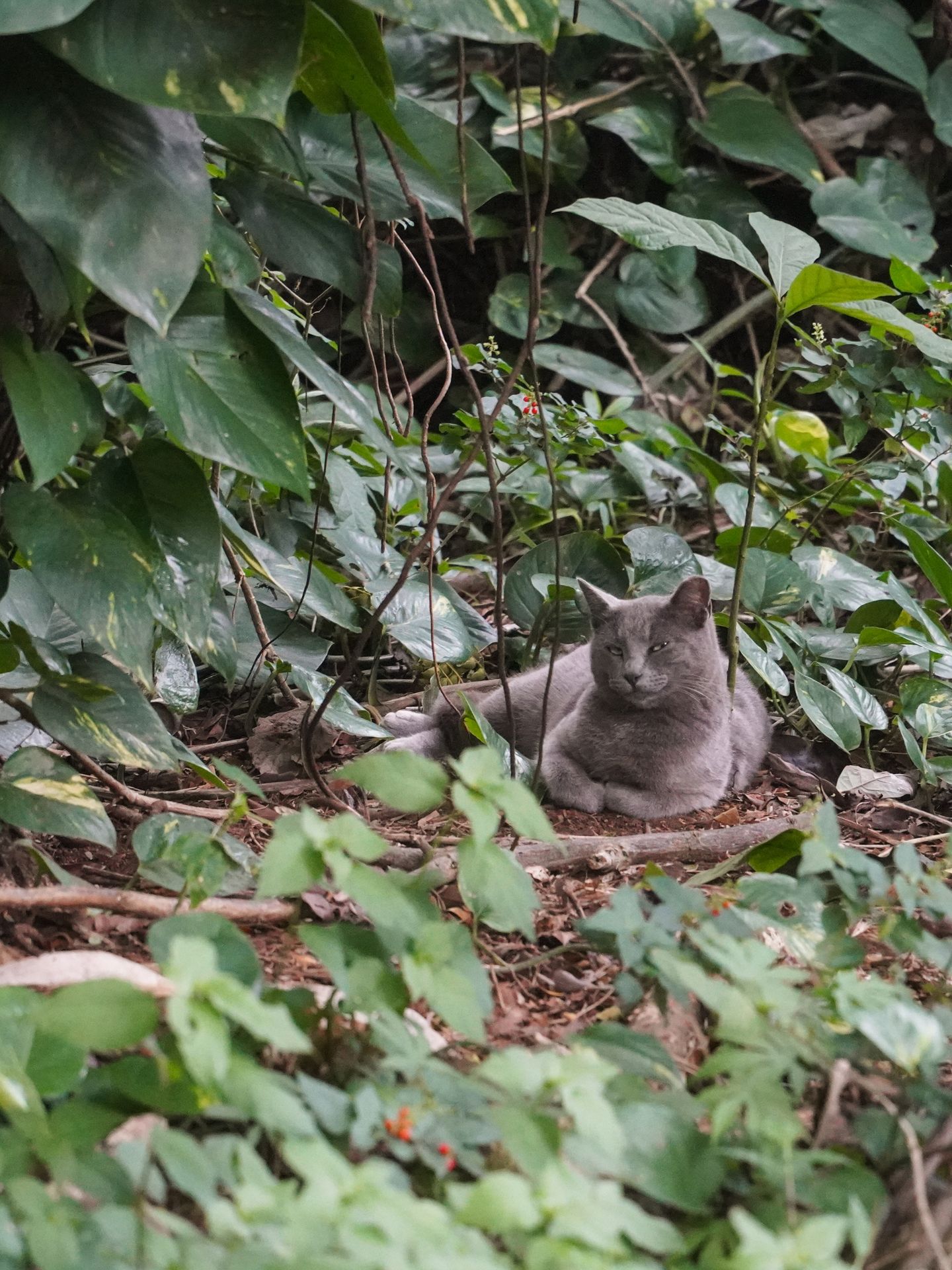
I stayed at Heavenly Hana Paradise and would definitely recommend it. It was a cozy home stay that included a kitchen, a beautiful outdoor seating area, snacks, friendly kitties outside, and more. Plus, it was the perfect location right on the edge of town.
Other places to stay in Hana include the Hana-Maui Resort and Hana Kai Maui.
Maui Upcountry / Makawao
Finally, I opted to stay in Makawao so that I would be closer to the summit of Haleakala. An extra 30 minutes or so can make a huge difference if you’re visiting for sunrise! I also really fell in love with the restaurants and other activities in Upcountry.
There are not big chain hotels in this area, but there are some b&b’s and home stays. I stayed at this peaceful guesthouse. It was a great stay and they even provided us vegan breakfast treats each morning.
Other places to stay nearby include Banyan Tree Bed and Breakfast and God's Peace of Maui Bed & Breakfast.
Getting Around Maui
When it comes to how to get around Maui, I recommend renting a car so that you have the freedom to make your own schedule and explore freely.
Alternatively, Maui does have buses that can get you between a large chunk of the island, and Uber is available. You could utilize public transportation and rideshare to get between the more populated areas, and take tours to get up to the Haleakala summit and to see the Road to Hana. If you’re not comfortable driving on curvy roads, tours would also be a good option.
Compare rental car prices on discovercars.com
How expensive is Maui?
From my experience visiting the four main Hawaiian Islands between 2024 and 2026, I found Maui to be the most expensive in terms of lodging. However, Kauai was a close second, and prices will always depend on your travel style, if you book any tours, and many other factors.
While Maui is a little more expensive to stay at than the other islands, I found it to be comparable when it came to tours, food and rental car prices.
No matter which Hawaiian Islands you’re visiting, expect high prices. A few ways I’ve saved money while traveling around Hawaii include booking hotels on points, getting groceries to eat for breakfast and lunch, and enjoying self-guided and free experiences instead of going on tours.
How to Spend 4 - 5 Days in Maui
This Maui itinerary focuses on the Road to Hana and Haleakala National Park, with some other adventures too. It’s a great itinerary for anyone who loves nature and hiking. My itineraries tend to be action-packed, so I recommend adding additional days if you’re looking for more relaxation.
Maui Itinerary: Day One
Explore Central Maui and take a whale watching tour.
Enjoy Breakfast and Live Music at the Maui Coffee Attic
Maui Coffee Attic is a super cute spot that isn’t far from the Kahului Airport. Not only do they have pastries, coffee, sandwiches and more, but they actually have live music in the mornings on their outdoor patio. It’s a unique place to grab a bite and enjoy the vibes of Blues, Hawaiian tunes, classic rock, and more.
I really enjoyed a veggie wrap, a ube cheesecake and frosty lilikoi lemonade during my visit.
Hike at ʻĪao Valley State Monument
If you’re interested in an easy hike that isn’t far from the airport, ʻĪao Valley State Monument is well worth a visit! The park is known for the Iao Needle, which protrudes up 1,200 feet. The valley was the location of the Battle of Kepaniwai, which was an important battle in the effort to unite the Hawaiian Islands in 1790.
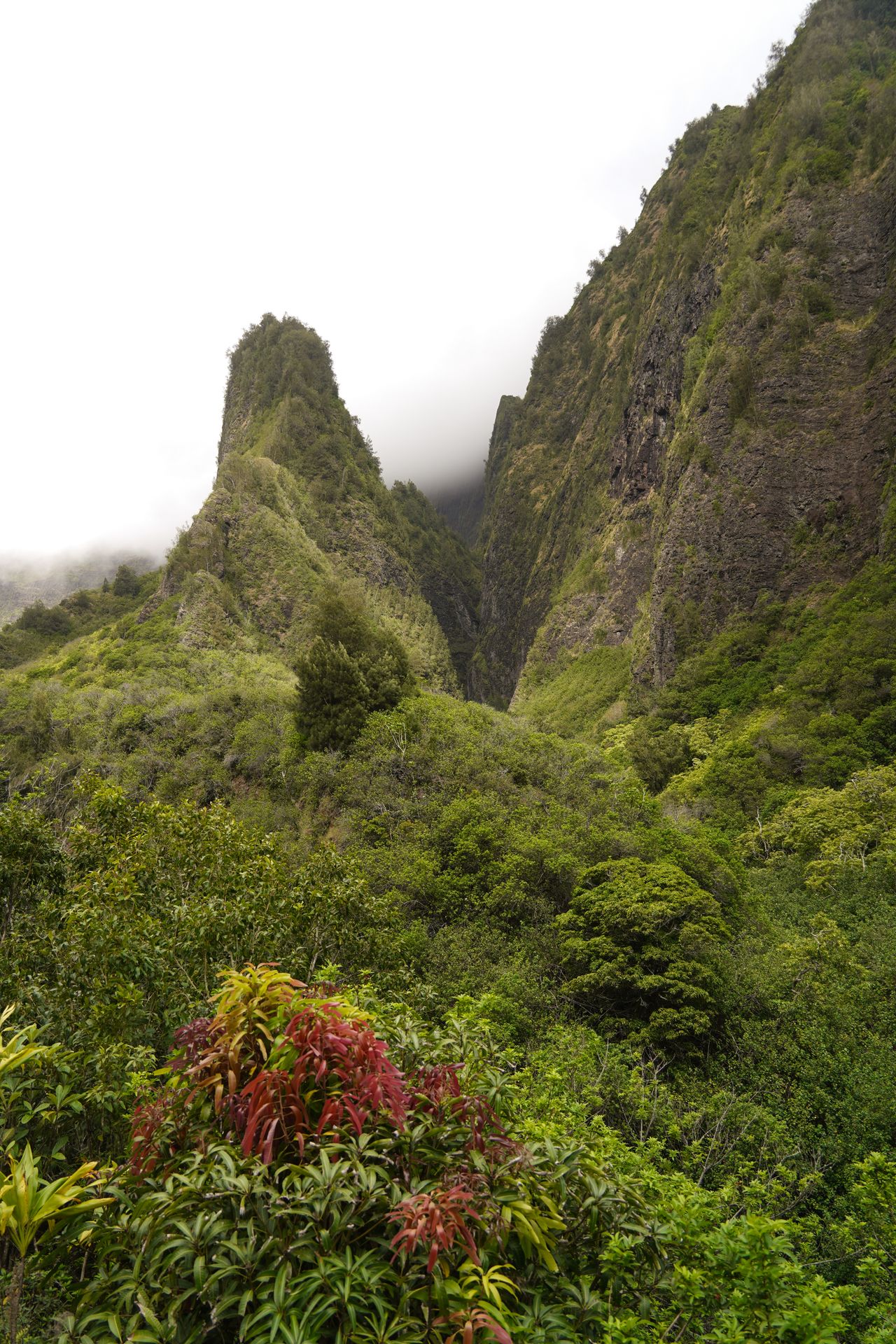
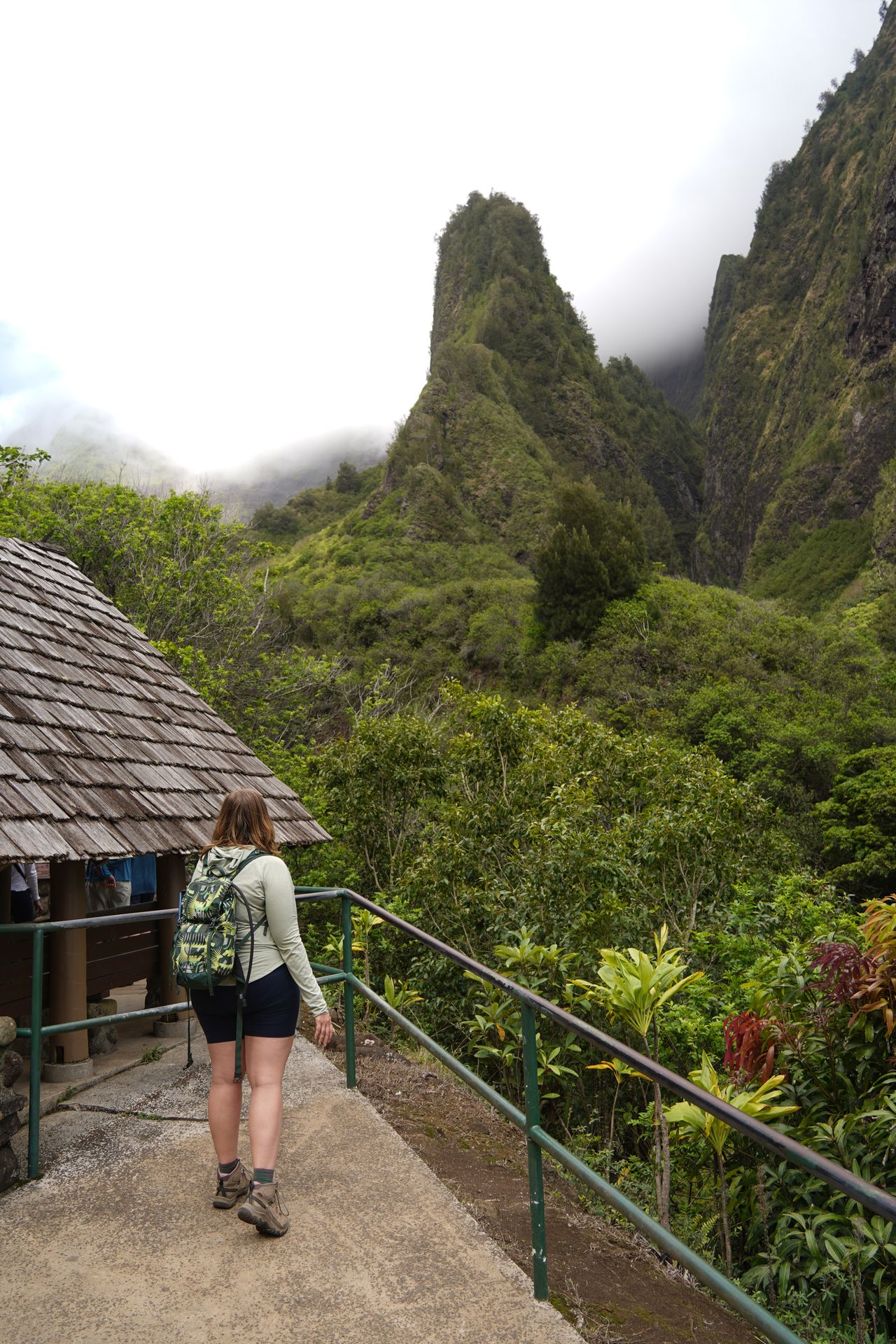
You’ll need a reservation to visit this park, but I was able to get one just a couple hours ahead of time.
It’s a short hike to get a nice view of the Iao Needle, and you can also add on the Ethnobotanical Loop, and the trail to Quarter Mile Falls. The trail to the Iao Needle Viewpoint is paved with some steps, and you’ll be surrounded by beautifully lush greenery as you explore the valley. This is a great easy hike to kick up off your time in Maui.
Take a Whale Watching Tour
If you’re visiting in the winter, taking a whale watching tour in Maalaea Bay is an incredible activity. February is the peak time for seeing whales, but the season runs from December to April.
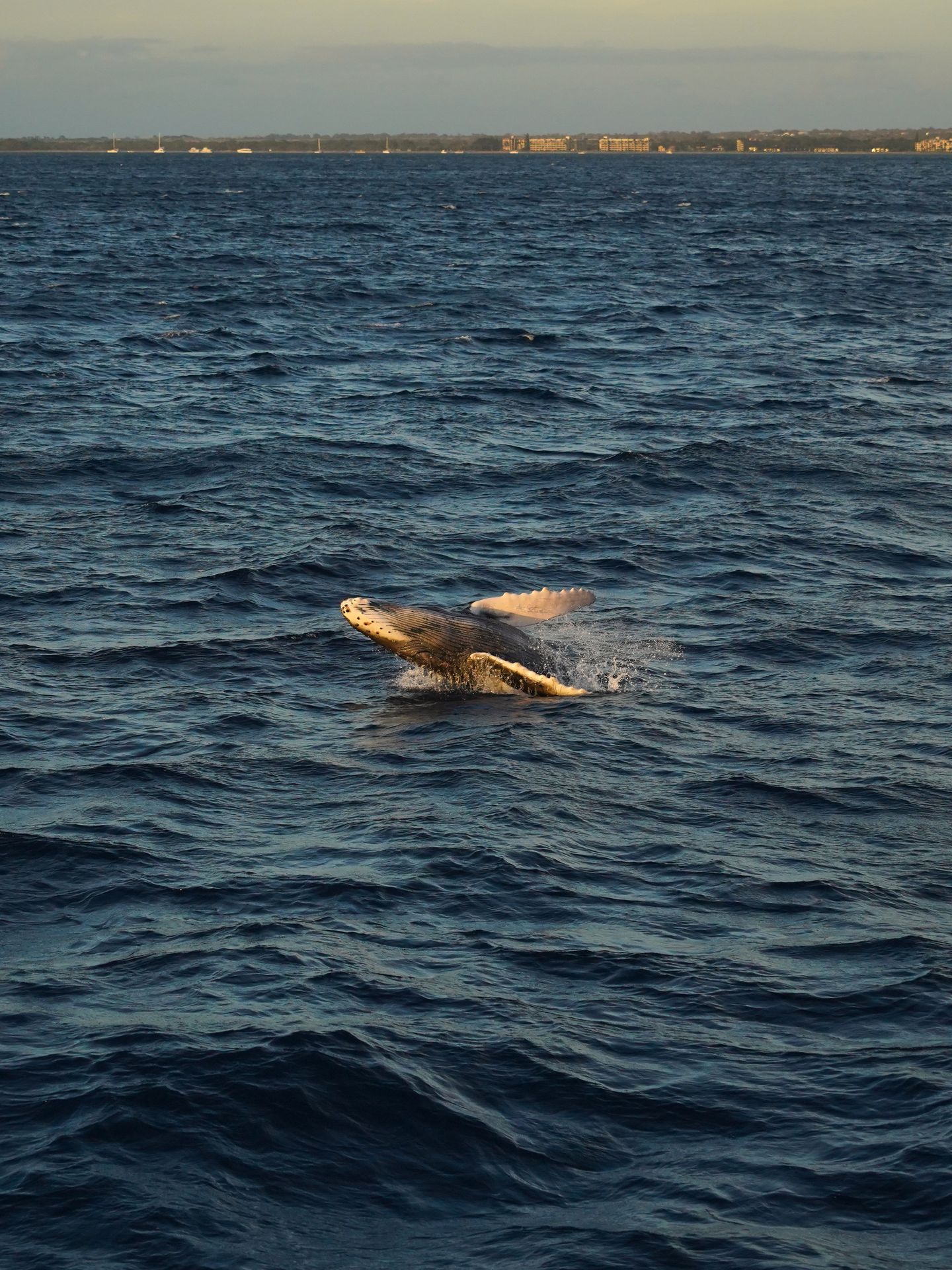
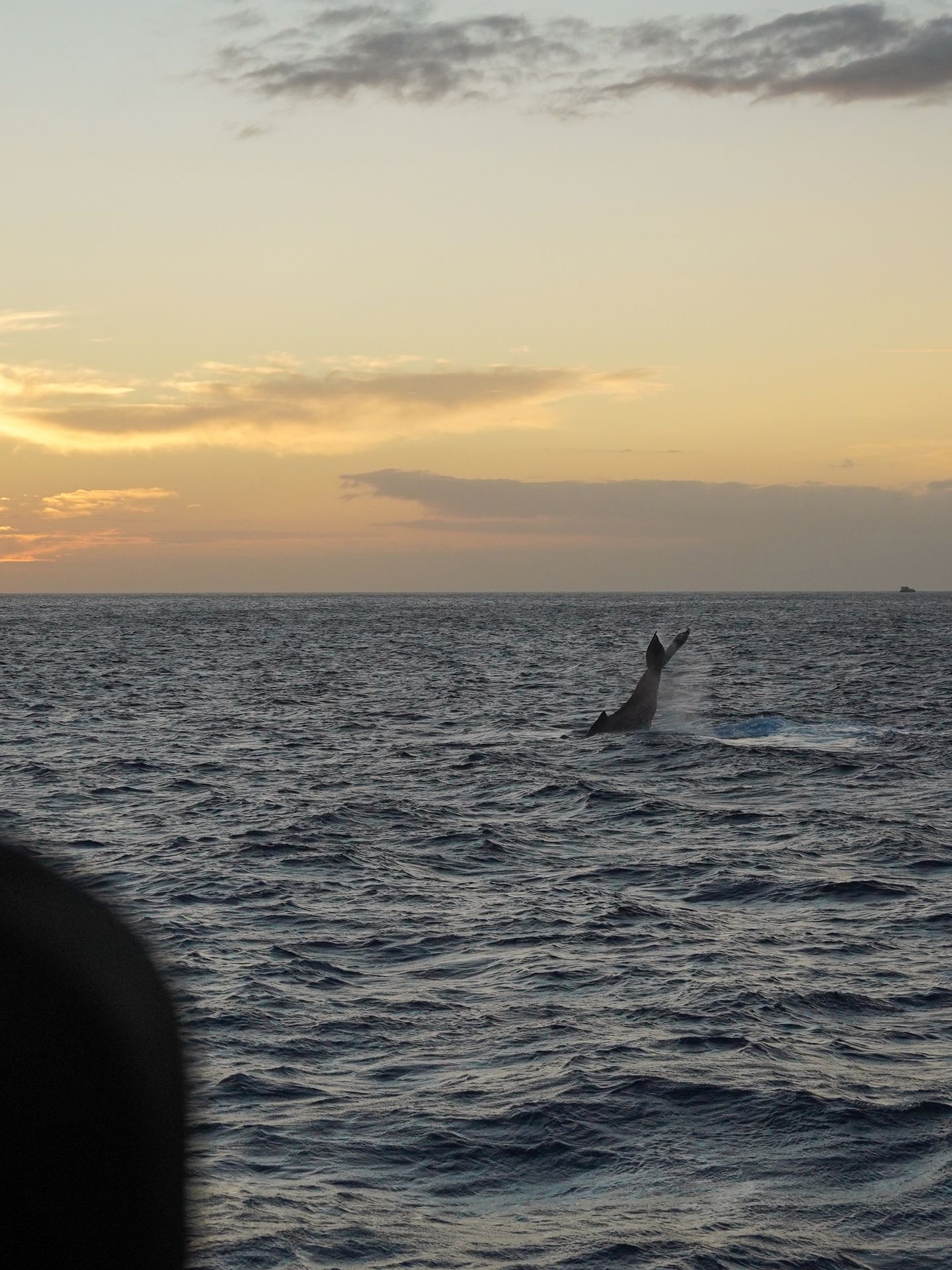
I went on a sunset whale watching dinner cruise with PacWhale Eco-Adventures and had an amazing time. The staff was really passionate about the whales, and we saw a few of them. The best part was watching a baby humpback breaching out of the water multiple times!
The experience also included a four course meal, and it was delicious. I enjoyed hawaiian rolls, a watermelon pesto salad, a portobello mushroom served with sweet potato mash and grilled zucchini, and a brownie for dessert. All this while sipping on tropical cocktails made for a perfect evening. The experience had great vibes, breathtaking views and amazing whale sightings.
An adventure with PacWhale Eco-Adventures directly funds their nonprofit, which does research, education and conservation around marine wildlife. In addition to this experience, they offer snorkeling, sailing, and more. I highly recommend booking with them during your Maui vacation!
Maui Itinerary: Days Two + Three
Spend two days driving the Road to Hāna, with a night in Hāna in between. If you don’t want to stay in Hāna, I recommend picking the stops you most want to see and spending one day driving the Road to Hāna.
Drive the Road to Hāna
Driving the Road to Hāna is easily one of the best things to do in Maui. The scenic drive is a 64-mile stretch of road on the east side of the island. As the name suggests, the road leads to the small town of Hāna (and also continues on from there).
The road is infamous for being narrow and curvy. In fact, there are said to be over 600 curves. Take your time on the drive and allow locals to pass (they may give you a honk, wave at you, or just drive much faster than you’re comfortable).
The reason this road is so famous is all of the beautiful stops along the way. You can see rainbow eucalyptus trees, enjoy views of the ocean, see several waterfalls, hike along a black sand beach, and more.
Most visitors spend one day driving the Road to Hāna. You can certainly still see a lot in a day if that’s all you have time for. However, I felt that two days were needed for me to see as many stops as possible, go on some hikes and not drive back in the dark.
There isn’t much lodging in Hāna, so I recommend booking early. I stayed at Heavenly Hāna Paradise and it was a really cute home with a kitchen, outdoor seating area and friendly kitties outside.
The *’s indicate my favorite stops on the Road to Hāna.
Pro Tip: Use the Guide Along audio tour to help you decide where to stop while driving the Road to Hāna!
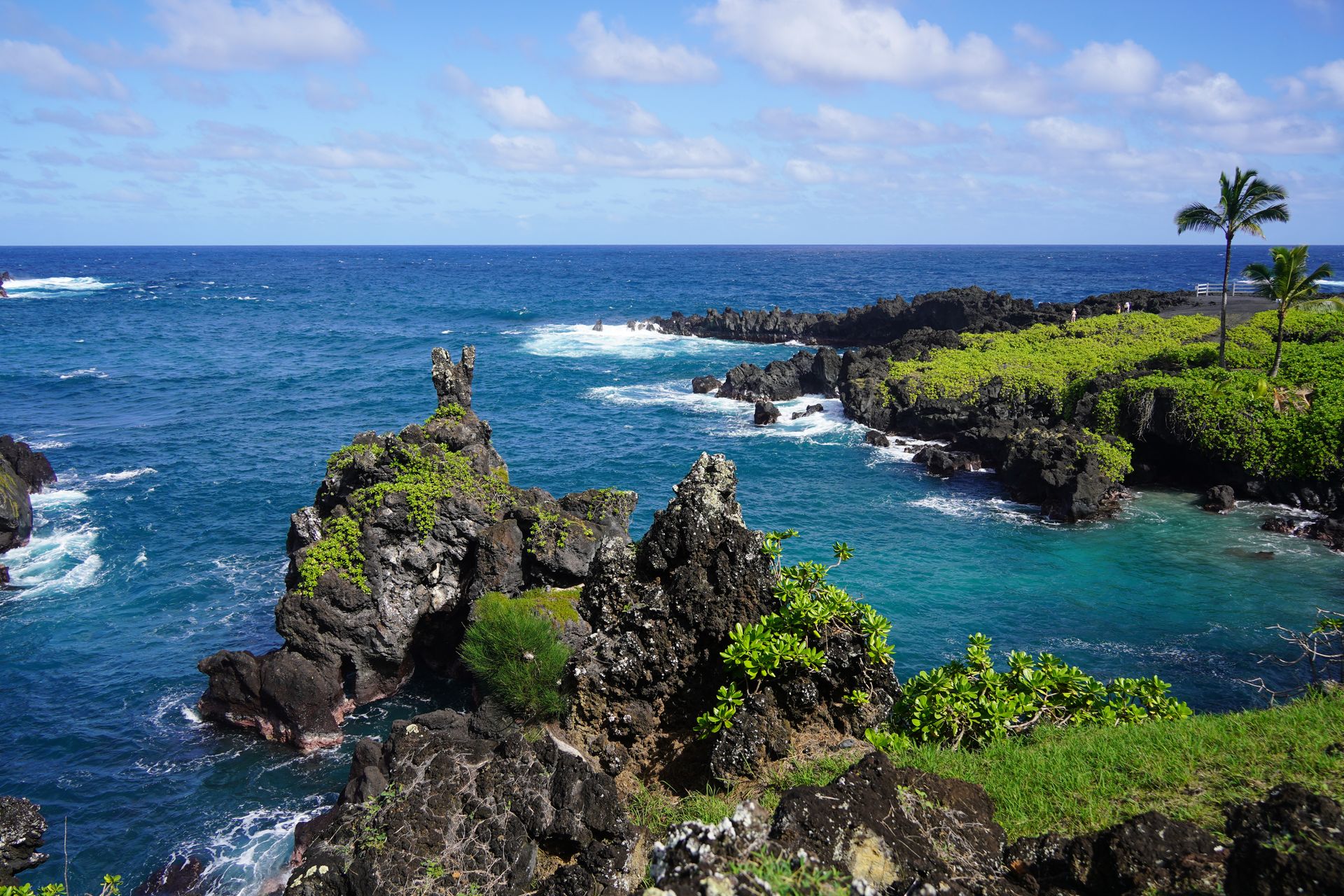
Where to Stop on the Road to Hana
Here are the stops that I recommend for spending 2 days driving the Road to Hāna. To break the drive up over 2 days, I recommend making as many stops as you can between the start of the drive and Hāna on day one. If you have time, visit a couple more stops past Hāna too.
Pro Tip: Make a timed reservation in advance to visit Wai'anapanapa State Park. It’s located about halfway through the famous drive, close to the town of Hāna. If you’re taking two days to explore the Road to Hāna, I recommend making your reservation for the afternoon on day one. If you’re doing it all in one day, I recommend timing your visit for mid-morning.
On day two, start at the Kīpahulu District of Haleakala National Park and hike to Waimoku Falls. This is the furthest point that most visitors go on the Road to Hana to before turning around. You could continue past here and drive a loop around the island, but the road gets rough and not all rental car companies allow their cars to be driven there. As you make your way back, visit any stops that you missed on day one.
Twin Falls
Twin Falls is the first main stop on Road to Hana, and features a few different waterfalls that you can reach via short hikes. There are a couple of waterfalls that are a close walk from the parking area, but the best waterfall (in my opinion, at least) is reached via a 1.9-mile trail.
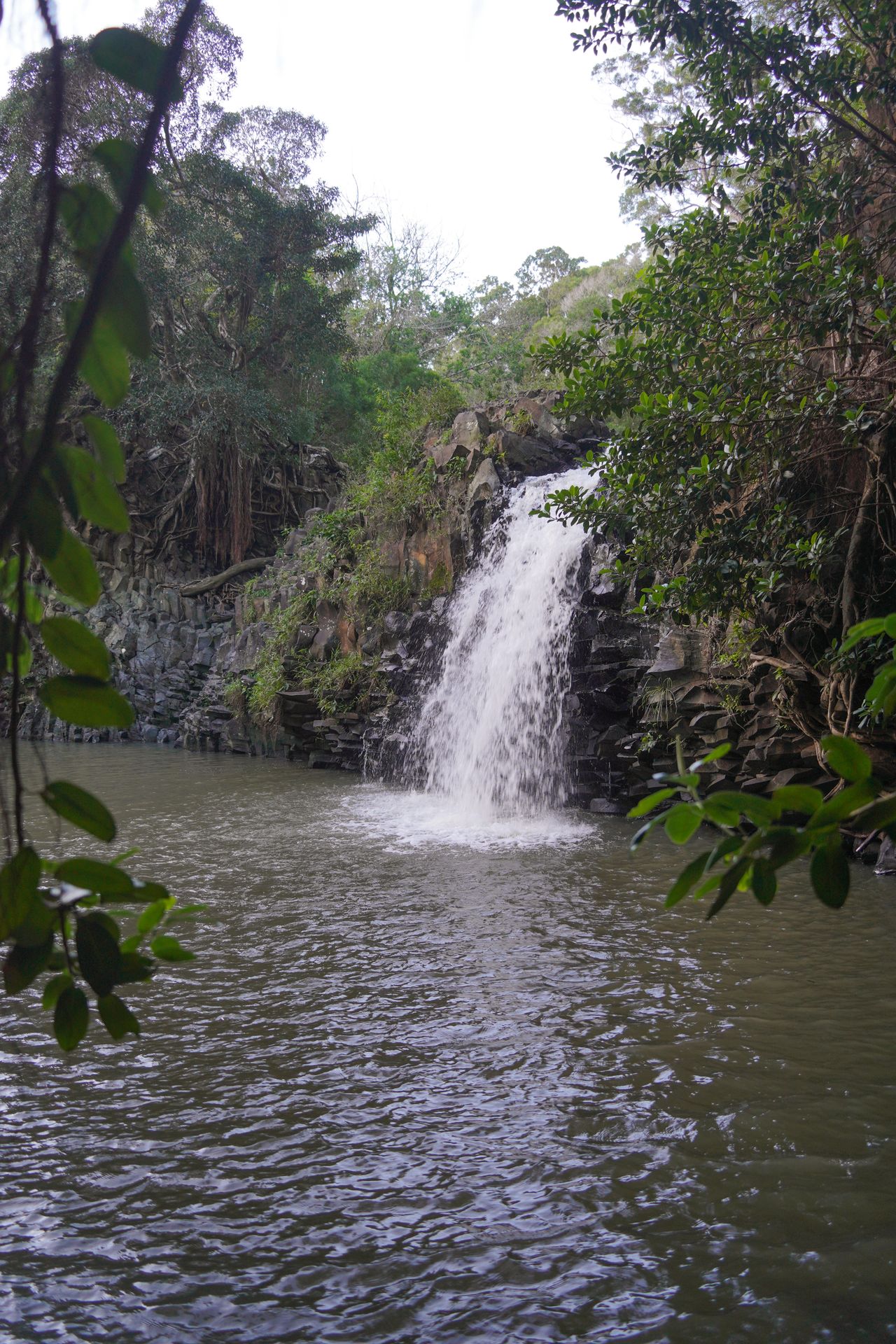
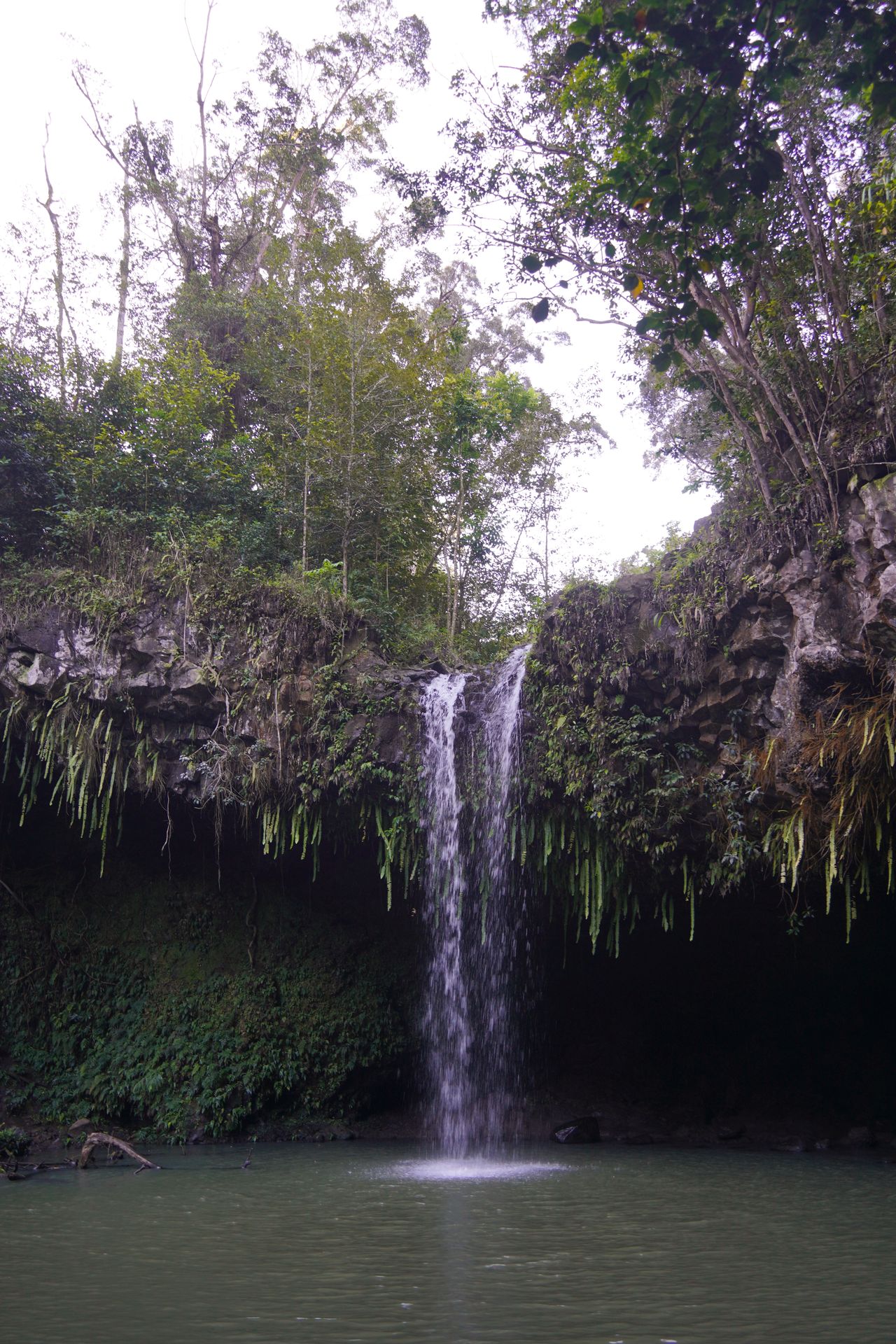
The trail isn’t difficult, but it’s best to have sturdy shoes that will help you navigate mud and uneven surfaces. There are two river crossings on the trail and the larger one is right before reaching the waterfall, so water shoes are helpful.
The waterfall is unique for its lush, green surroundings, and flows down over a cave-like overhang.
You can also swim at these waterfalls. Keep in mind that this spot gets very crowded, even early in the morning (since many people are starting their drive to Hana early). It costs $10 to park and they have a snack shack and restrooms available.
Pro Tip: The gates to park at Twin Falls open at 7:10am.
Waikamoi Ridge Trail
The Waikomoi Ridge Trail is a 1.1-mile hike that leads you past large trees and beautiful plants. Unfortunately, the trail was closed during my visit.
Garden of Eden Arboretum
The Garden of Eden Arboretum is a nice place to see a lot of native, tropical plants and nice views. They have rainbow eucalyptus trees, bamboo, a banana patch and an overlook of a massive waterfall. You can even admire an ocean view that was in the opening scene of Jurassic Park.
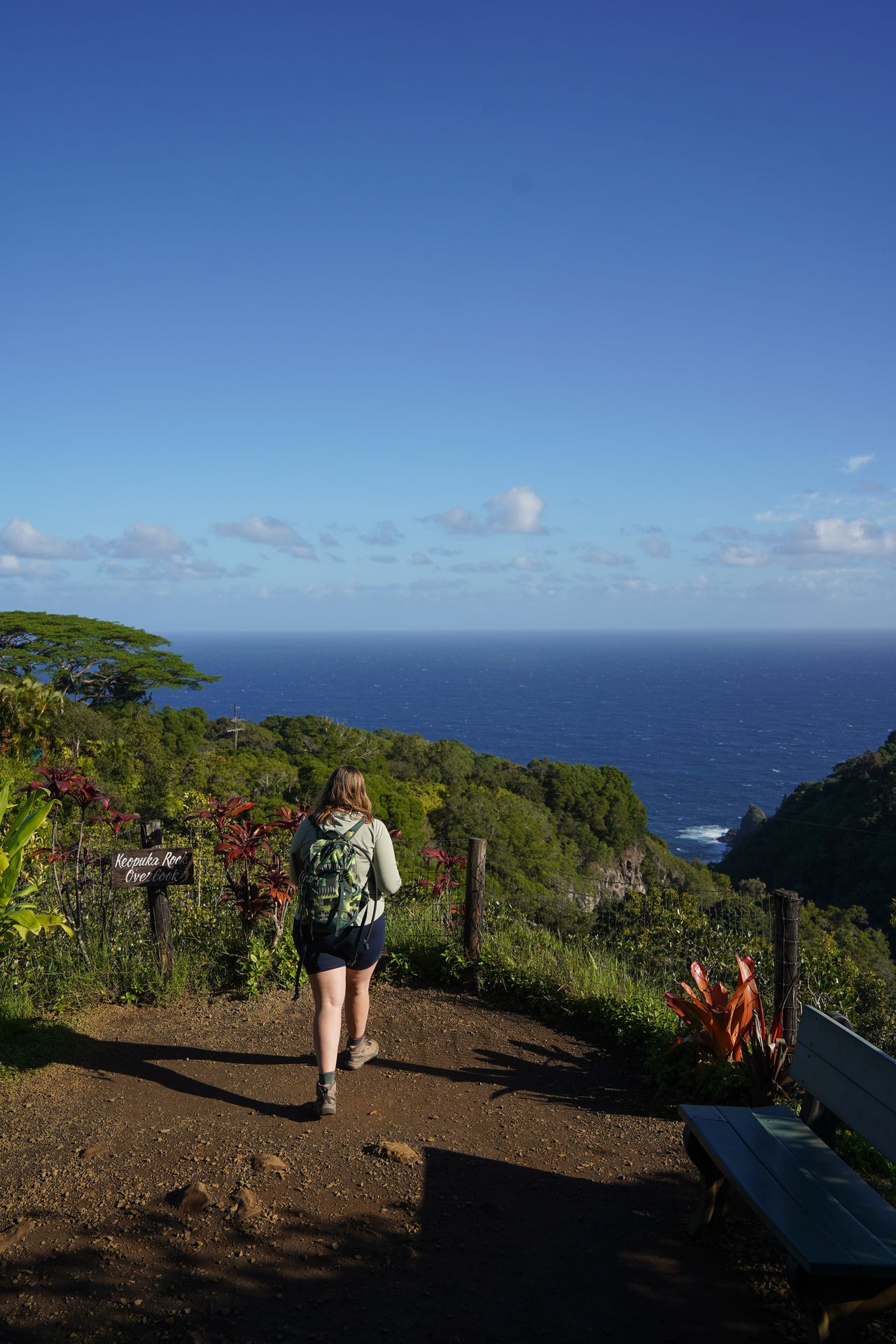
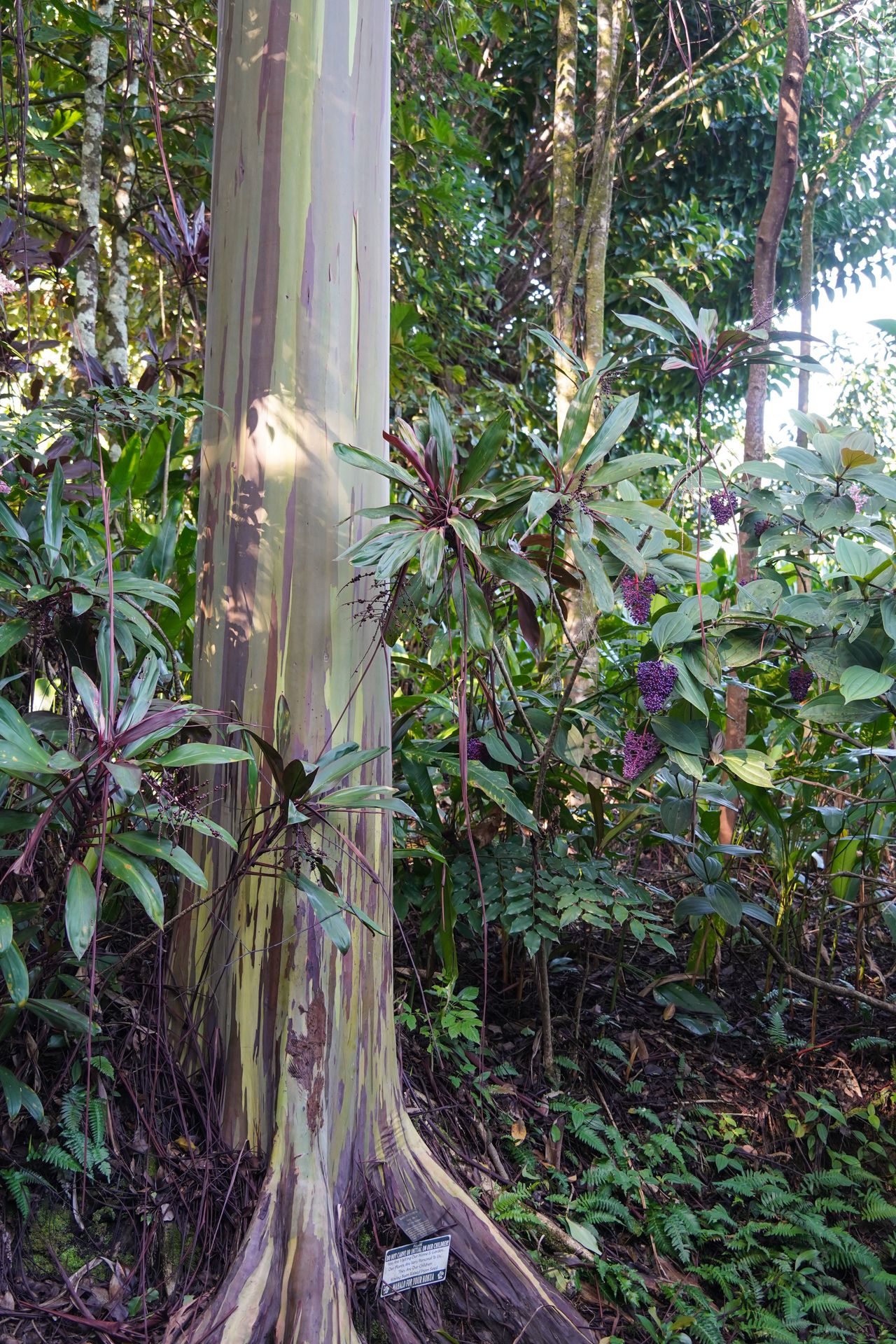
It’s a nice place to visit, but it was the most expensive stop I made on the Road to Hāna ($20 per person). At that price tag, I recommend skipping it if you’re on a budget.
Tip: Wear insect repellant while walking around here! If you don’t have it, you can buy it here.
Kaumahina State Wayside Park
Kaumahina Wayside is a quick and easy rest stop with a nice view of the ocean. It’s free to visit, and they have a restroom.
Ke’anae Arboretum *
The Ke’anae Arboretum is a lovely, short and free trail where you can see rainbow eucalyptus trees (and many other plants) up close. It’s a nice, free alternative to the Garden of Eden.
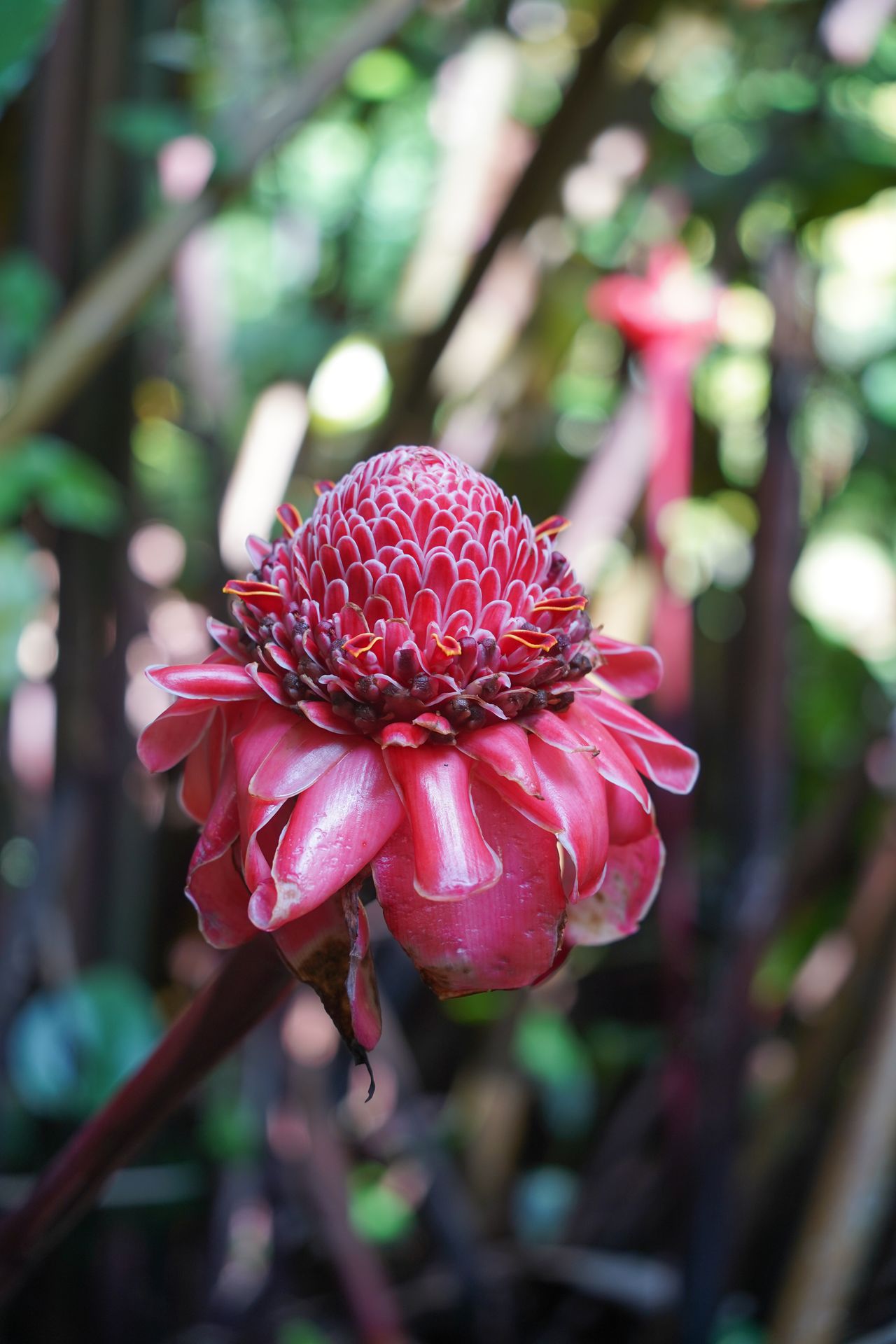
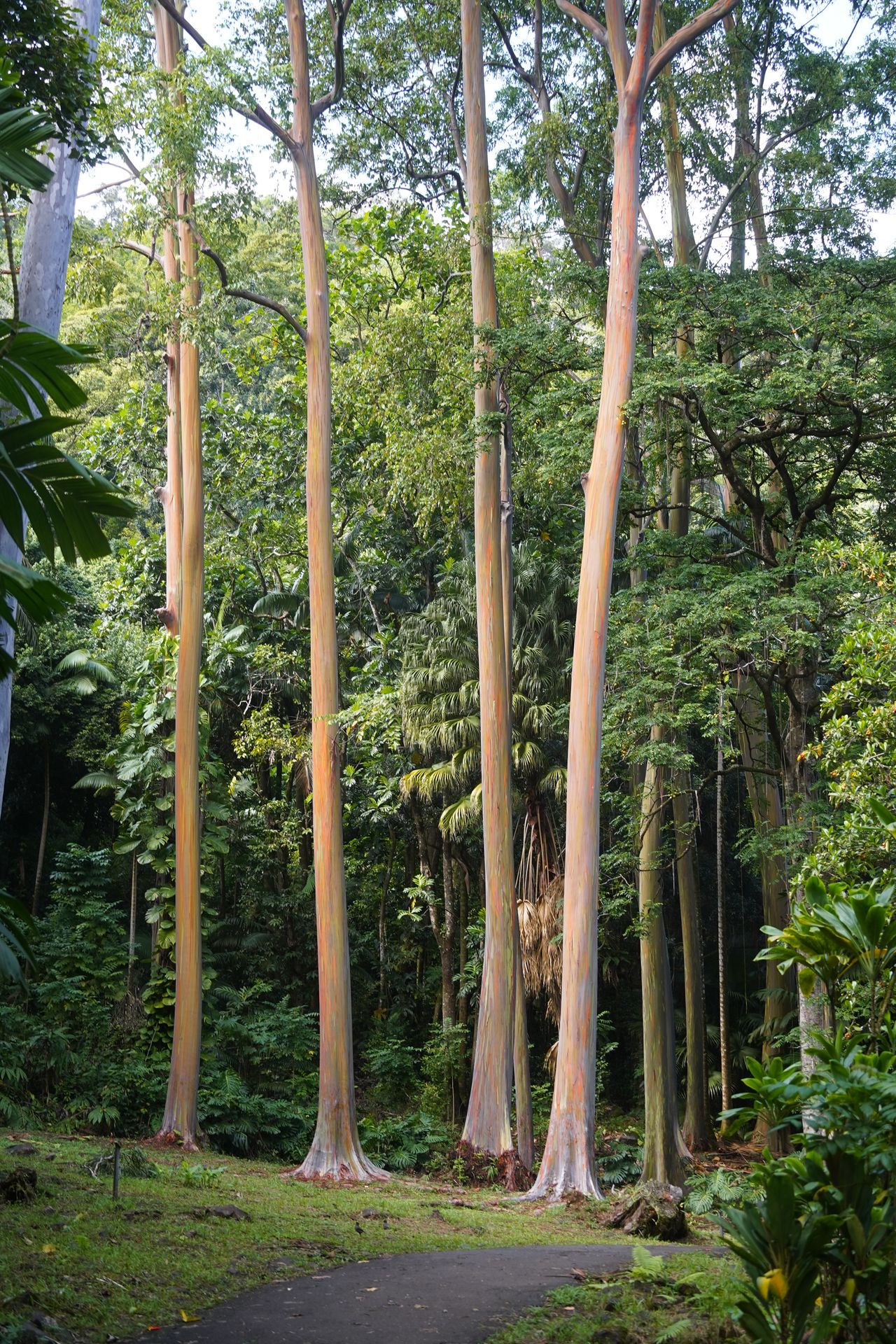
To visit, you’ll park on the side of the road and cross the road. The walk is a little under a mile, and there is signage about the massive plants that you’ll get to admire. The grove of rainbow eucalyptus’ is particularly impressive, but it’s worth walking around and admiring all of the other plants too.
Getting a parking spot here is difficult. I wasn’t able to snag a parking spot on my first day driving the Road to Hāna (after two attempts mid-morning), but I didn’t have a problem when I arrived in the early afternoon on my second day.
Aunty Sandy's Banana Bread *
If you like banana bread, make sure to make a stop at Aunty Sandy’s! The food stand is family owned and has been in operation since 2003. It was even featured on Gordon Ramsey’s “Unchartered.” You can pick up a small loaf of warm banana bread, along with whipped butter. They also serve other items, such as coffee, smoothies, cookies and hot dogs.
Pro Tip: Try to arrive in the morning, as they often sell out.
Ke’anae Peninsula *
The Ke’anae Peninsula is a half mile offshoot of the Road to Hāna that features many lava rock formations along the coast.
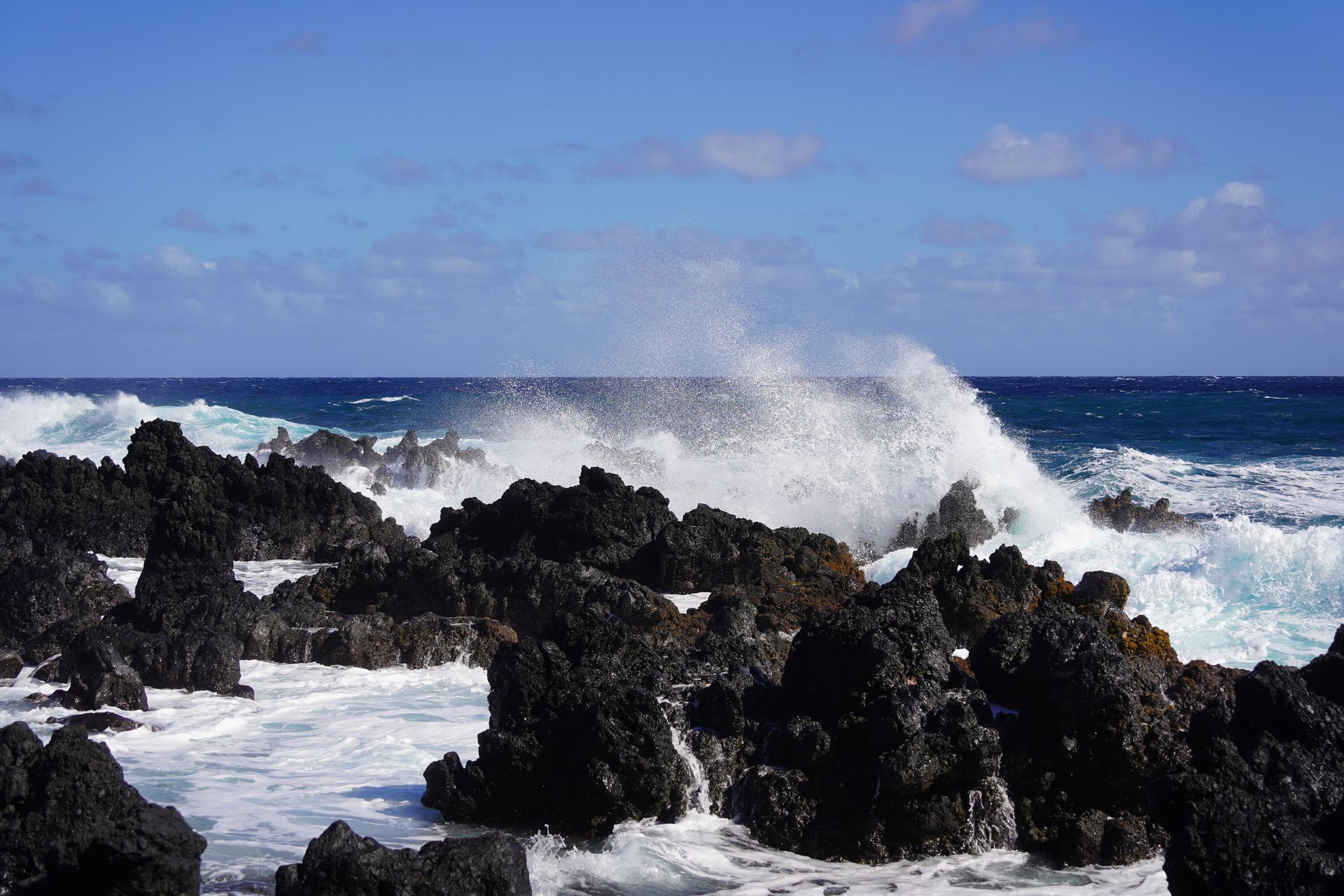
I recommend stopping at Keanae Park to admire the waves crashing into the black rocks. It’s a beautiful sight.
Pua'a Ka'a Falls
Pua’a Ka’a Falls is a well-liked picnic area with two waterfalls. It’s a popular swimming hole and some people like to jump from the top of the falls. It’s free to visit.
Nahiku Marketplace
Nahiku Marketplace is a great place for shopping and eating along the Road to Hana. The marketplace has a few different vendors, including a place for pizza, BBQ chicken, ribs, coconut shrimp and more. They also have shops where you can get a souvenir.
Hāna Lava Tube
If you’ve never been inside of a lava tube, this makes a cool stop. The lava tube was formed over 950 million years ago, and can be explored via a self-guided tour. Unfortunately this spot was closed during my visit to Maui.
Heavenly Hāna Farms
The Heavenly Hana Farms stand is the perfect place to buy a handmade item and enjoy a delicious pizza. They have a nice store that offers items like soap, honey, hot sauce and many other items. However, I especially enjoyed their pizza.
I had their ulu (breadfruit) and pesto pizza and it was fantastic. I had never had breadfruit on pizza, but I thought that all of the ingredients came together perfectly. There is plenty of outdoor seating to enjoy a pizza and a cold drink after a long day of sightseeing.
Tip: The food stands along the Road to Hana and in the town of Hana close pretty early (often at 5).
Wai'anapanapa Black Sand Beach *
Wai'anapanapa State Park is one of the must-stops on the Road to Hāna! However, you’ll have to plan ahead, as timed reservations are required and cannot be purchased on the same day.
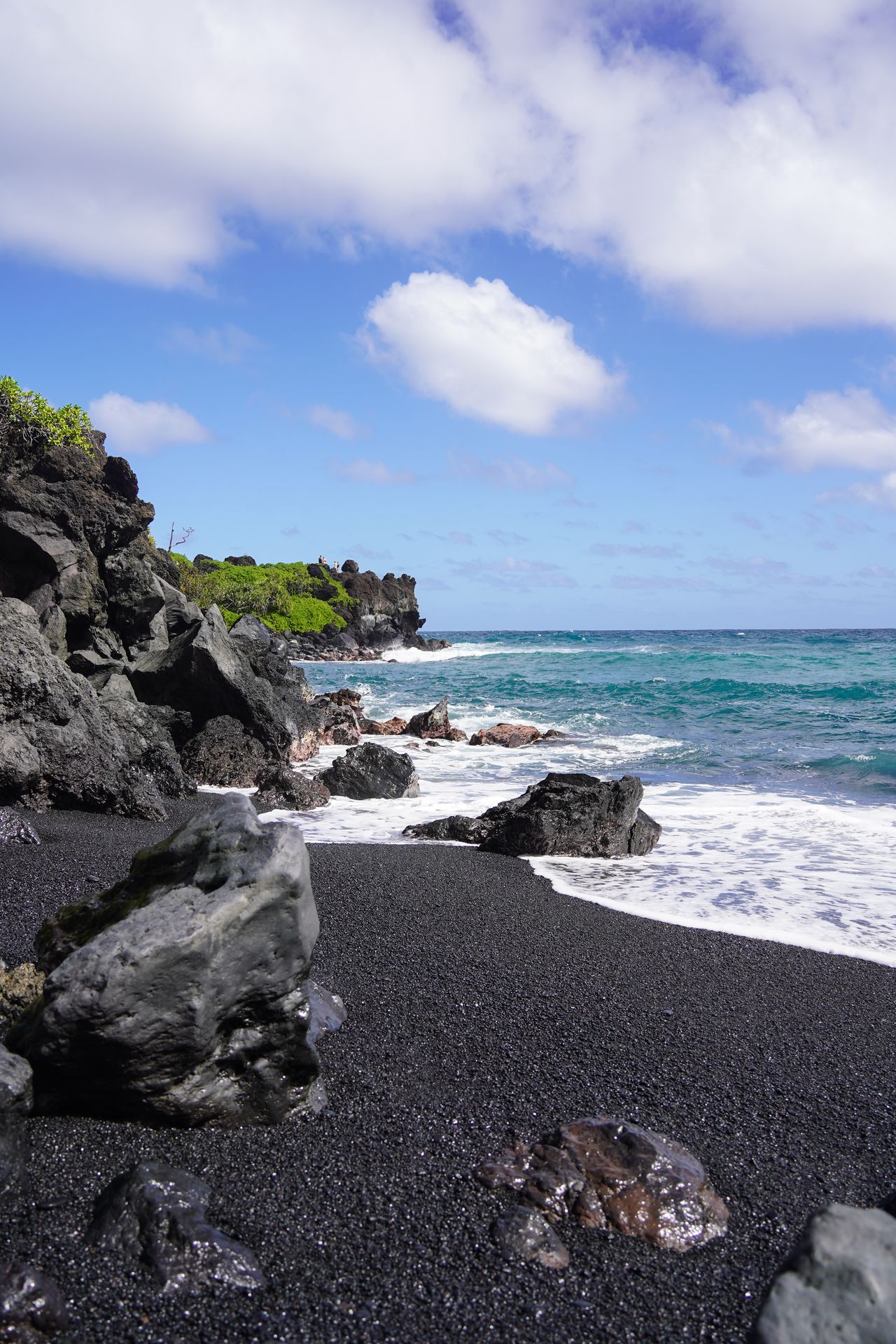
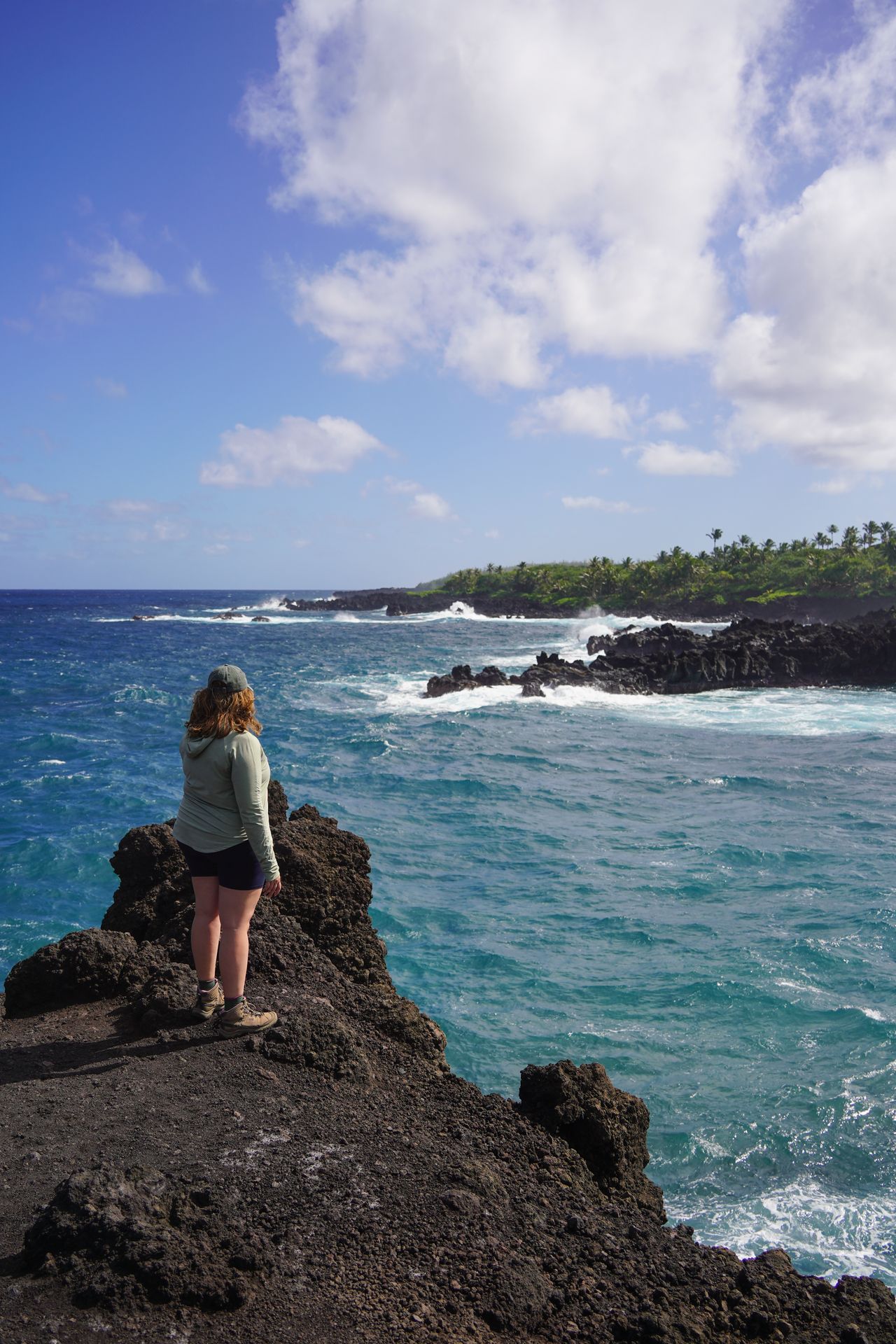
This is a beautiful park that is famous for its black sand beach. The black sandy beach is tucked away in a cove, and the perfect place to relax and swim on a calm day. You can also hike along the coast here, and I really enjoyed hiking and admiring all of the jagged lava rocks and the waves crashing against them.
The Town of Hana
While the road is famously named after this small town, the Road to Hāna is really more about the journey instead of the destination. Hana has food trucks where you can eat, and you may want to go relax at the Hāna Bay Beach Park. However, there is not a ton to do. No matter how long you spend here, make sure to respect the locals.
Koki Beach Park
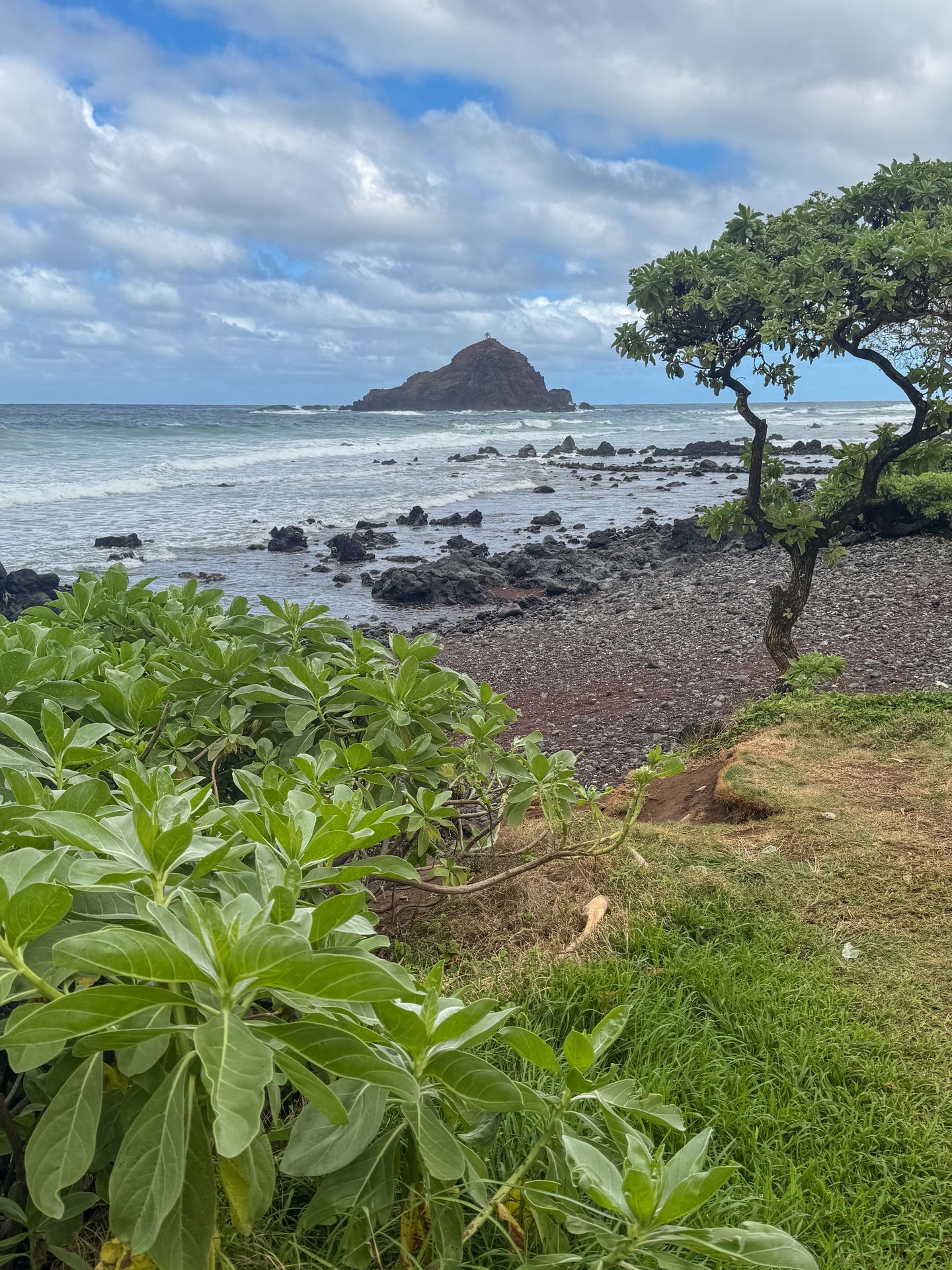
Koki Beach is a nice little beach where you can admire Alau Island, which has a single tree on top. The beach is also right next to Huli Huli Chicken, a famous spot for chicken, ribs and mac salad.
Hamoa Beach
Hamoa Beach is one of the best beaches along the Road to Hana for someone looking to relax. The crescent-shaped beach is tucked away in a cove. It can be good for swimming, but the waves can also be rough, so it depends on the day. It can also be good for boogie boarding and surfing.
Wailua Falls *
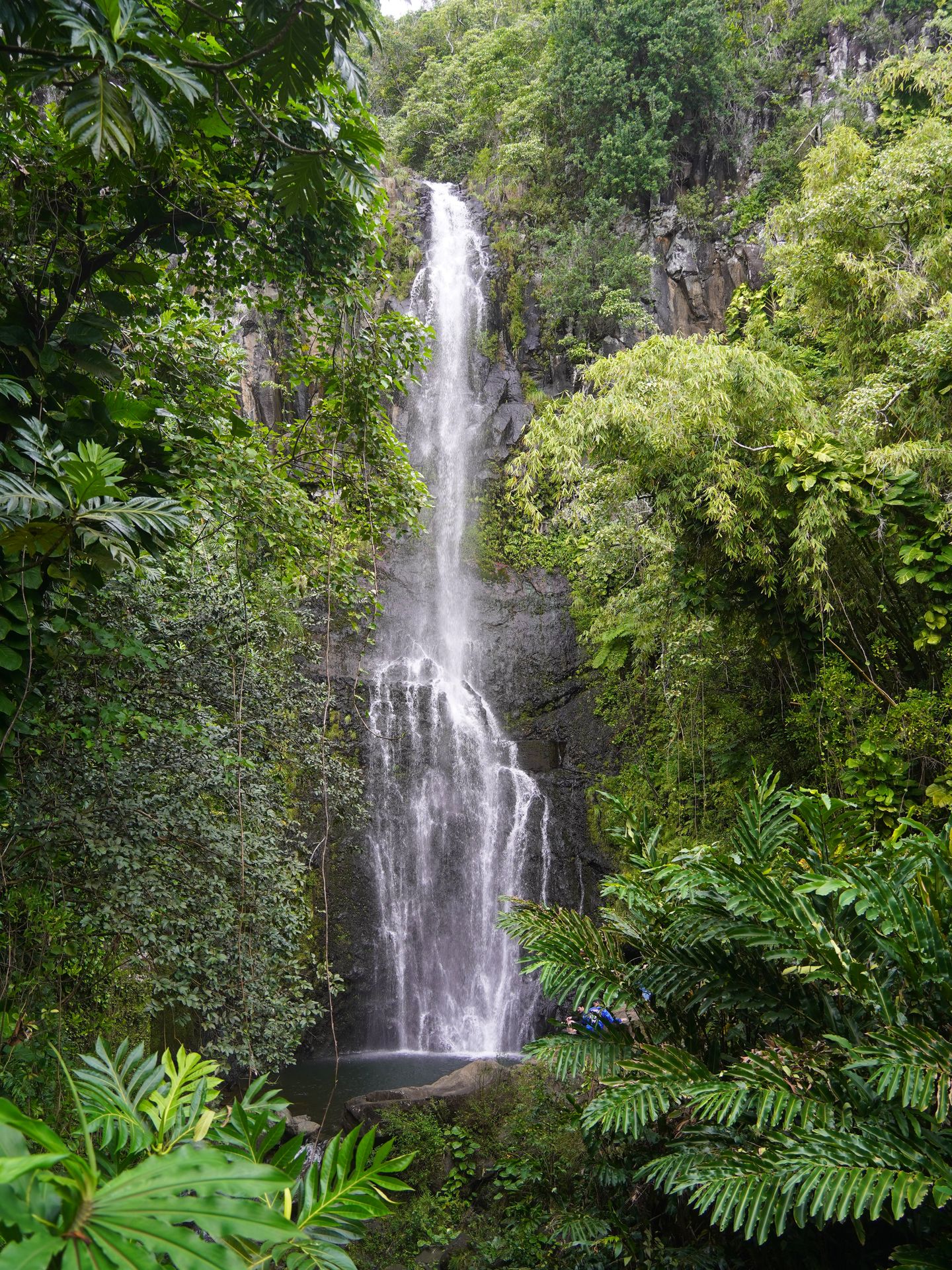
Wailua Falls is a grand roadside waterfall that is well worth the quick stop. The waterfall is about 80 feet tall and is best seen from the road. You can also take a very quick walk to reach the base of the falls, where you can swim if you’d like.
The Kīpahulu District of Haleakala National Park *
This is the final spot I recommend making on the Road to Hana before turning around! This coastal region of Haleakala National Park has some stunning hiking trails of various lengths, plus a visitor center where you can learn a little bit about the park.
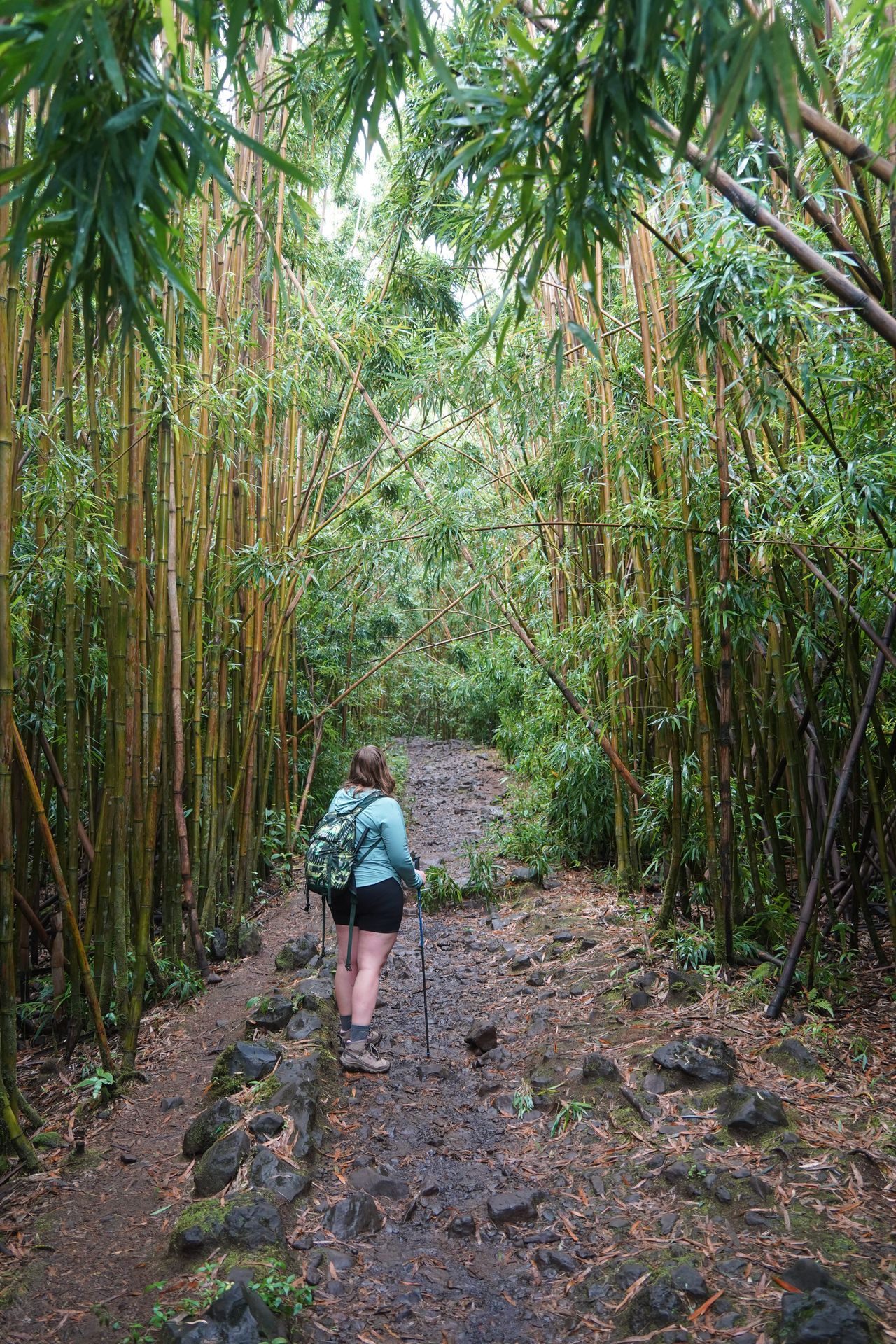
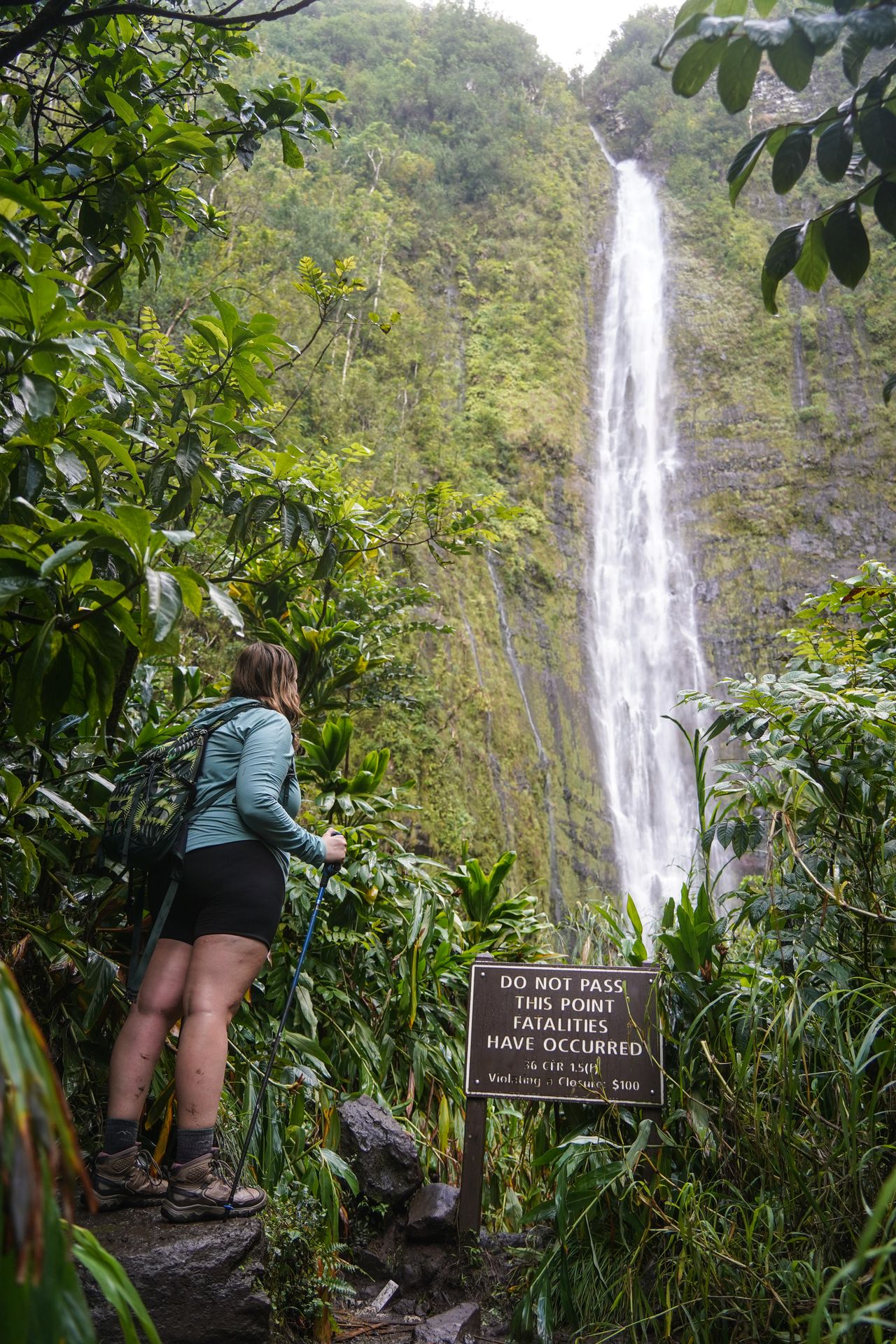
If you’re up for a longer trail, I highly recommend the hike to Waimoku Falls via the Pipiwai Trail. The hike is 3.5 miles and has some lovely views on your way up to the large waterfall. You’ll see other waterfalls along the way and spend time hiking through a bamboo forest.
At the top, you’ll get to admire Waimoku Falls, which is about 400-feet high. Unfortunately, it’s not safe to get very close to the falls, but it’s still a great hike.
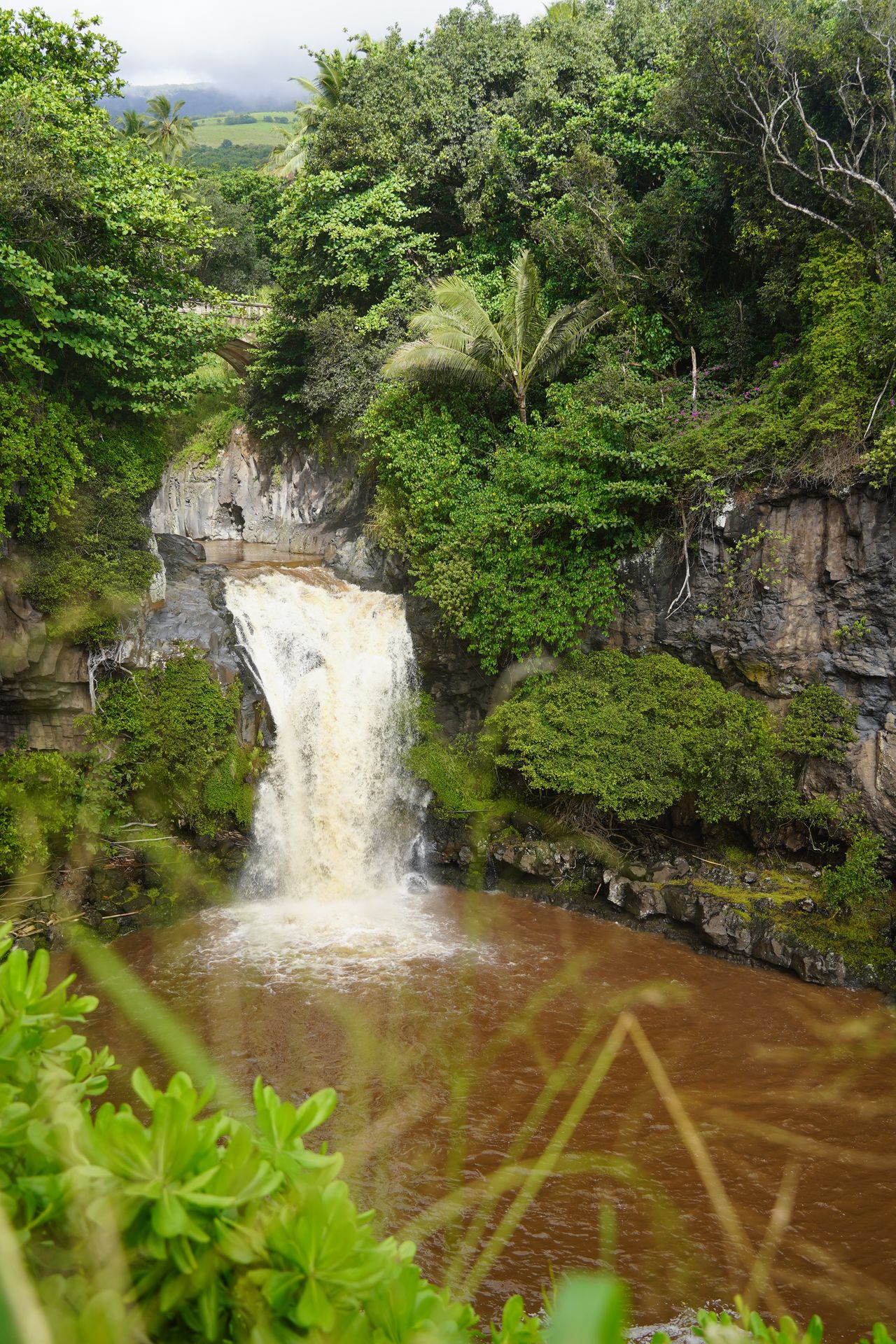
Also be sure to check out the Seven Sacred Pools Trail, or 'Ohe'o Gulch. This half mile loop has some beautiful views of waterfalls cascading down into pools, and of the ocean. It’s cool to look at, but keep in mind that swimming here can be very dangerous.
Read my full guide to visiting Haleakala National Park
Maui Itinerary: Day Four
Spend the day in the Summit District of Haleakala National Park.
Watch the Sunrise from the Haleakala Summit
Watching the sunrise from the summit of Haleakala is an incredible way to start your day. The Haleakala Summit sits at over 10,000 feet, so you’ll have some incredible views. However, this also means cold temperatures.
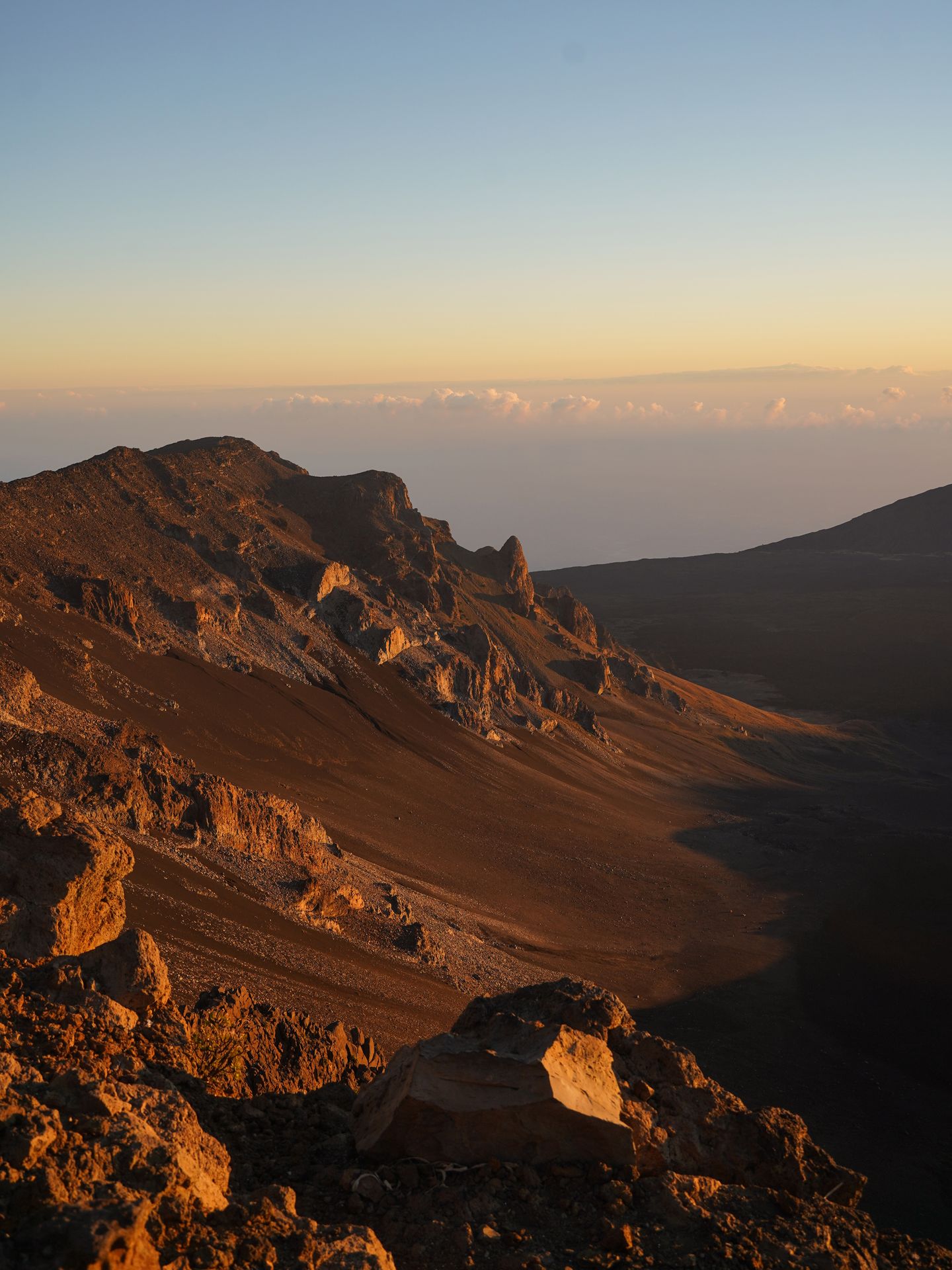
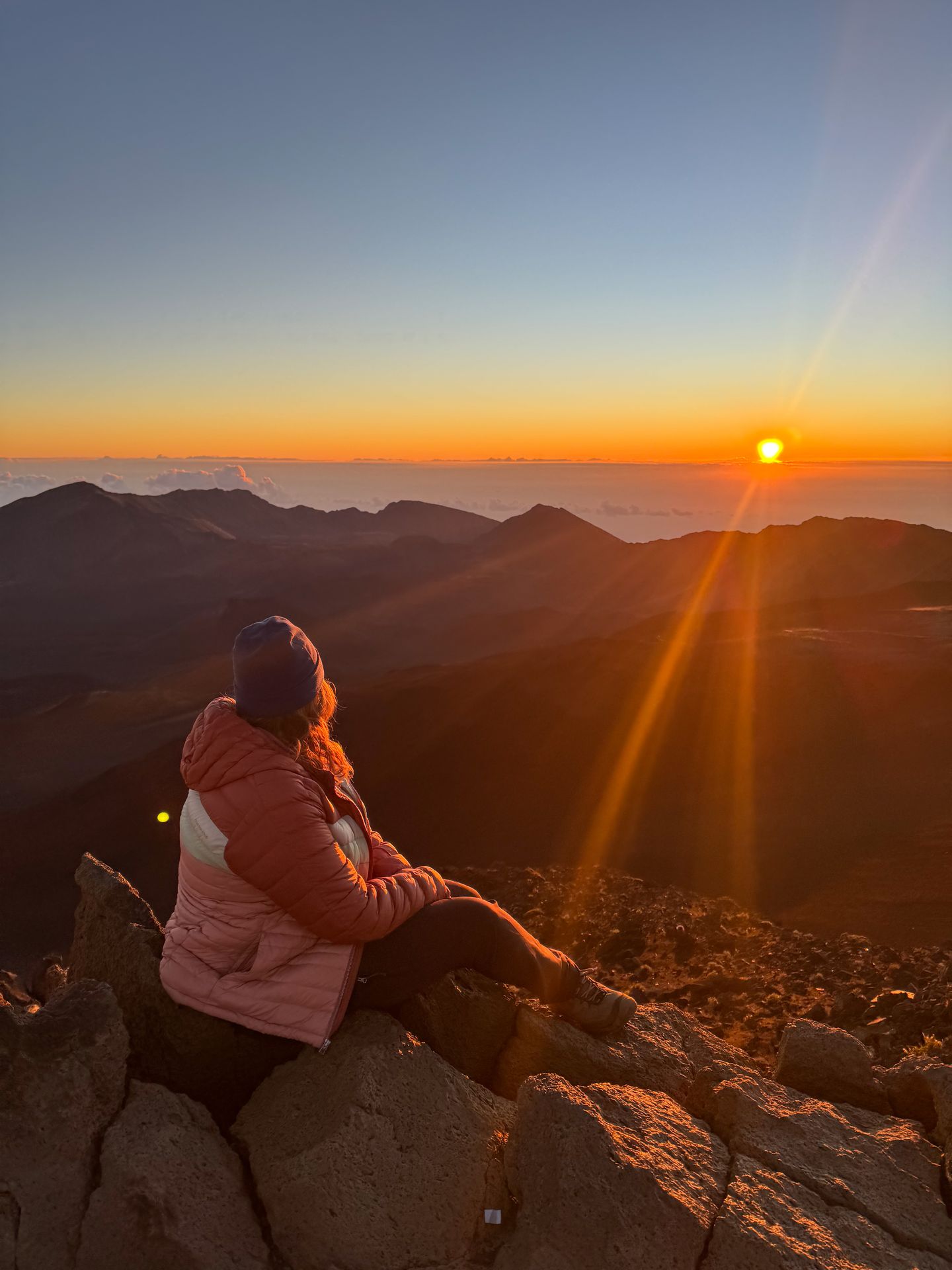
You’ll need a reservation to watch the sunrise at Haleakala and they can be hard to get. Reservations go on sale 60 days in advance at 7:00 am HST and are required to enter the park between 3:00 am and 7:00 am. I recommend being logged on and ready as soon as they go on sale. Another portion of tickets goes on sale 2 days in advance.
Enter the park at least 60-90 minutes before the sun rises so that you can secure a good spot. The parking for the highest point in the park (Red Hill) fills up really early (the parking lot is small). But don’t worry, the parking lot for the Haleakala Visitor Center offers views that are just as good.
I recommend parking at the visitor center and hiking up the White Hill, or Pa Ka'oao Trail. The trail is a half mile round trip, and it’s smart to bring a headlamp for hiking up in the dark. The views up there are incredible, and you’ll have a little more breathing room than the area right next to the parking lot.
Make sure to bring warm clothes to enjoy the sunrise. Temperatures can be below freezing, and the wind can make it very chilly.
Alternatively, you might want to enjoy a sunset in the park. Reservations are not required, so the park can be very crowded at sunset. The park recommends arriving at least 3 hours before sunset during the busy winter season to get a parking spot. They will stop letting in cars if the park reaches capacity.
Go Hiking in the Haleakala Summit District
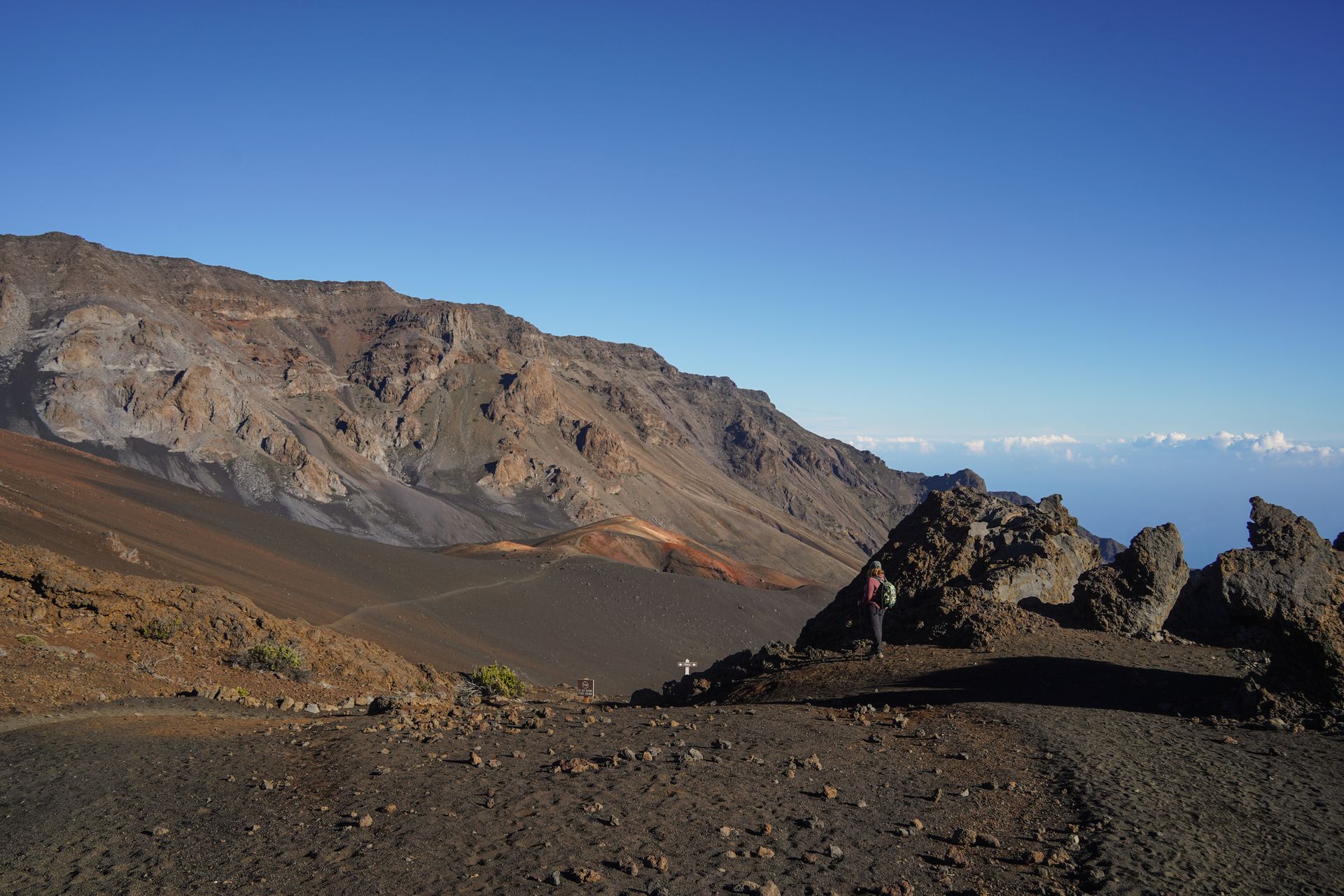
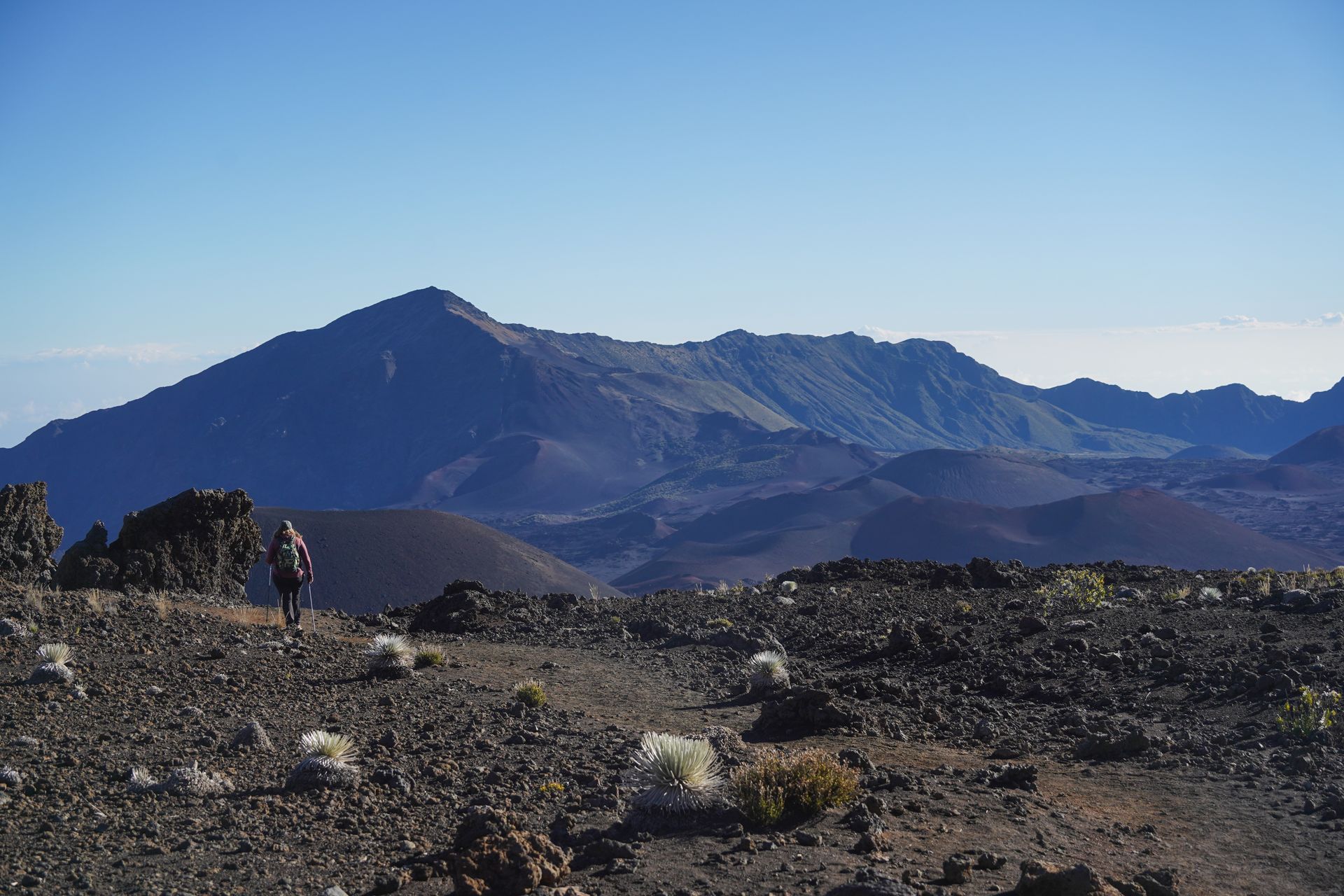
After sunrise, go on a hike in Haleakala! I really enjoyed hiking a portion of the Sliding Sands Trail, which takes you down into the dormant volcanic crater. Along the way, you’ll get to admire the various colors of the sands, unique plantlife and expansive views. It kind of feels like hiking on another planet.
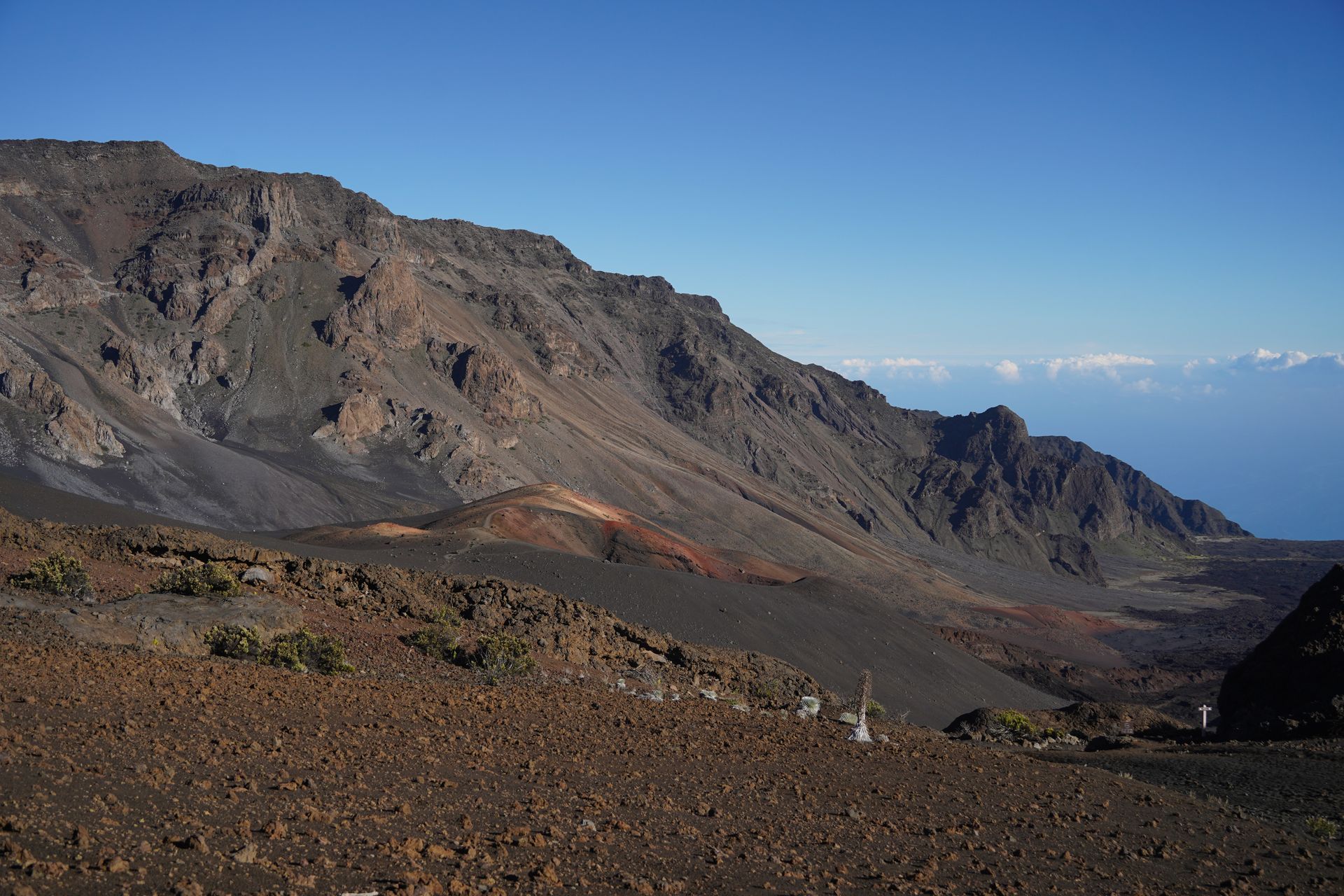
I especially loved seeing the Haleakalā silverswords, which are found nowhere else in the world. We also loved seeing Chukar birds.
For this hike, you’ll be hiking a lot downhill, and then you’ll have to hike uphill to return. Plus, the trail is very exposed to the sun. Make sure to bring plenty of water and wear sun protection.
I love this trail because you can go as far as you feel like. I hiked about 7 miles round trip, but there are great views to be had in much shorter distances as well. You can go further than that too.
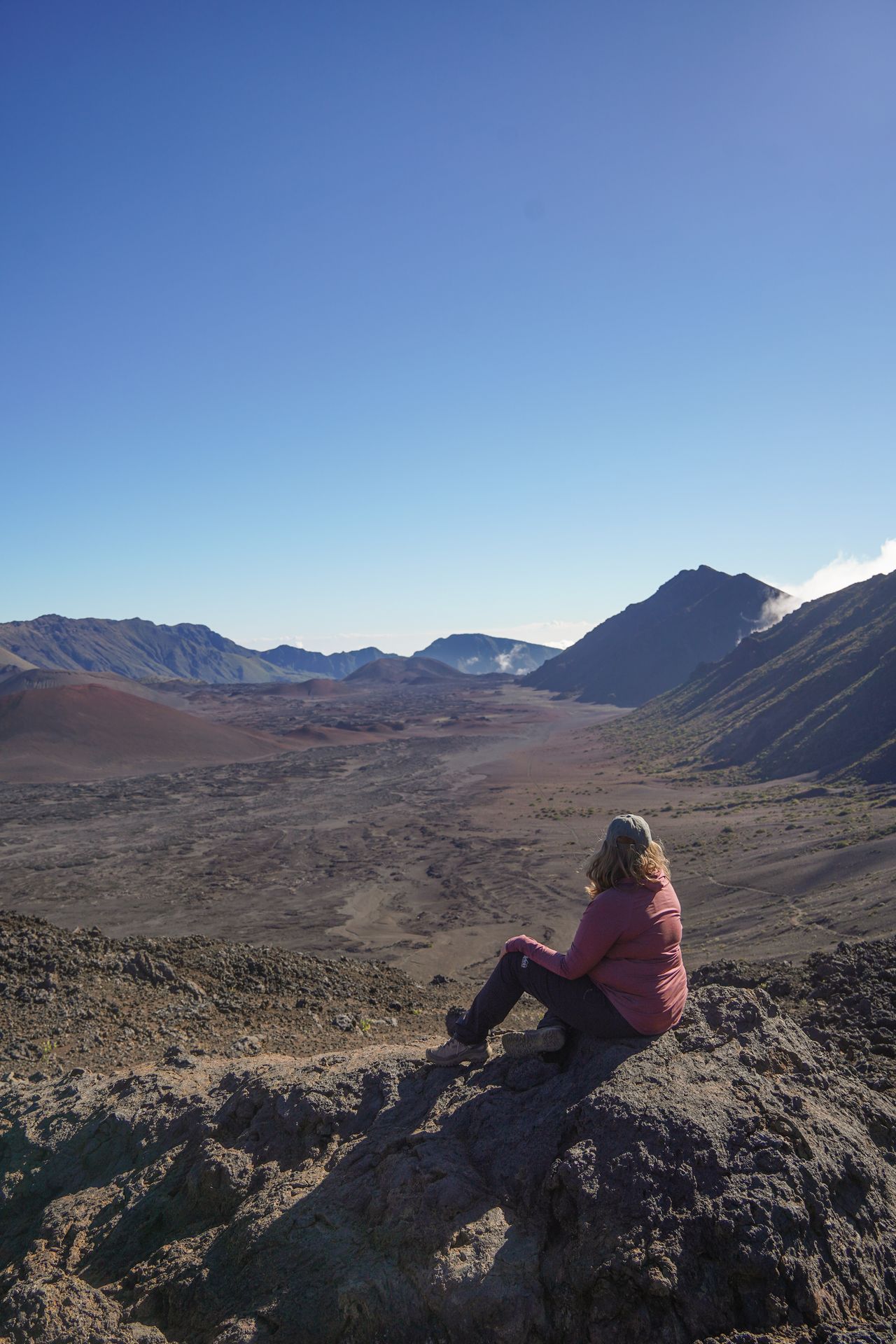

Another epic trail option that takes you down into the crater is the Halemau'u Haleakala Overlook Trail. It’s similar to the Sliding Sands Trail, but leaves from a different point. If you have two cars or are able to catch a ride, you could connect both of these trails and do a one way hike.
If you’re looking for an easier trail, I’ve heard great things about the Hosmer Grove Trail. It’s a half mile loop in a lower portion of the park and is a great way to admire native shrubs.
Admire Overlooks in the Haleakala Summit District
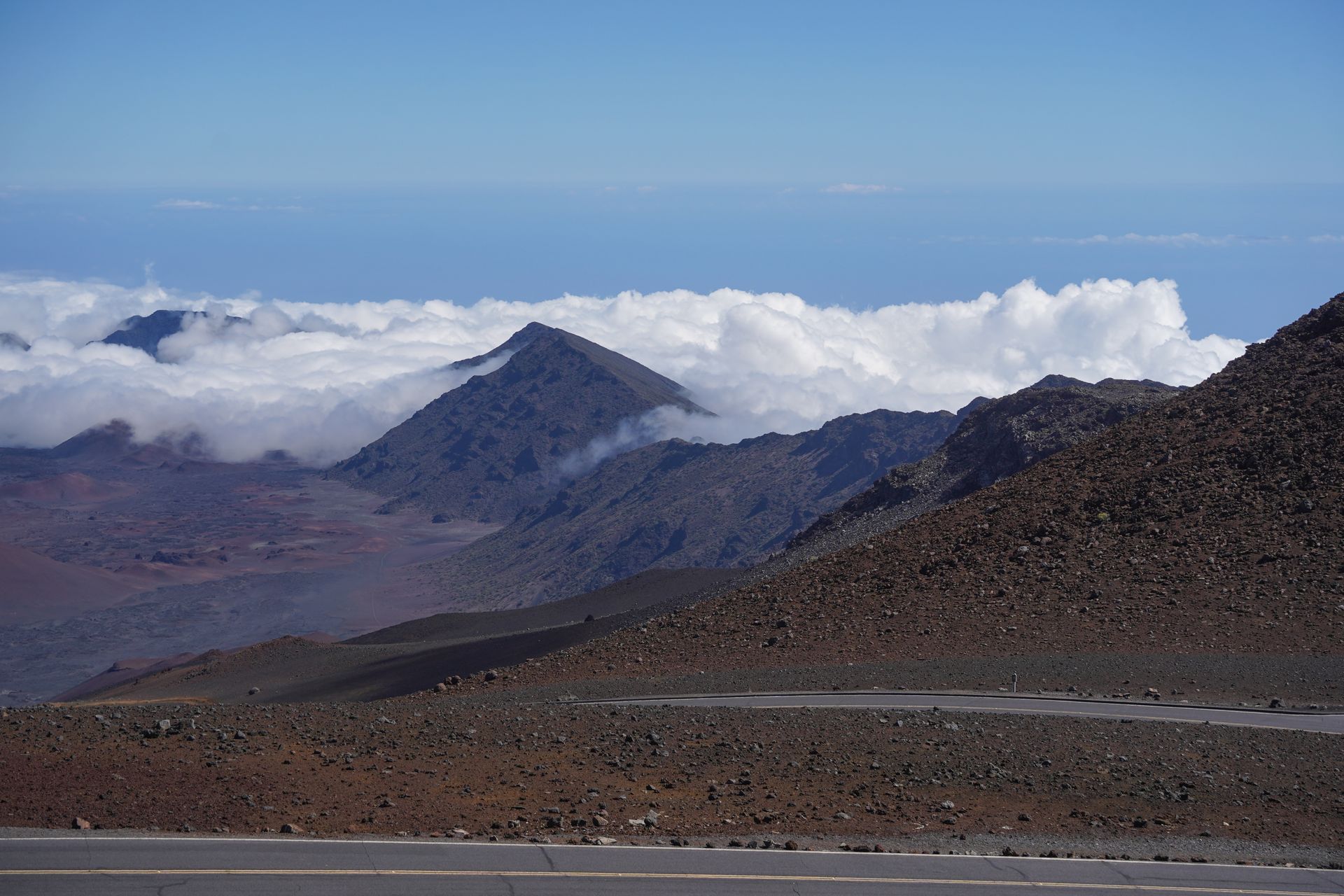
Whether you’re a hiker or not, there are some beautiful overlooks in the summit district where you can gaze into the crater and see many miles on a clear day.
Red Hill
Red Hill is the highest point in Haleakala and is definitely worth a quick stop. It’s a short walk up some steps from the parking lot to reach the view.
At the top, there is a small building with some information and an observation deck. On a clear day, you can see neighboring islands, including the Big Island, Lanaʻi, and even Oʻahu.
You can also see several large telescopes next to Red Hill, which are used for research. Unfortunately this area is not open to the public.
Kalahaku Overlook
The Kalahaku Overlook is a quick stop that offers a different perspective on the massive crater. It’s a short walk to reach the small structure that sits at this view.
Leleiwi Overlook
The Leleiwi Overlook is another overlook that provides a similar perspective as the Kalahaku Overlook. It requires a 0.3-mile walk to reach this view, so you may want to skip it if you’re short on time or tired.
Maui Itinerary: Day Five
Spend a day exploring various places in Maui Upcountry! This is an underrated region of Maui that feels more local driven, as opposed to tourist driven.
Explore Maui Upcountry
Visit Ali'i Kula Lavender Farm
The Ali’i Kula Lavender Farm has the feel of a botanical garden. You can walk around their grounds and see all kinds of stunning plantlife, including some small fields of lavender. Plus, the farm sits at about 4,000 feet, and you’ll have amazing views looking down at the Maui coast.
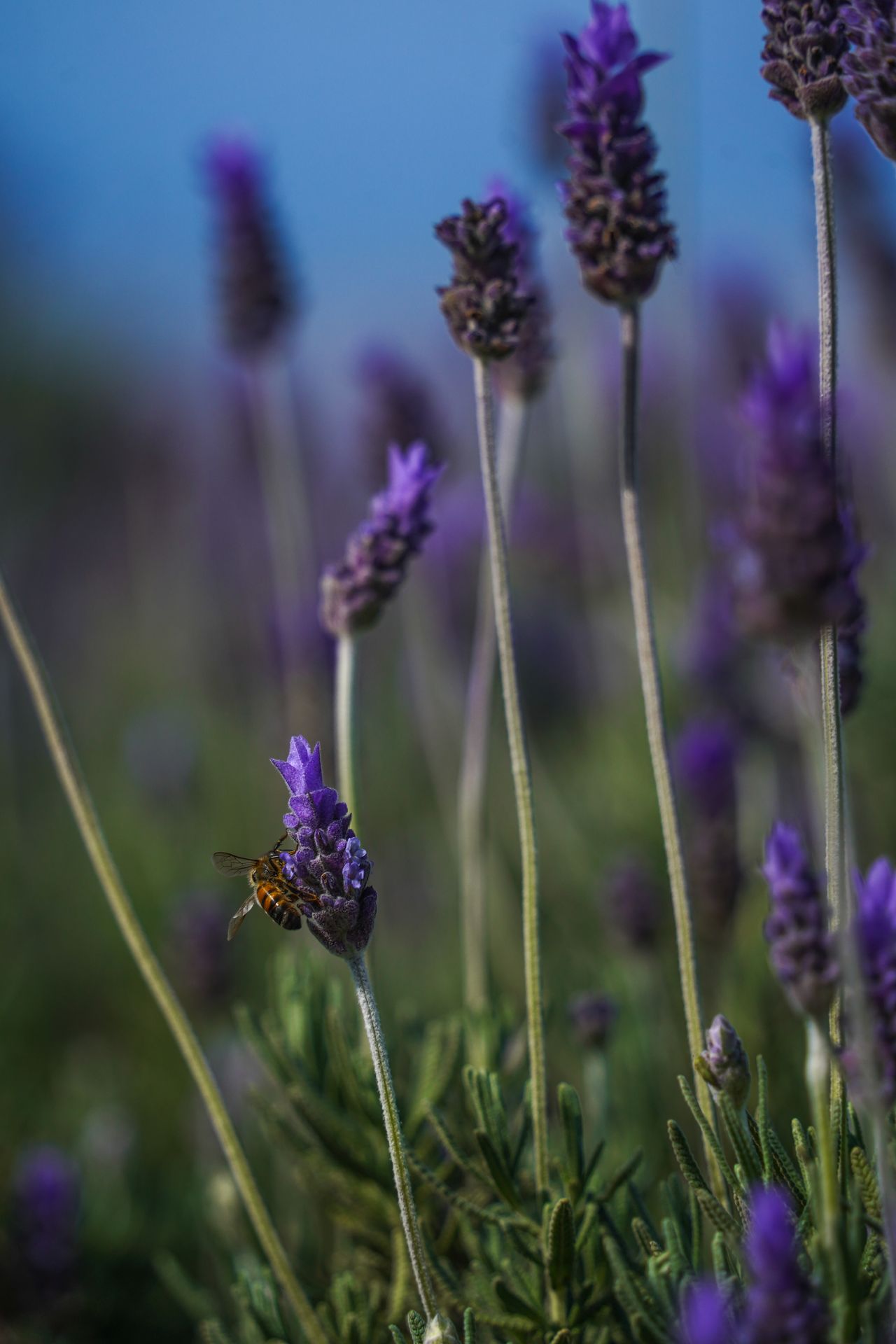
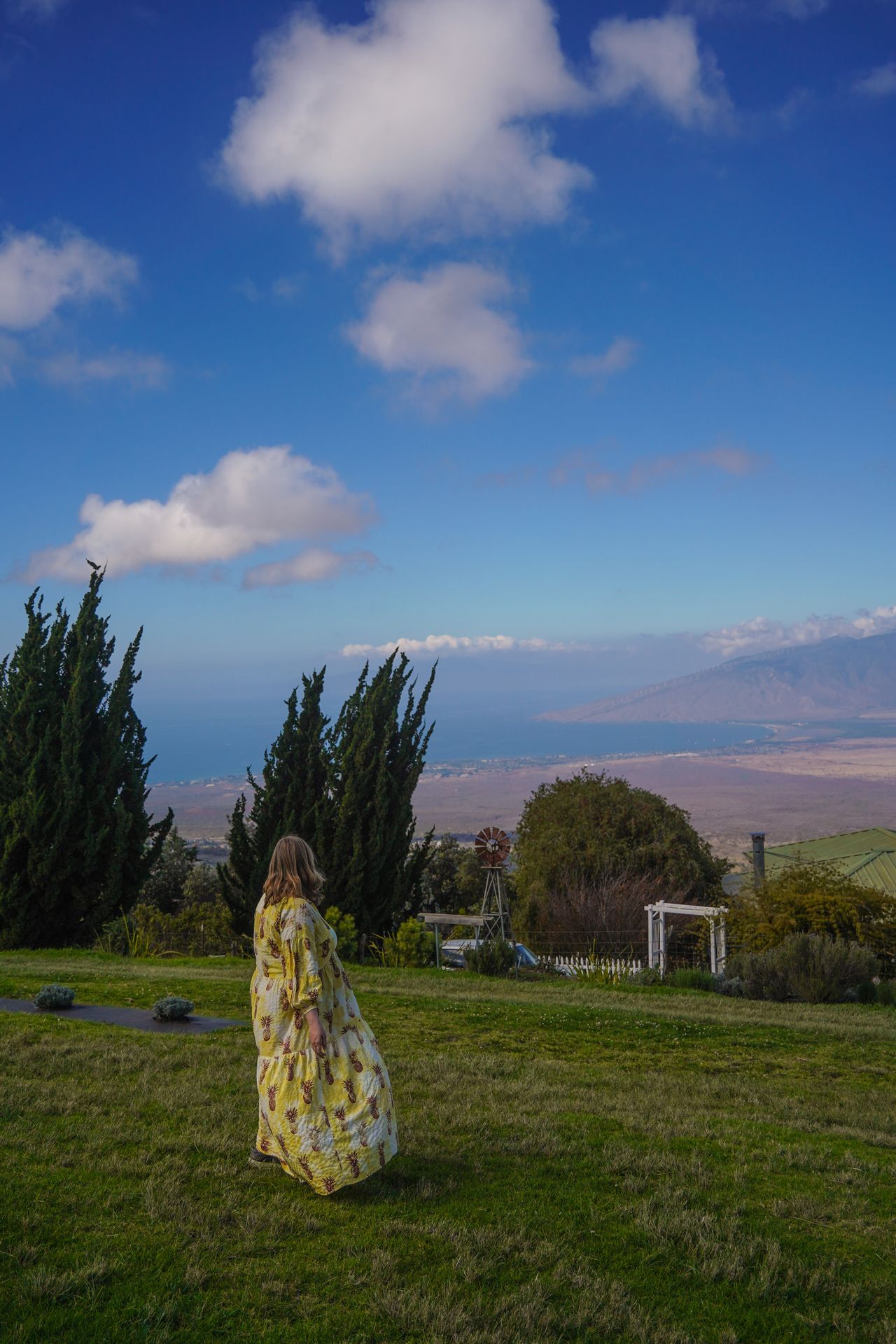
Along with exploring, stop by their cafe and shop for tons of items made with lavender, including soaps, jams, and essential oils. They’re famous for their lavender scones, and I enjoyed mine with lilikoi honey and a lavender lemonade.
It costs $5 per person to explore the grounds, and I certainly felt that it was worth a visit.
Sample Pineapple Wine at MauiWine
Visit the only winery in Maui - MauiWine! While you might not think of wineries when you think of Hawaii, they grow 6 different types of grapes here that thrive in fertile volcanic soil.
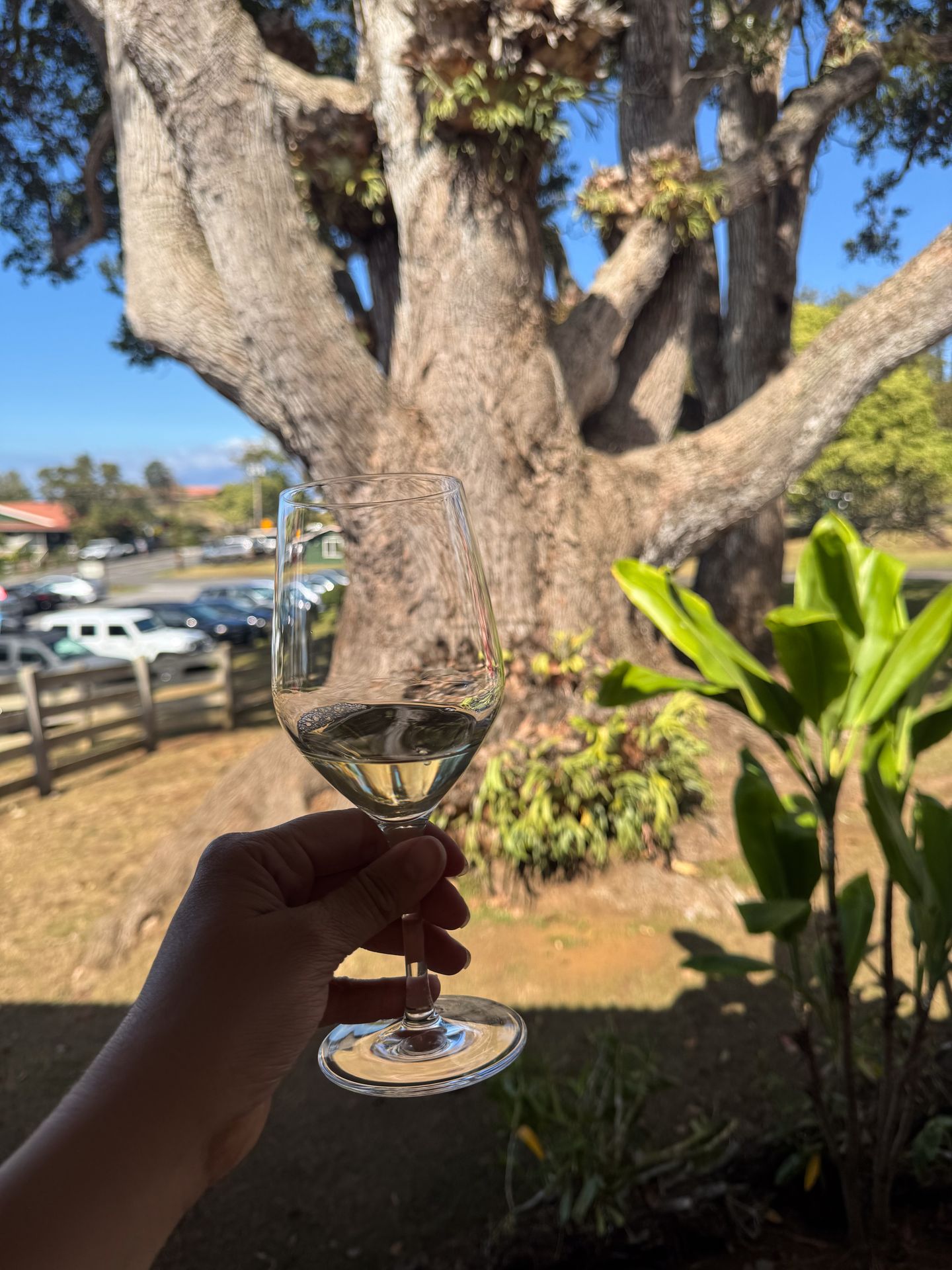
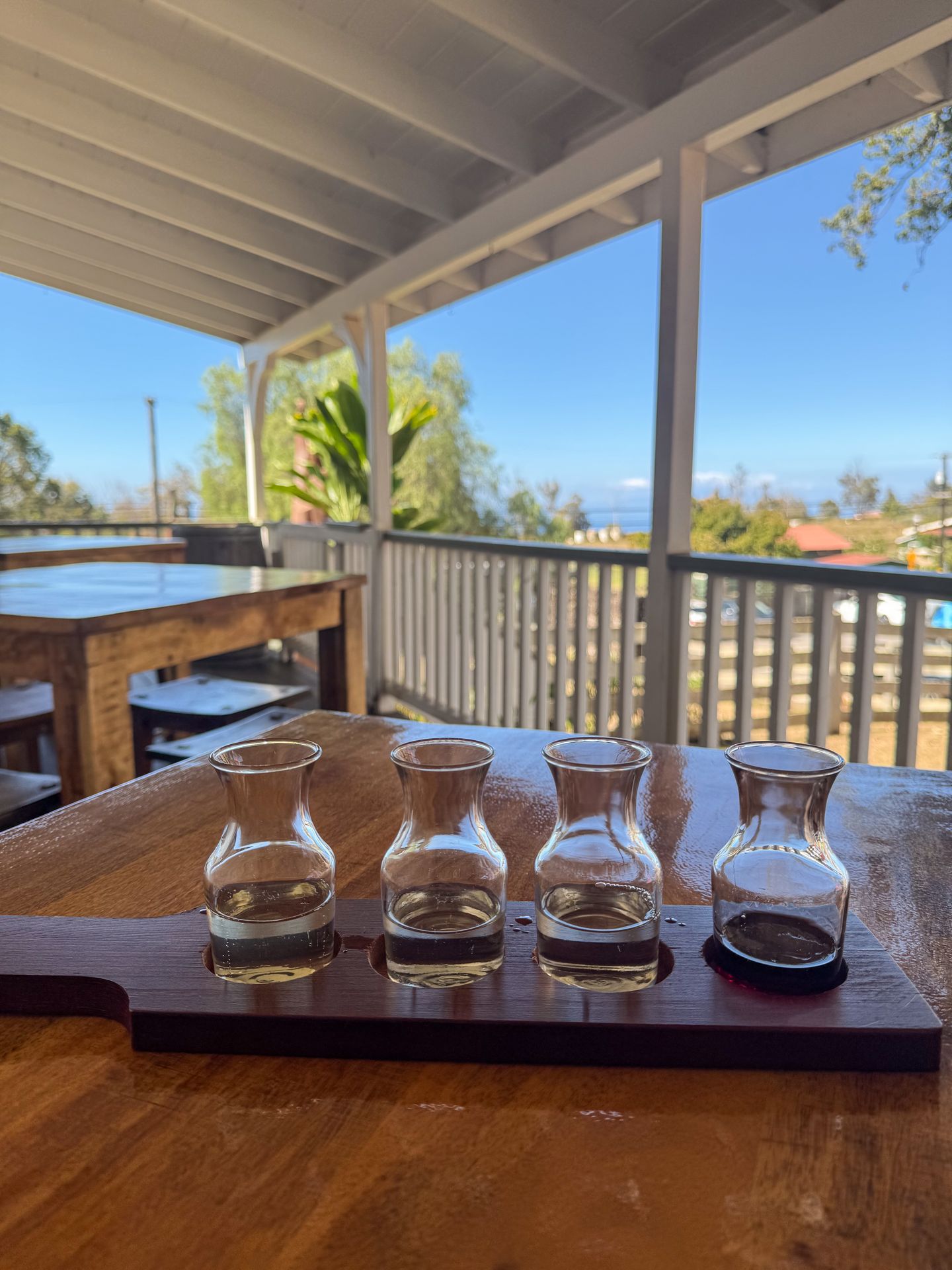
Pro Tip: Stop at the Ulupalakua Scenic Overlook on your way to MauiWine for epic views.
MauiWine has been in operation since 1974 and started by using Maui’s most abundant crop - the pineapple - to create a sparkling wine. Guests loved it then, and still love it now. Today, they have a few different varieties of pineapple wines, and you can sample them all in a flight.
As you meander up to the winery, be sure to gaze up at massive trees. The grounds are lovely. Reservations are typically needed to sit inside and have table service, but you can sit outside and order at the bar if you don’t have a reservation. Along with wine, they have light bites, such as cheeses and dips. They also offer historic walking tours a couple days a week.
If you enjoy wine and have time in your Maui itinerary, this makes a great addition to your trip!
Visit the Ocean Vodka Organic Farm and Distillery
If you prefer spirits over wine, you may want to make a stop at the Ocean Vodka Organic Farm and Distillery. Here you can enjoy a guided tasting, have a guided food and cocktail pairing experience, or have a meal at their Farm Cafe. It’s also an amazing place for sunset. I didn’t make it here, but would love to check it out next time.
Take a Tour of O'o Farm
O’o Farm is located very close to Ali'i Kula Lavender Farm and offers a unique experience. They not only grow coffee beans, but they have a focus on regenerative farming and grow vegetables, edible flowers and fruit.
O’o Farm offers a Seed to Cup Coffee and Brunch Tour, and a farm to table lunch tour. You’ll get to enjoy food made from ingredients harvested from their farm, and can even BYOB.
I really wanted to go here, but they only offer tours Monday-Friday, and that didn’t work with my schedule. It looks like an incredible experience!
Food and Drink in Makawao
Make sure to take a walk around downtown Makawao during your time in the Upcountry area. It has a thriving arts community, and was even named one of the top 25 arts destinations in the US.
There are some amazing bakeries, coffee shops and food stands in town and the surrounding area. Here is a list of places to check out:
- Sapori: A food truck specializing in ‘sushi cones.’ My vegetarian sushi cones were fresh, delicious and healthy!
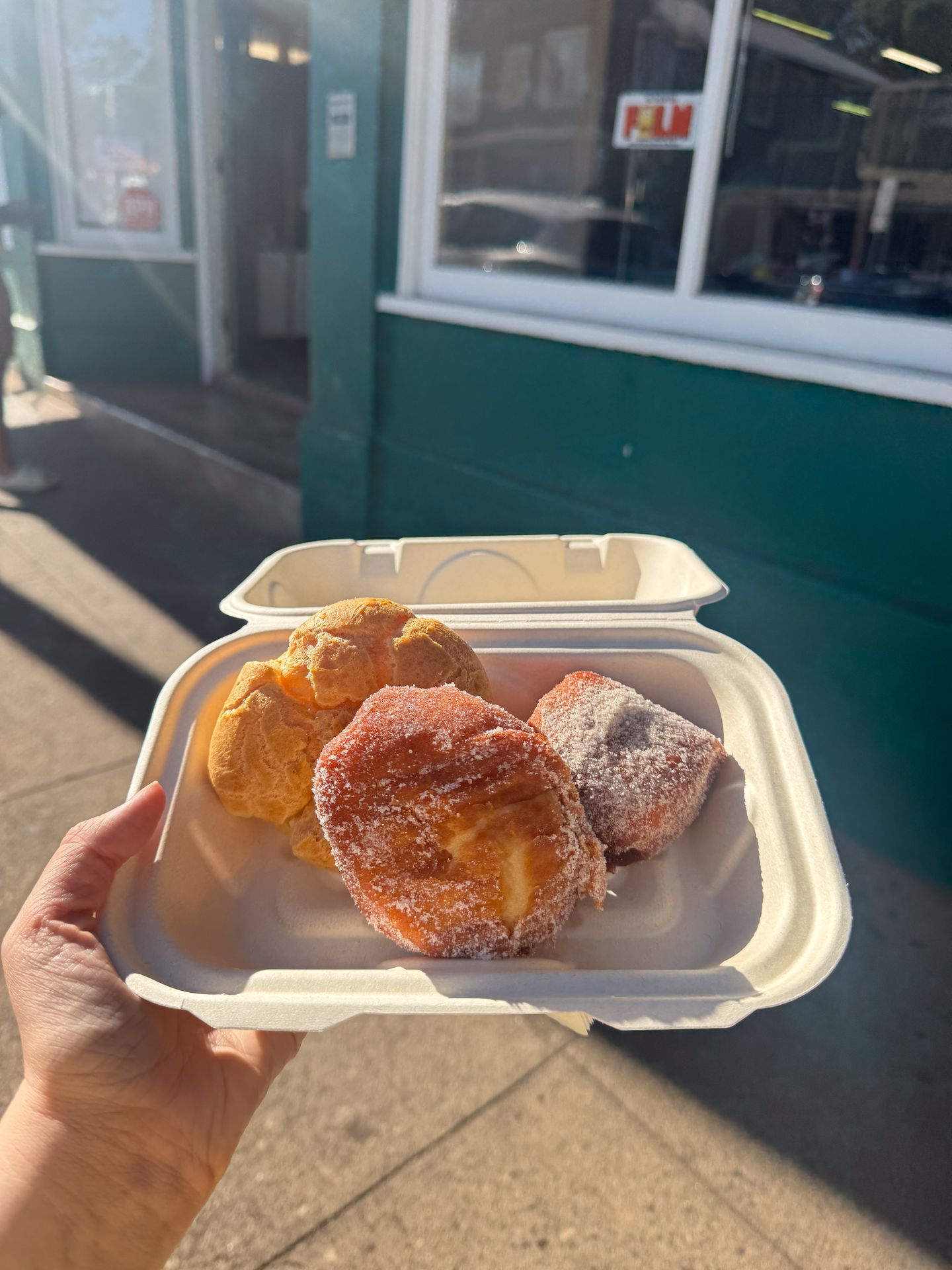
- Komoda Bakery: This famous spot has been in operation since 1916 and is famous for their cream puffs and malasadas. It has an unassuming interior that doubles as a general store. I highly recommend a cream puff!
- The Maui Cookie Lady: A cute spot with giant cookies, offering unique flavors like Kona Coffee Chocolate Velvet, Lilikoi White Chocolate, Maui Mango and more.
- Maui Pizza Truck: This food truck had great pizza, I loved the mushroom truffle pizza.
- Lāhainā Brewing Co: Upcountry Taproom: This brewery has a fun atmosphere, nice views and a good variety of brews. I loved their tropical sour.
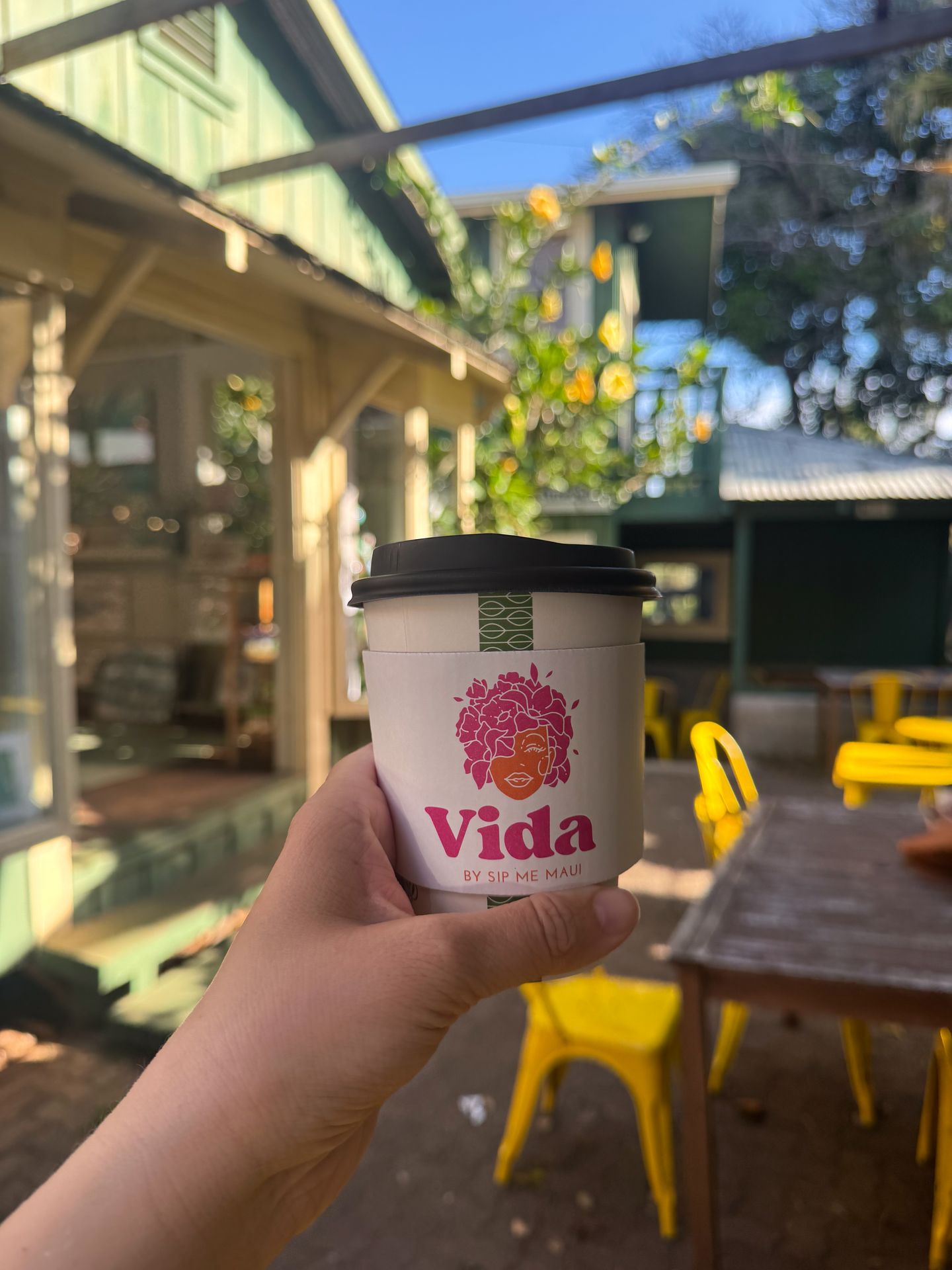
- Vida by Sip Me: This cute coffee shop is tucked away in an alley, and offers wonderful coffee, along with fresh pastries.
And if you’re visiting on a Saturday, stop by the Upcountry Farmer’s Market! They have an amazing selection of fresh produce, speciality food items, food to enjoy as you walk, and gifts. I saw hot sauce, fresh coconuts, mochi, essential oils, bouquets of flowers, empanadas, and more.
More Things To Do in Maui
-
Snorkel at Molokini Crater: This unique crater out in the ocean is one of the best places to snorkel in Maui! You’ll need to book a tour to get out to the crater, and it can be crowded.
-
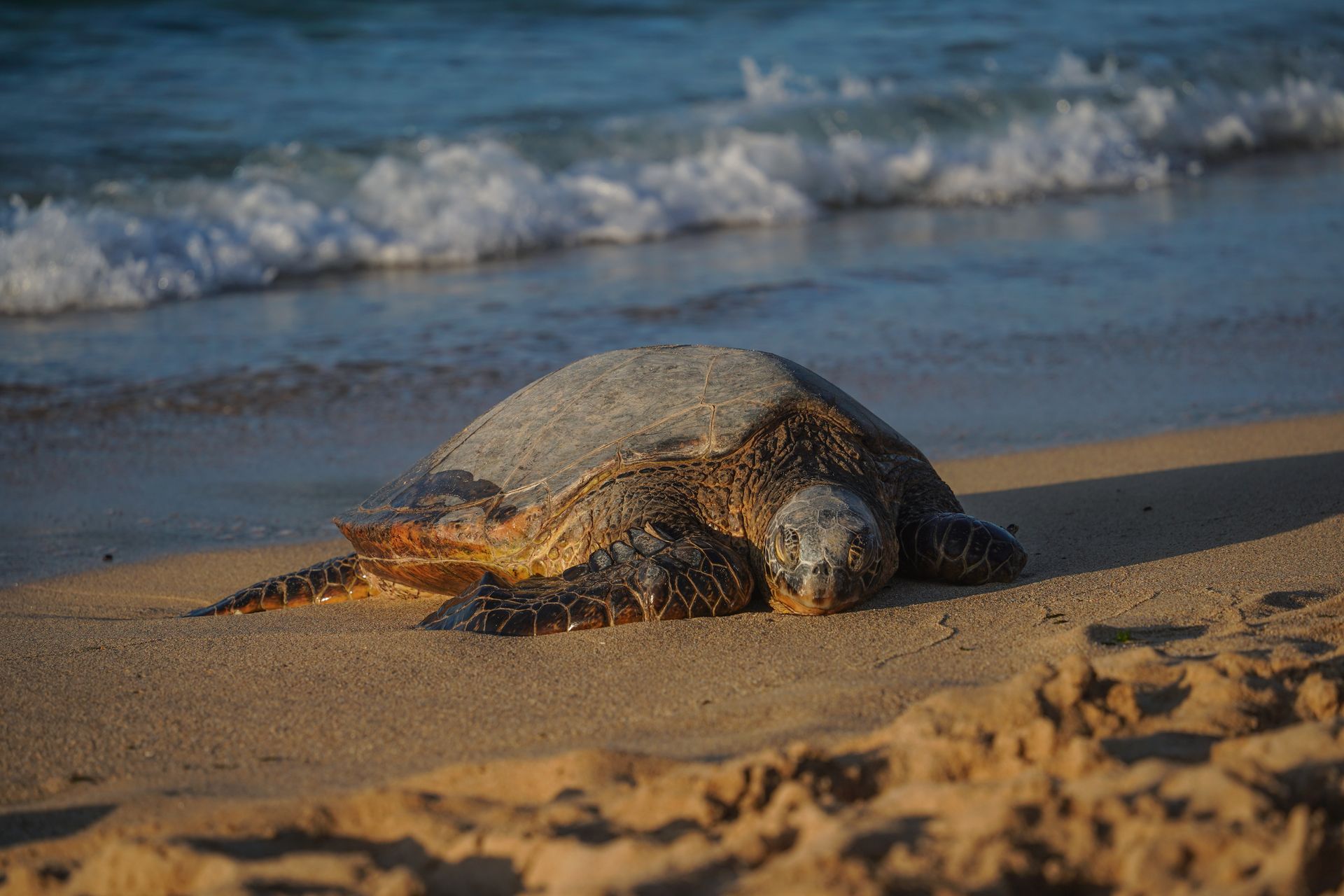
Look for sea turtles at Kaulahao Beach: I saw 20+ sea turtles chilling at this beach at sunset. It’s an incredible sight, but make sure to keep your distance. This is a good stop before or after driving the Road to Hana.
-
Take a day trip to Lanai: Lanai is a neighboring island that can be reached via a one hour ferry ride from Maui, and there are local shuttles that you can take when you arrive. This is high on my list for next time, and I especially want to visit the Lānaʻi Cat Sanctuary.
-
Explore the North Shore: The Maui North Shore has some beautiful stops, such as Nakalele Blowhole and the Olivine Pools. Some of this area is still rebuilding after the wildfires in 2023, so make sure to do some research ahead of time and visit with respect.
Final Thoughts
I hope this guide helps you plan a magical trip to Maui, and encourages you to explore beyond the resorts and beaches. From volcanic craters to massive waterfalls, Maui has an incredible mix of adventures, hikes and scenic views. Whether you’re planning a trip just for Maui, or spending time hopping between the Hawaiian Islands, I hope you enjoy the warmth, beauty and culture that make Hawaii so special.
For more Hawaii Travel Guides, check out these blogs:
- The Best Things To Do in Haleakala National Park
- The Best Things To Do in Hawaii Volcanoes National Park
- An Adventurous 4 Day Kauai Itinerary
Thanks for Reading!


Let's stay in touch!
Join the Lost with Lydia email list to get monthly travel guides and tips!