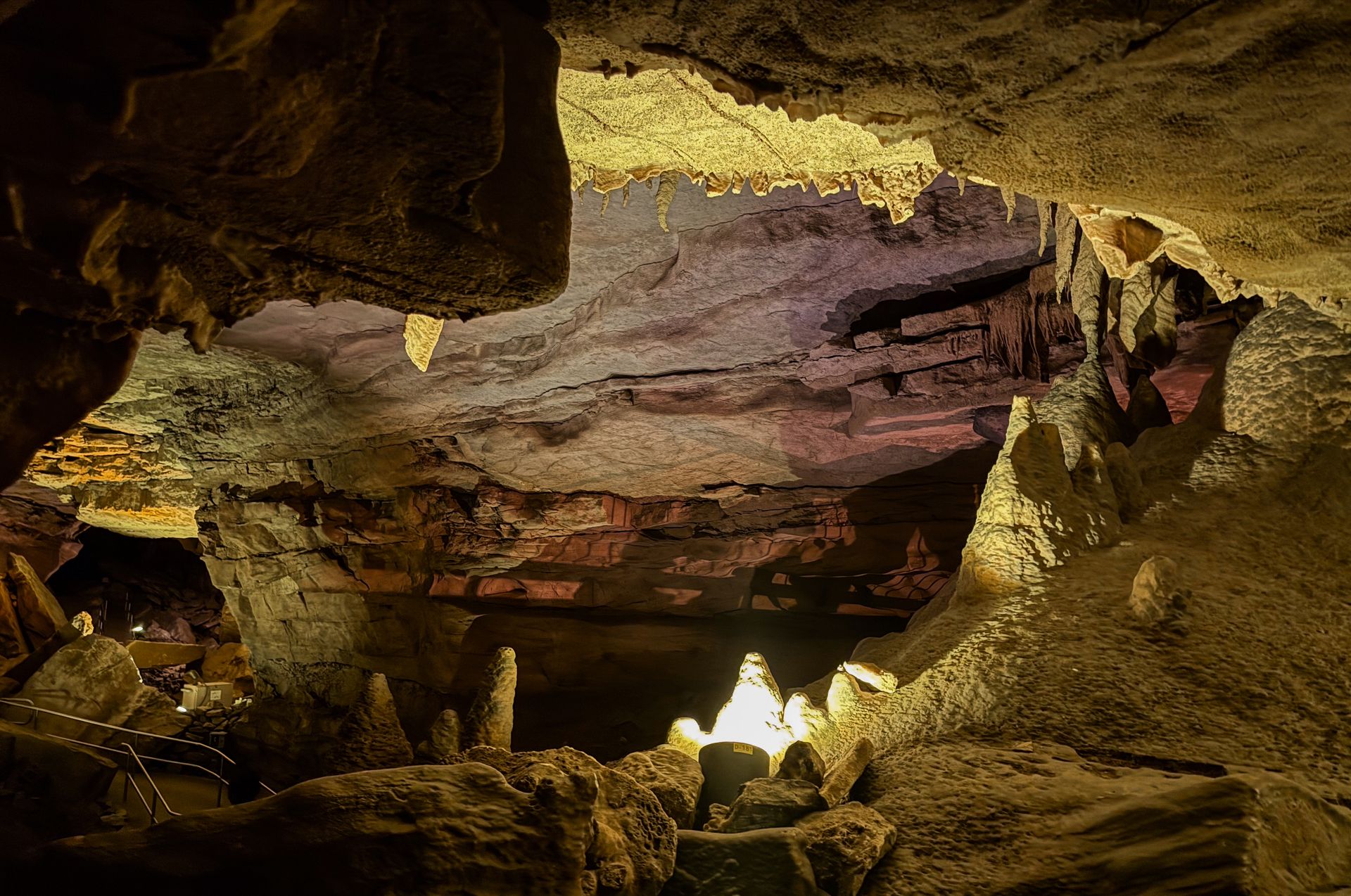
Explore the world’s longest cave system at Mammoth Cave National Park! This unique park not only protects a huge labyrinth of cave passages below the surface, but also preserves thousands of plant and tree species. The interaction between the surface and below the ground creates a unique balance, and makes this park also an International Biosphere Region.
The story of this cave system becoming a national park is very interesting. Starting in the 1920’s, various caves were discovered and made into tourist attractions. This period is known as the “Kentucky Cave Wars.” During this time, there were several rival caves in the area, and they often went to extreme measures to draw business to their cave, and away from the other caves.
There were aggressive roadside solicitors, fake police, sabotage of neighboring properties, and more. One of the biggest tragedies, and an event that got widespread media attention, was the death of Floyd Collins. Collins got stuck while exploring a cave for potential development. After several rescue attempts, he died of exposure after being trapped there for two weeks.
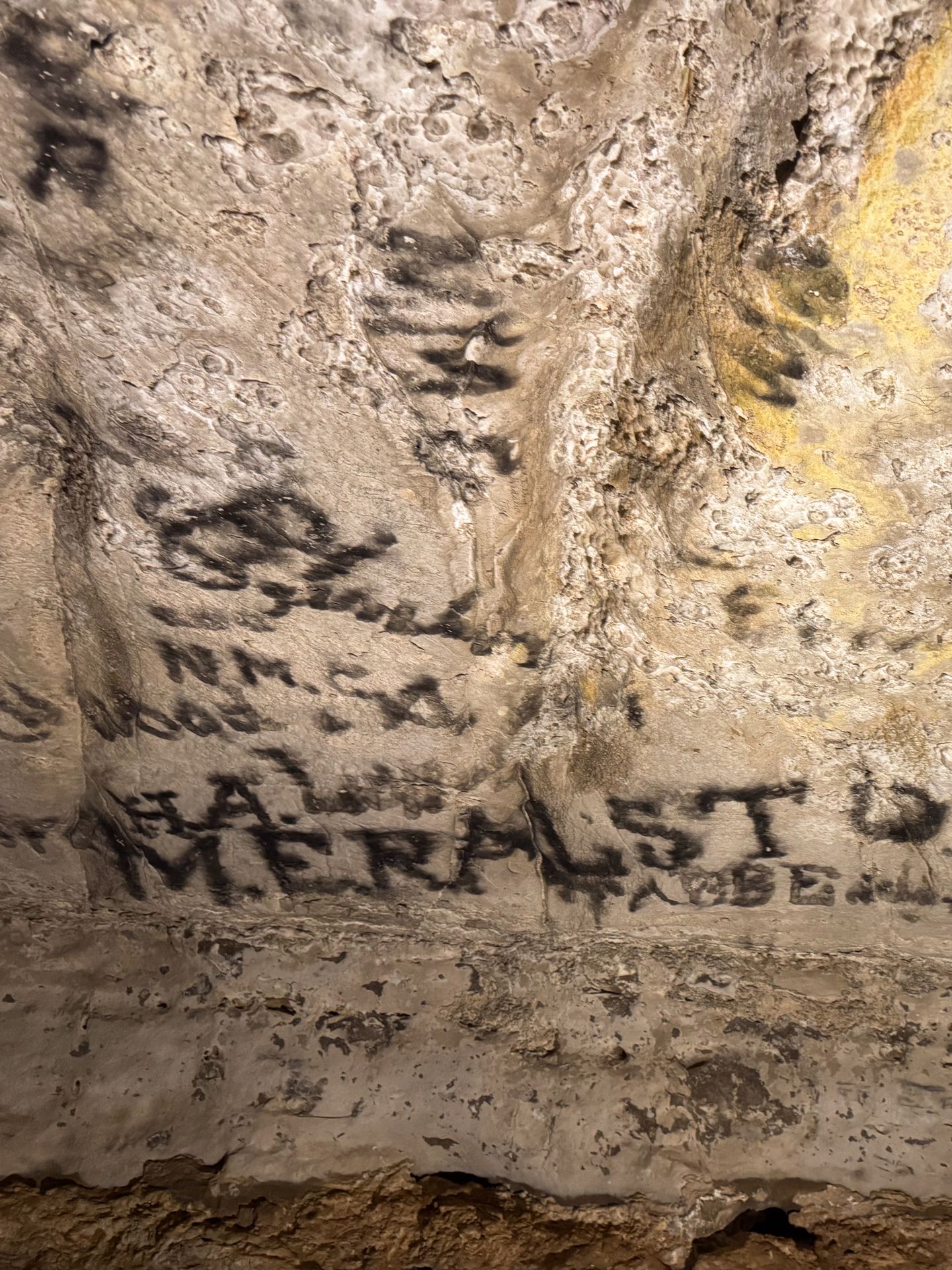
Mammoth Cave became a national park in 1941, but the cave wars continued for a couple more decades. Over time, nearby caves gradually closed, and those that remained looked for ways to cross-promote instead of fight. Today, a few other caves remain right outside of the national park. I haven’t been myself, but many say they are worth visiting alongside the national park.
Long before the Kentucky Cave Wars, Native Americans lived in this region for 1,000’s of years. Prehistoric people mined minerals from the cave, and ceremonies took place inside of the cave. Today, the park consults with seven contemporary Native American nations who have ties to this land.
When it comes to the best things to do in Mammoth Cave National Park, I recommend that everyone take a tour to see the cave for themselves. With over a dozen tour options, there is something for everyone. But with some extra time, it’s also worth exploring above the surface. This guide shares all about visiting Mammoth Cave, and is based on my experience visiting most recently in January 2026.
Things To Know Before Visiting Mammoth Cave National Park
- You’ll want to plan ahead to ensure you can go inside the cave during your visit. Tours should be reserved ahead of time on recreation.gov. Limited walk-up tickets may be available, but it’s not a guarantee, so you’re much better off reserving in advance. Tours can be reserved up to 6 months in advance, but sometimes the full schedule isn’t available until 3 months in advance. I recommend booking at least a few weeks in advance to ensure you can go on the tour that you’d like.
- White-nose syndrome, a fatal disease affecting bats, has been confirmed in Mammoth Cave. As a result, you’ll be required to walk on bio-security mats as you exit the cave. This also means that you shouldn’t wear anything that you wore on this tour in another cave.
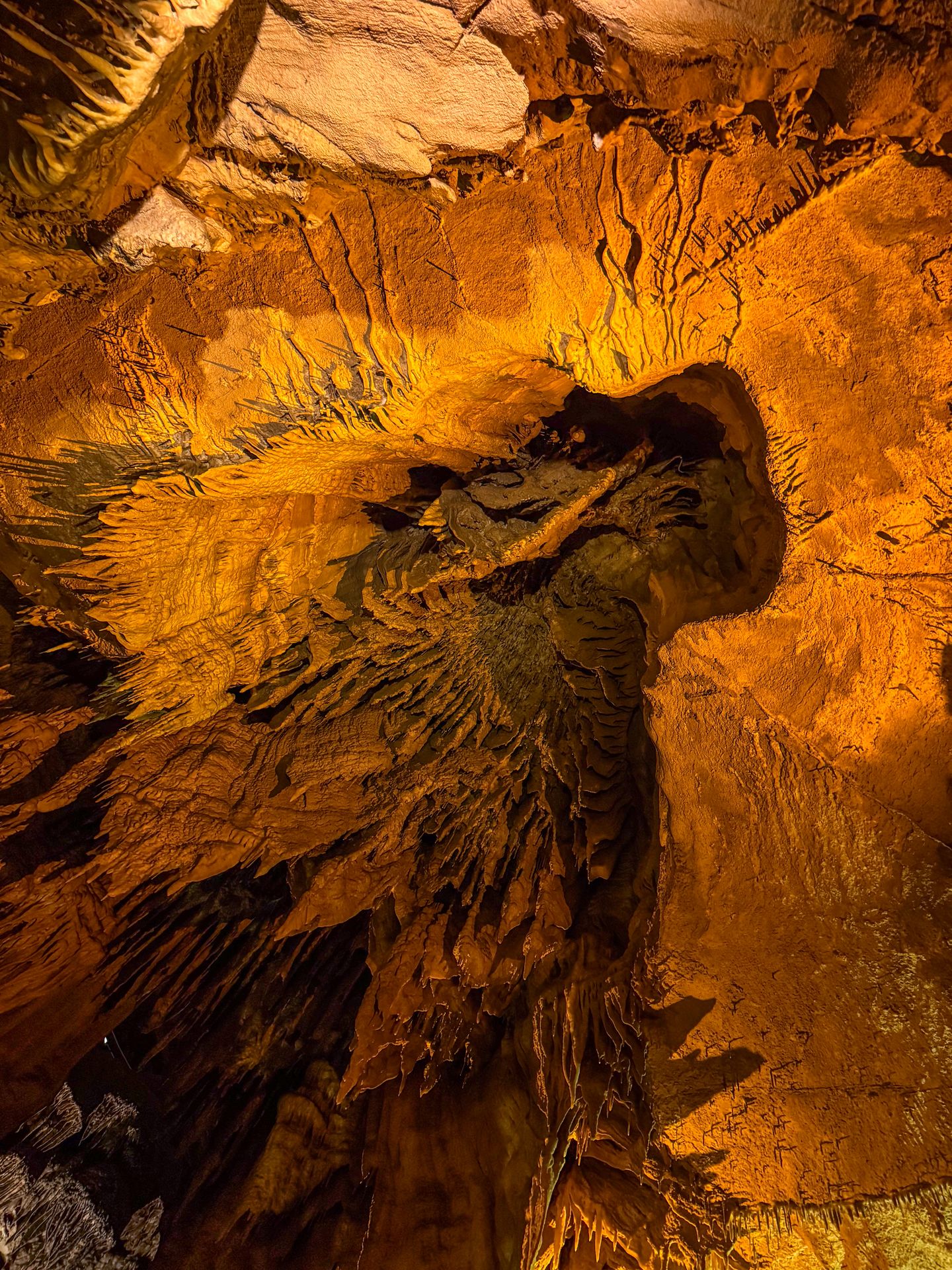
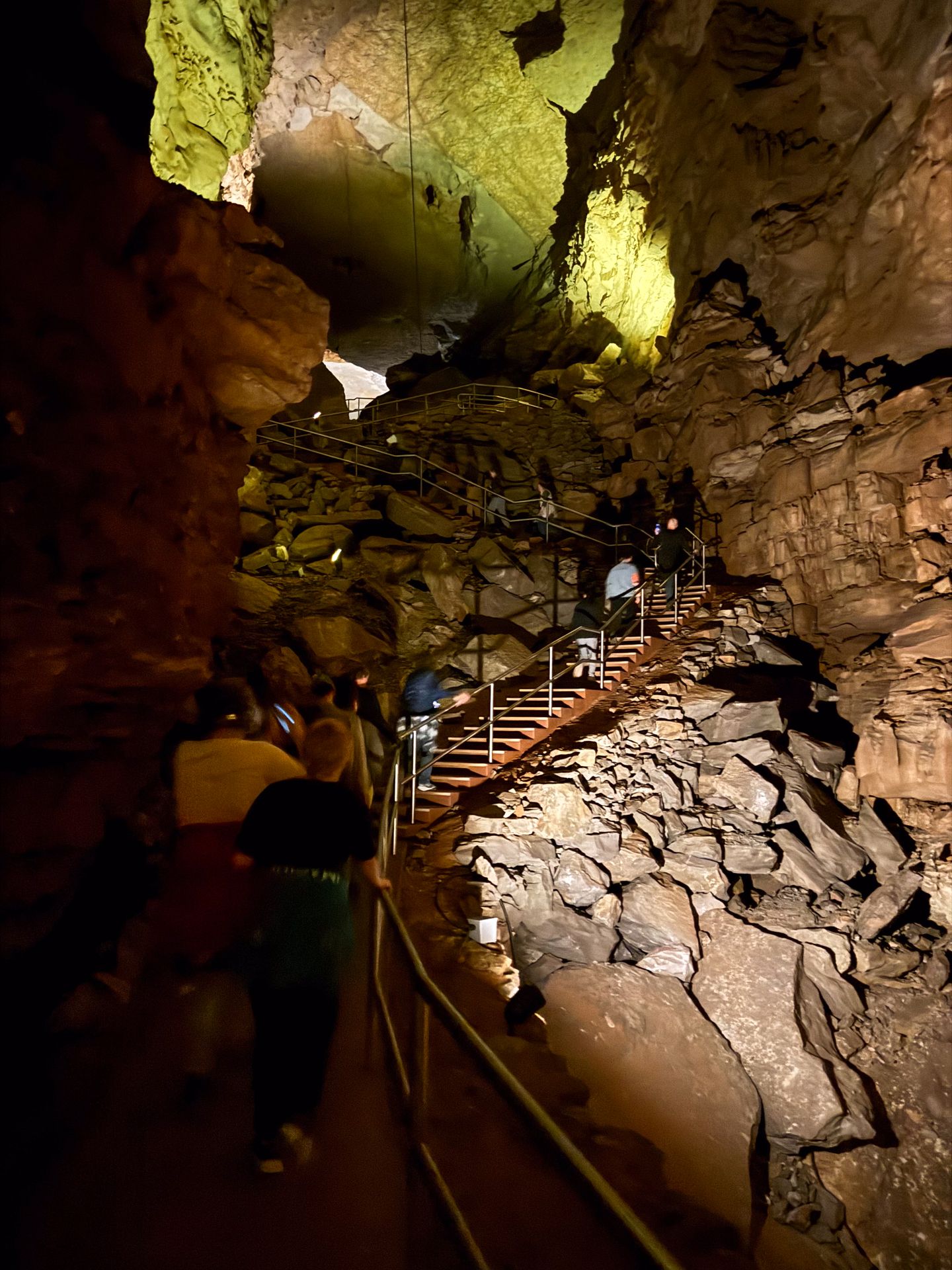
- Mammoth Cave is considered a dry cave, which means that there are not a ton of decorative cave formations. Instead, the cave is known for its large chambers made of sandstone caprock. The cave is still very interesting and does have classic cave formations that you can see on certain tours, but you’ll want to visit with the right expectations.
- This national park is free, but all of the cave tours cost money. Prices range from $12 for the self-guided tour to $79 for the all-day caving tour. Prices for the typical tours range from about $20 - $45 for adults.
- As with any national park, make sure to leave no trace. That includes packing out all trash, never feeding wildlife, and respecting those around you.
If you’re curious about other caves inside of US national parks, read about Wind Cave, Carlsbad Caverns, Lehman Caves, or Crystal Cave.
When to Visit Mammoth Cave National Park
There isn’t really a bad time to visit Mammoth Cave National Park. Caves tours are offered year round, and the cave stays at a consistent temperature year round.
The very best times to visit tend to be in the fall and spring, when you can enjoy mild weather and fewer crowds than summer. Summer is the busiest time of year, but it’s also when the most cave tours are offered.
Winter can be cold, but it’s a peaceful time in the park. Fewer tours are offered, but there are still multiple options to explore inside the cave. Personally, I visited in the winter and enjoyed it. While it was a bit cold and icy, I enjoyed having the hiking trails to myself, and I had a great experience.
How To Get To Mammoth Cave National Park
If you’re flying in to visit Mammoth Cave, the closest airport is in Louisville, KY (about an hour and a half away). It’s also not much further to fly into Nashville, TN, or Lexington, KY.
There is no public transportation to the park, so it’s ideal to have a car.
The Best Things To Do in Mammoth Cave National Park
Take a Tour of Mammoth Cave
Without a doubt, the best thing to do in Mammoth Cave National Park is to go inside the cave! You’ll want to make sure to make a reservation for your cave tour in advance. Reservations can be made on recreation.gov. Availability varies based on time of year and day, but tours often fill up a couple weeks in advance.
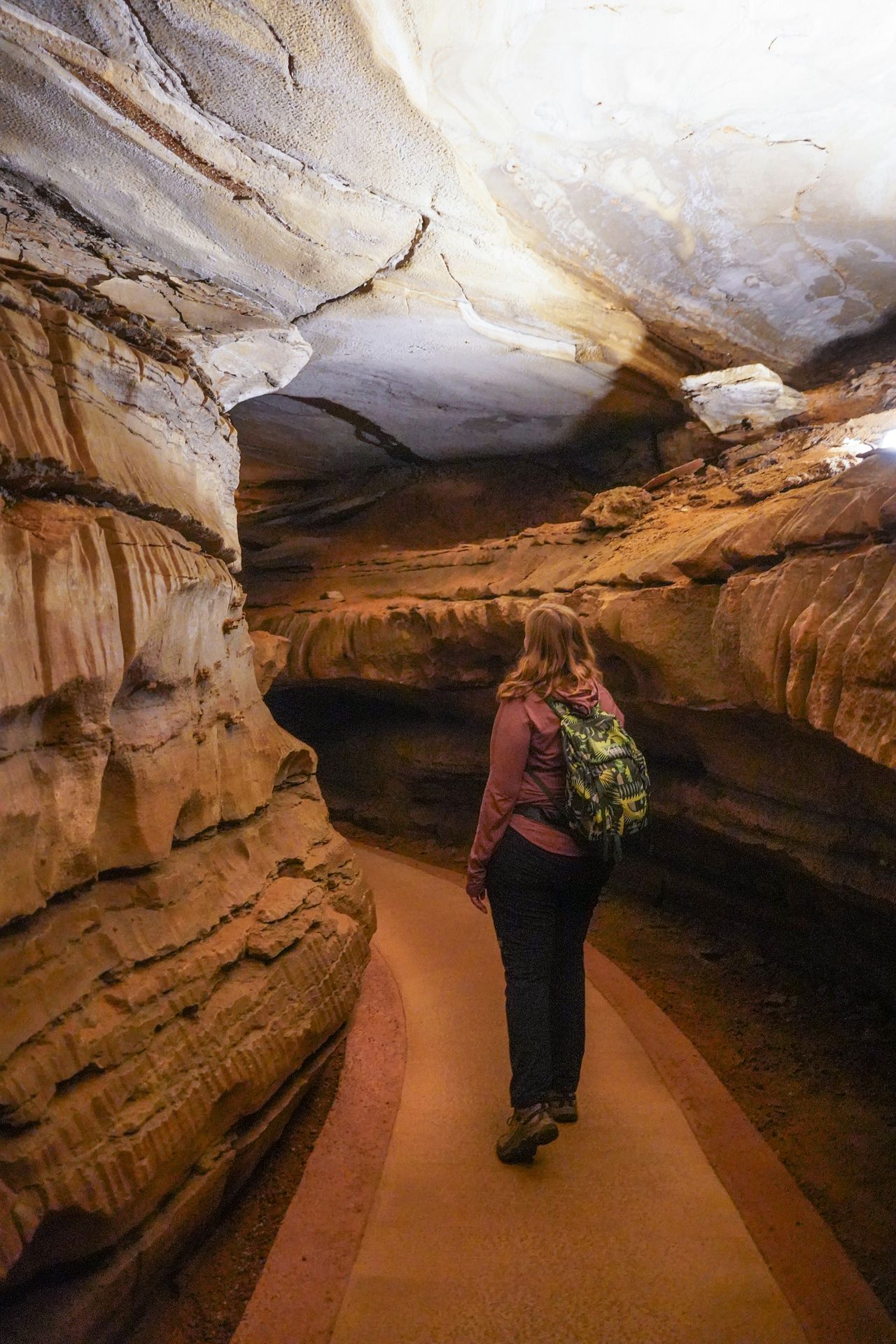
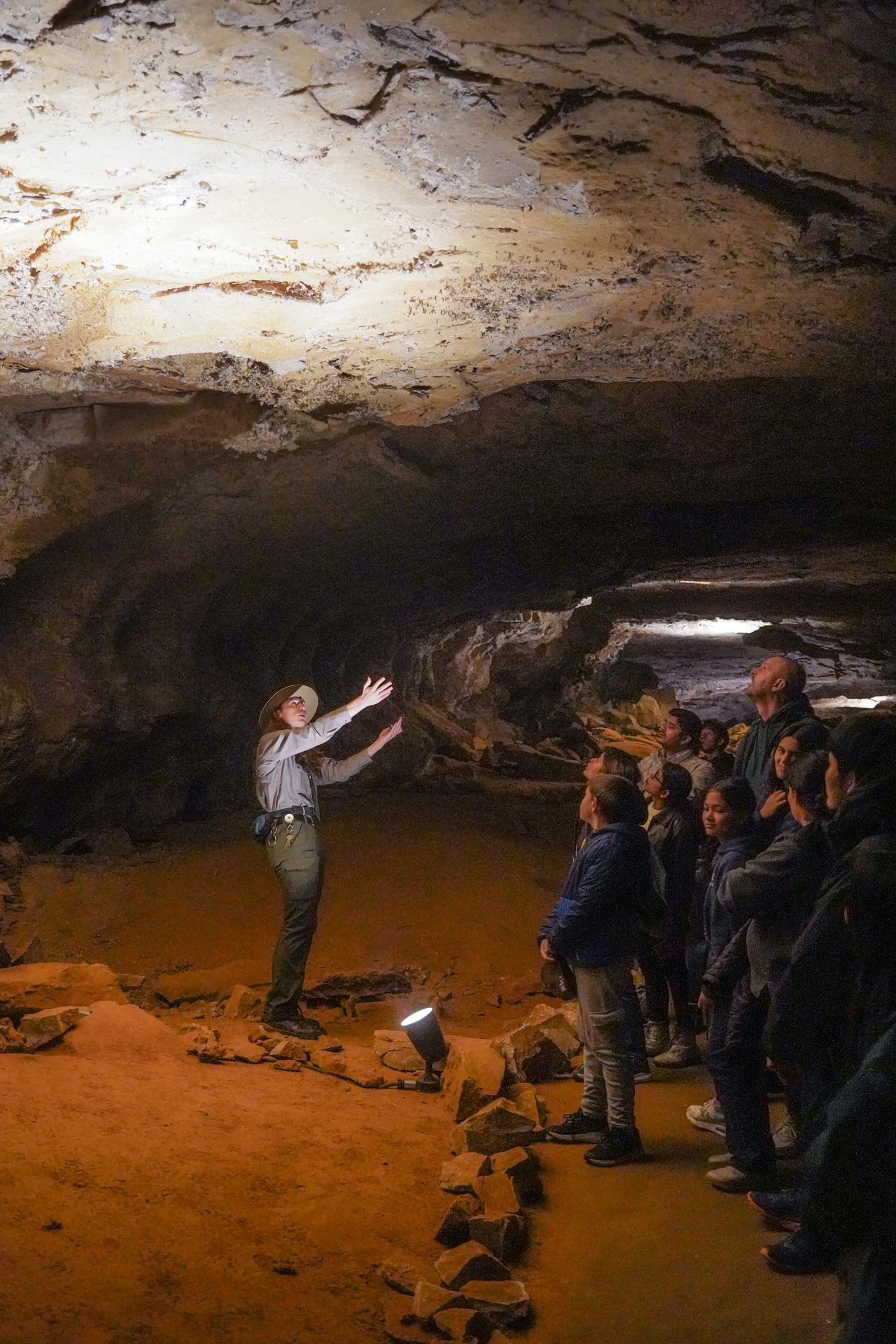
There are over a dozen cave tour options in Mammoth Cave National Park. Keep in mind that not all tours are offered year round, so your options will vary based on when you visit. There is an Accessible Tour, Wild Caving Tours, a Historic Tour, tours that focus on certain cave formations, and more.
Pro Tip: If you’re planning to do multiple tours (which you absolutely should if you’re really interested in the cave and have the time), read the descriptions carefully. Destinations on many of the tours overlap, but the park calls this out in the descriptions.
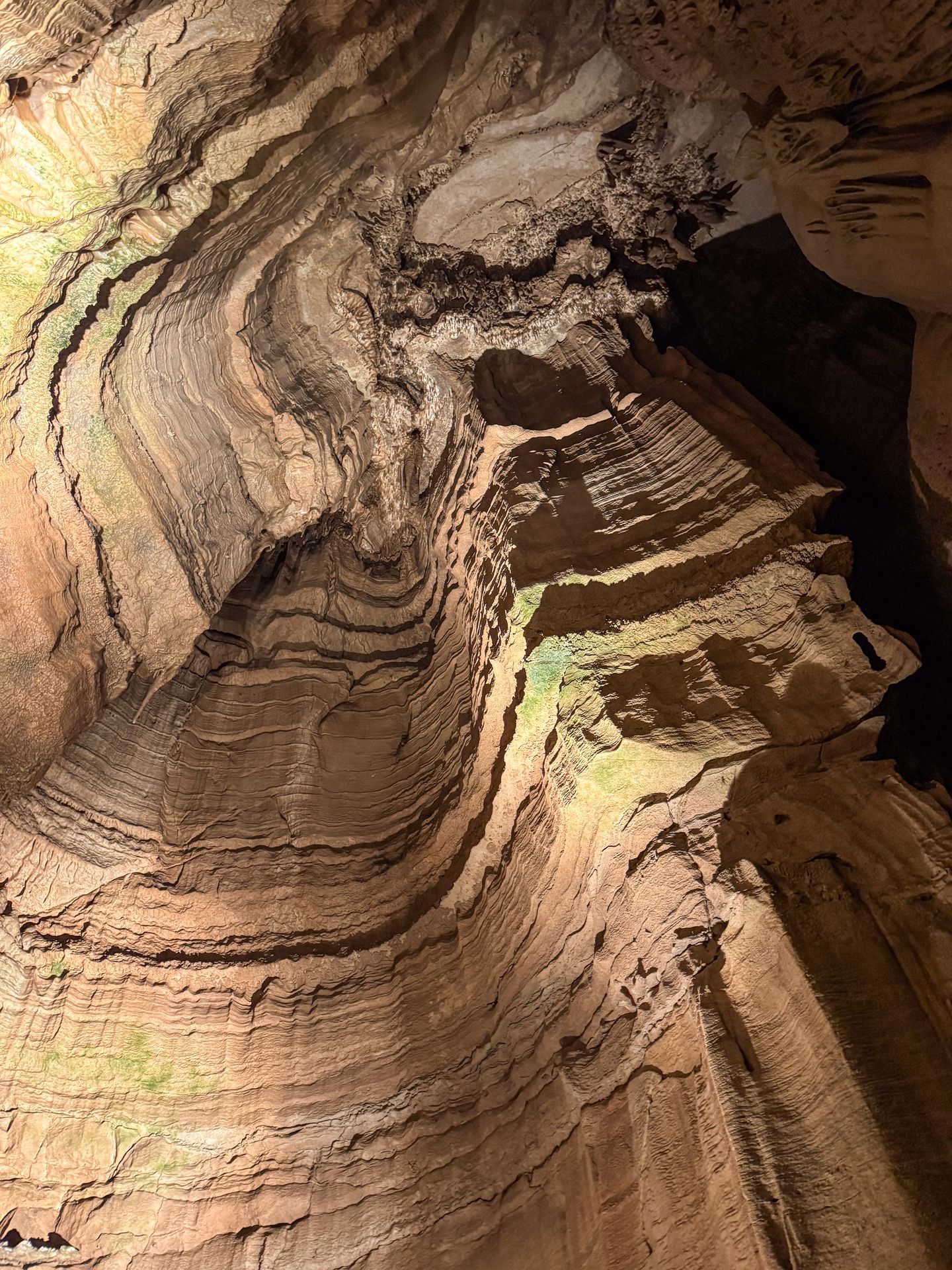
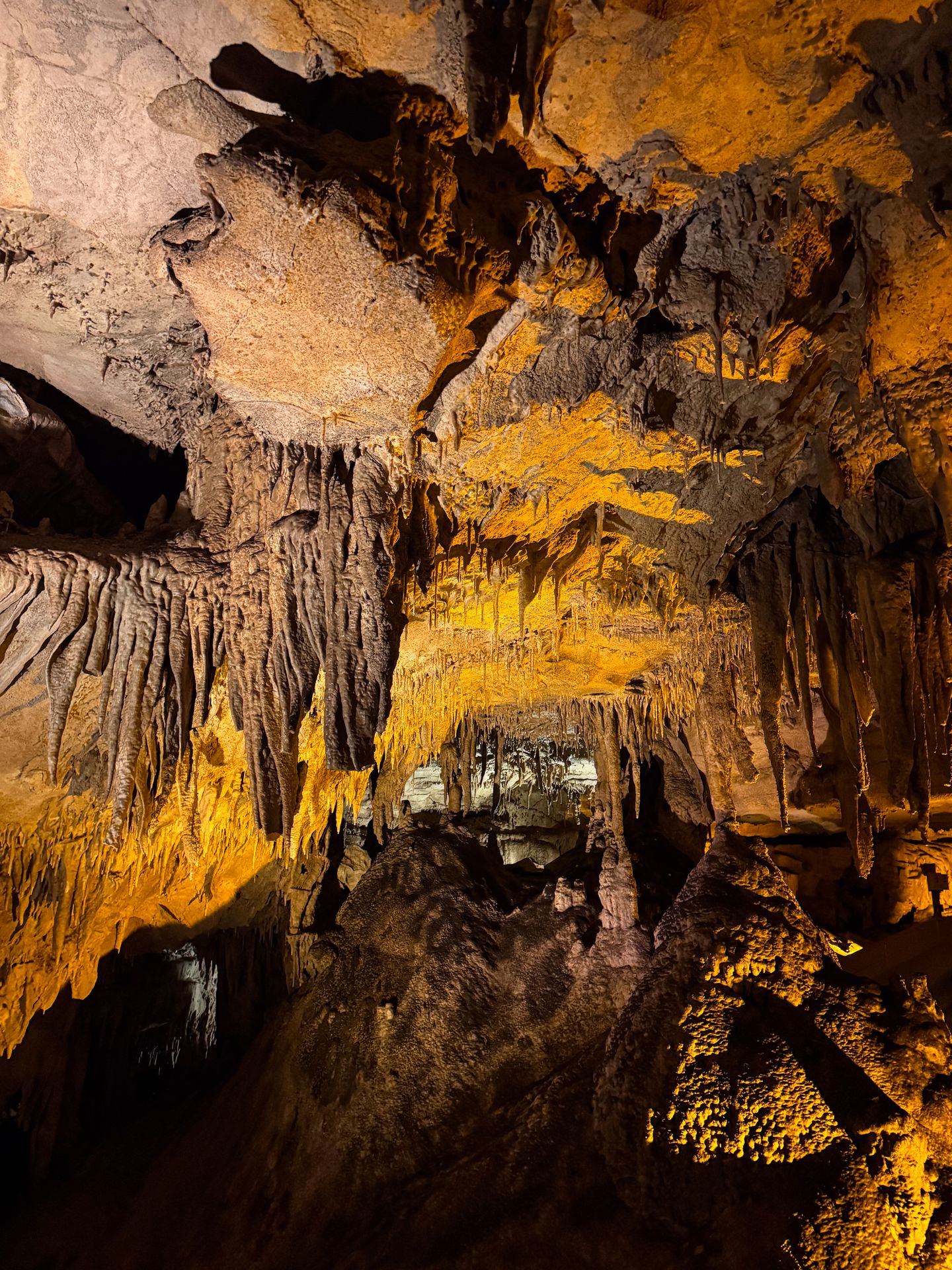
The most popular and classic tour is the Historic Tour. It includes lots of historic and important places inside of the cave, such as the natural historic entrance, flowstone formations, and much more. To see a little more, you can also take the extended historic tour, where you can see historic huts where tuberculosis patients were “treated.”
If you’re short on time, the self-guided Discovery Tour can be a good option. It’s a time when you can explore a bit of the cave at your own pace, and there are rangers stationed along the route. This tour is not always offered. It’s generally offered intermittently during the summer months.
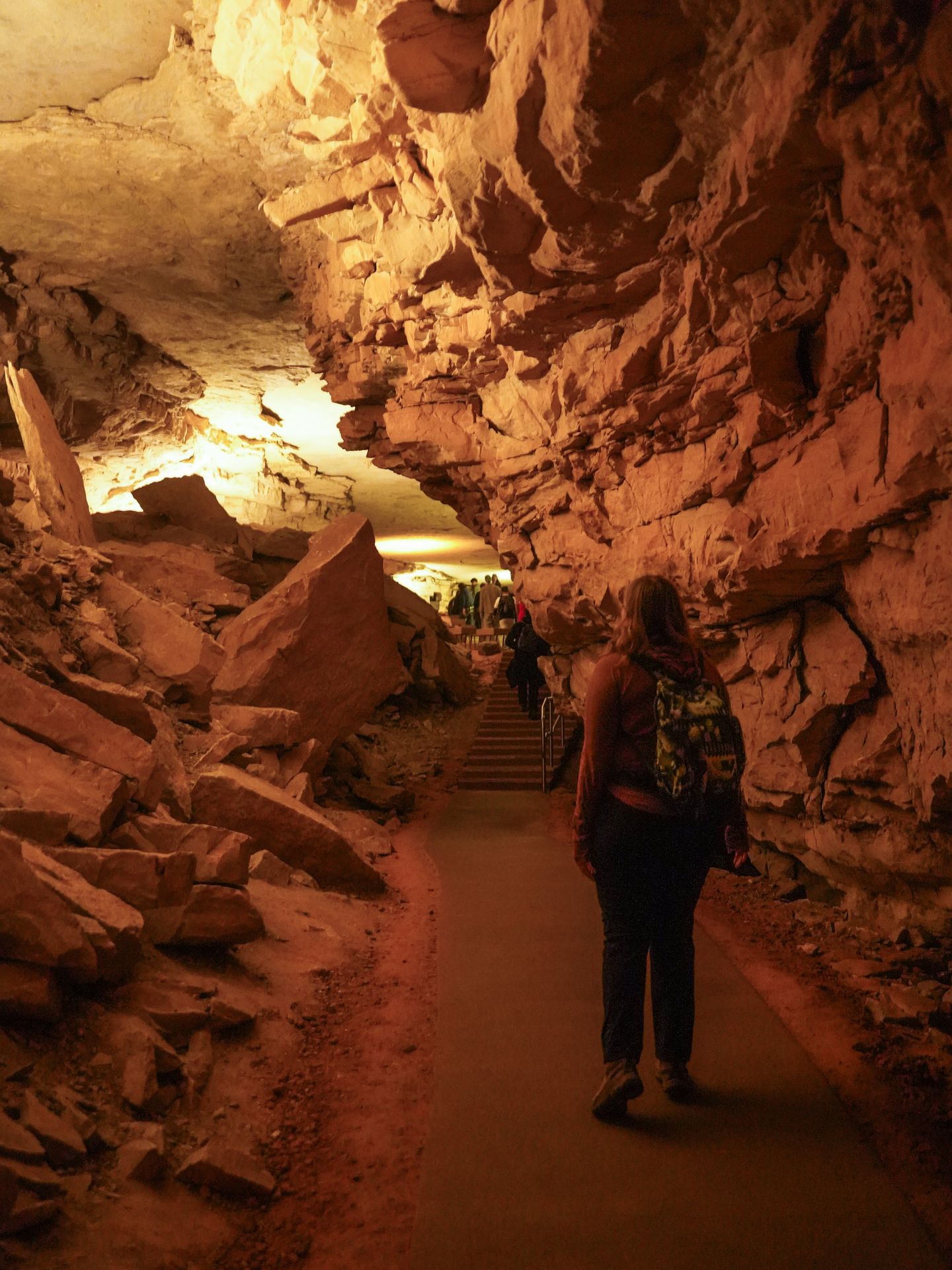
Personally, I opted to go on the Grand Avenue Tour, and I loved it. The tour is 4 hours long and strenuous, with over 1,500 stairs. I chose this tour because its long length means you get to see a lot of variety. Seeing this much of the cave allows you to see and understand the geologic diversity that Mammoth Cave has to offer. It also helps you appreciate just how large the cave is.
We started in passages that truly felt “mammoth” in size, and ended with pretty stalagmites and stalactites. Plus, we learned a lot about the history of the cave along the way. We also walked through large, tunnel-like passageways, through narrow slot canyons, and saw the picturesque cave formations that you would get to see on the Frozen Niagara Tour or the Domes and Dripstones Tour.
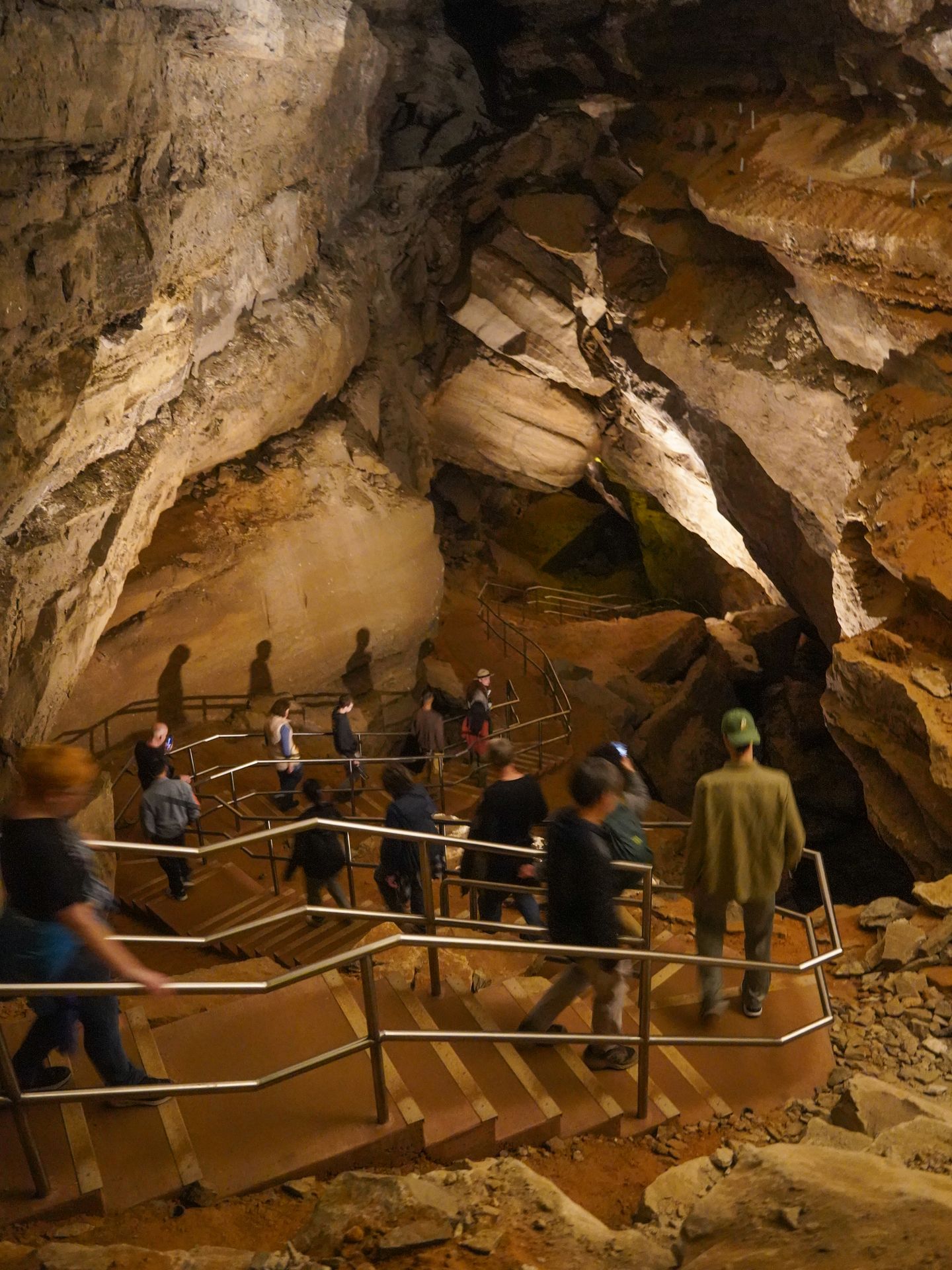
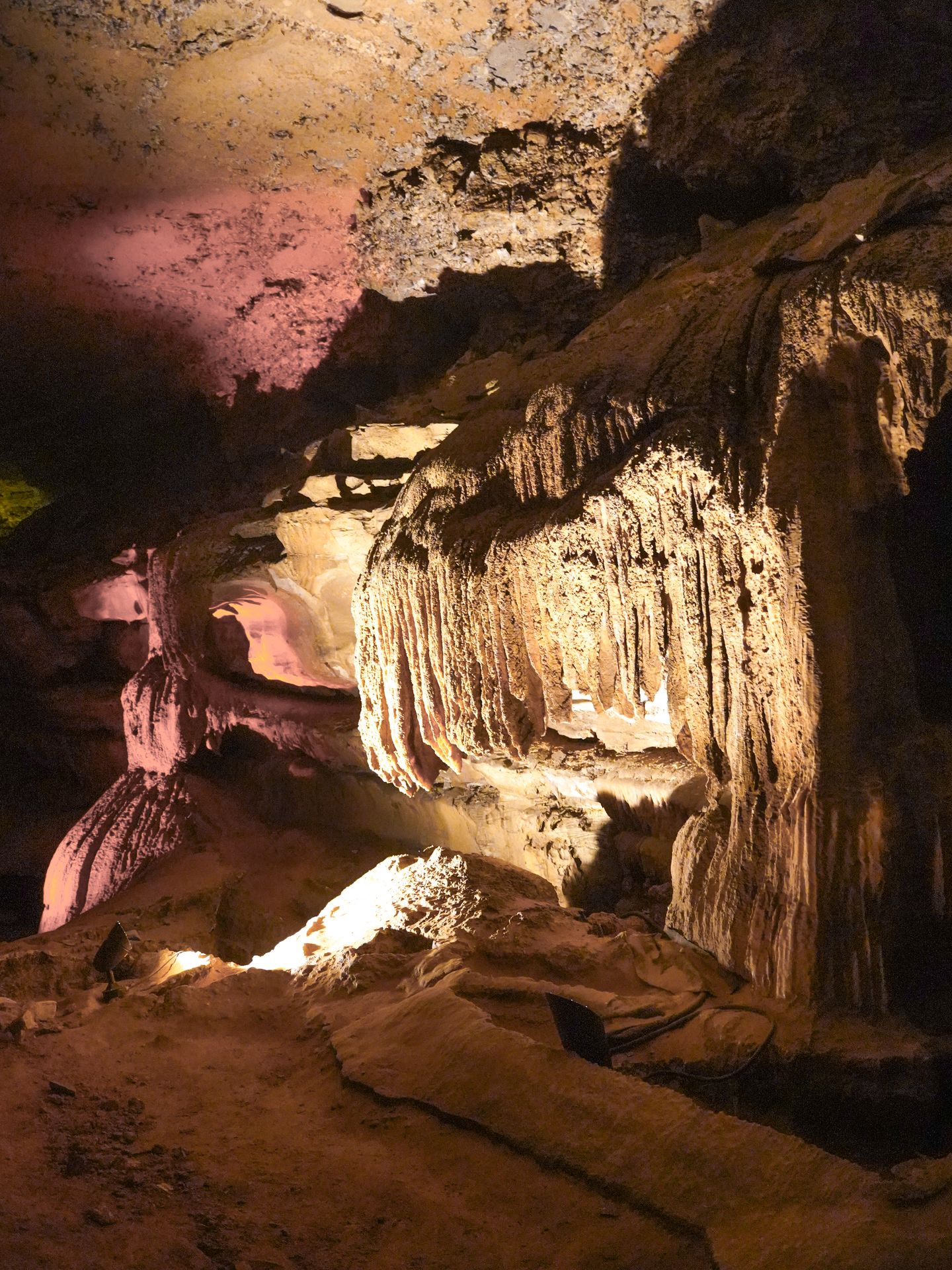
I think that the Grand Avenue Tour is an amazing option for anyone who wants to see a lof the cave. However, it’s strenuous with many steps. If you’re looking for something shorter, I think that the Domes and Dripstones or the Historic Tour are two great options, but you really can’t go wrong.
Pro Tip: Make sure to arrive 30 minutes before your tour time.
Go Hiking in Mammoth Cave
While the cave is the star, Mammoth Cave National Park also has over 80 miles of trails above the surface. The park is home to rivers, sinkholes, additional caves, cemeteries, rocky bluffs, and more.
There are several trails that leave from the Visitor Center, making it super convenient to hop on a trail before or after a cave tour.
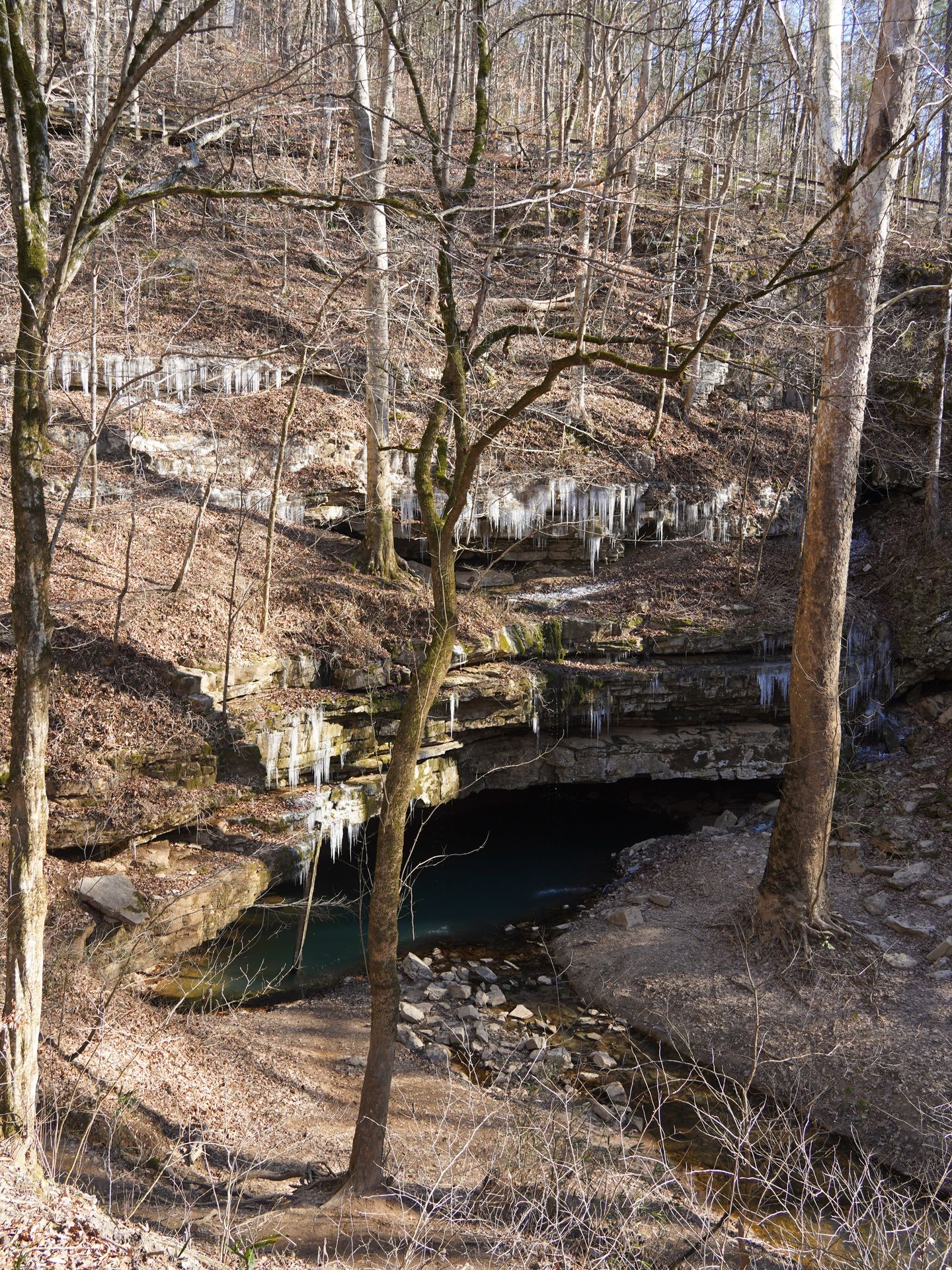
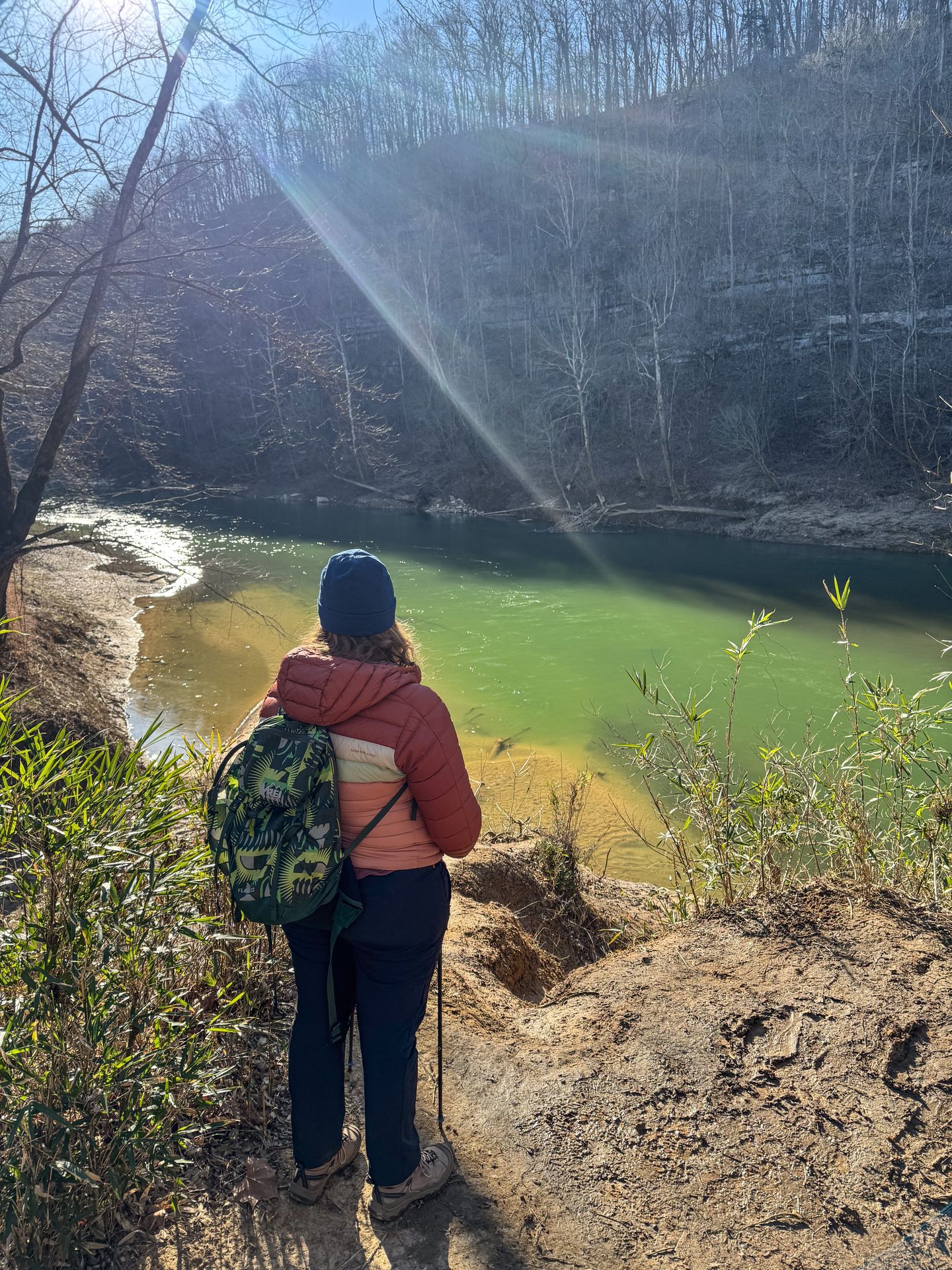
I enjoyed a 1.7-mile loop that included Dixon Cave, the Green River Bluffs and the River Styx Spring. Dixon Cave is neat to see. You can admire the entrance of a cave that used to connect to Mammoth Cave, but the passage has collapsed. I was also impressed by the vibrant green color of Green River, and enjoyed bluffs with various views along the way.
Plus, this trail passed the natural cave entrance of Mammoth Cave, which I didn’t get to enter on my tour.
There are several other trails that leave from the visitor center and intertwine, so you can extend your time hiking around this area too.
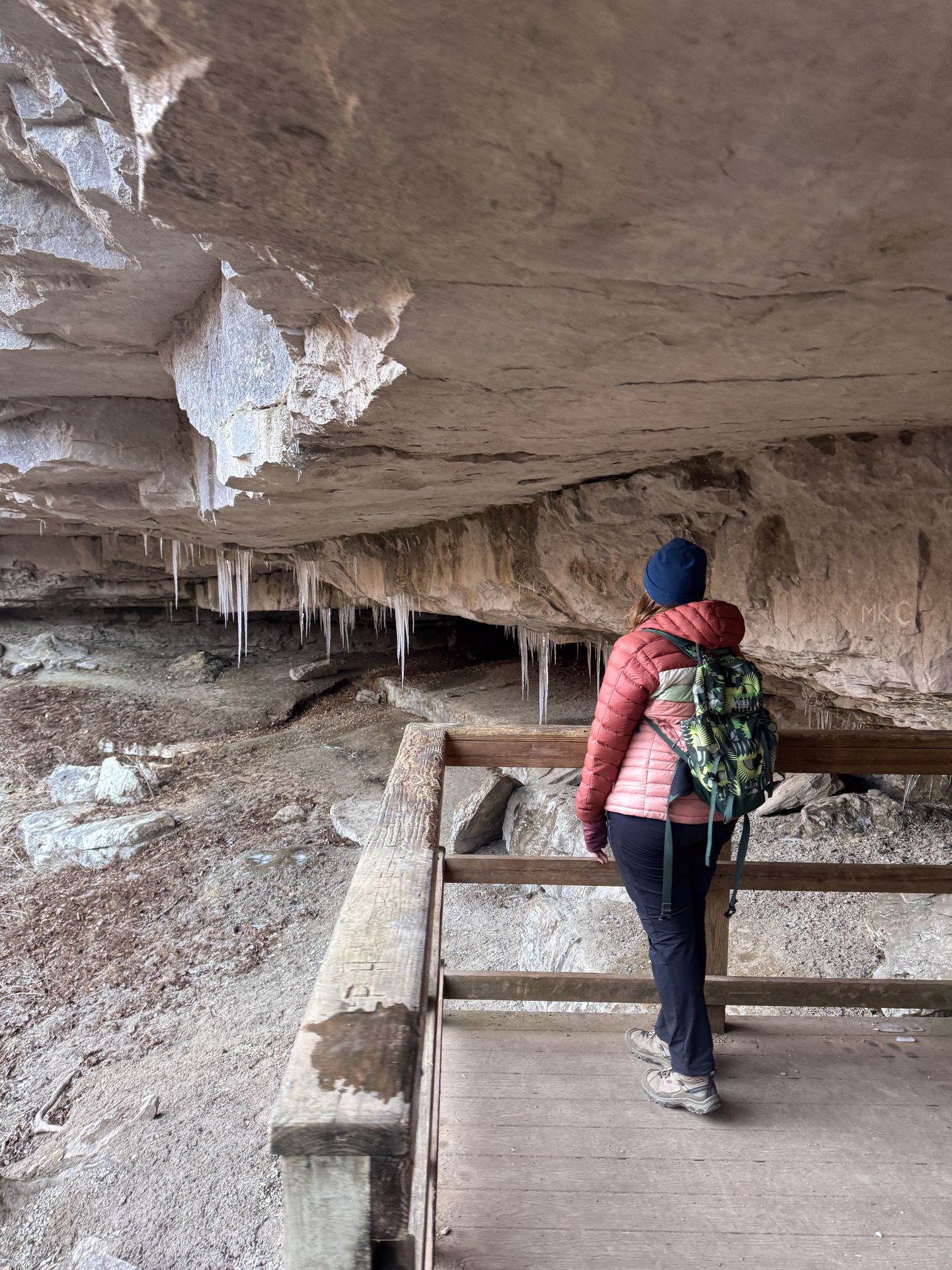
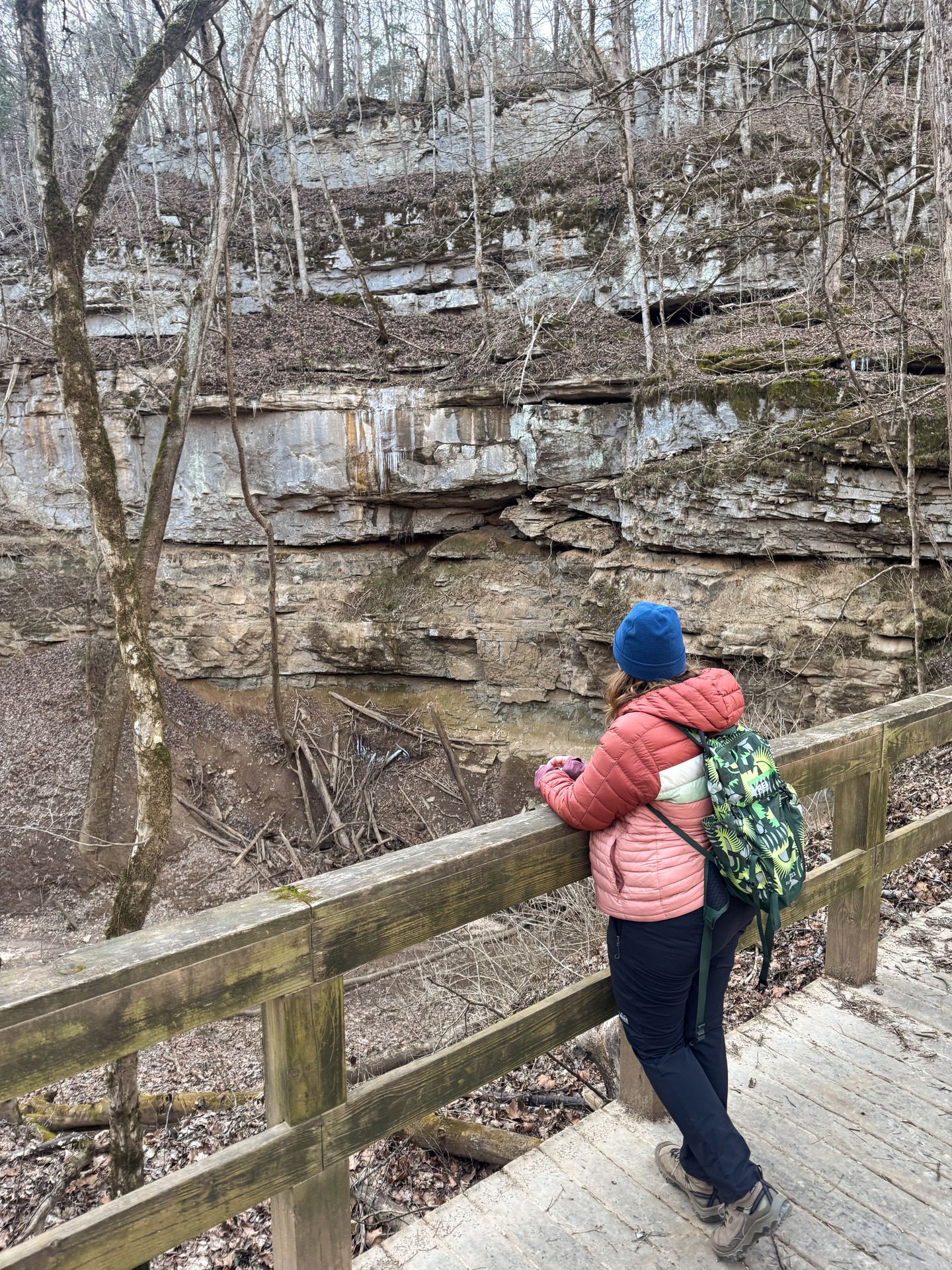
Another easy trail that I enjoyed was the Cedar Sink Trail. This one doesn’t leave from the visitor center, but it’s a short drive away. This also means that it will probably be less crowded (there wasn’t another soul on the trail during our winter visit).
Cedar Sink starts with an easy forested walk, and soon you’ll come across a 300-foot deep sinkhole. It was dry when I visited, but there is often water that drains from the sink into an underground river. Part of the trail takes you beneath the rocky overhang, which is beautiful too. Overall, this trail offers amazing views in under 2 miles.
Other great trails in Mammoth Cave include the Sand Cave Trail, the Echo River Springs Trail or the 9-mile Rail Trail that is great for biking. Whether you want to hike deeper into the backcountry or enjoy something quick, there is a great variety of hiking here.
Enjoy Kayaking or Canoeing in Mammoth Cave
With 30 miles of the Green and Nolin Rivers traveling through the national park, you have an opportunity for fishing, canoeing or kayaking. In fact, these rivers are part of the first National Water Trail in Kentucky. You can even camp along the river in certain areas.
For kayak and canoe rentals, check out Green River Canoeing or Adventures of Mammoth Cave. This is something I’d love to do in the future!
Don’t Miss the Visitor Center
As with any national park, make sure to allow some time to explore the visitor center. This is where you’ll go anyway to start your cave tour, but it’s worth exploring the museum. The museum talks all about the geology and history of the cave. Mammoth Cave has such a storied history. From tuberculosis to mining bat guano, you’ll probably learn something that wasn’t covered on your cave tour.
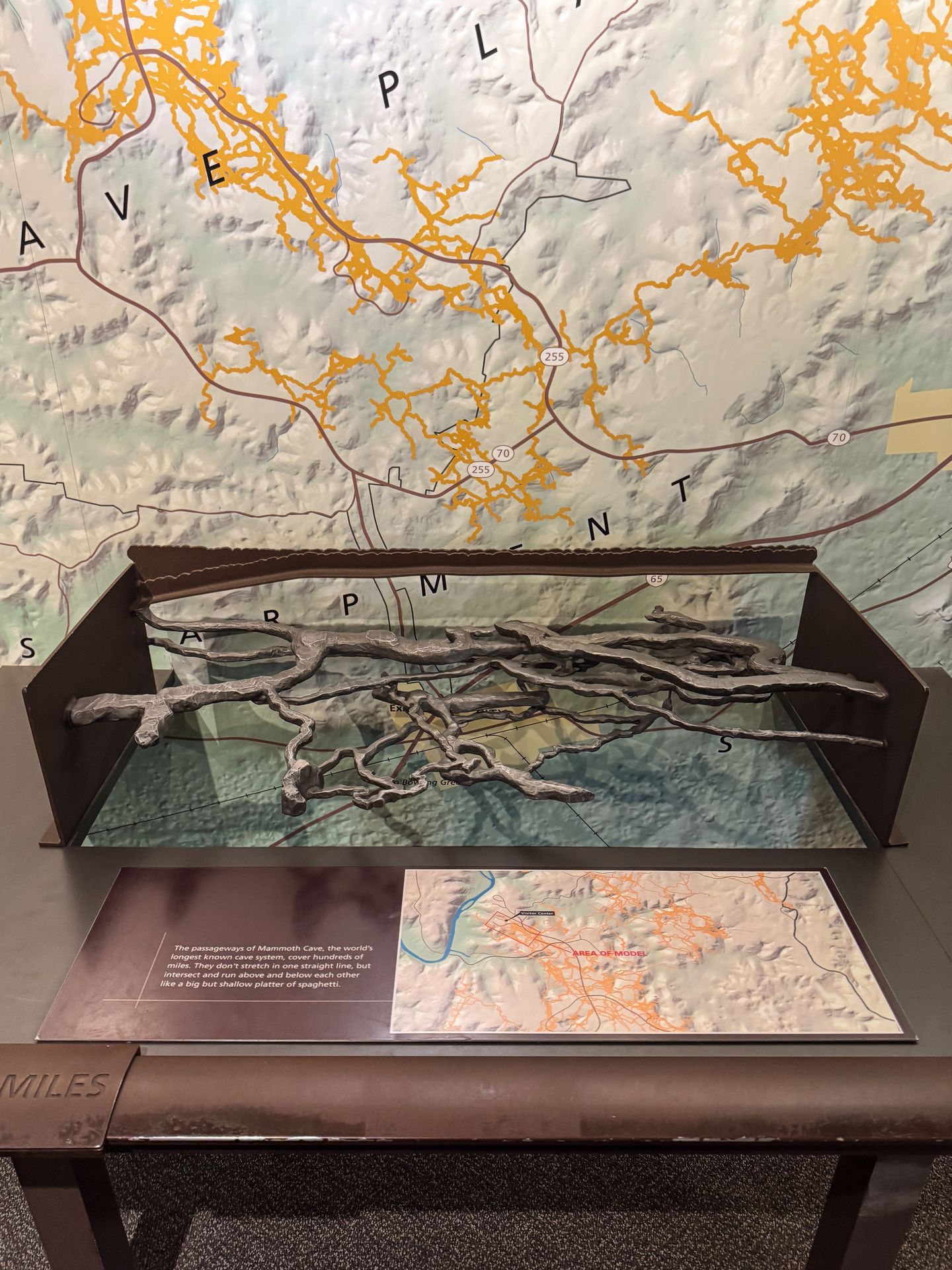
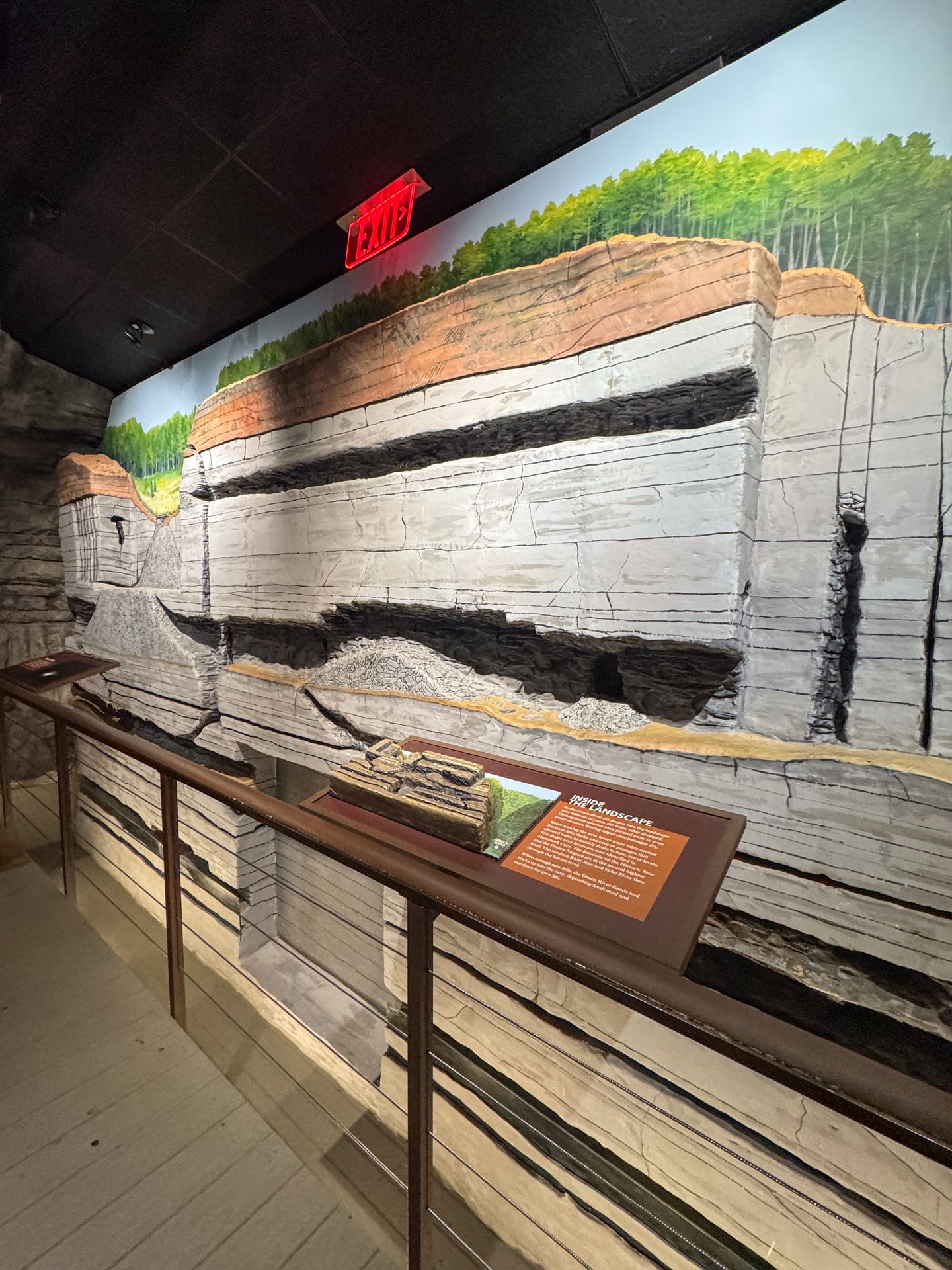
The Visitor Center also has gift shops and rangers that you chat with. Across the footbridge, there’s also a lodge with a couple restaurants, and more gifts and information.
Fun Fact: The Mammoth Cave Visitor Center is really focused on sustainability. They have solar panels, harvest rainwater and built it using materials from previous buildings on this site.
Where To Stay Near Mammoth Cave National Park
Camping in Mammoth Cave National Park
Mammoth Cave has three frontcountry campgrounds, along with backcountry campsites. The Mammoth Cave Campground is the largest and is open from March 1–November 30. The Houchin Ferry Campground is the only campground open in the winter.
The Mammoth Cave Lodge
There is one lodge inside of the park, the Mammoth Cave Lodge. It’s right next to the visitor center, so it’s an amazing base if you want to spend a few days doing multiple hikes and cave tours inside the park. They offer a mix of standard rooms, cottages, and brand-new cabins, and even have kennels for your pup.
Hotels near Mammoth Cave
There are several communities surrounding Mammoth Cave that offer hotels, restaurants and more activities. I recommend looking at Cave City, Glasgow or Bowling Green. Cave City is the closest to the main part of the park, and hotel options include Spark by Hilton, Baymont by Wyndham or Sleep Inn & Suites.
More Things To Do Near Mammoth Cave

- Take a boat inside of a cave at Lost River Cave in Bowling Green.
- Visit other nearby caves right outside of the park, such as Diamond Caverns and Crystal Onyx Cave.
- Visit the Abraham Lincoln Birthplace National Historical Park, which is a little over an hour from the park.
- Extend your trip with a day on the Kentucky Bourbon Trail. One area with several distilleries is Bardstown, which is about an hour from the park.
- Extend your Kentucky road trip with a couple days hiking in Red River Gorge. It’s about 3 hours away, but it’s one of my favorite underrated hiking destinations!
Final Thoughts
I hope this guide helps you plan an epic trip to Mammoth Cave! This is an underrated park that has a lot of beauty both above and below the ground. It’s also a park with so much fascinating (and somber) history. Whether you live nearby, are trying to visit all the national parks, or anything in between, I hope you enjoy your adventure in Mammoth Cave.
For more Southern national park guides, check out my other blog posts:
- The Best Things to do in New River Gorge National Park
- The Best Things To do in Shenandoah National Park
- A Guide to visiting Biscayne National Park
- How to Take a Day Trip to Dry Tortugas National Park
- How to Spend 3 Days in the Everglades and Nearby
- The Best Things to do in Hot Springs National Park
Thanks for Reading!


Let's stay in touch!
Join the Lost with Lydia email list to get monthly travel guides and tips!
