How to Spend the Perfect Day in Congaree National Park (even if it’s flooded)
November 17, 2026
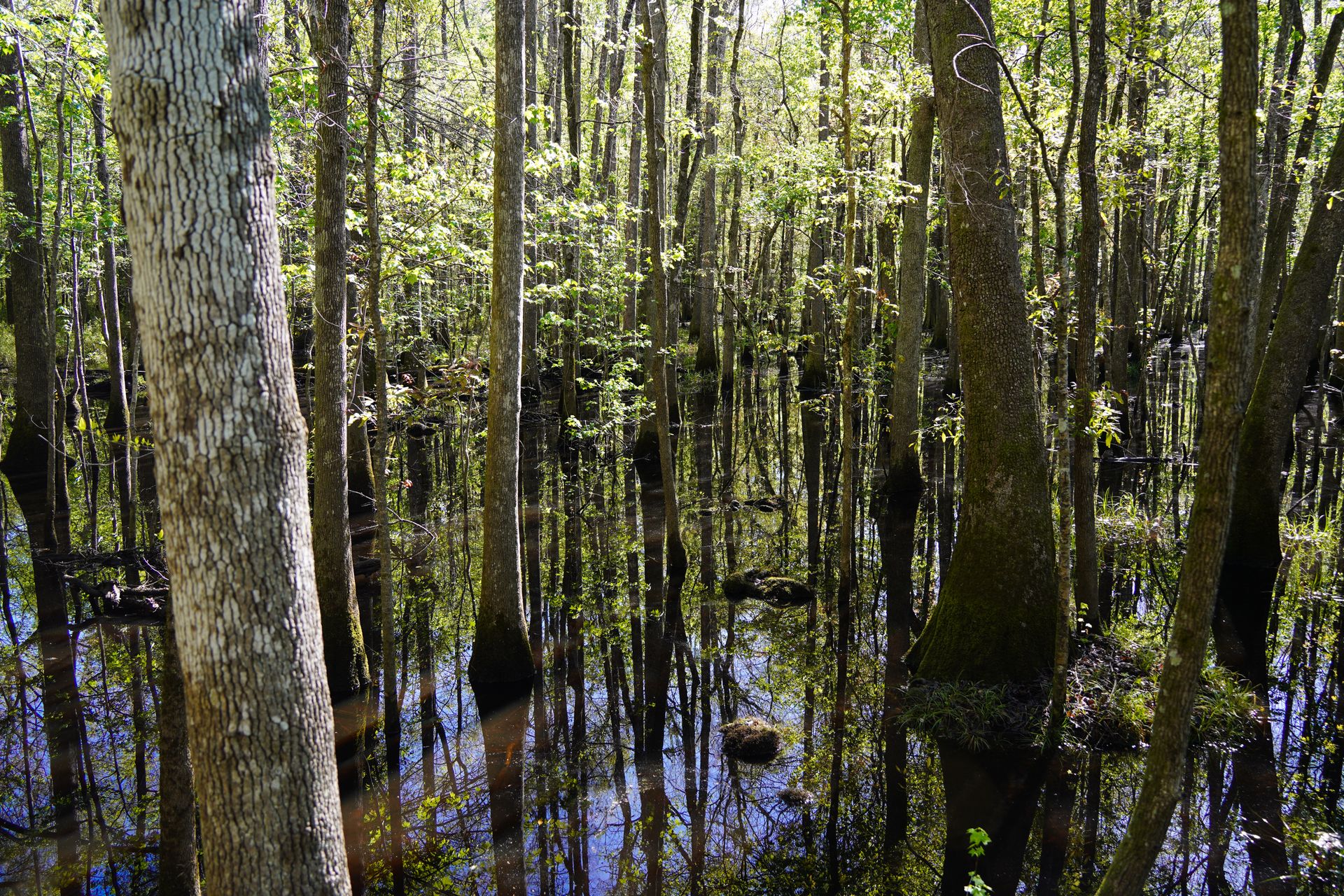
Congaree National Park offers more than what meets the eye. While some visitors don’t find it as interesting as other national parks, it’s a very important and unique place. It’s home to the largest section of old growth bottomland hardwood forest in the Southeastern United States, and is one of the most biodiverse forests in the country.
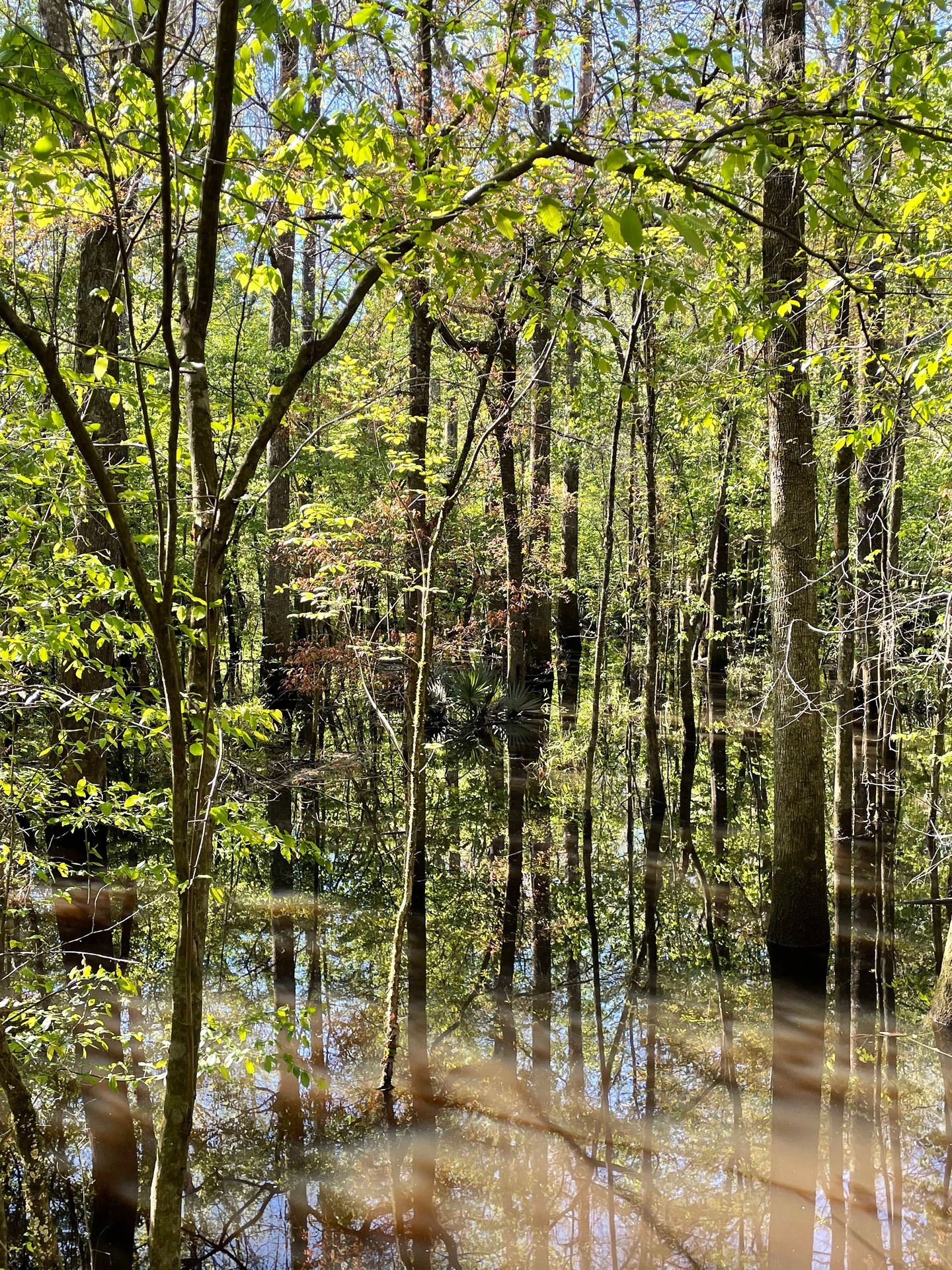
Congaree sits in a floodplain, and much of the park floods regularly. If you’re visiting during a time of high waters, it doesn’t mean that you can’t enjoy your visit. The floods are an important part of the ecosystem, and deposit nutrient rich soil across the landscape.
Along with a variety of different tree species (pine, oak, bald cypress, and tupelo), the park is an important habitat for fish, amphibians and aquatic life. It’s home to snakes, turtles, alligators, barred owls, white-tailed deer, and more.
People have inhabited this area for over 10,000 years, and Congaree is named after the Congaree people who used to live here. The land was colonized in the 1700’s by farmers seeking to plant cash crops in the area, but few had success in taming this wild landscape. The dense wilderness also served a refuge for enslaved people seeking freedom.
After the Civil War, lumber was in high demand, and loggers set out to cut down a massive number of the old-growth cypress trees in the Congaree floodplain. It proved to be costly, and operations ceased by 1917. However, the threat of logging returned at the end of the 1960’s. Luckily, advocates fought against the efforts, and lobbied congress to make this area a national park. Congaree Swamp National Monument was established in 1976, and was redesignated as a national park in 2003.
In this guide, I’ll share the best things to do in Congaree National Park if you only have a day. I’ll talk about kayaking and hiking, and share plenty of tips along the way. This guide is based on my experience visiting Congaree in April 2022.
Things To Know Before Visiting Congaree National Park
- Congaree National Park is free to visit.
- Congaree typically floods 10-12 times each year. A flood doesn’t mean that you can’t visit, but it means that not all of the trails will be accessible. Check the current water levels before your visit via the current conditions page on the national park website.
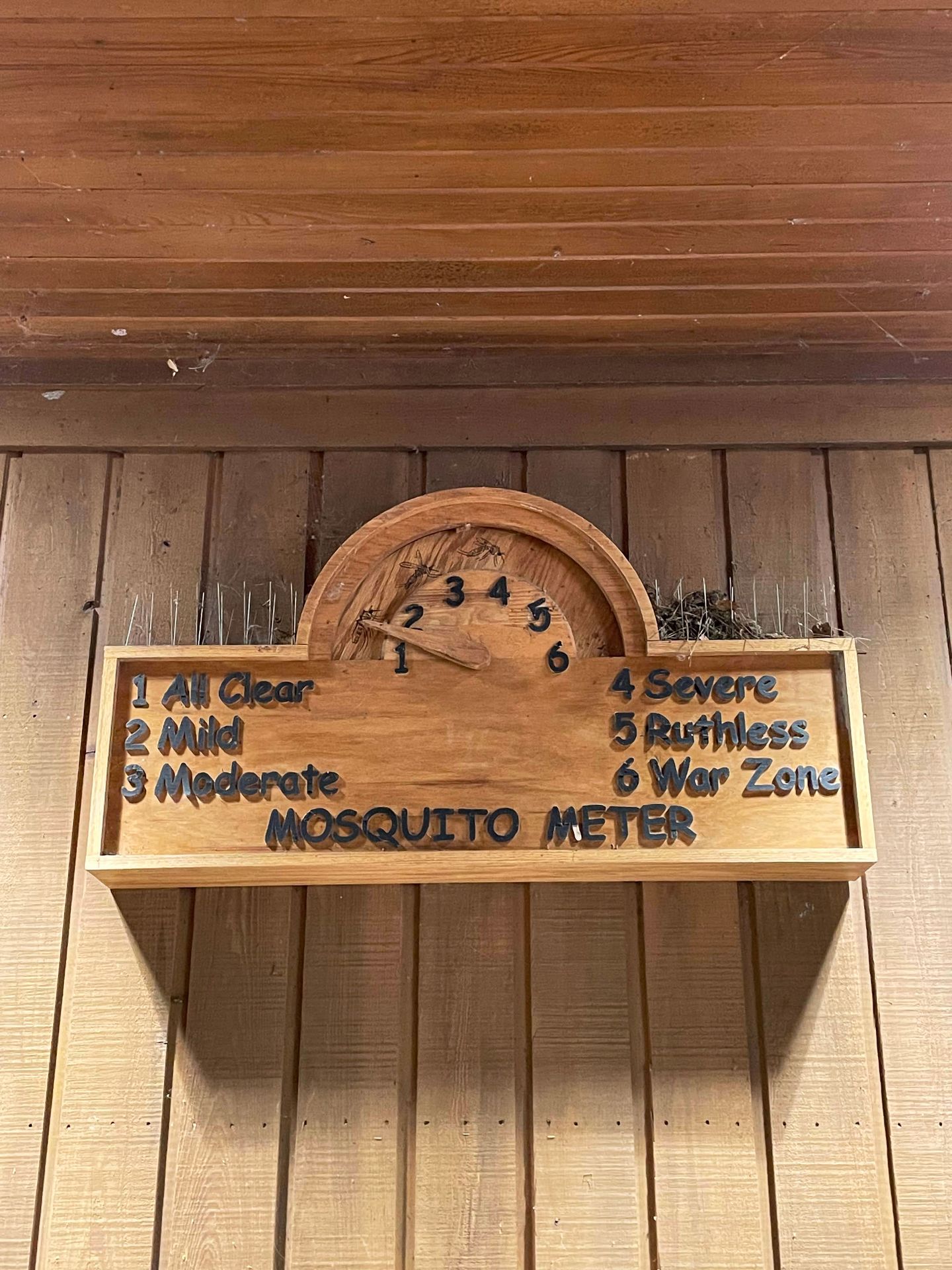
- Mosquitoes can be really intense in this park during the summer months. During other seasons, it’s still smart to carry insect repellant.
When To Visit Congaree National Park
The best time to visit Congaree tends to be between October and May. This is when you can usually enjoy dry conditions and fewer mosquitoes.
Late October to early November brings low humidity and fall foliage. Winter brings cool temperatures and fewer crowds, but can get cold at night. Winter is also the most common time for floods.
Spring brings blooms and low bud activity, but it can also be a time of flooding. I recommend avoiding July - September, as this is when there is the highest mosquito activity, and humidity is very high.
If you’d like to experience something truly unique, consider trying your luck to see the synchronous fireflies at Congaree. They are found in the park between mid-May to mid-June, but you’ll need to enter an online lottery for a chance to see them.
How to Get to Congaree National Park
The closest larger city to Congaree is Columbia, and the Columbia Metropolitan Airport has direct flights to 11 major airports around the Eastern US. It’s only about 30 minutes to get between Columbia and the park, so this is an easy place to fly into.
Charlotte, NC and Charleston, SC are larger airports to consider, and both are located about 2 hours from the park. These might be good options if you’re combining your trip to Congaree with a larger road trip around North or South Carolina.
While I think it’s very helpful to have a car, you can also reach Congaree by bus! The Comet bus service can take passengers between Columbia and Congaree via Route 47.
How to Spend One Day in Congaree National Park
In my opinion, a perfect day in Congaree National Park involves both hiking and paddling!
Walk the Boardwalk Trail
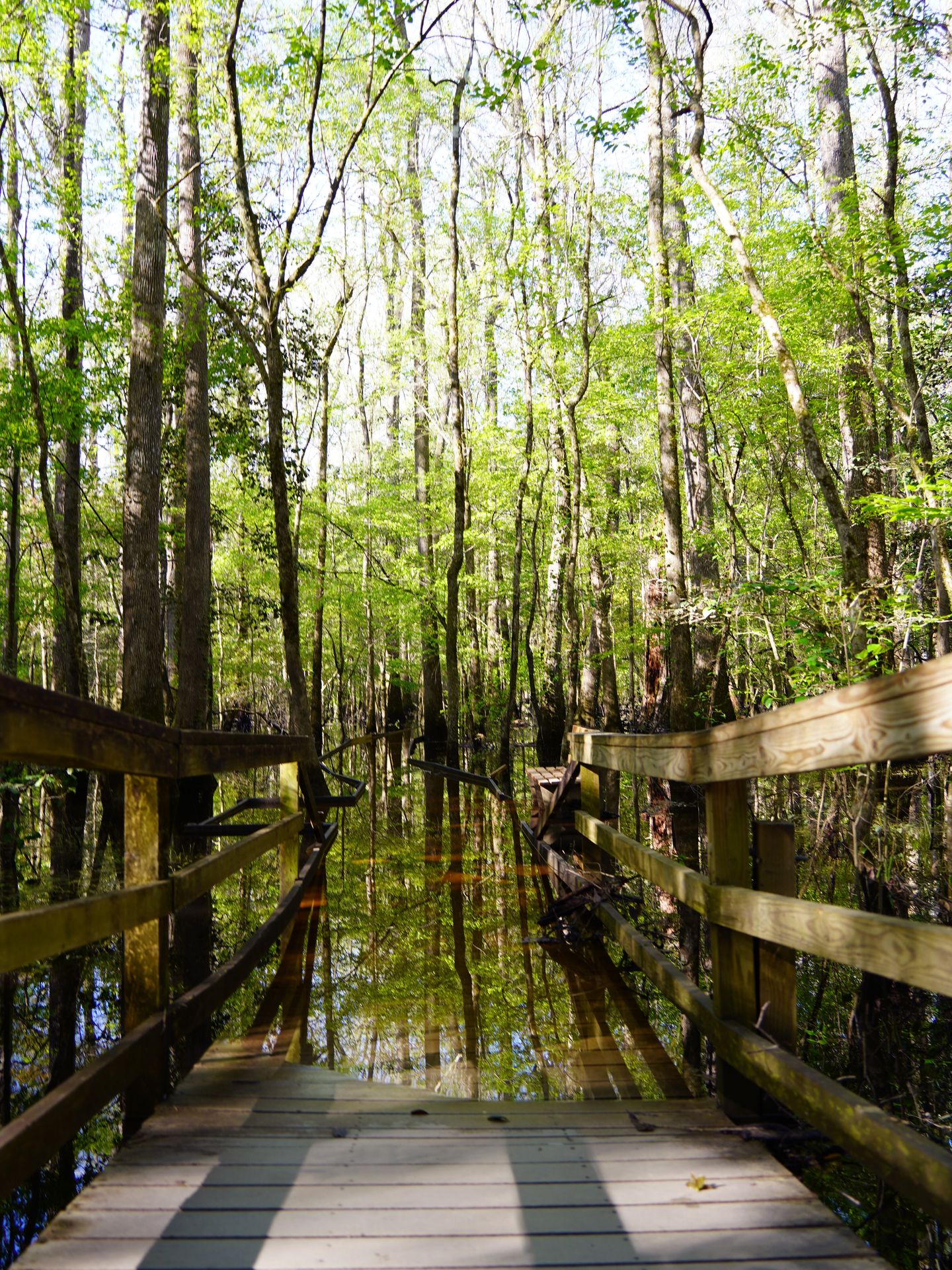
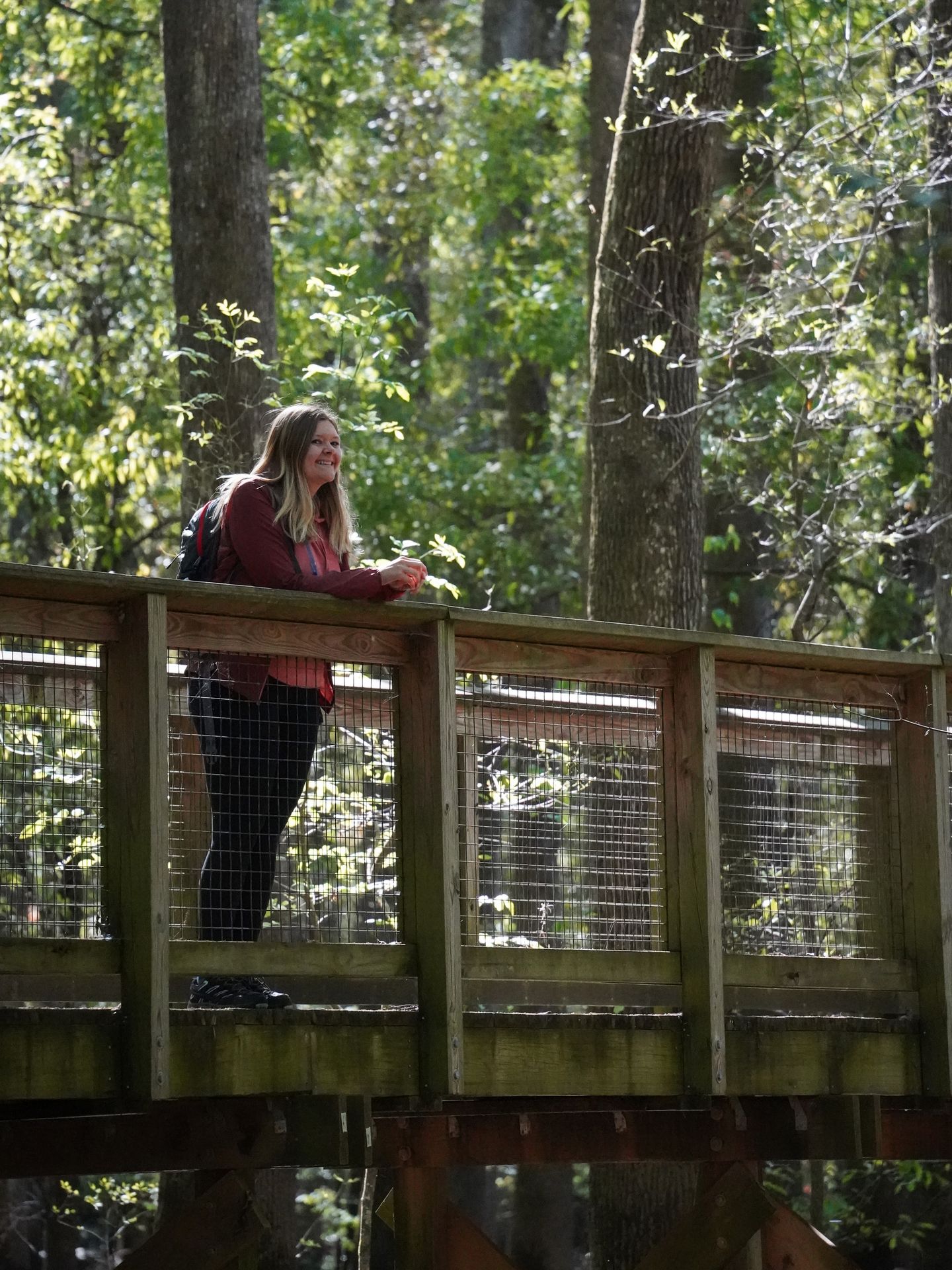
To start your day in Congaree, I think that any first-time visitor to Congaree National Park should take a walk on the boardwalk that leaves from the Harry Hampton Visitor Center. Luckily, even if the park is flooded (like it was during my visit), there is an elevated section of the boardwalk that the floodwater rarely reaches.
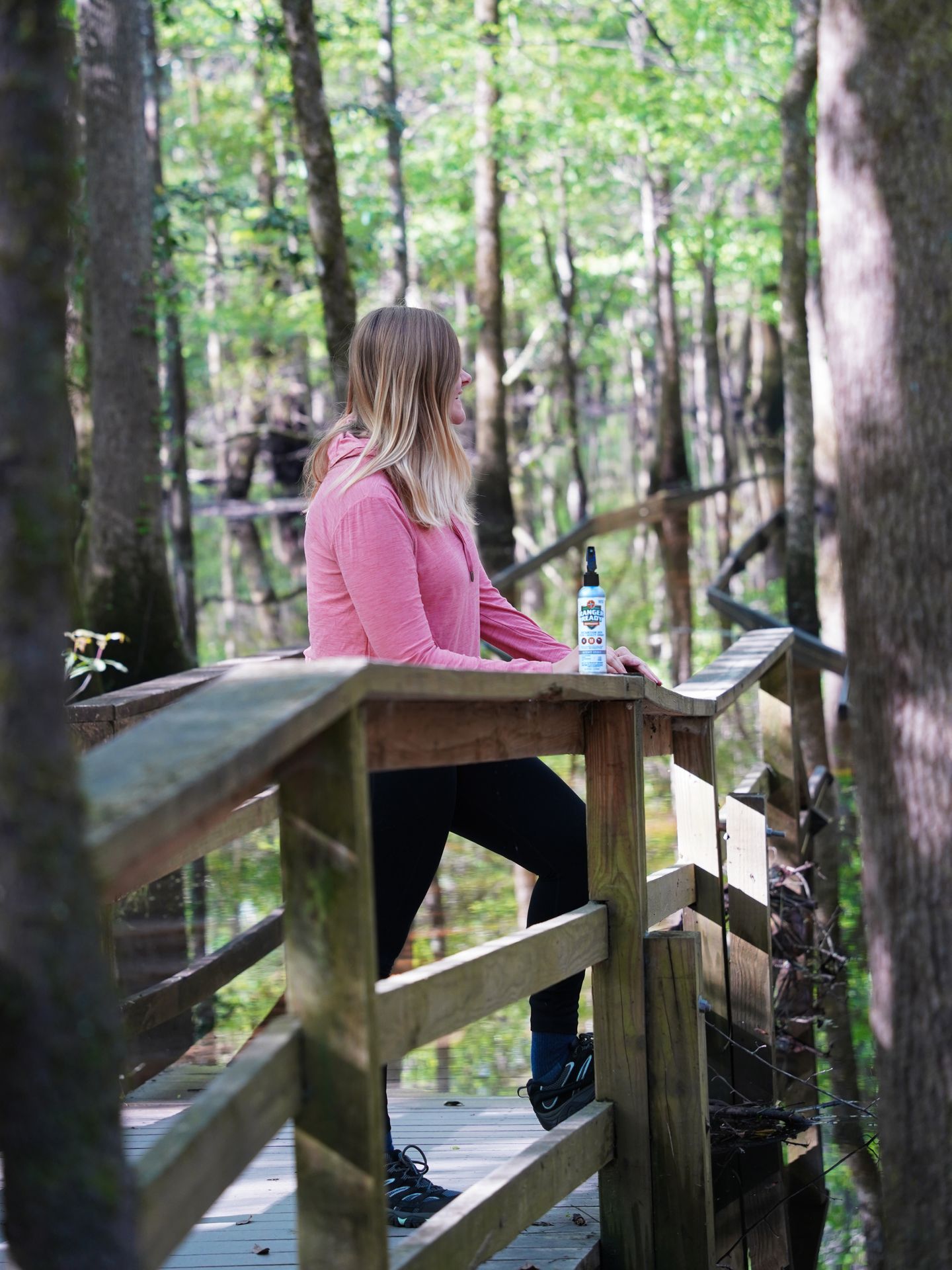
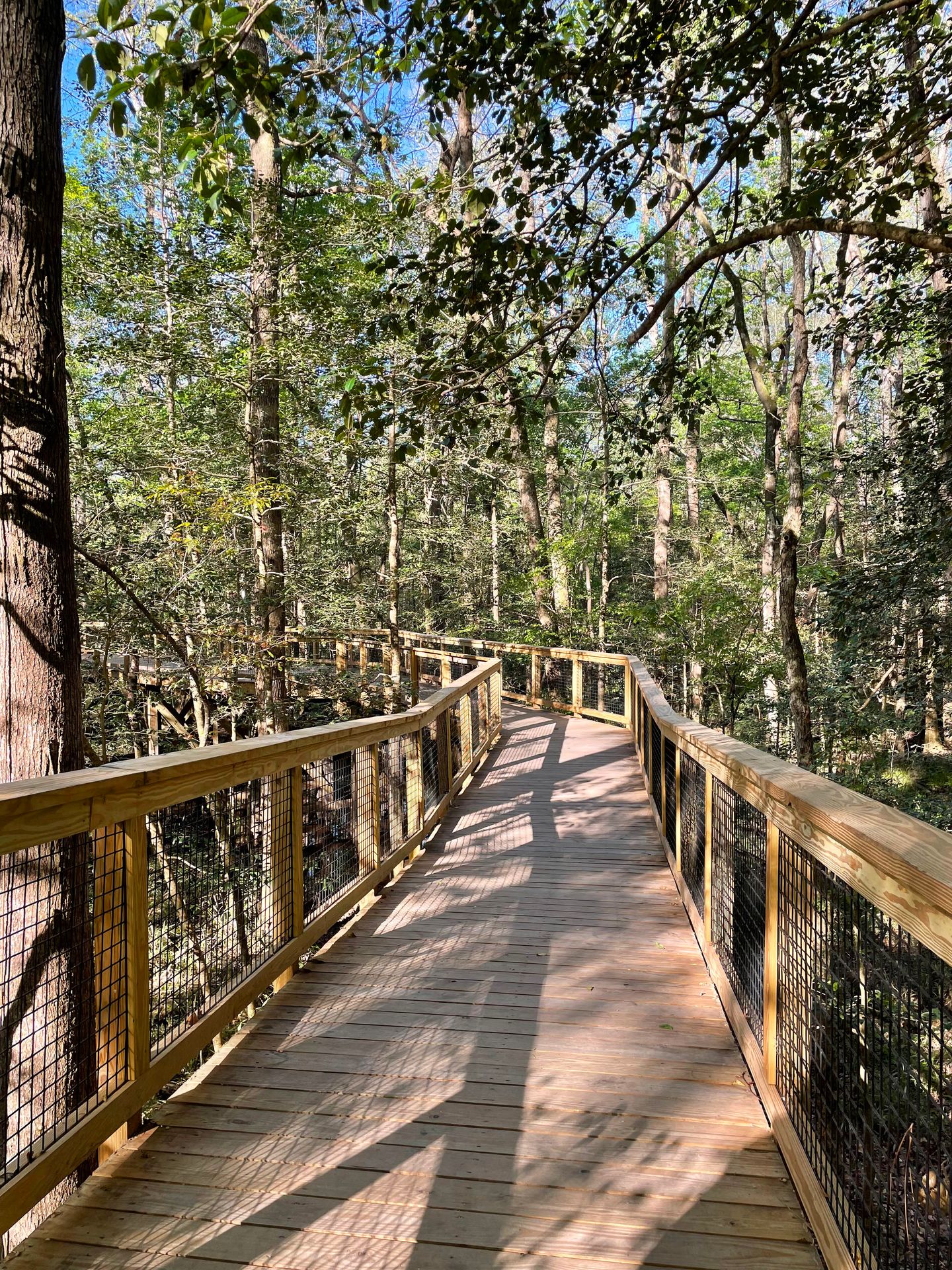
The Boardwalk Loop Trail is 2.6 miles and has beautiful views of various types of trees, including bald cypress, tupelo trees, maples and loblolly pines. The boardwalk trail is wheelchair accessible and has benches along the way.
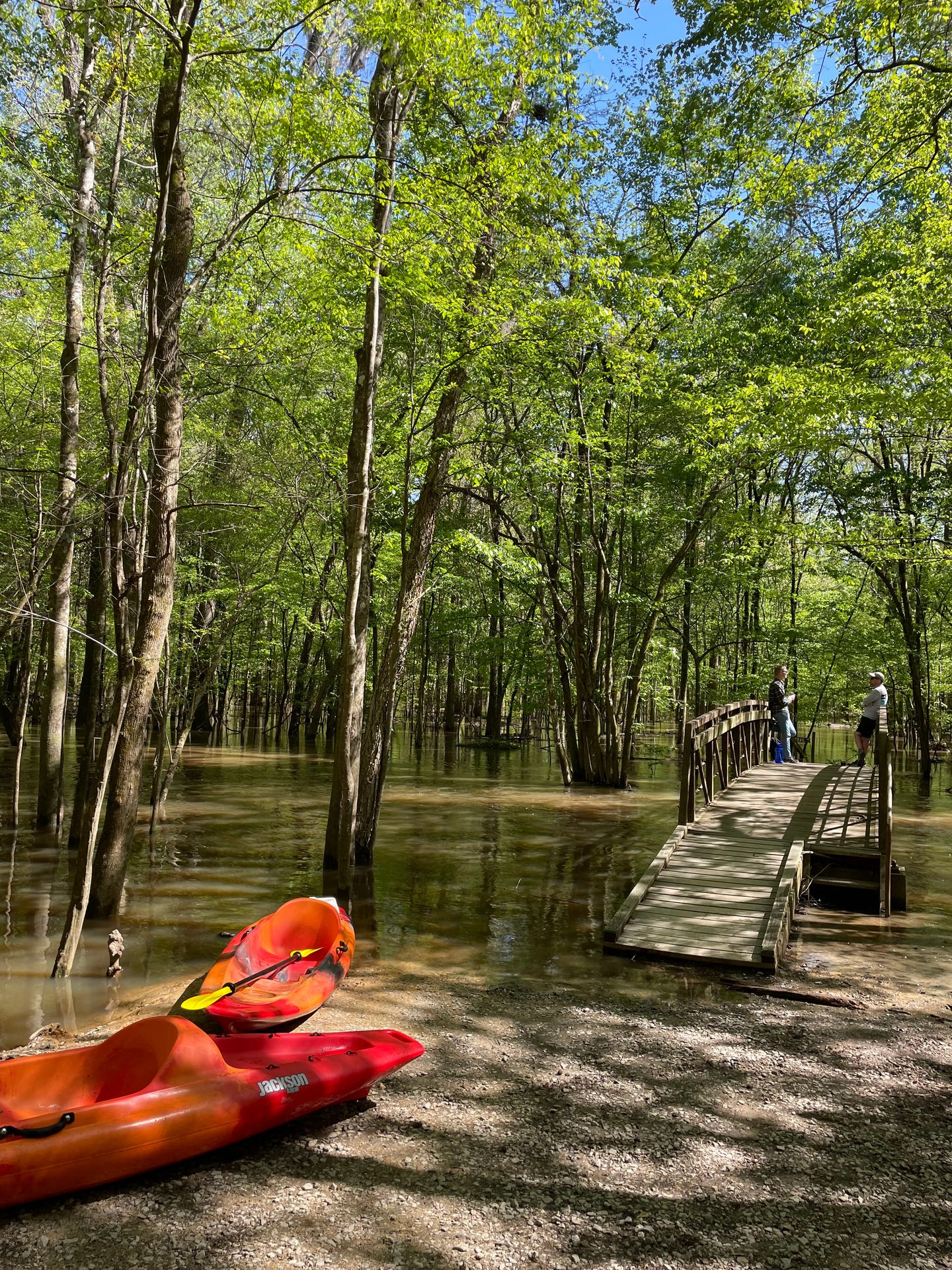
During my visit, the southern connector of the boardwalk loop was flooded, but we could still hike most of the trail by doing two out-and-back routes.
Pro Tip: I’ve heard of some people hiking into the floodwaters, but this is strongly discouraged by the park due to unseen hazards, the presence of alligators and snakes, and bacteria that could be present in the water.
Also connected to the visitor center, you can hike the Bluff Trail. This trail is 2.1 miles and tends to be less affected by floods.
Make sure to stop by the visitor center while you’re here and learn about the park. They have a famous (or perhaps infamous) ’mosquito meter’ that will let you know how bad the mosquitoes are on that particular day. They also have souvenirs and educational displays.
More Hiking Trails in Congaree National Park
If the park isn’t flooded during your visit, and you enjoy hiking, there are many other trails that will take you deeper into the wilderness of this park.
The Weston Lake Loop is one of the most popular options. It’s a 4.7-mile loop that includes part of the Boardwalk Loop, and is a great trail for birding.
The Oakridge Trail is a harder and longer extension of the Weston Lake Loop. It can be hard to follow in some areas, but would provide you a really good taste for the variety of landscapes in the park.
Other longer hikes include the Kingsnake Trail and the River Trail. As with any hiking adventure, make sure to be prepared and leave no trace. Bring water, food, and sun protection, and bring a map for navigation, as some of the backcountry routes are hard to follow.
Kayak or Canoe on Cedar Creek
Getting out on the water is one of the best things to do in Congaree National Park! After a morning of hiking, I recommend spending your afternoon paddling in the park.
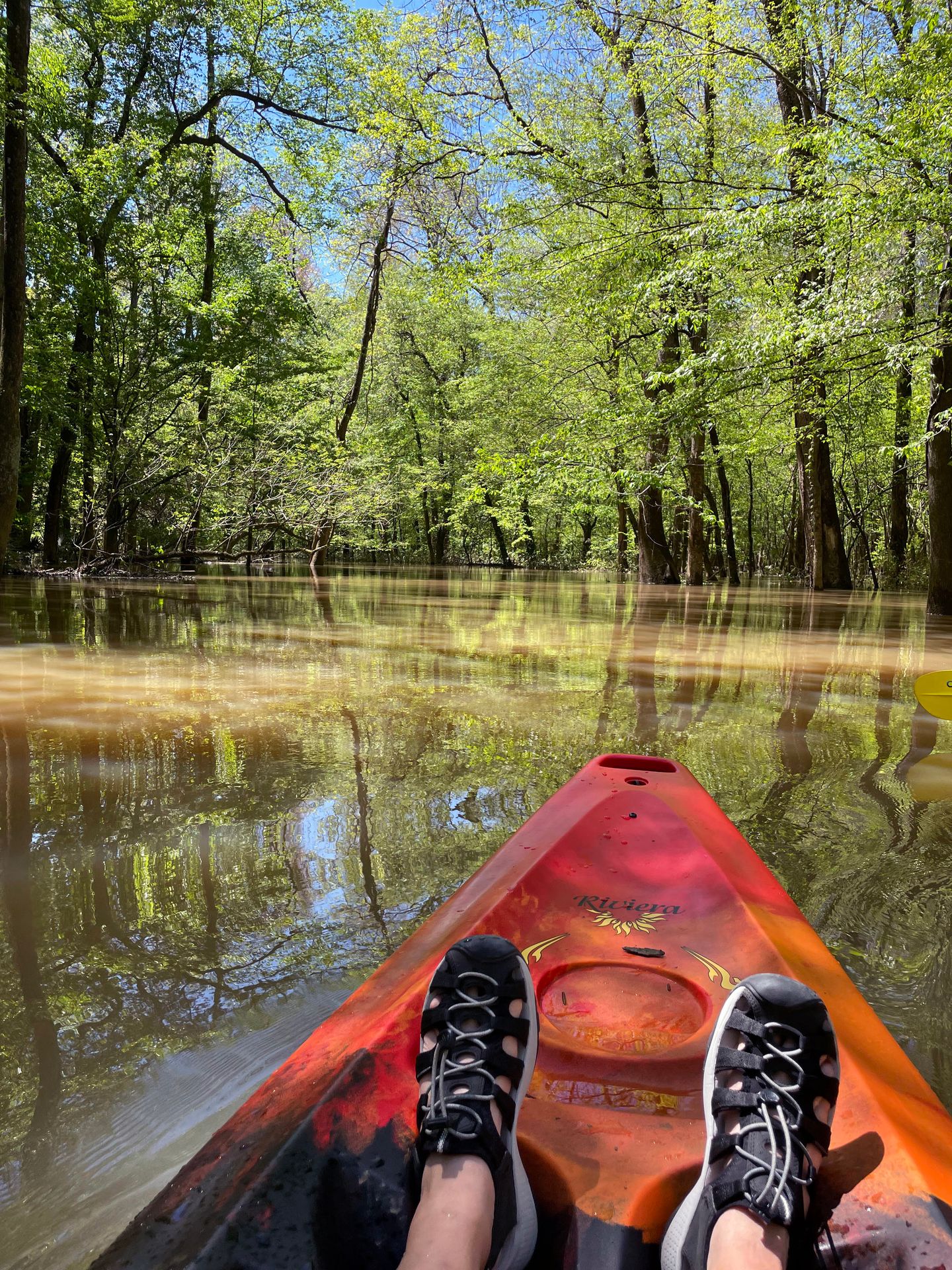
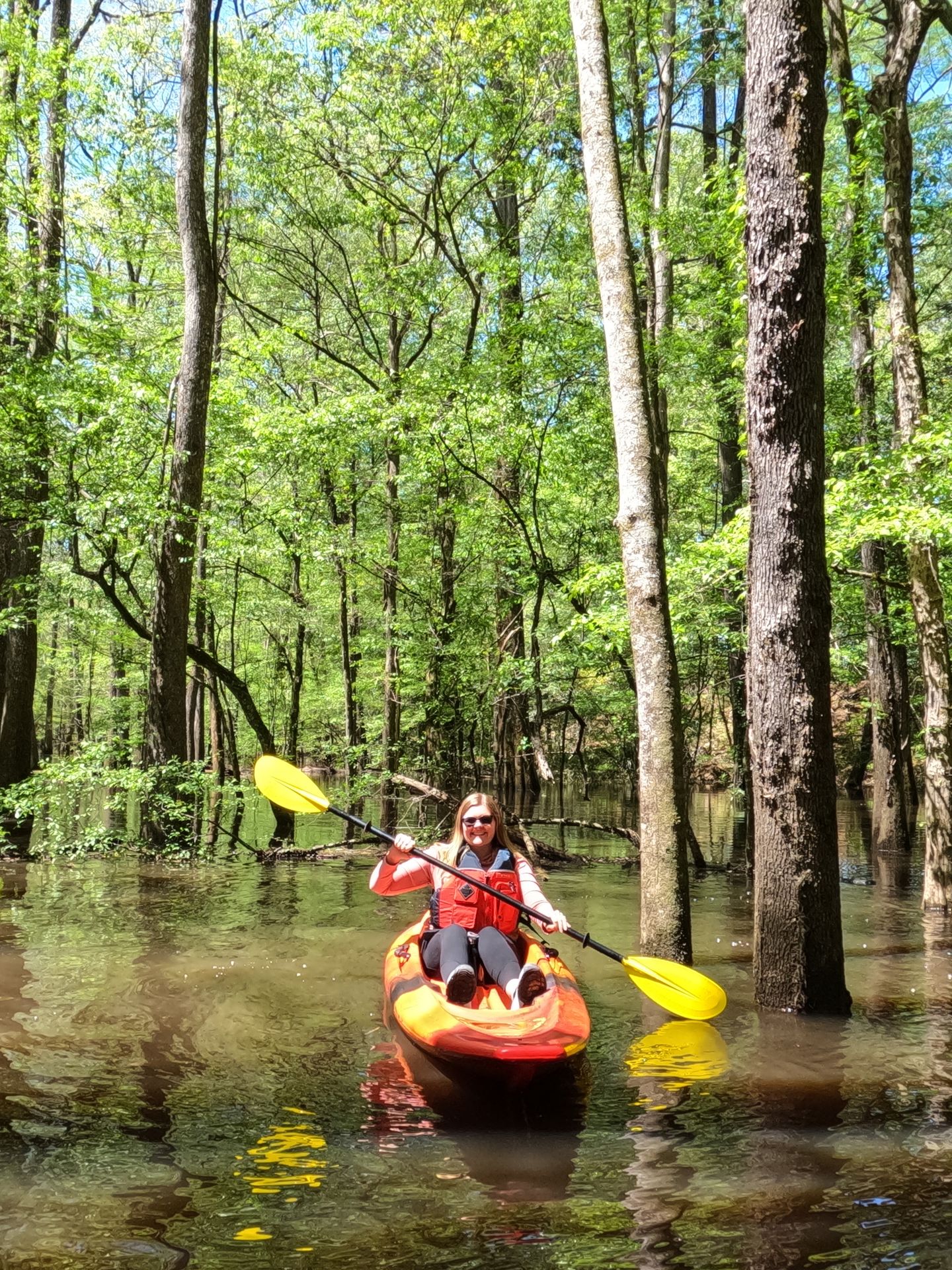
If you’re not familiar with the area, and/or you don’t have your own kayak or canoe, I recommend going on a guided tour. I went kayaking with JK Adventure Guides and had a great experience.
My tour left from the Cedar Creek Canoe Launch, and our guides navigated us safely through the high waters. We saw a bit of wildlife (snakes, dragonflies, spiders, and caterpillars) and admired dwarf palms, cypress trees, and a variety of other tree and plant life. It was clear that our guides really cared about this unique environment, and we learned a lot.
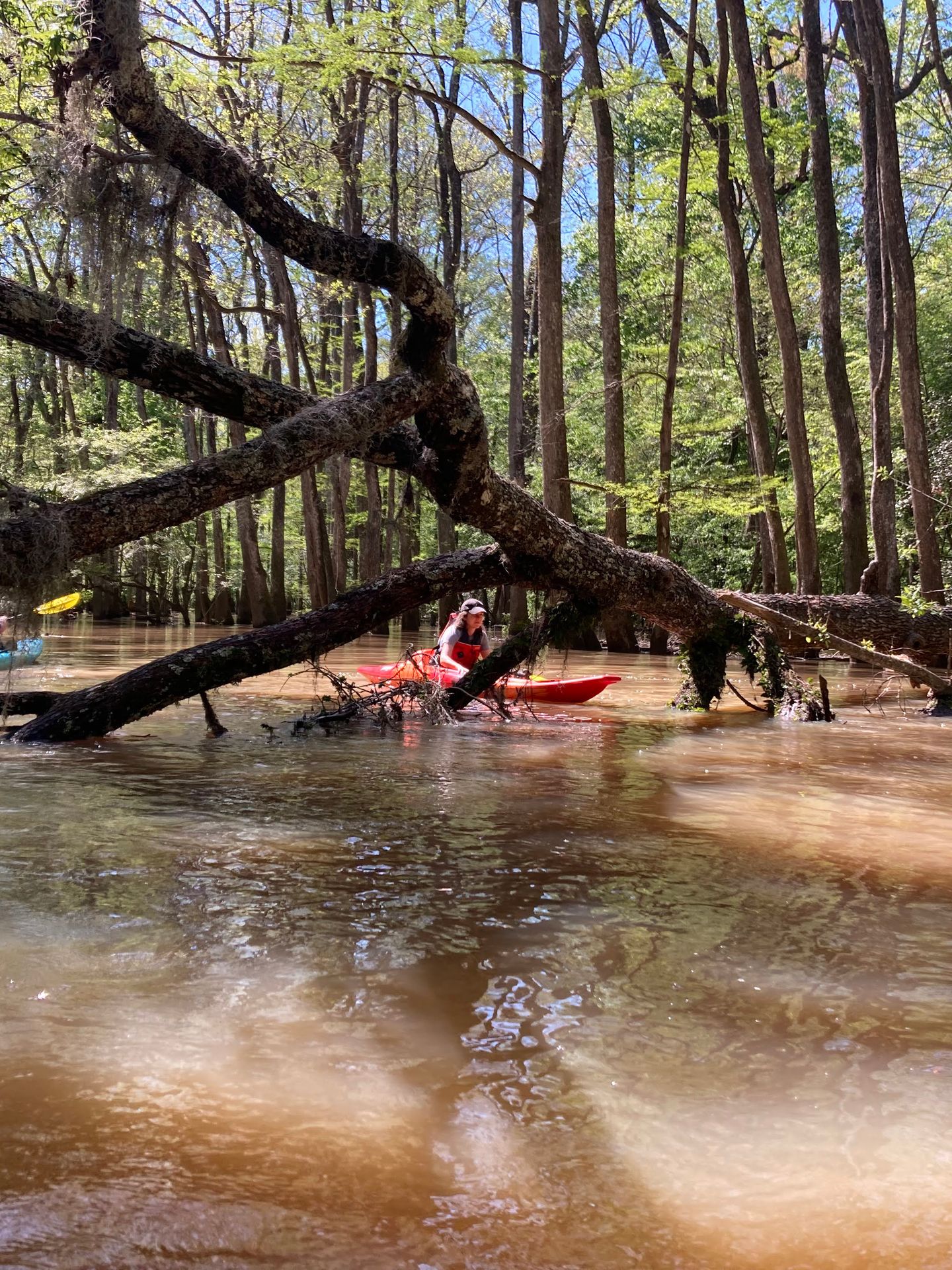
The high waters made it an adventure, and at certain points we had to duck under downed trees, or try our best to navigate around obstacles.
We kept going until a tree blocked the river, and had to work harder against the current on our way back to the launch. Their tours are two to three hours long, and cost $80 per person. This is an amazing way to immerse yourself in the nature of Congaree, especially if the park is too flooded to hike into the backcountry.
In addition to JK Adventure Guides, there are also other outfitters in the area that offer canoe tours, full moon tours, and/or rentals that you can pick up and transport yourself.
The park service also shares information and tips about various canoe trails if you’re bringing your own equipment. You’ll want to understand the water level and the potential hazards before heading out.
More Things To Do in Congaree National Park
- Go fishing. Fishing is allowed in Congaree with a valid South Carolina fishing license.
- See the synchronized fireflies from mid-May to mid-June (a reservation will need to be obtained via a lottery).
- Paddle on the Congaree River Blue Trail.
- Look for any guided experiences taking place in the park during your visit. Sometimes, they offer activities such as yoga, watercolor painting, observational drawing, and more.
Where to Stay when Visiting Congaree National Park
Camping in Congaree National Park
There are two campgrounds in Congaree, Longleaf and Bluff. They are both relatively small, and both require an advanced reservation on recreation.gov.
Backcountry camping is allowed as well, and requires a free permit. You can obtain your permit by emailing the park at least 72 hours in advance.
Hotels near Congaree National Park
When it comes to hotels near Congaree, Columbia has many options, and is only 30 minutes from the park. A few options include Courtyard by Marriott Columbia Cayce, Home2 Suites by Hilton in Southeast Columbia or the Graduate Hotel (they always have fun local theming!).
Final Thoughts
I hope this guide helps you plan a fun trip to Congaree National Park. Whether you’re walking the boardwalk, hiking into the backcountry or paddling the Cedar Creek, there is a lot to appreciate here. While this park is often overlooked, I certainly think it’s worth a visit. Take some time to admire the old-growth trees, look for wildlife, and discover this unique national park for yourself.
For more Southeast US travel guides, check out my other blog posts:
- How to Spend 3 Days in Savannah, GA
- How to Spend 3 Days in Asheville, NC
- How to Spend a Perfect Day on Cumberland Island National Seashore
- Things To Do in Orlando Besides Disney
- An Epic Florida Keys Road Trip
- How to Spend 3 Days in the Everglades, FL
Thanks for Reading!


Let's stay in touch!
Join the Lost with Lydia email list to get monthly travel guides and tips!

