The Best Things To Do in Hawai’i Volcanoes National Park (Hiking, Drives & Views)
January 15, 2026
Hawai’i Volcanoes is an incredibly special national park that is home to one of the world’s most active volcanoes: Kīlauea. Located on the Big Island of Hawai’i, Kīlauea continues to change and grow the island to this day.
As of this writing, the last eruption that created major destruction was in 2018, when over 700 homes were destroyed and parts of the national park were reshaped. However, there have been several smaller eruptions since then, including eruptions in late 2024 and 2025. It’s impossible to predict, but it’s not uncommon to visit and see molten lava spewing from the crater.
Not only is the geology at Hawai’i Volcanoes fascinating, but it’s a sacred place for Native Hawaiian people. One sacred area is Pu'uloa, which is home to over 23,000 petroglyphs. It’s important to visit this park, and all of the Hawaiian Islands, with respect.
From hiking on a hardened lava lake, to walking through a lava tube, to admiring a sea arch made up of lava rocks, there are so many interesting things to do in Hawai’i Volcanoes National Park. Keep reading to shape your itinerary for this unique national park. This guide is based on my experience visiting this park in December 2024.
Tips and Things To Know Before Visiting Hawai'i Volcanoes National Park

- Hawai’i Volcanoes charges a fee of $30 per vehicle to enter the park. If you’ll be visiting multiple national parks over the course of a year, you’ll probably save money by purchasing the America the Beautiful Pass.
- It’s not easy to plan a trip around the current volcanic activity, but it’s worth checking ahead of time to see if Kīlauea is currently active. If there is an active lava flow, make sure to spend some time seeing it at night. I recommend checking the USGS site for updates.
- I highly recommend using the Guide Along audio tour as you’re driving around the park. In fact, I recommend using it during all of your adventures in Hawai’i. The tour recommends stops based on your location, and shares great information about the history and geology of the park.
- A lot of the hiking trails in this park have very little shade. Make sure to bring a hat, sunglasses and sunscreen.
- This park is home to nēnē, aka Hawaiian geese. They are a threatened species that are often killed by cars, so be sure to drive slowly, pay attention and watch out for them when parking.
- As with any outdoor adventure, please make it a priority to leave no trace. That includes packing out all trash, coming prepared, staying on the trails and respecting those around you.
When to Visit Hawai’i Volcanoes National Park
The weather in Hawai’i tends to be nice year round, so there isn’t a particularly bad time to visit the park. The busiest times of year for travel to Hawai’i are summer and winter, and summer tends to bring the most intense heat. Therefore, spring and fall tend to be the best time for more comfortable temperatures and fewer crowds.
I went in early December, and the weather was still hot, but not unbearable.
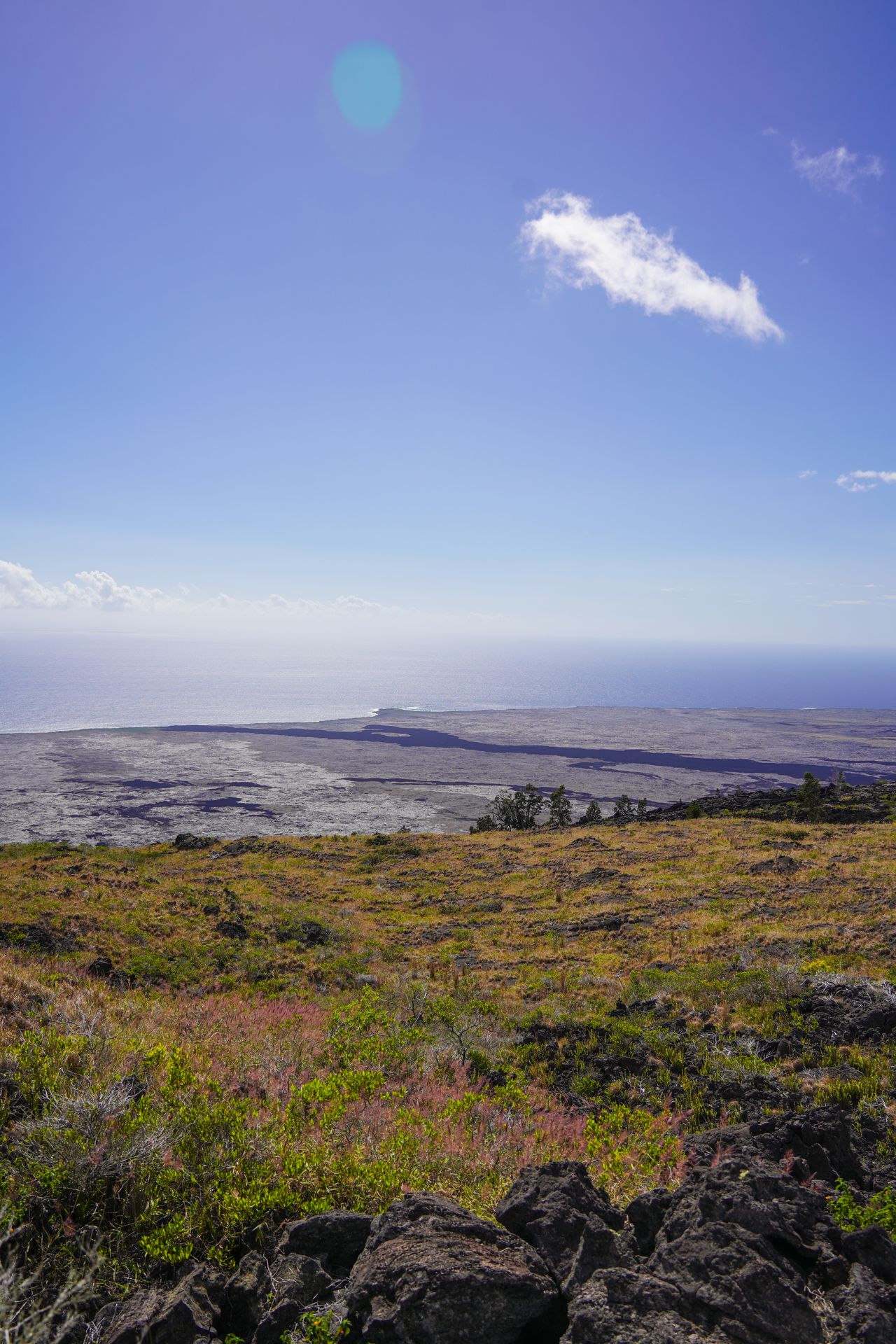
The Best Things To Do in Hawai’i Volcanoes National Park
Below are all of the best things to do on a trip to Hawaii Volcanoes National Park!
Walk through a 500-year old Lava Tube
Walk through Nāhuku, a lava tube that is thought to be 500 years old. A river of molten lava once flowed through this area and left behind a narrow tunnel made of lava rocks.
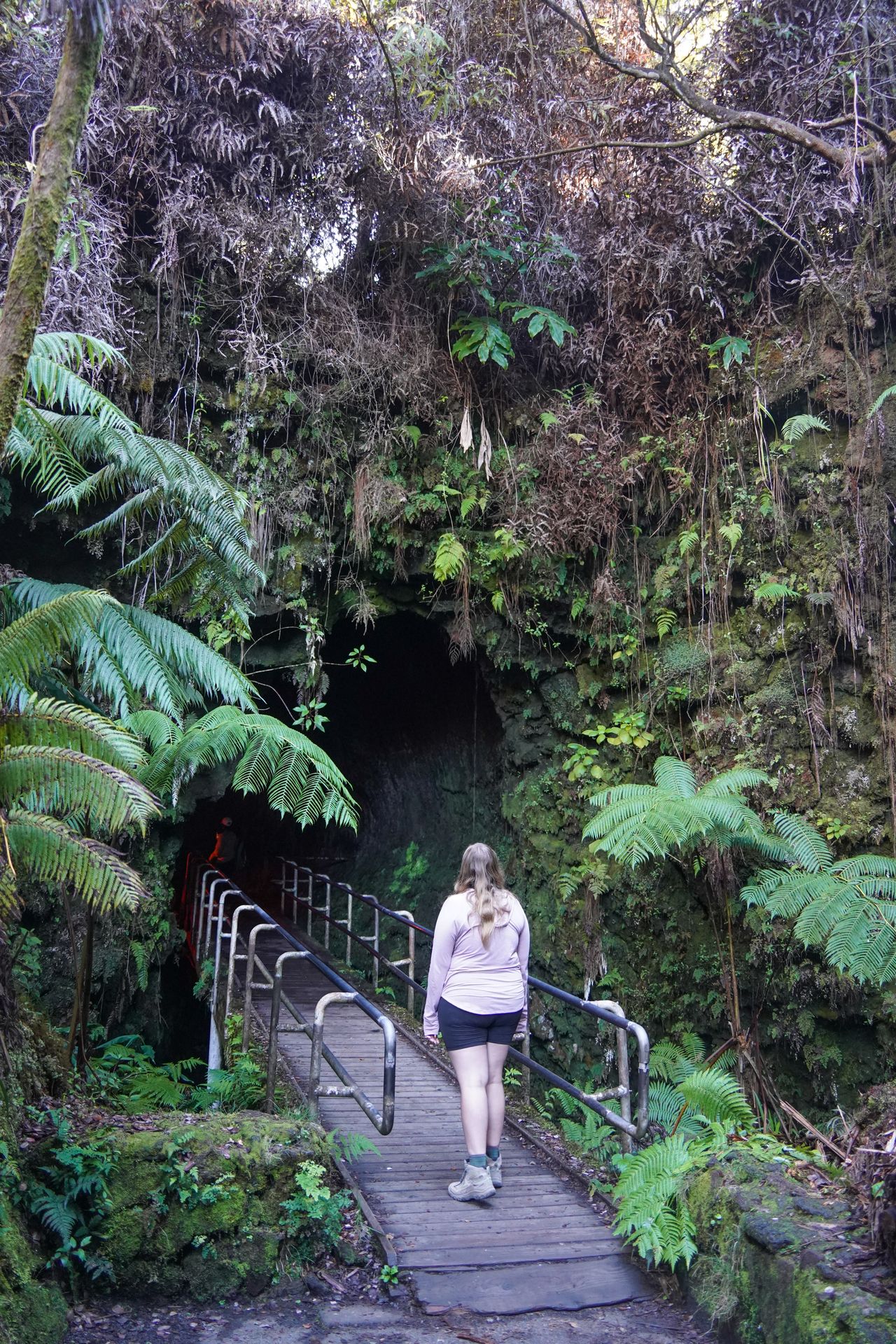
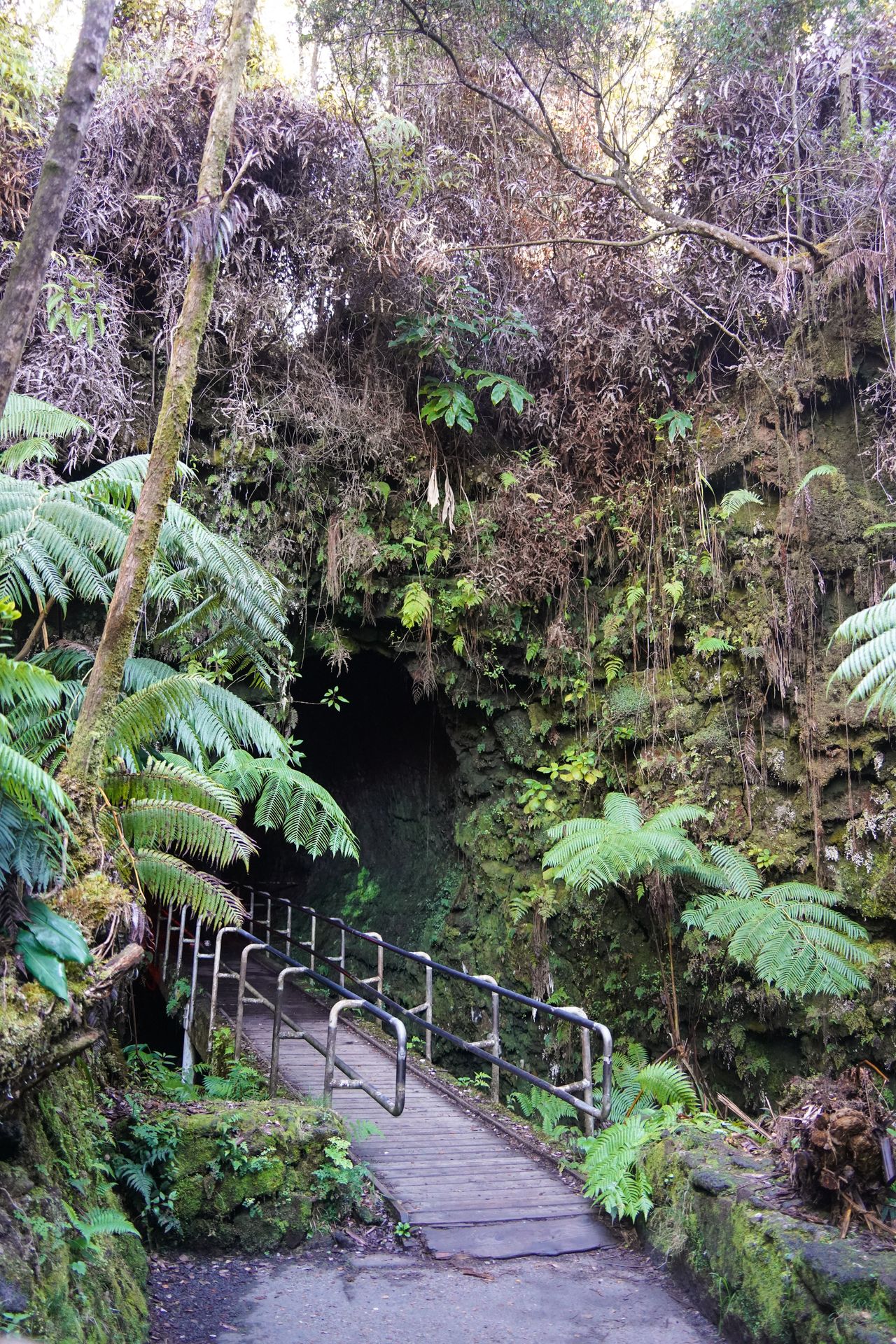
The name Nāhuku means "the protuberances” in Hawaiian, which probably refers to lava drippings that hung from the ceiling when the cave was discovered by USGS surveyors in 1912. The tube was publicized by Lorrin A. Thurston, a politician, and the marketing led to many visitors coming and removing cave formations. It was formerly called the Thurston Lava Tube, but is now called Nāhuku.
To reach the tube from the closest parking area, you’ll take a short walk through a lush rainforest. It’s a beautiful trail with minimal elevation. I love the contrast of the brilliant green plants next to the deep black lava rocks.
Parking is very limited next to this short trail, so I recommend going first thing in the morning, or late in the day, to snag a spot. Ideally, arrive before 9 AM or after 4 PM.
You also walk over to this area from other trailheads, like the Kilauea Craters Trail. As long as you can get a parking spot, this is such a beautiful and easy stop to make sure to include on your Hawaii Volcanoes itinerary!
Hike the Devastation Trail
The Devastation Trail allows you to get up close to cinder cones that were created by the large Kīlauea eruption in 1959. The trail is paved and leads you past volcanic cinder cones on one side, and recovering plantlife on the other side.
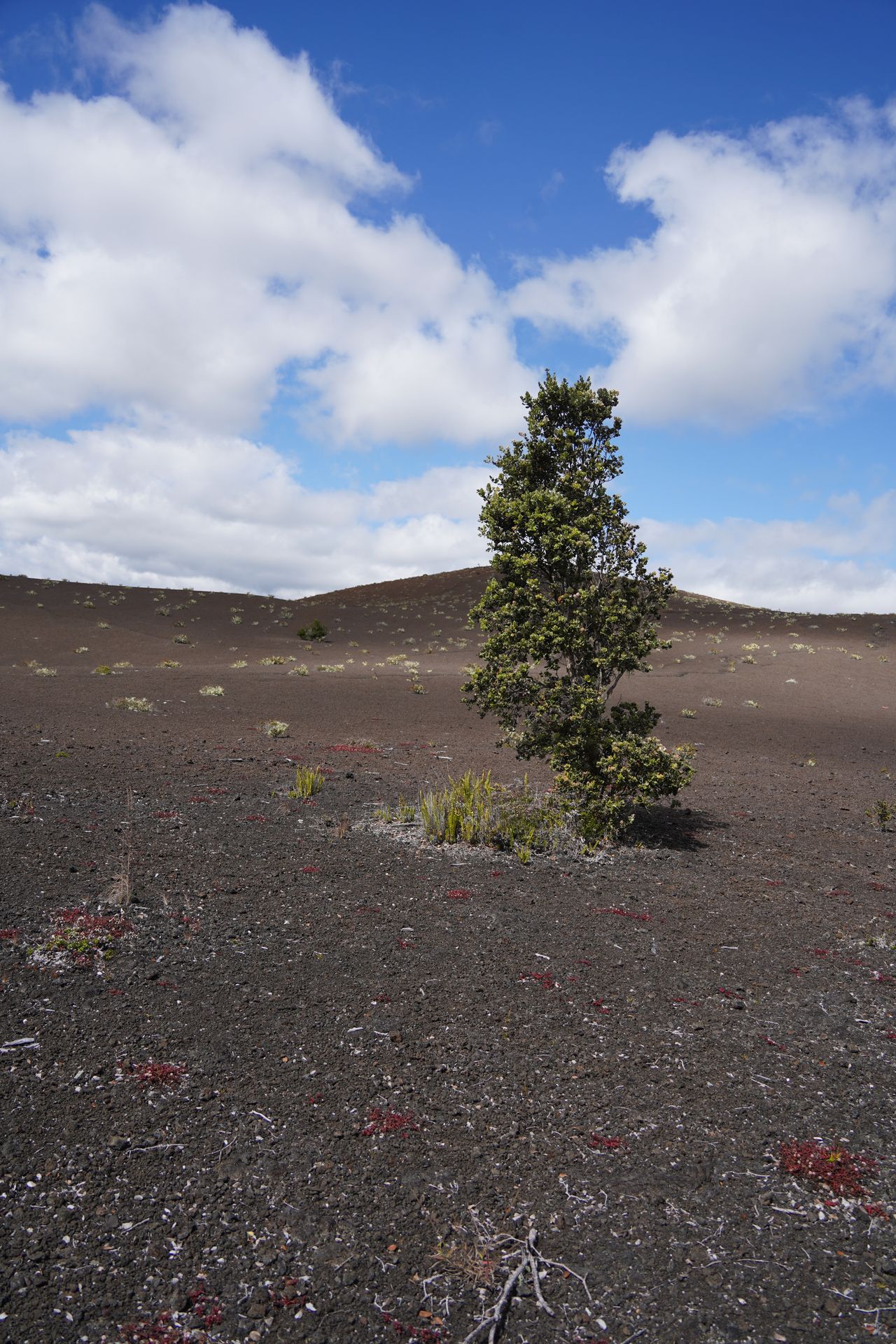
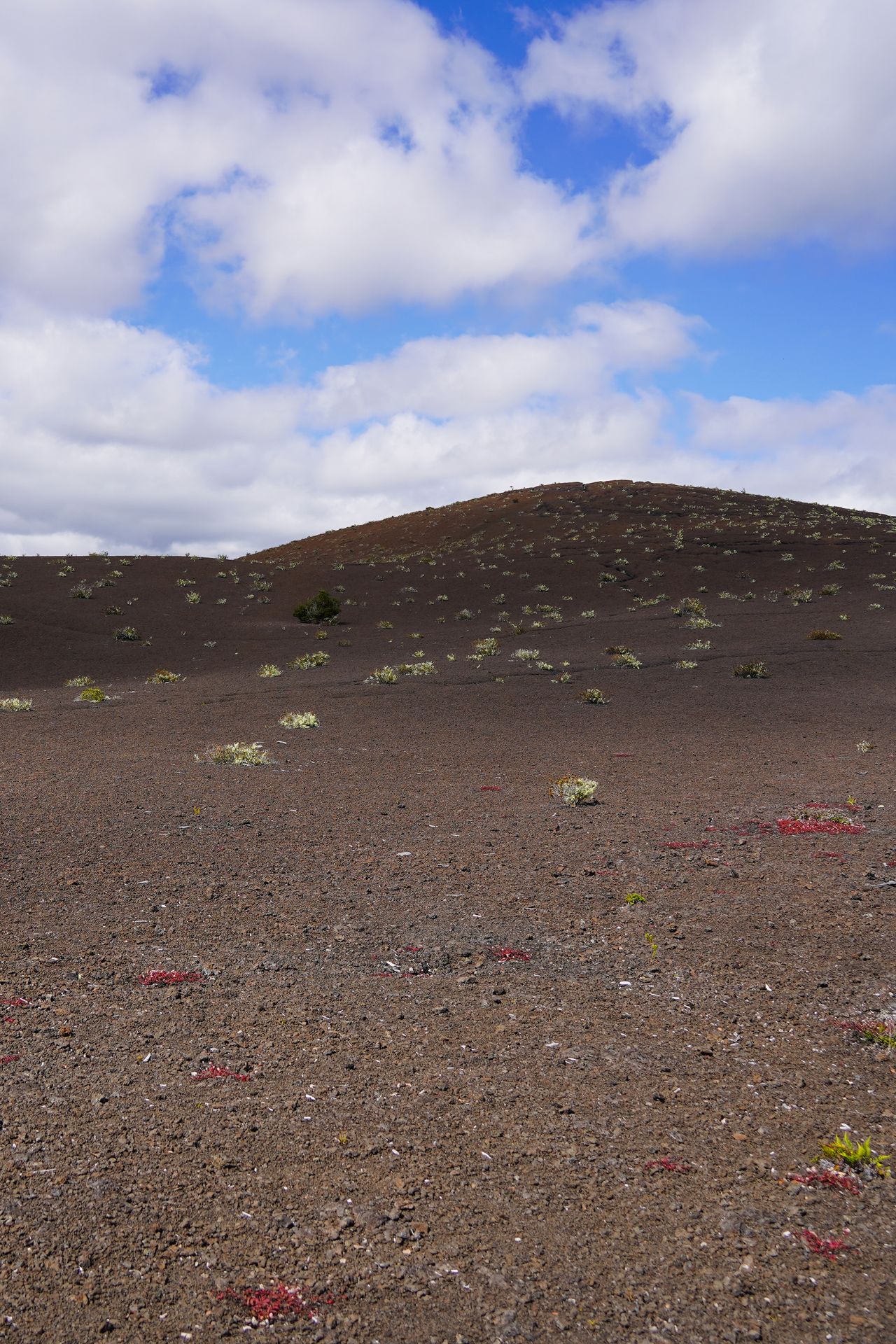
You can start this trail from two different parking lots - the Pu'upua'i parking lot or the Devastation Trail parking lot. I enjoyed the Pu'upua'i Overlook, which gives you a different perspective over the crater.
Hike the Kilauea Craters Trail
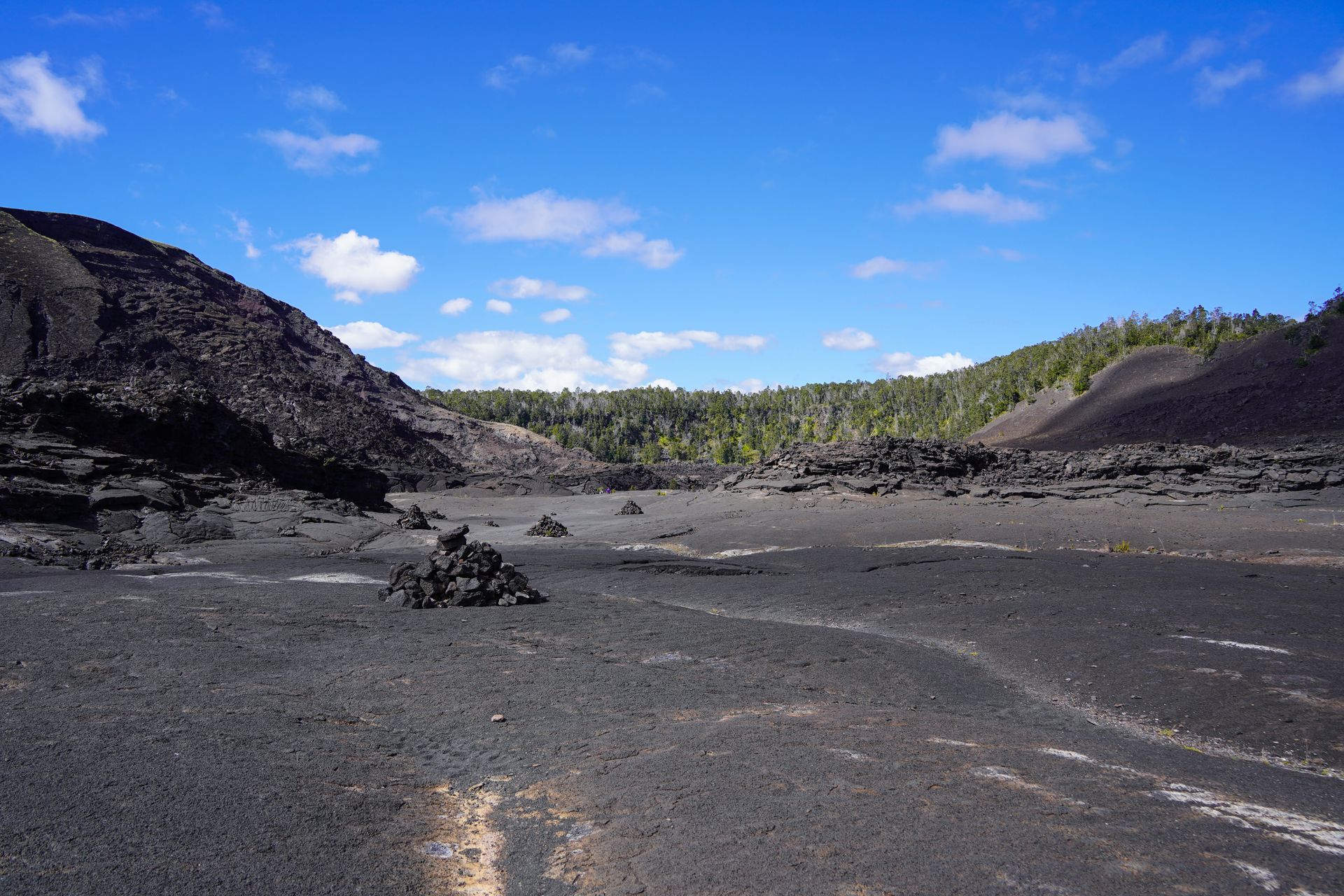
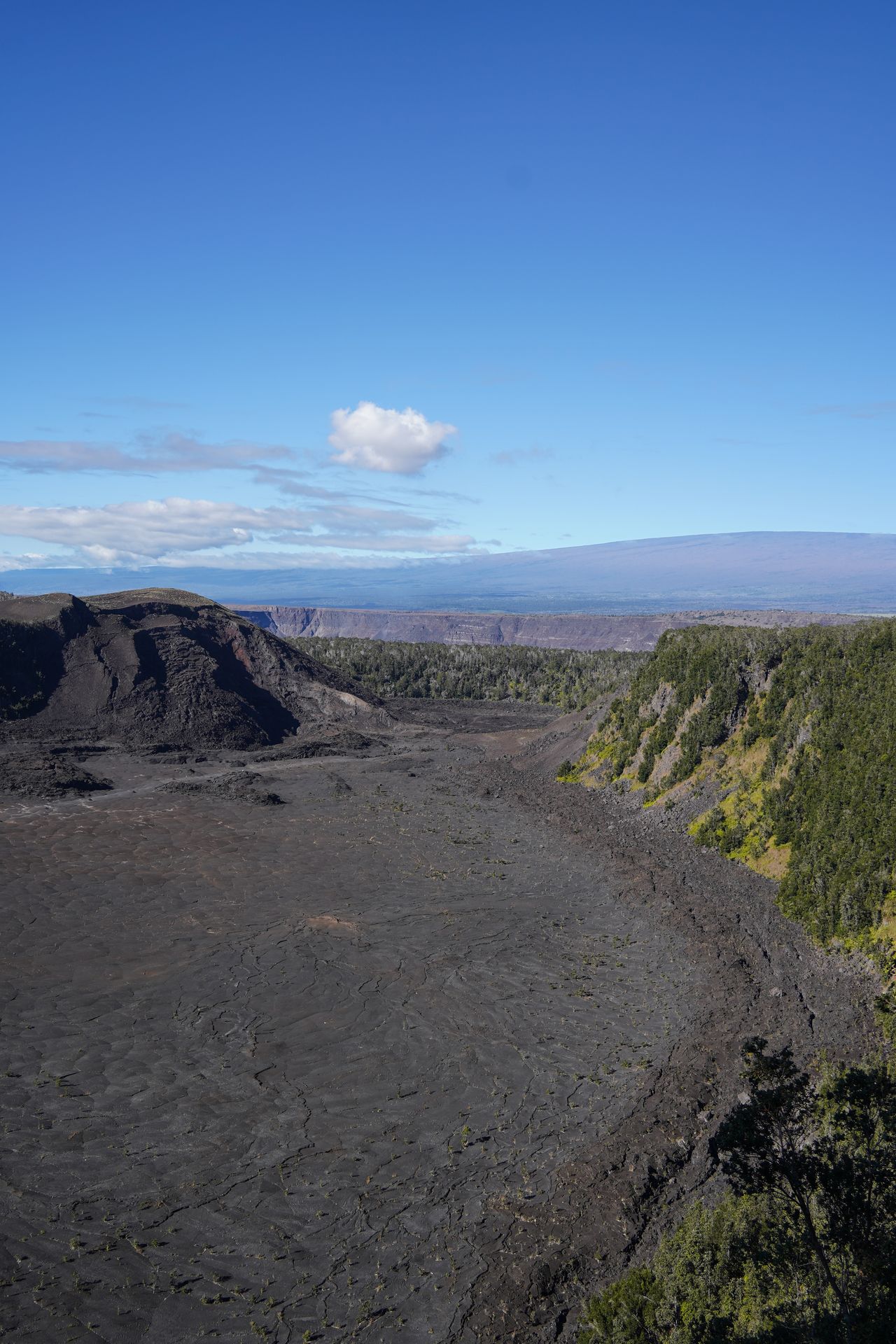
The Kilauea Craters Trail gives you an opportunity to walk on the floor of a crater and see a hardened lava lake up close.
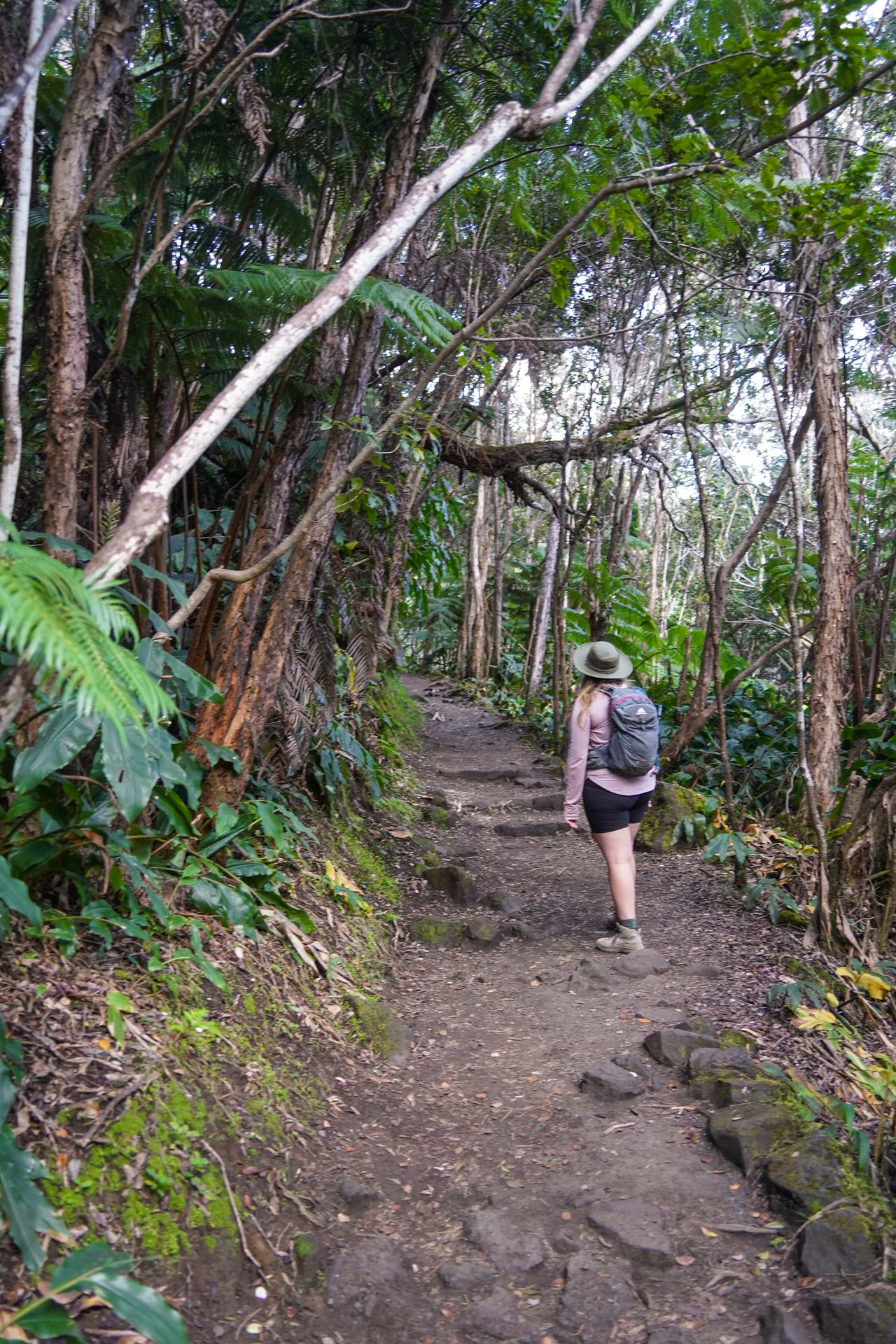
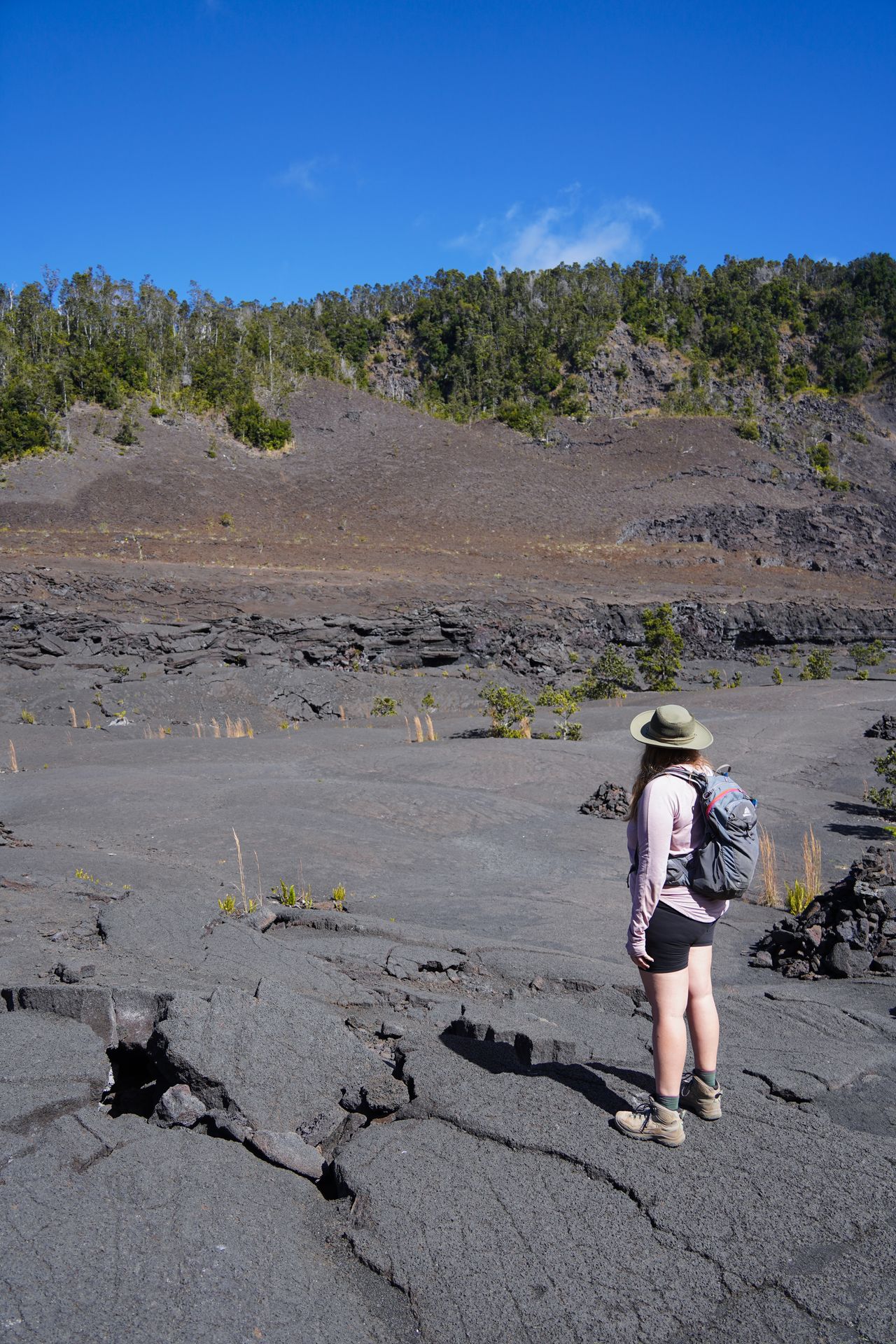
Pro Tip: Portions of this trail are often closed due to volcanic activity!
The trail includes portions of the crater rim with great views looking down at the craters, portions where you’ll be walking on a solid lava lake, and even rainforest portions as you hike between the rim and floor. It offers great variety!
It was especially interesting to see the different types of lava flow on the crater floor. Some areas are jagged, while others are smooth. This landscape has been completely transformed by eruptions over the last 50+ years.
If you’re wanting to enjoy a longer hike in the park (but still not too long), this trail is a must!
While it makes sense to try to park at the Kīlauea Iki Overlook for this trail, parking is very limited there. It’s best to start your hike near Kīlauea Visitor Center parking area, Devastation Trailhead, or Puʻupuaʻi Parking Area. Luckily, many of the trails in this area connect.
Drive Chain of Craters Road
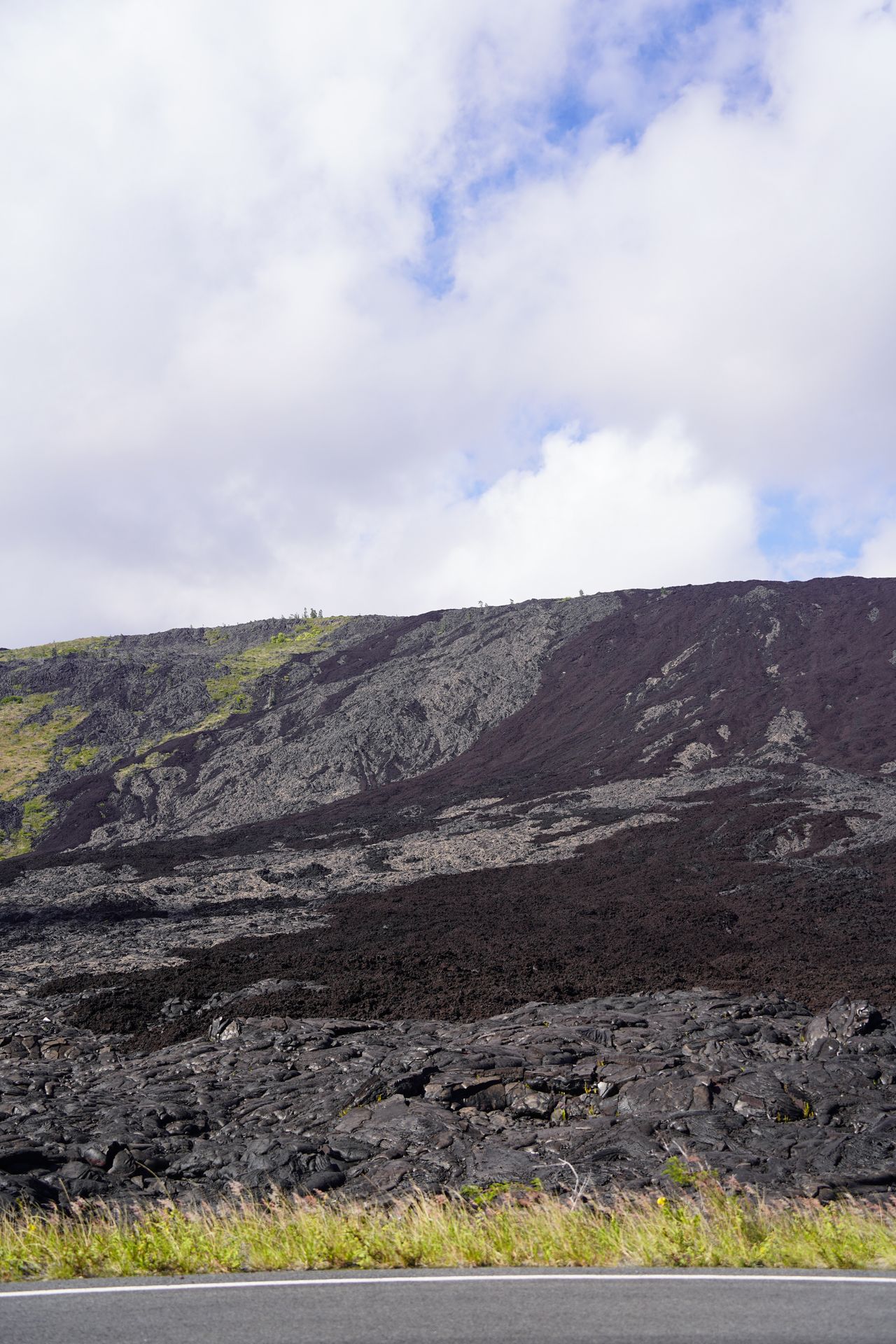
A scenic drive on the Chain of Craters Road is one of the best things to do in Hawaii Volcanoes National Park! The drive begins at the rim of the craters and takes you all the way down to the coast, descending almost 4,000 feet.
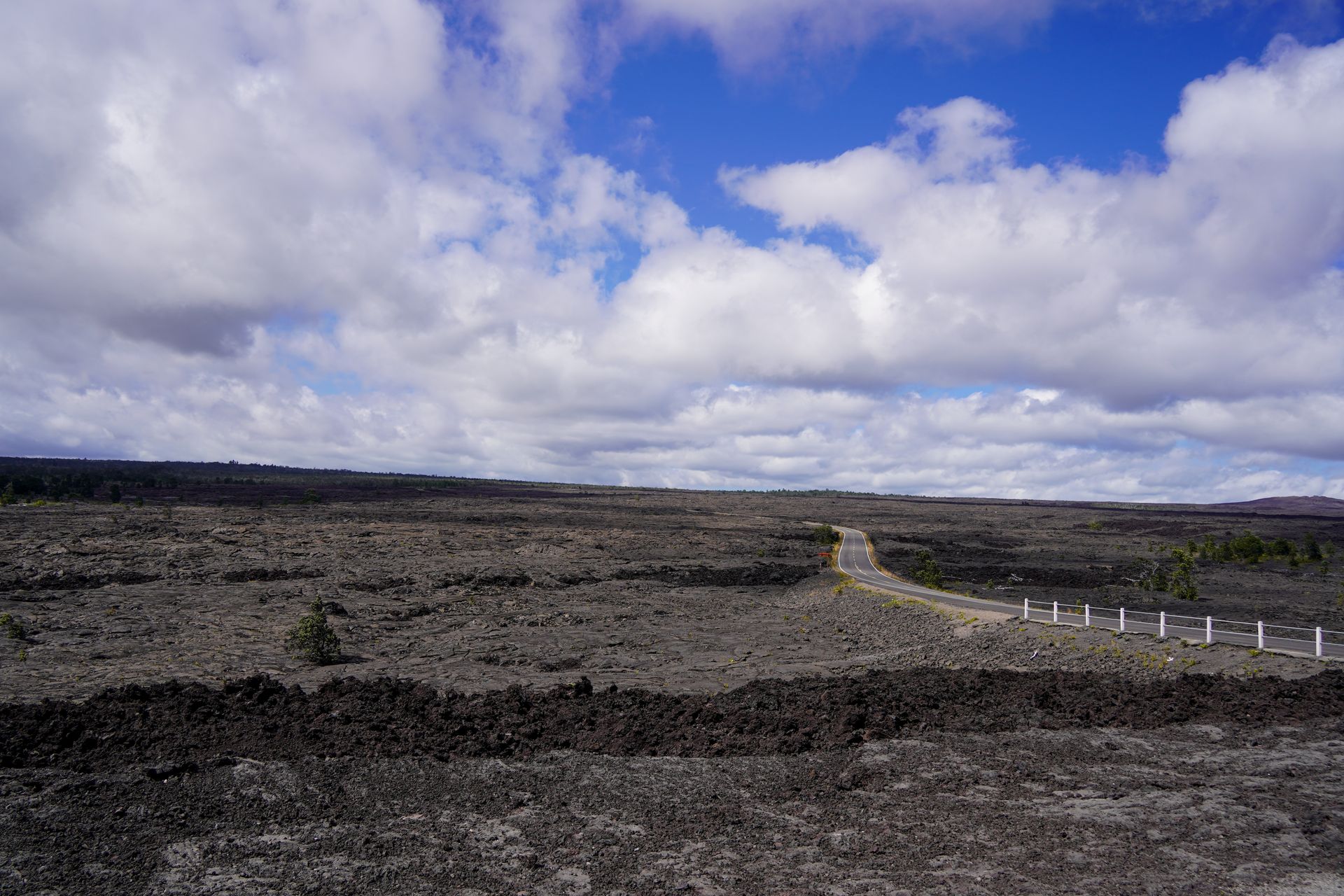
Along the way, you’ll see the hardened, former lava flows that have shaped this park. Plus, there are several overlooks you can stop at. I particularly enjoyed the Puhimau Crater, which is a large pit, and the Kealakomo Overlook, which has views of lava flows and the ocean. I recommend listening to your Guide Along app for recommendations on where to stop!
Fun Fact: This is some of the newest land on earth.
Walk the Petroglyph Trail
The Pu'uloa Petroglyph Trail is one of the best stops on the Chain of Craters scenic drive. The hike is just over a mile and relatively flat, but there is no shade, so be sure to bring a hat and sun protection.
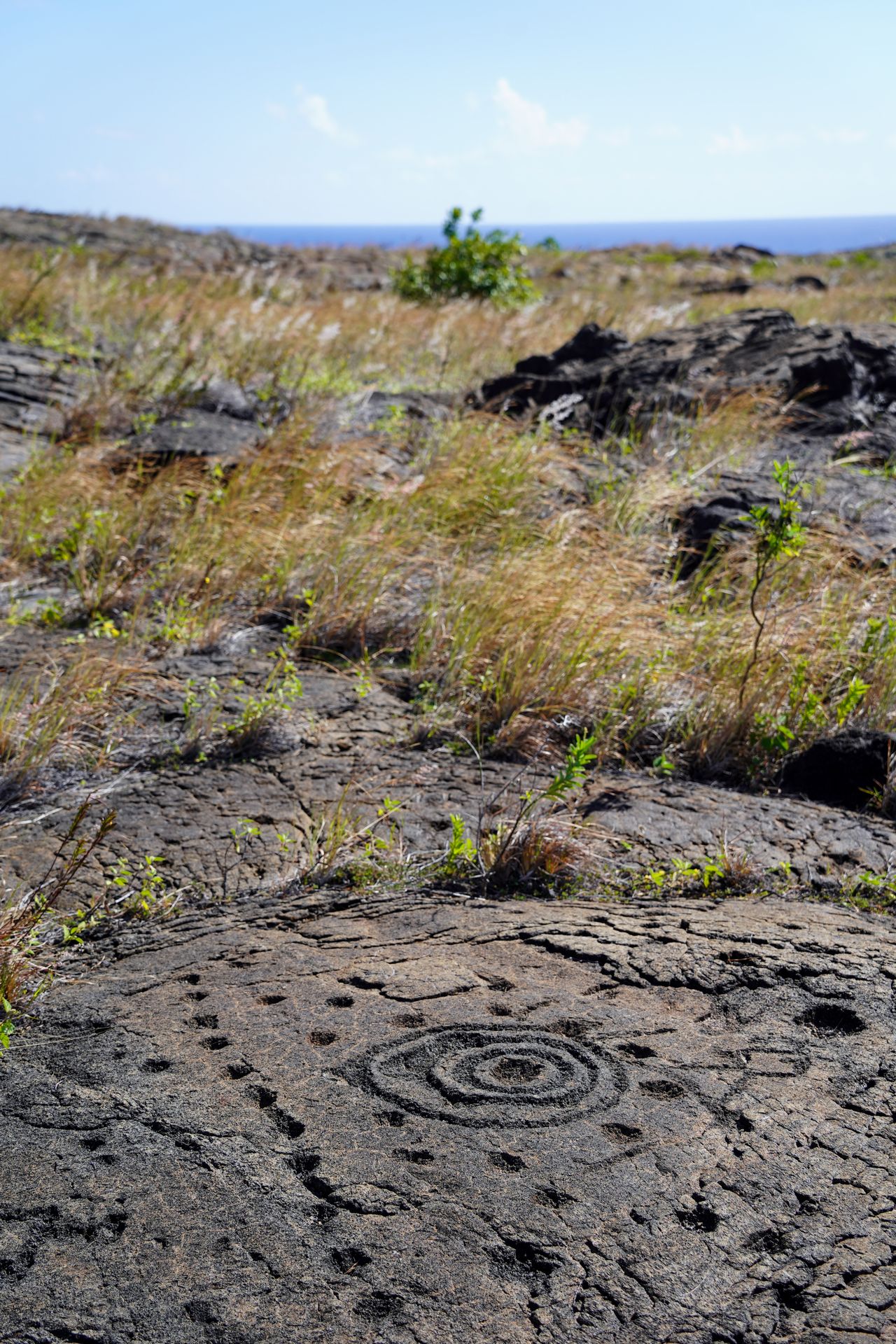
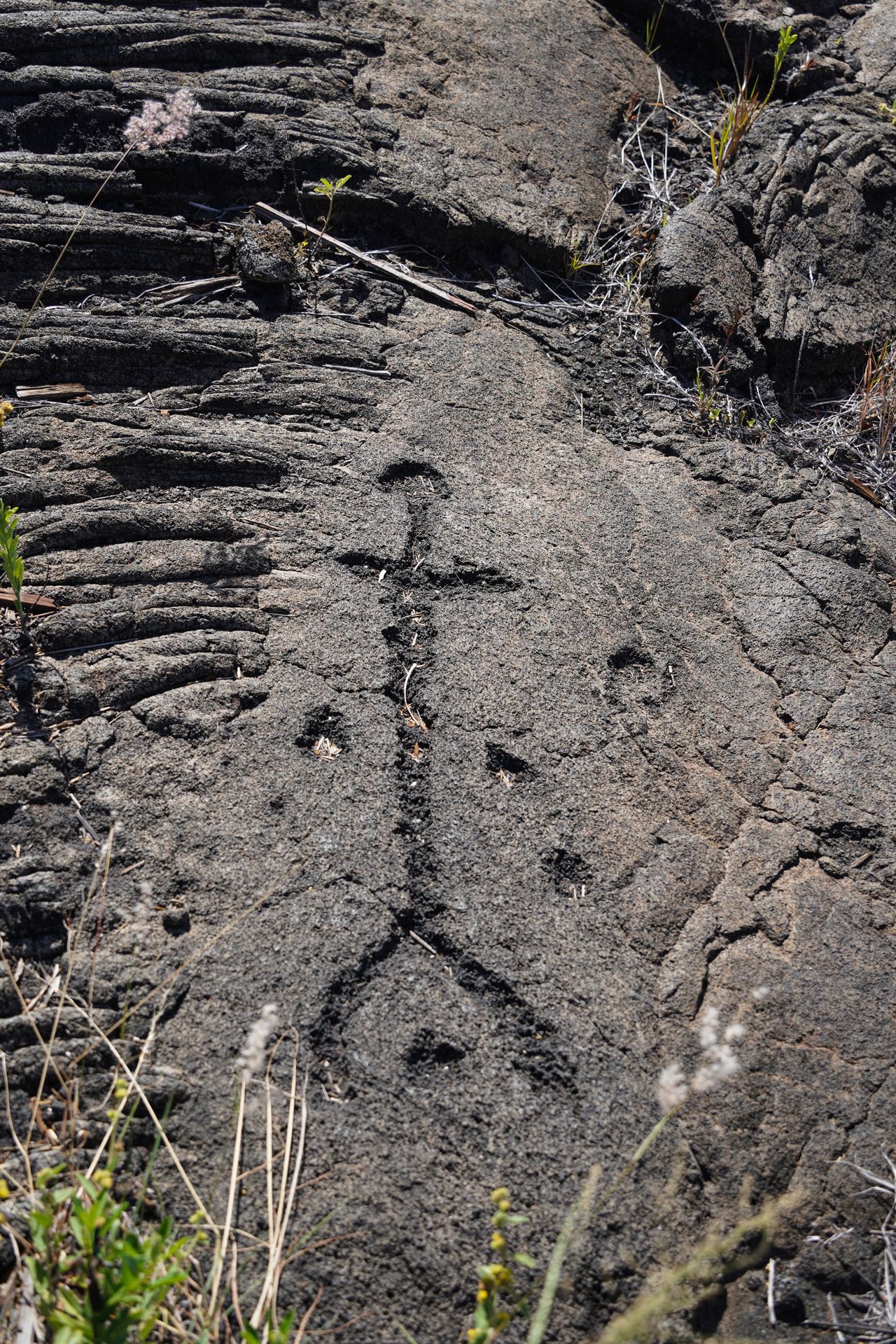
Pu’uloa is a sacred site in Hawaii. In fact, it’s the largest concentration of petroglyphs out of all of the Hawaiian islands. The site was used ritually for over 500 years and there are over 23,000 images in the rocks.
One thing you might notice is many dots, which actually represent the umbilical cord (piko in Hawaiian). This represents knowledge, feelings and a connection to Papahānaumoku, the Hawaiian earth mother.
This is a special place, so make sure to visit with respect. Stay on the trails and do not step on or touch any petroglyphs, and be sure to pack out your trash.
Visit the Hōlei Sea Arch
At the end of Chain of Craters Road, you can see the Hōlei Sea Arch. The 90-foot tall arch extends out from the steep sea cliffs. It was carved from an ancient lava flow 550 years ago.
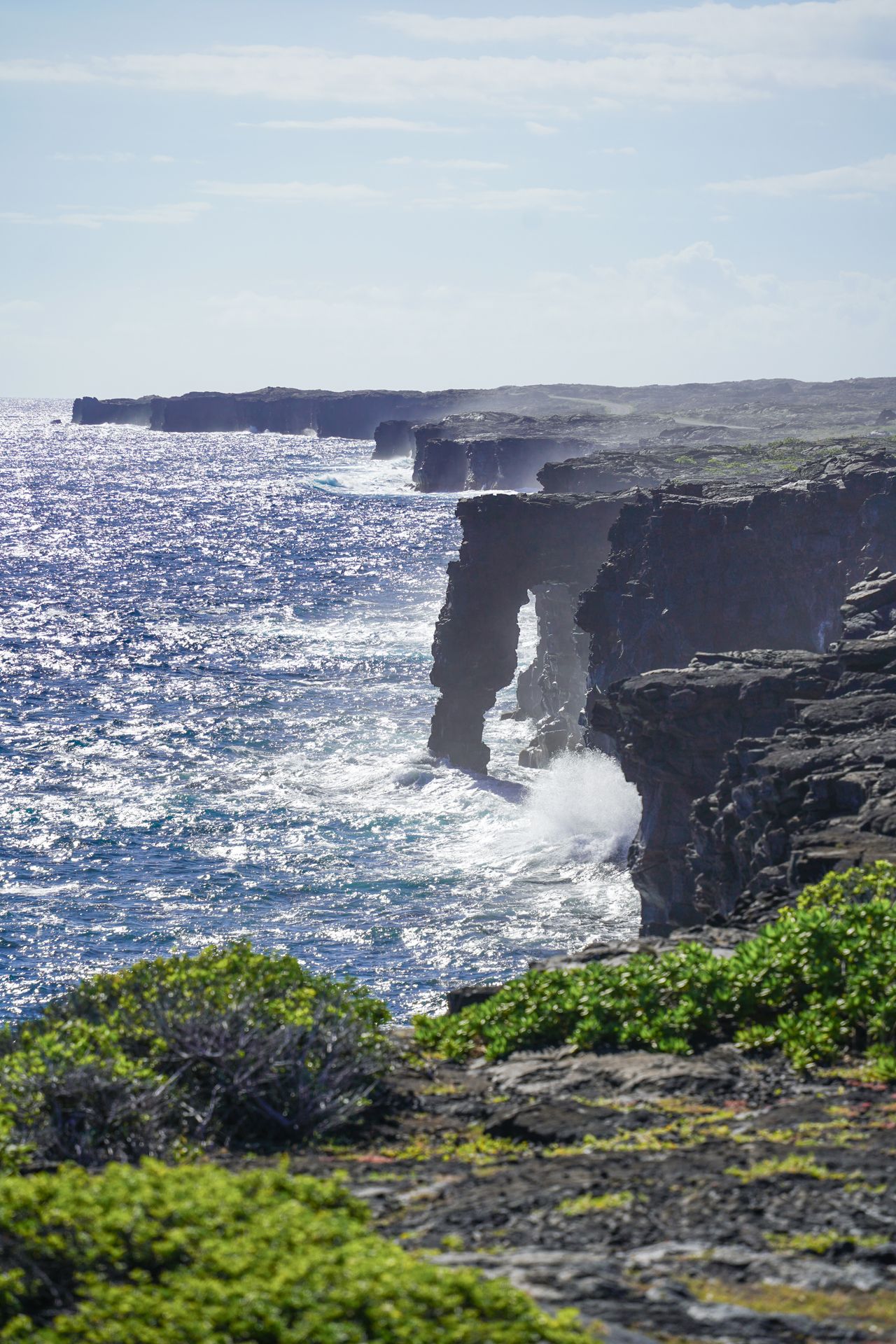
To see the arch, you’ll need to take a short walk from the parking area.
The really interesting part about this arch is that it is temporary. The park service shares that it will eventually collapse into the sea, but others will replace it. It’s a beautiful cycle of erosion, lava flows and the ever-changing landscapes that are present here.
Do you love visiting US national parks? Check out my tips for how to avoid crowds!
Visit the Steam Vents
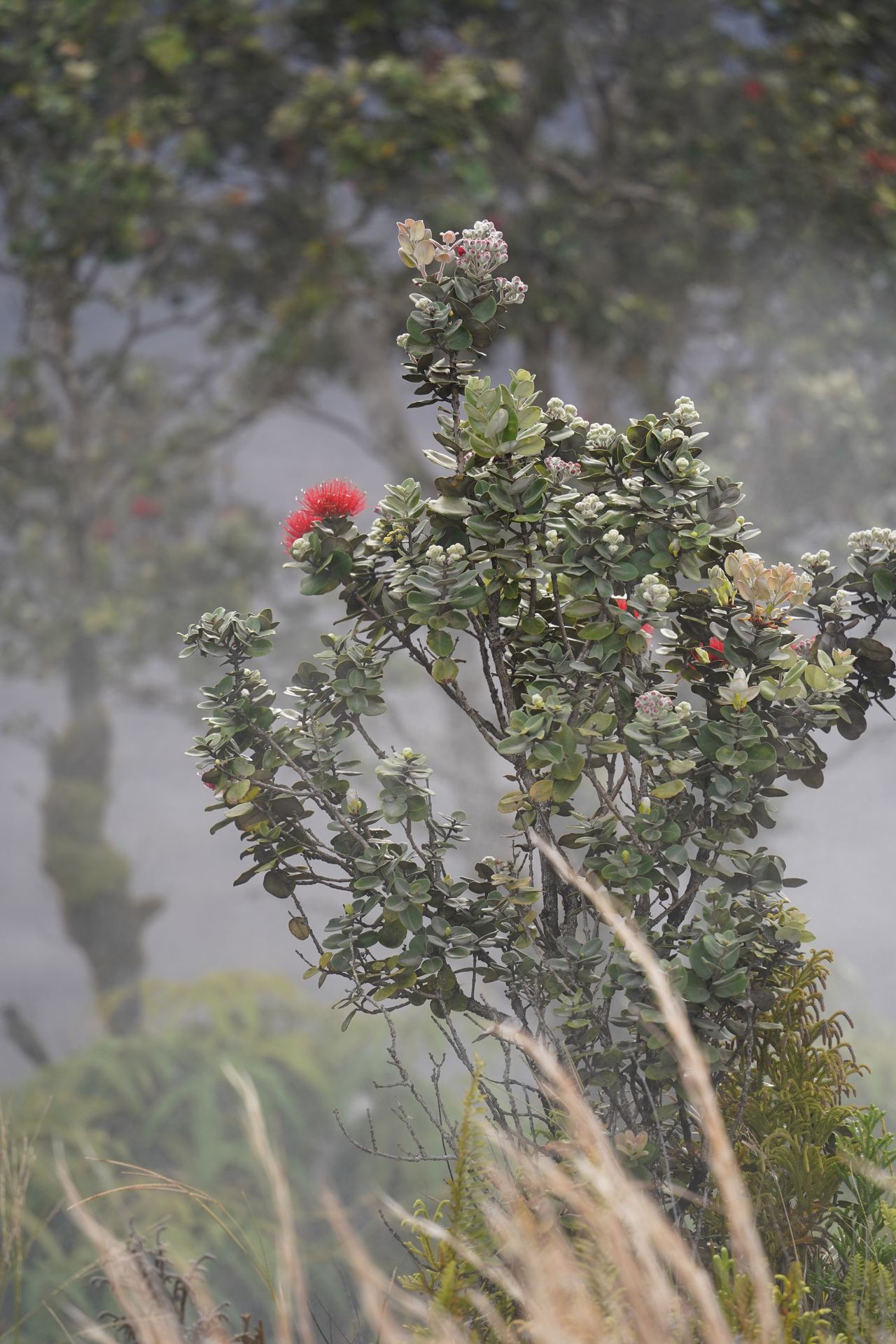
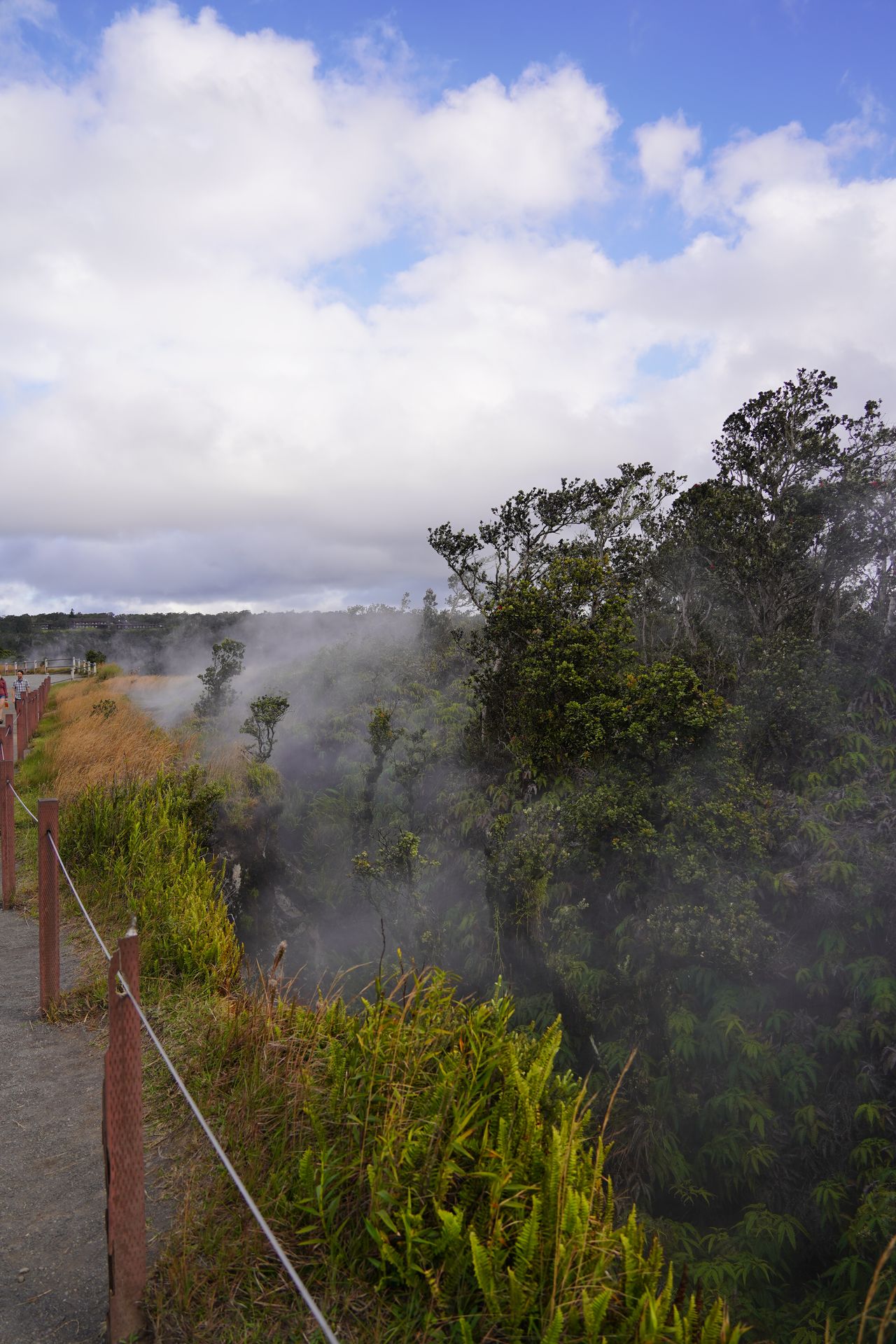
The Steam Vents, or Wahinekapu, is a place along the rim of Kīlauea where you can see and feel the hot water vapor billowing from the ground. It’s created from underground magma vaporizing the water. It’s an eerie feeling to walk among the steam.
Visit the Sulphur Banks
The Sulphur Banks, or Ha'akulamanu, are similar to the Steam Vents, except that you can see yellow sulfur and will smell the hydrogen sulfide (it smells like rotten eggs).
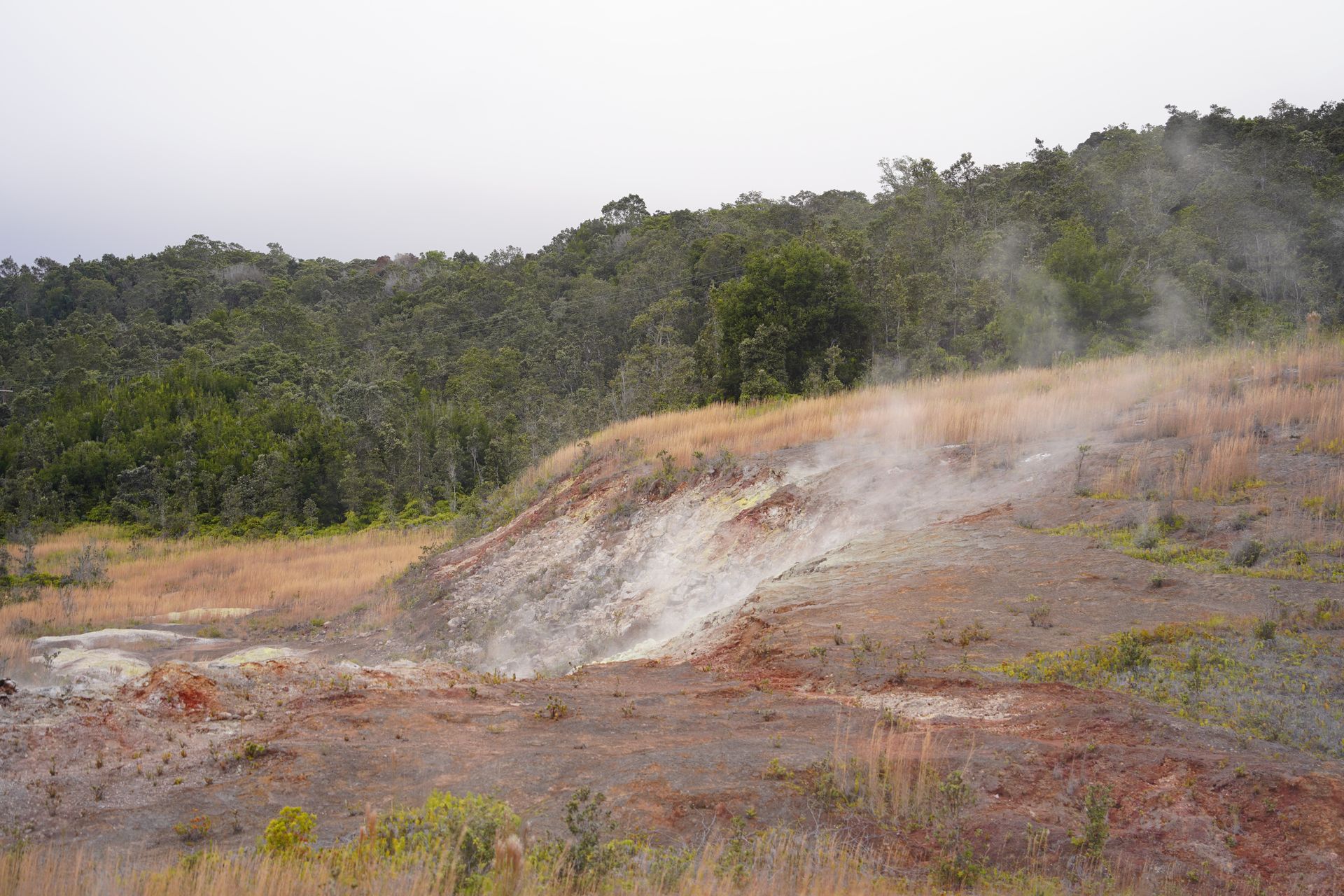
You can take a short, paved walk from the visitor center to reach this site. You’ll start by walking through a tropical forest, and then will emerge to see the sulphur banks. This spot really reminds me of Yellowstone!
Pro Tip: The park recommends that anyone with respiratory issues should spend very little time here.
Visit the Uēkahuna and Kīlauea Overlooks
Finally, be sure to stop at the Uēkahuna and Kīlauea Overlooks to admire Kīlauea from above. The Uēkahuna overlook is a site where Native Hawaiian people honor the Hawaiian volcanic deity, Pelehonuamea. The viewpoint sits at an elevation of over 4,000 feet, so it offers great views of the surrounding island, along with the Kīlauea caldera.
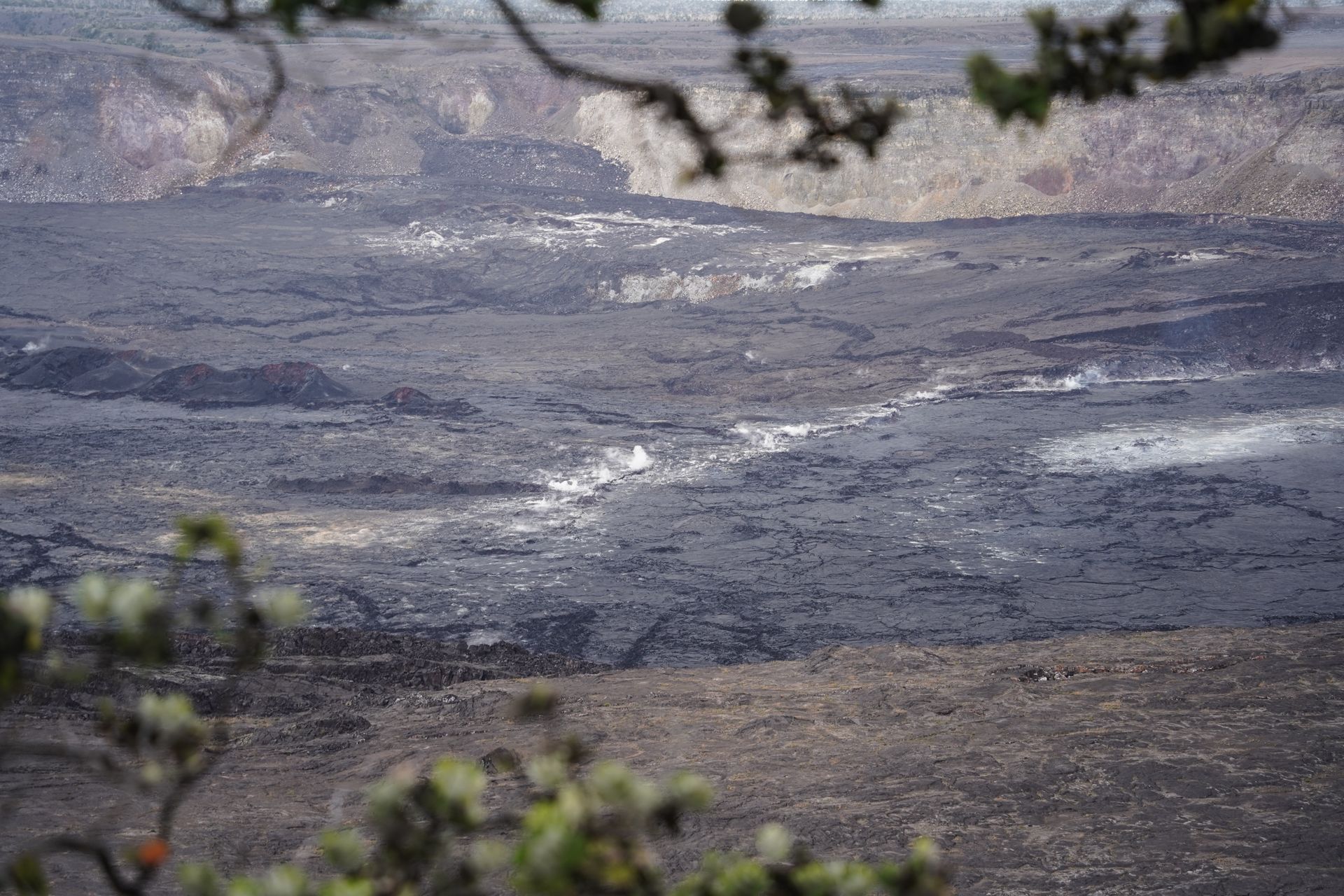
The Kīlauea Overlook provides some of the best views looking down into the caldera and Halemaʻumaʻu crater. If you’re lucky enough to visit during an active eruption, these are incredible viewpoints to see the red lava below.
Where to Stay when Visiting Hawai’i Volcanoes National Park
If your top priority is to maximize your time in the national park, you may want to stay right outside the park in the town of Volcano. There are some great places to stay here, such as the Volcano Rainforest Retreat or the Volcano Village Estates. There are also some beautiful cabins on Airbnb.
However, most visitors base themselves in Kona or Hilo during their time on the Big Island. Both of these cities have a range of restaurants, and make for great bases for exploring all over the island.
Hilo is the closer choice (about an hour away from the park, while Kona is 2 hours). A few of the best places to stay in Hilo include the Old Hawaiian Bed and Breakfast, the Hilo Hawaiian Hotel or the Hilo Beach House Inn.
More Things To Do Near Hawai’i Volcanoes National Park

- Visit Miranda's Farms Coffee Shop
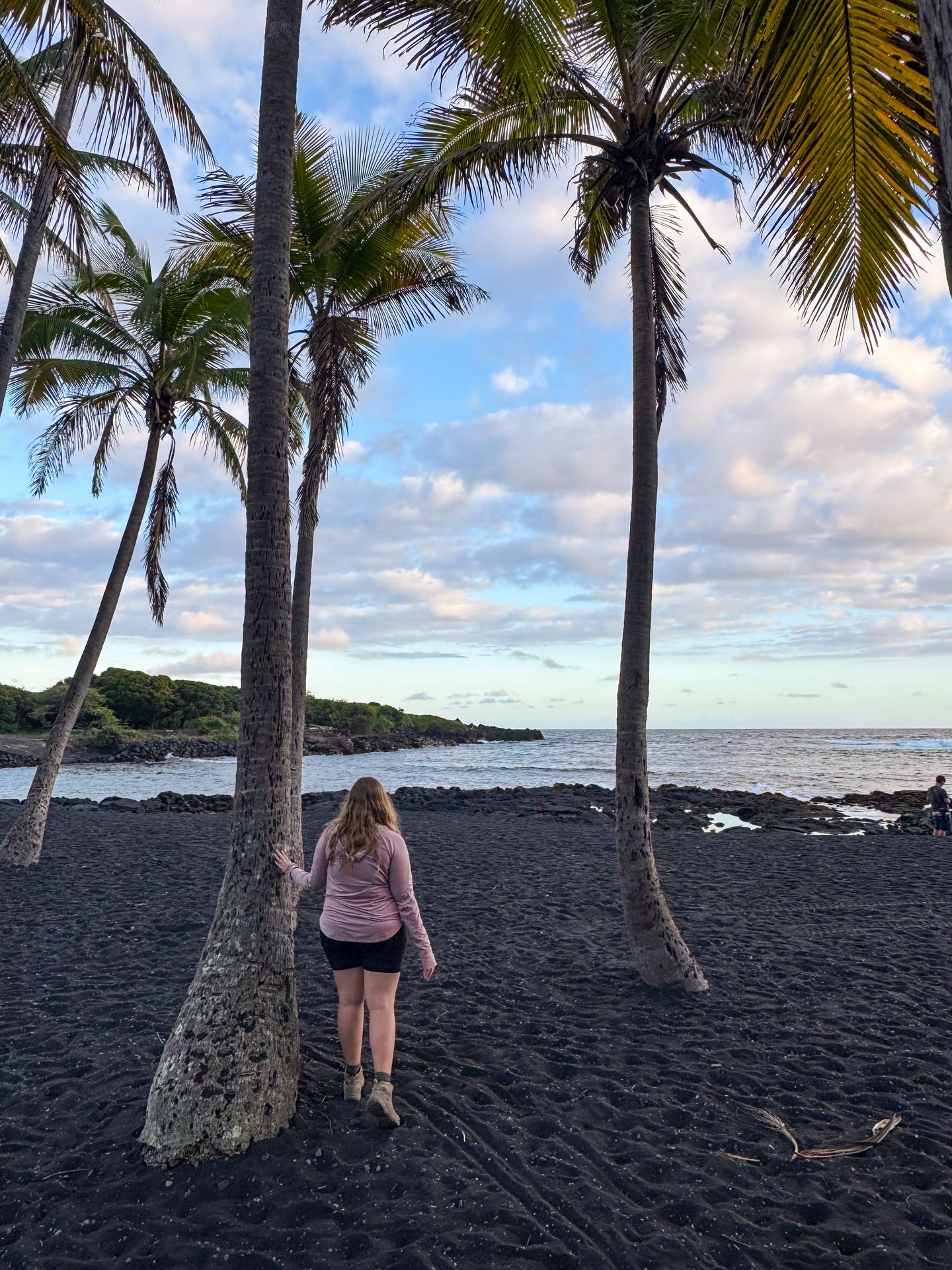
- Visit Punaluʻu Beach, a beautiful black sand beach.
- Grab a treat from Punalu'u Bake Shop
- Visit Papakōlea Green Sand Beach, which requires a 5.5-mile hike (or there are locals who offer rides to the beach in the back of pick up trucks).
- Visit the Southernmost point in Hawai’i at South Point Park. Cliff jumping is popular here, but it can be very dangerous.
Final Thoughts
I hope this guide helps you plan an amazing trip to Hawai’i Volcanoes National Park! Whether you’re visiting all of the Hawaiian Islands or just this one, this national park is a must-see on a Hawaiian vacation. The volcanic landscape is one that you won’t soon forget.
For more US National Park Guides, check out these blogs:
- A Guide to National Park of American Samoa
- The Perfect Channel Islands Itinerary
- How to Spend 2 Days in Zion
- The Best Things To Do in Bryce Canyon
- How to Spend 2 Days in Death Valley
- How to Spend 3 Days in Yellowstone
- A Guide to Visiting Isle Royale National Park
- How to Spend 2 Days in Olympic National Park
Thanks for Reading!


Let's stay in touch!
Join the Lost with Lydia email list to get monthly travel guides and tips!