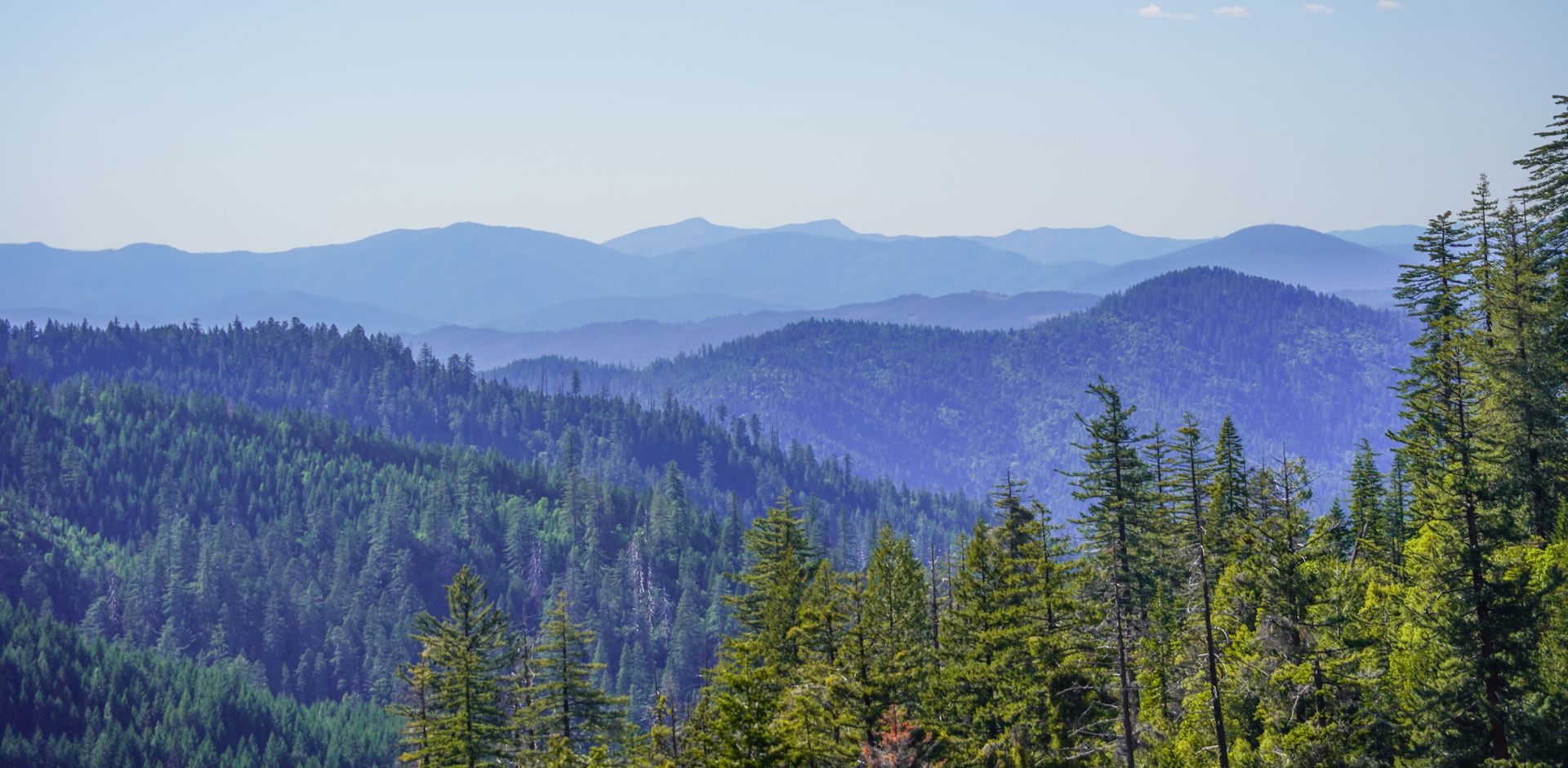
Lassen Volcanic is a national park that has been shaped by lava and fire. Lassen Peak erupted in 1915, and it forever changed the landscape of this region. Historic photographs of the eruption, taken by Benjamin F. Loomis, led to the area becoming a national park in 1916. It was the 11th US national park, so it’s one of the oldest in the park system.
More recently, (in 2021) Lassen was hit badly by the largest fire in California history, the Dixie Fire. While I don’t think this negatively affects anyone's visit today, you’ll see the burnt trees from this fire as you drive and hike around the park.
Lassen was also a meeting point for at least four Native American groups: the Atsugewi, Yana, Yahi, and Maidu. They lived in the area during the warmer months of the year.
This park is characterized by volcanic activity, and it even has at least one of each of the four types of volcanoes: shield, stratovolcano, cinder cone, and lava dome. However, the park is also rich in plant and animal life. Lassen has over 700 types of flowers, and 250 types of animals. It’s a place where multiple landscapes meet, and biological diversity thrives.
This guide shares many of the best things to do in Lassen Volcanic National Park, and is based on my experience visiting in September 2026.
Things To Know Before Visiting Lassen Volcanic National Park
- I talk more about this below, but this is a park that looks very different throughout the year, and is not fully accessible during the winter months. I recommend visiting between July and September for the best experience.
- Cell service is limited throughout the park. I recommend downloading offline maps before you go.
- I’m obsessed with Guide Along audio tours, and they have a tour for Lassen. This is a great way to learn about the park and discover stops along the way as you drive around!
- Lassen Volcanic charges a fee of $30 per vehicle during their peak season (April 16 - November 30). They actually drop the admission to $10 during the rest of the year. If you’re visiting multiple parks over the course of a year, it probably makes sense to purchase an America the Beautiful Pass.
When To Visit Lassen Volcanic National Park
Lassen sits at a high elevation and receives a lot of snow during the winter months. The main road through the park, Hwy 89, typically closes for the season in mid to late November, and reopens in late May to mid-June. So, you’ll want to visit between June and October to enjoy full access to the park. Within that period, July through September tends to offer the best conditions.
How To Get To Lassen Volcanic National Park
Lassen Volcanic National Park is a bit remote, and doesn’t have public transportation. The closest commercial airport is in Redding, just one hour from the park. However, this airport has limited options, so most visitors fly into Sacramento, or elsewhere.
The Sacramento International Airport is located 3 hours south of the park, and is a great option with lots of flights.
I actually flew into Medford, Oregon, which is 3 hours north of the park. This made it super convenient to combine my trip to Lassen with visits to Mt Shasta and Lava Beds National Monument.
The Best Things To Do in Lassen Volcanic National Park
Hike Around Manzanita Lake
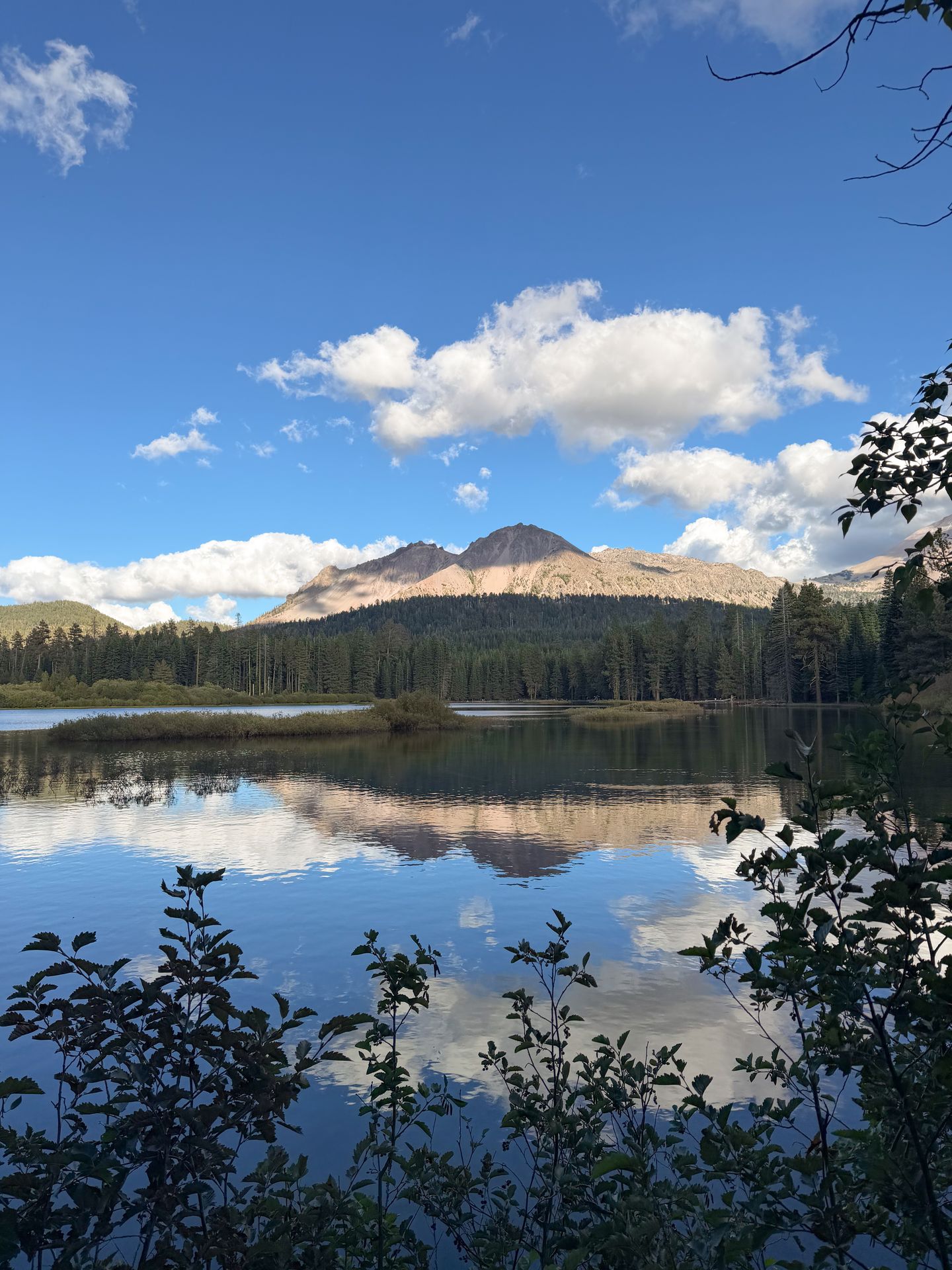
Manzanita Lake is a beautiful trail that leads around a scenic lake. Each side of the lake offers a different view, and the best views facing Lassen Peak as it reflects onto still water. It’s a great spot to watch for birds, watch the sunset, or enjoy a picnic.
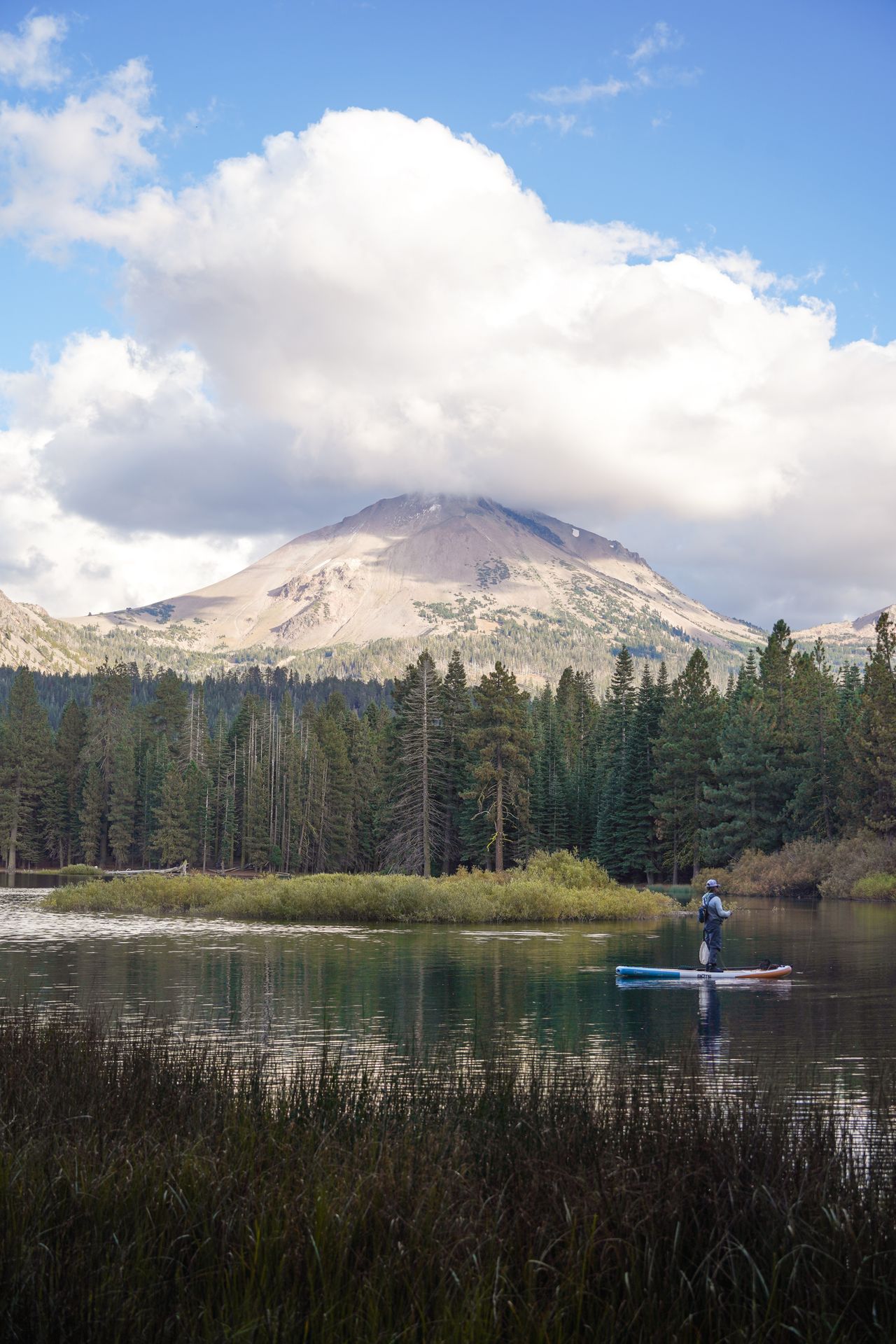
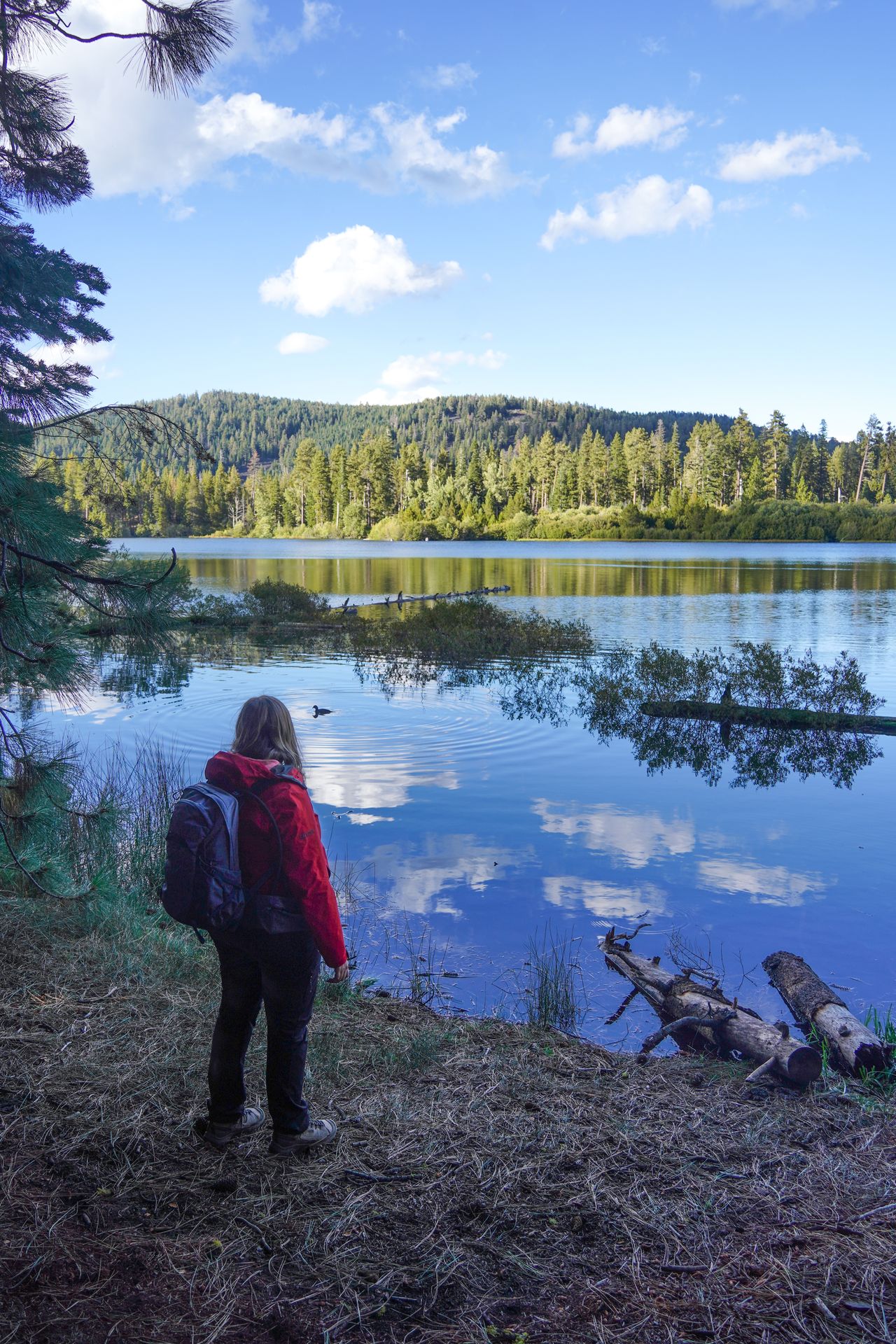
Across the street, you can also add on a hike around Reflection Lake, which is a bit smaller. It’s nice, but in my opinion, it doesn't have as nice of a view as Manzanita Lake.
The hike around Manzanita is just under 2 miles, and mostly flat. It’s a great friendly-friendly trail. It can be crowded, so be patient if you’re struggling to park.
Fun Fact: There is a historic seismograph next to Manzanita Lake and the Loomis Museum. It was the second one of its kind.
Hike the Bumpass Hell Trail
Bumpass Hell is the best hike to admire hydrothermal features inside of Lassen. This unique area feels like a mini-Yellowstone, and is the largest hydrothermal area inside the park. If you can only do one trail in Lassen, I would do this one!
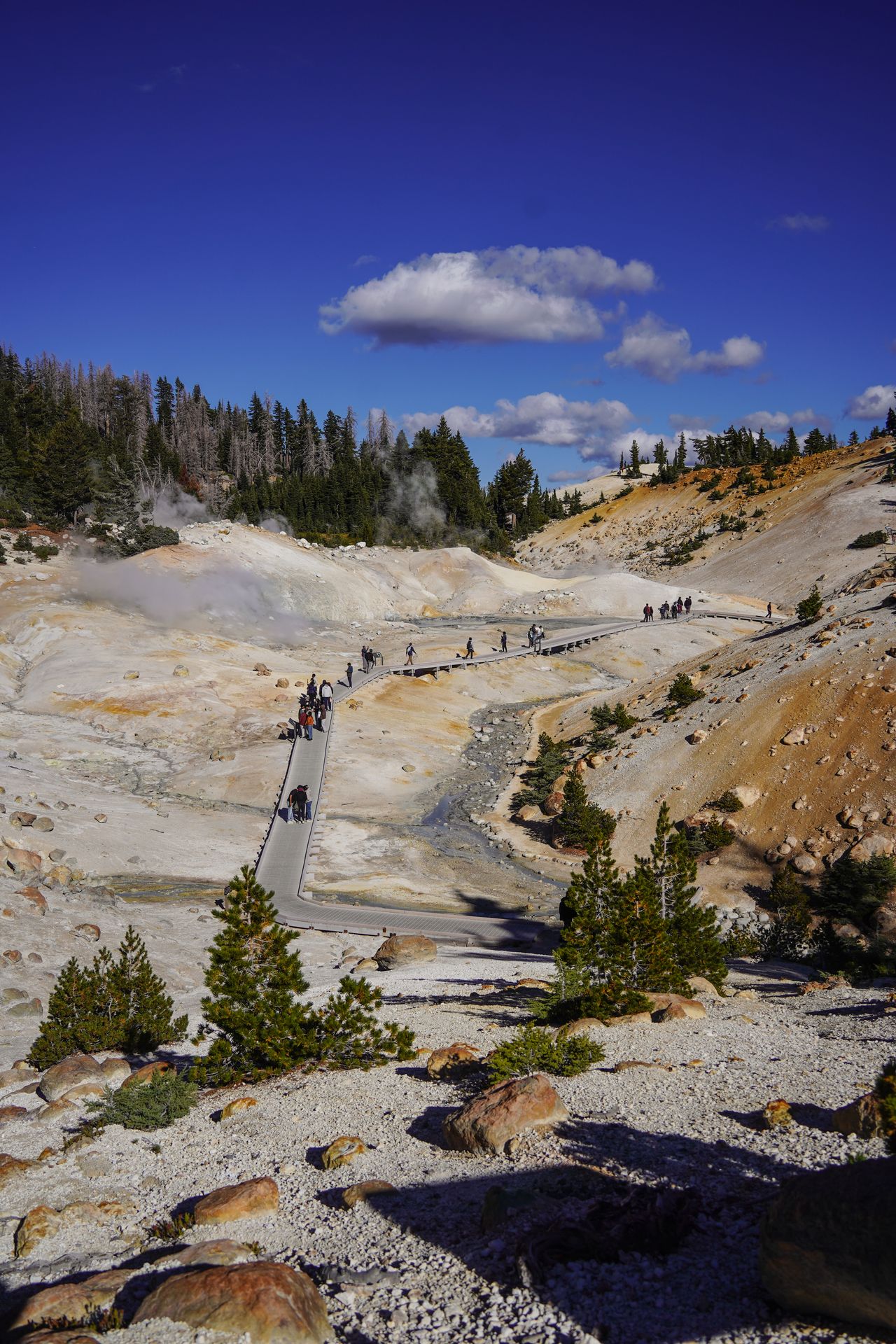
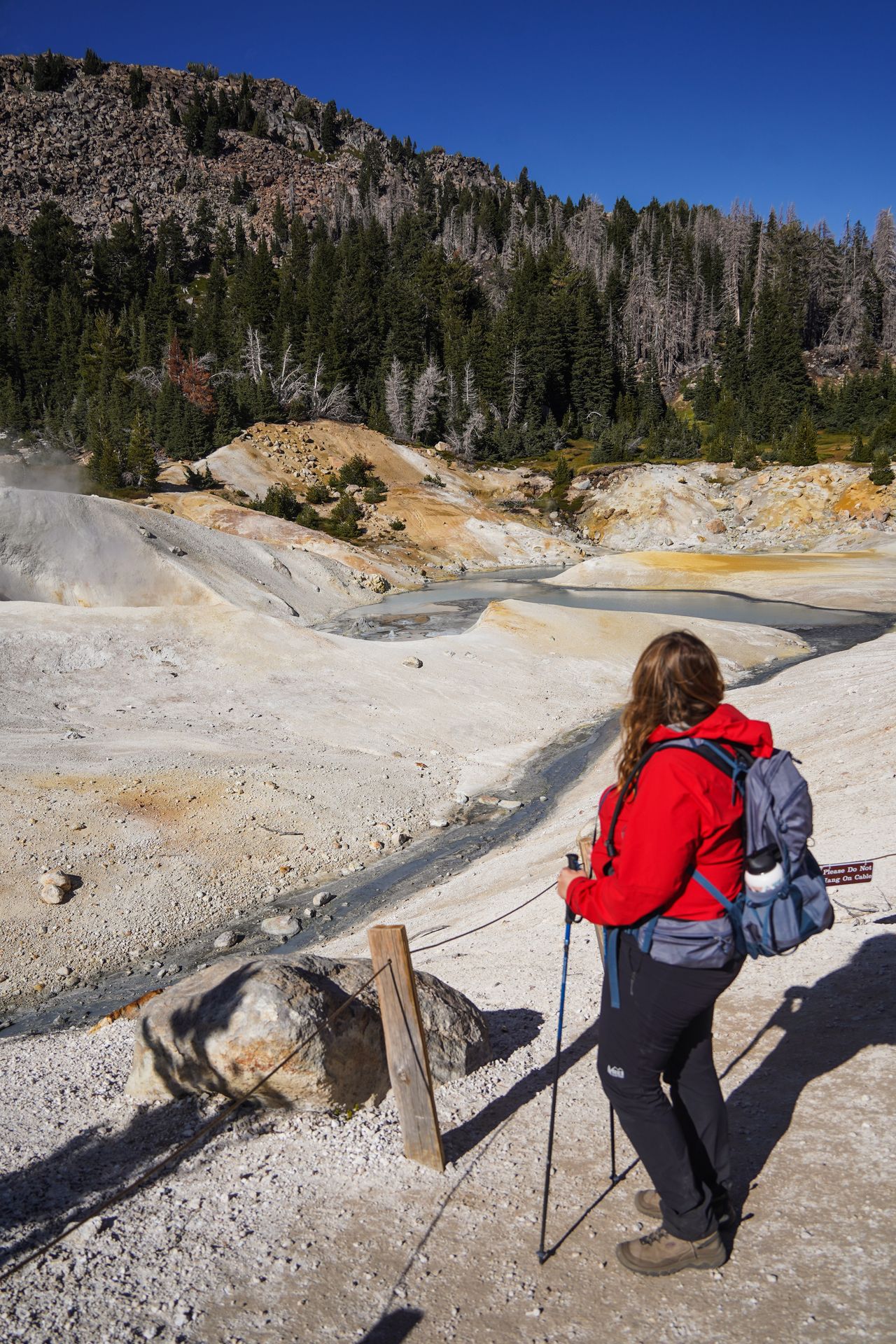
When you reach your destination, there is a boardwalk trail that goes over and around geothermal features. All of your senses (except for taste, I suppose) will be active as you admire bubbling mud, feel the steam, and waft in the strong scent of rotten eggs. It’s a very unique place.
The hike is 3 miles and has some amazing views along the way of a massive valley and the surrounding mountains. This trail is super popular, and parking can be an issue. On the weekends, you’ll probably need to arrive early to snag a parking spot. If you’re able to hike 3 miles, I think this is a must-do experience in Lassen!
Hike the Cinder Cone Trail
If you’re up for a challenge, the Cinder Cone Trail offers some epic views. This hike is not off the main park road, so you’ll need to plan accordingly. You’ll need to travel 6 miles on an unpaved road to reach the trailhead, but any car should be able to make it.
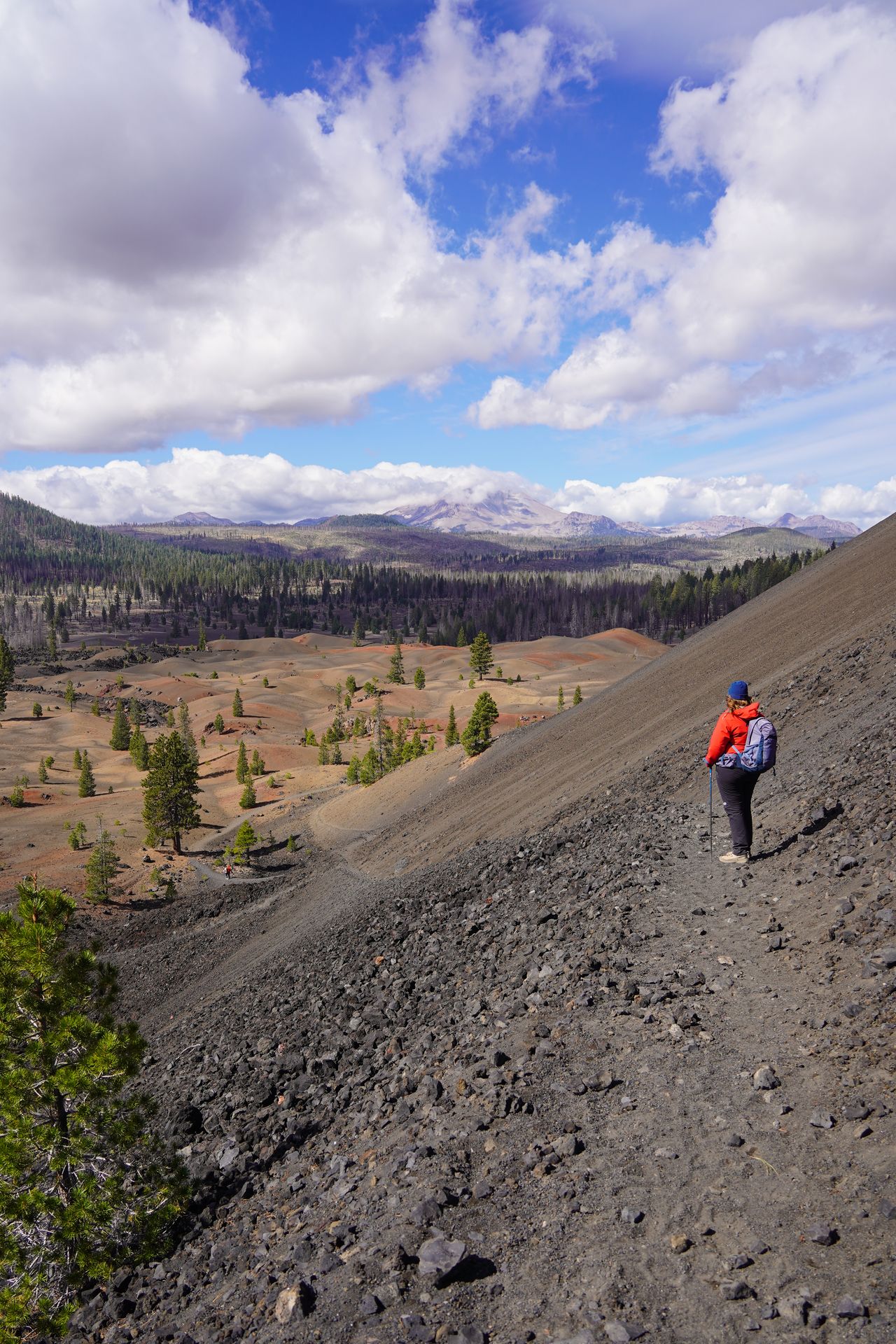
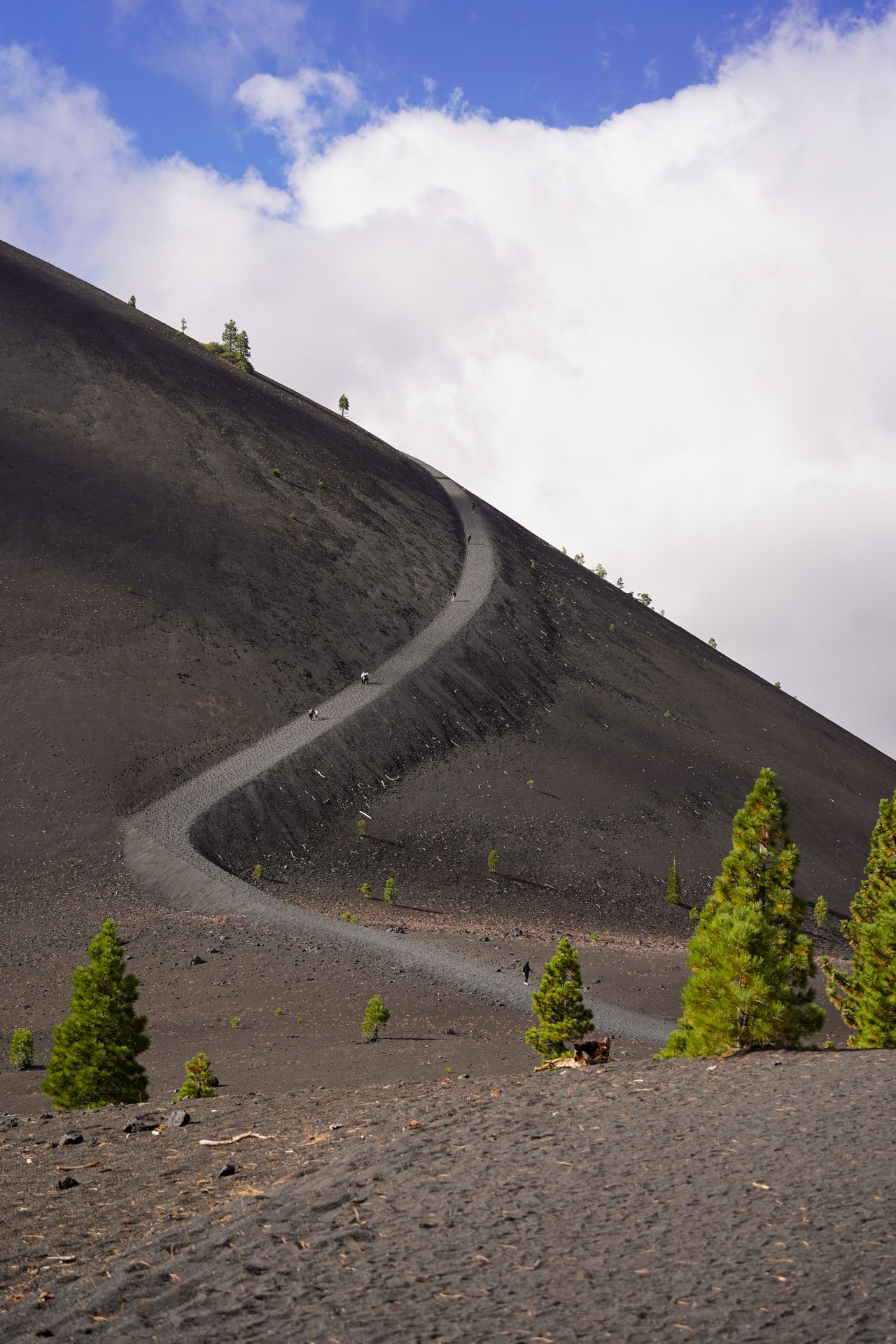
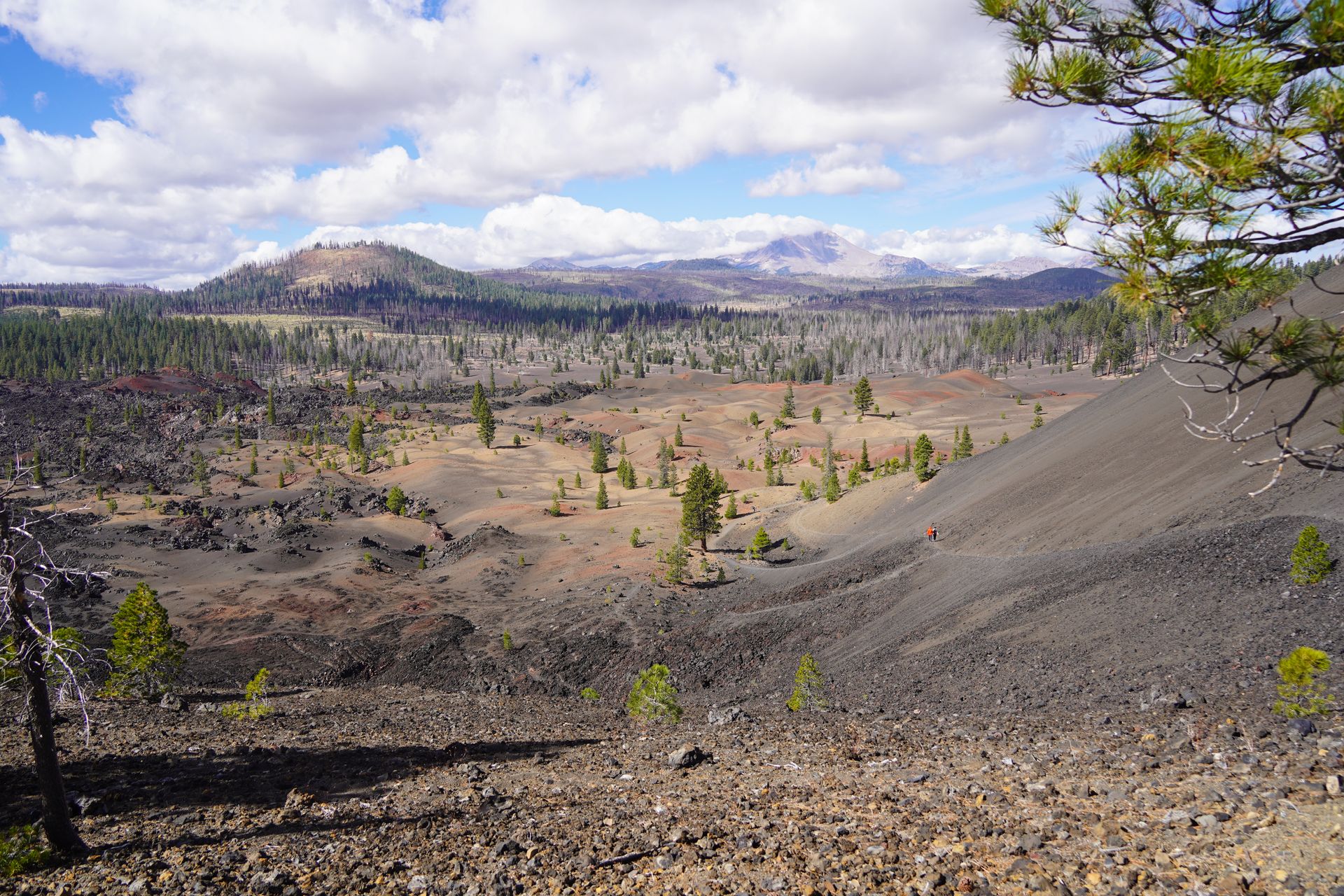
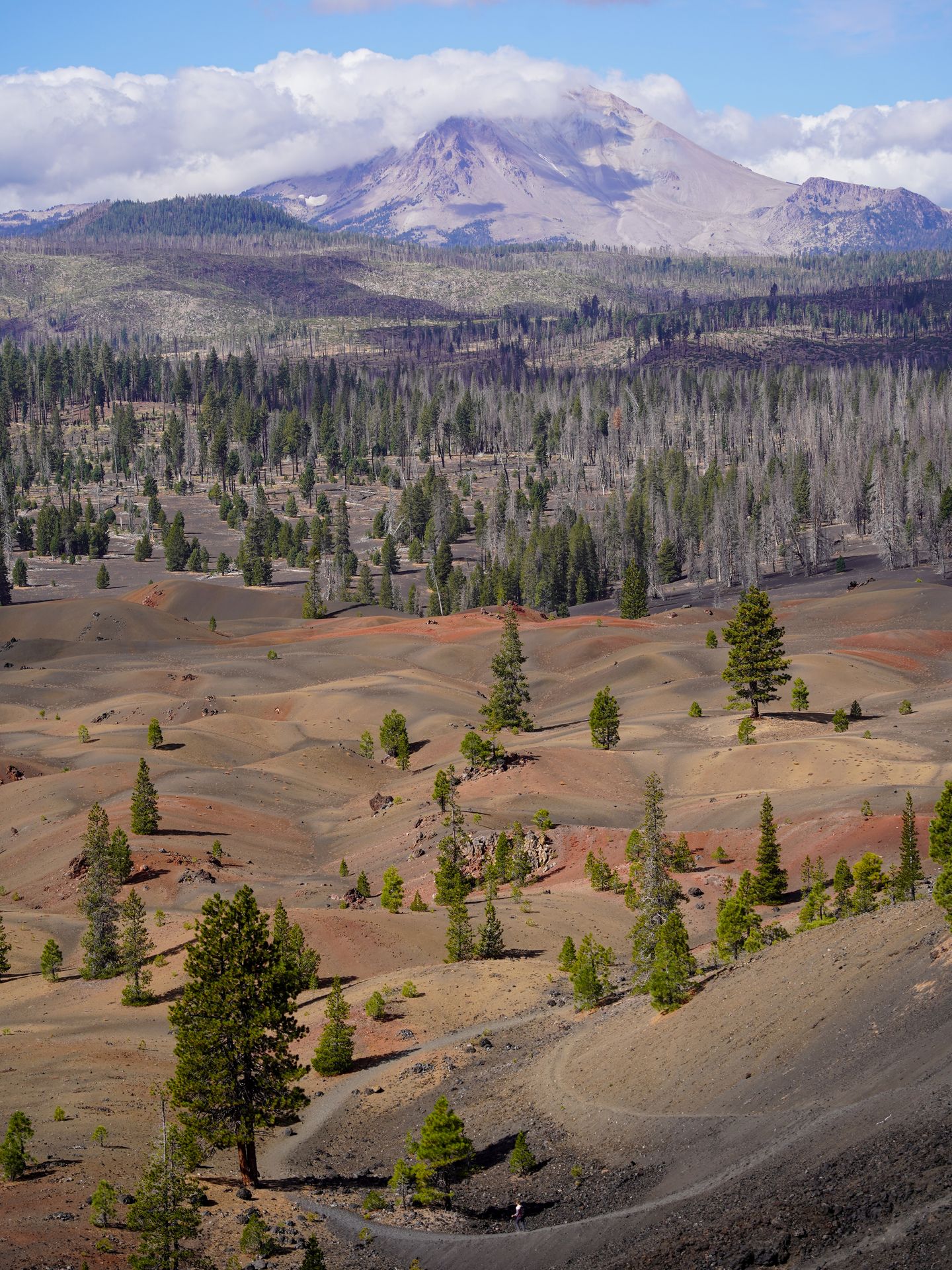
The main feature of this trail is climbing a large, cinder cone volcano. At the top, there is a massive crater, and you have the option to hike down to its base. From the top, you’ll have epic views of the Painted Dunes and the Fantastic Lava Beds.
The Painted Dunes are a collection of dunes colored with bits of red, and scattered with trees. Next to them, the Fantastic Lava Beds stand in contrast. It’s a former lava flow made up of jagged, black rocks.
The trail begins relatively gradually, but the climb up the cinder cone is quite intense. You’ll be gaining about 700 feet of elevation gain in less than a half mile, and you’ll be climbing up sand. It’s kind of like taking one step up, and two steps back down as you slide around.
The views at the top are worth it, and you have the option to hike into the crater, or around the rim. You can return the way you came, or there is another way down on the other side of the crater. Hiking down the backside offers the best views of the colorful painted dunes. However, the climb down is quite steep. It’s helpful to have hiking poles.
While this trail is challenging, I thought it was very much worth it. Overall, the round trip hike is just under 5 miles with 1,141 feet of elevation gain.
Hike to Kings Creek Falls
The hike to Kings Creek Falls leads to a 30-foot waterfall, and has some amazing views of cascades flowing among rocky terrain. Much of this trail involves walking through an area that was burned in the 2021 Dixie Fire. It’s sad to see, but still a beautiful area.
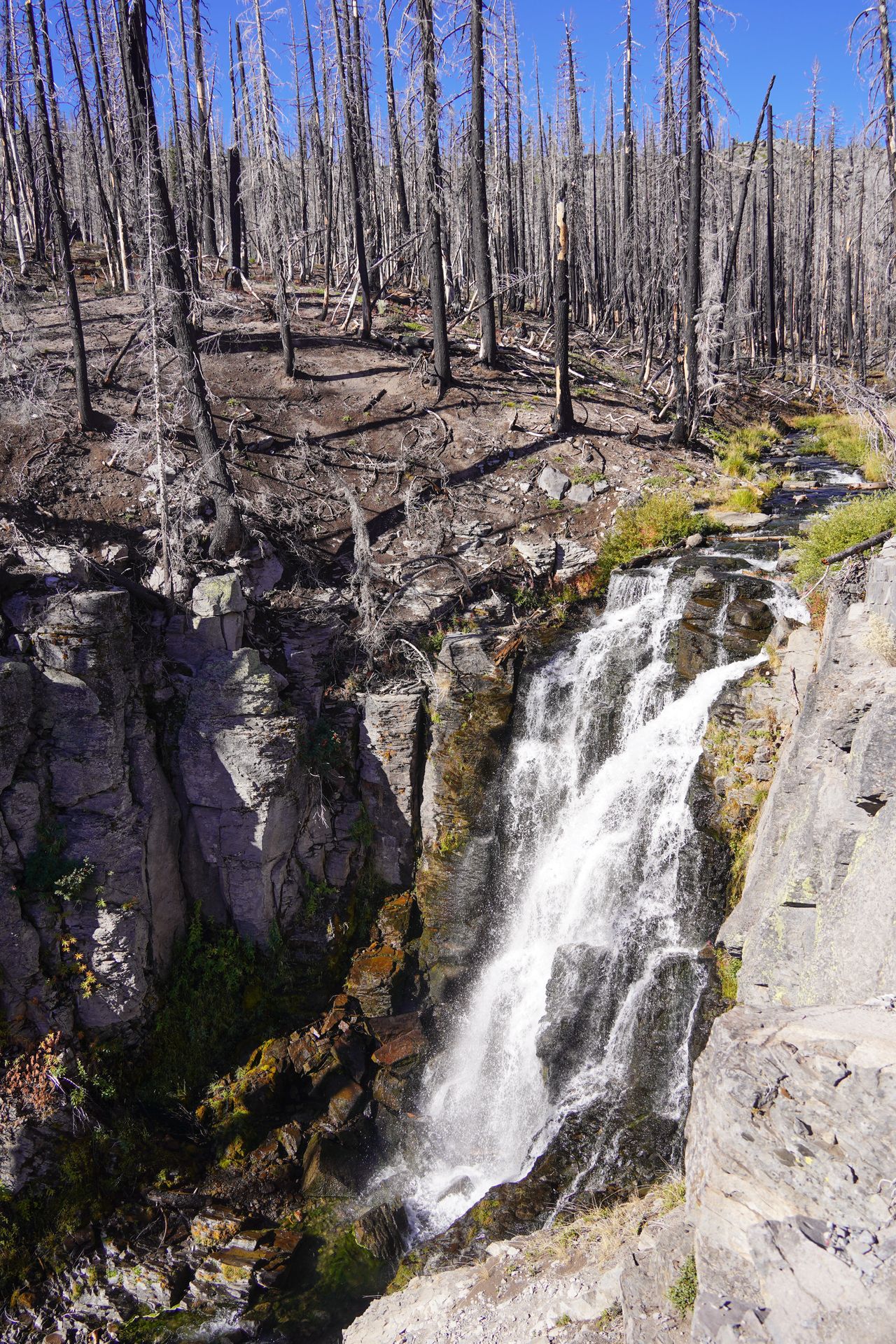
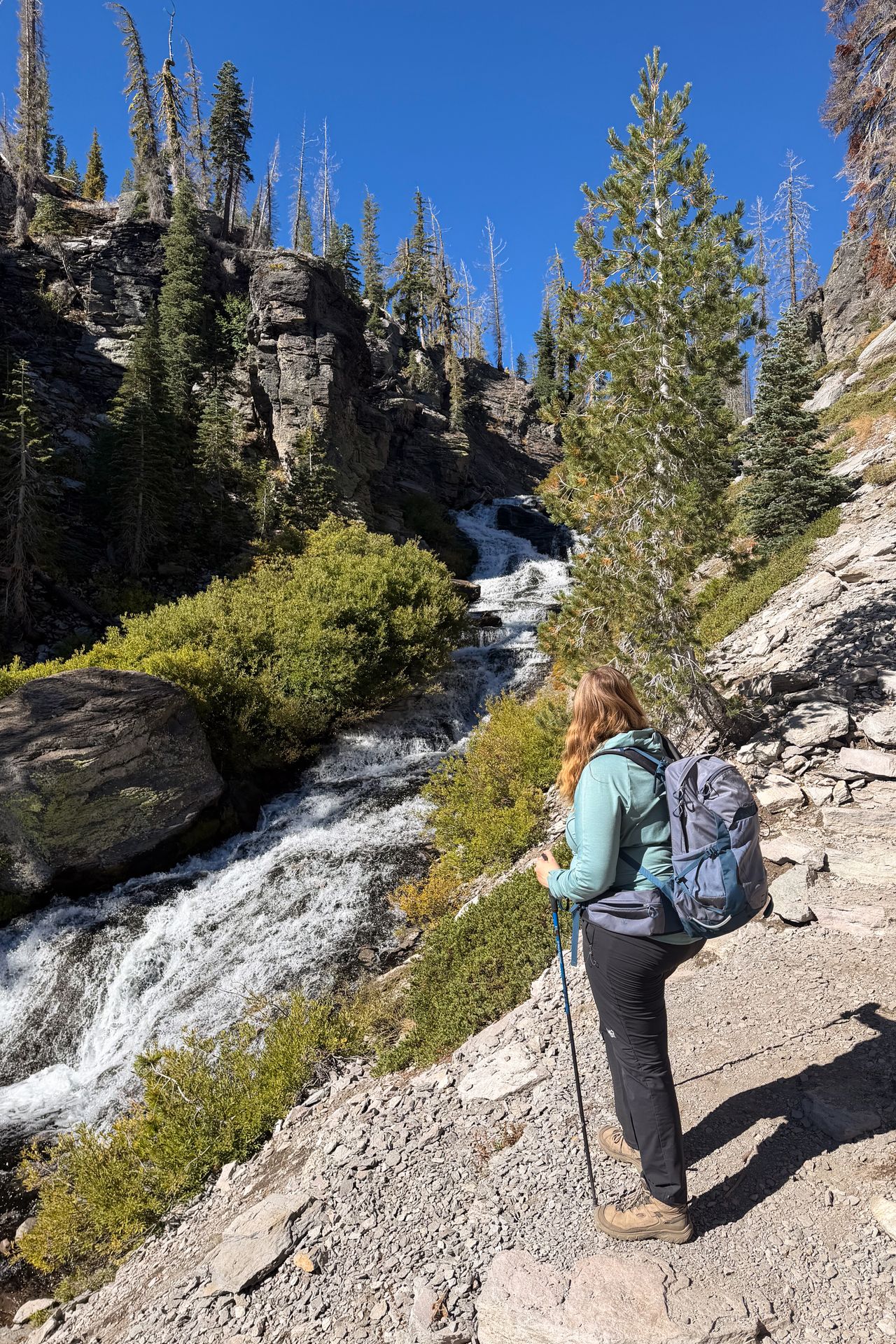
The hike has a fair amount of elevation gain and involves climbing up and down some rocky areas, but it isn’t overly difficult. This trail adds some lovely variety to a couple days of exploring Lassen Volcanic National Park.
Visit Sulphur Works
Sulphur Works is a place where you can see geothermal features right next to the road. Steaming fumaroles, bubbling hot springs, and bubbling mud are on both sides of the road at this stop. You can park nearby and take a short, paved sidewalk to see them up close.
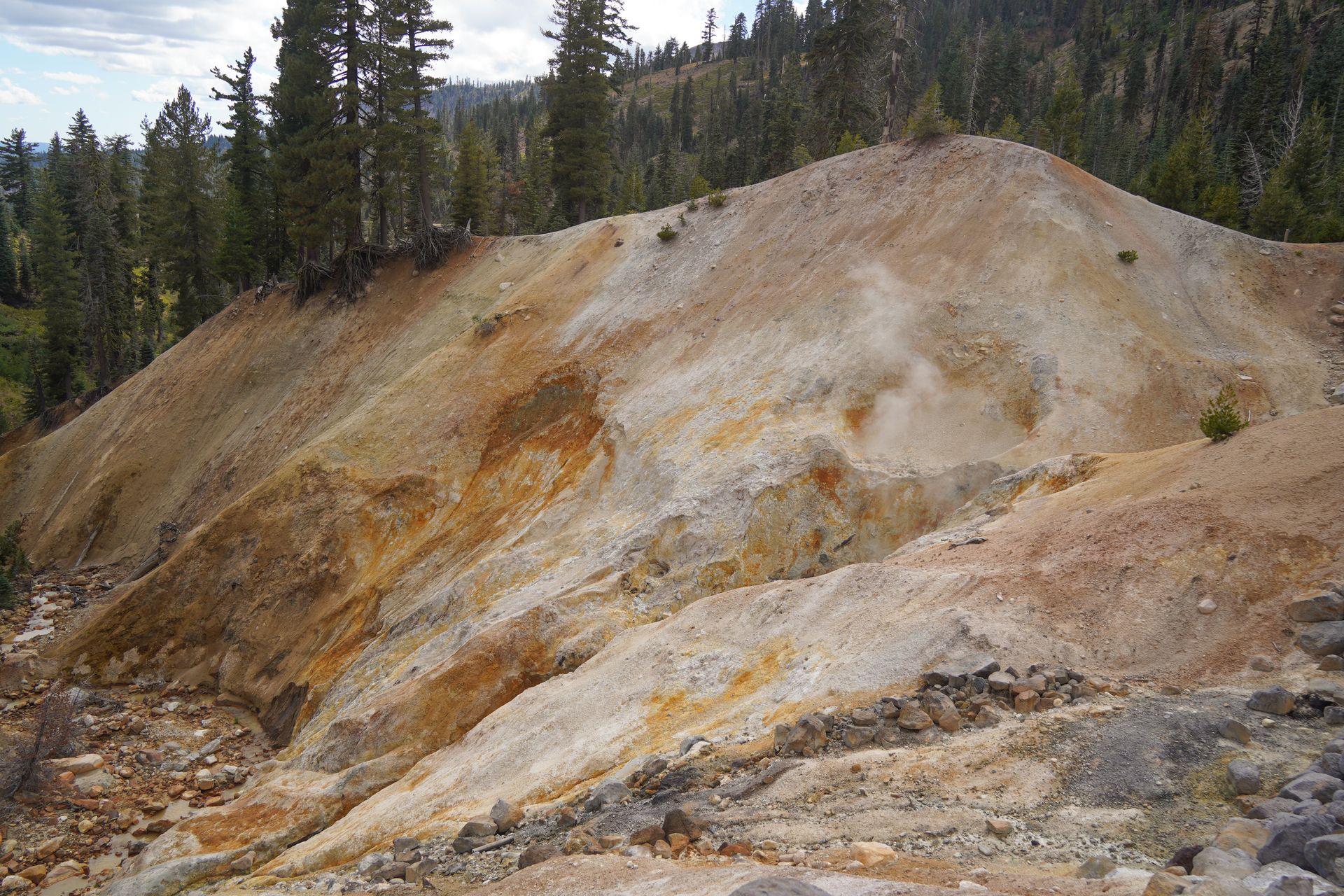
If you’re not able to hike out to Bumpass Hell, this is a more accessible way to get a taste for the geothermal features that make this park unique.
Visit the Loomis Museum
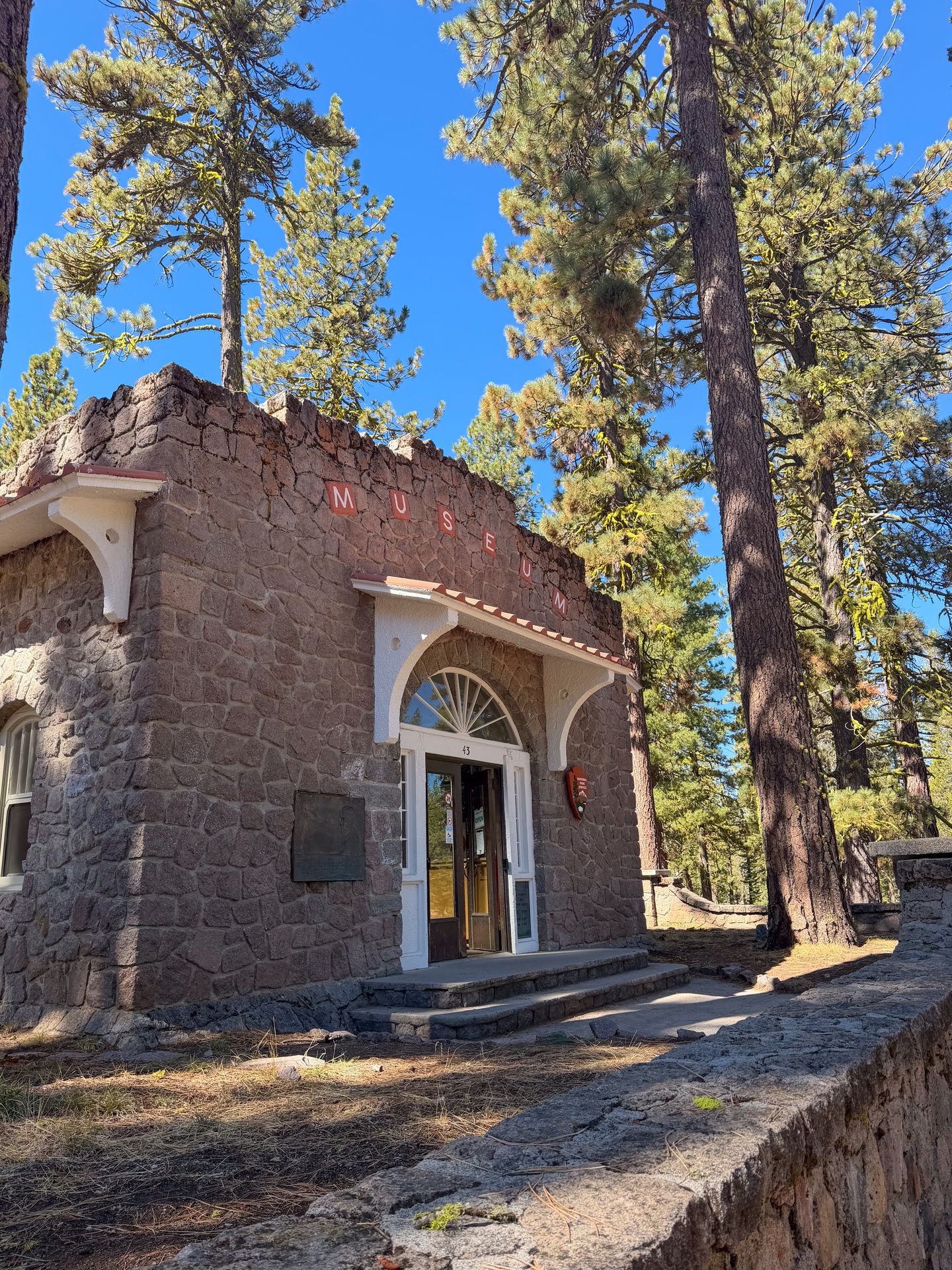
The Loomis Museum is a small building located on the banks of Manzanita Lake. It’s worth a visit if you’d like to learn more about the history and geology of this park. The museum highlights the photographs of Benjamin Loomis, who photographed the Lassen eruption in 1915. His photographs were important in sharing this pivotal event with the world.
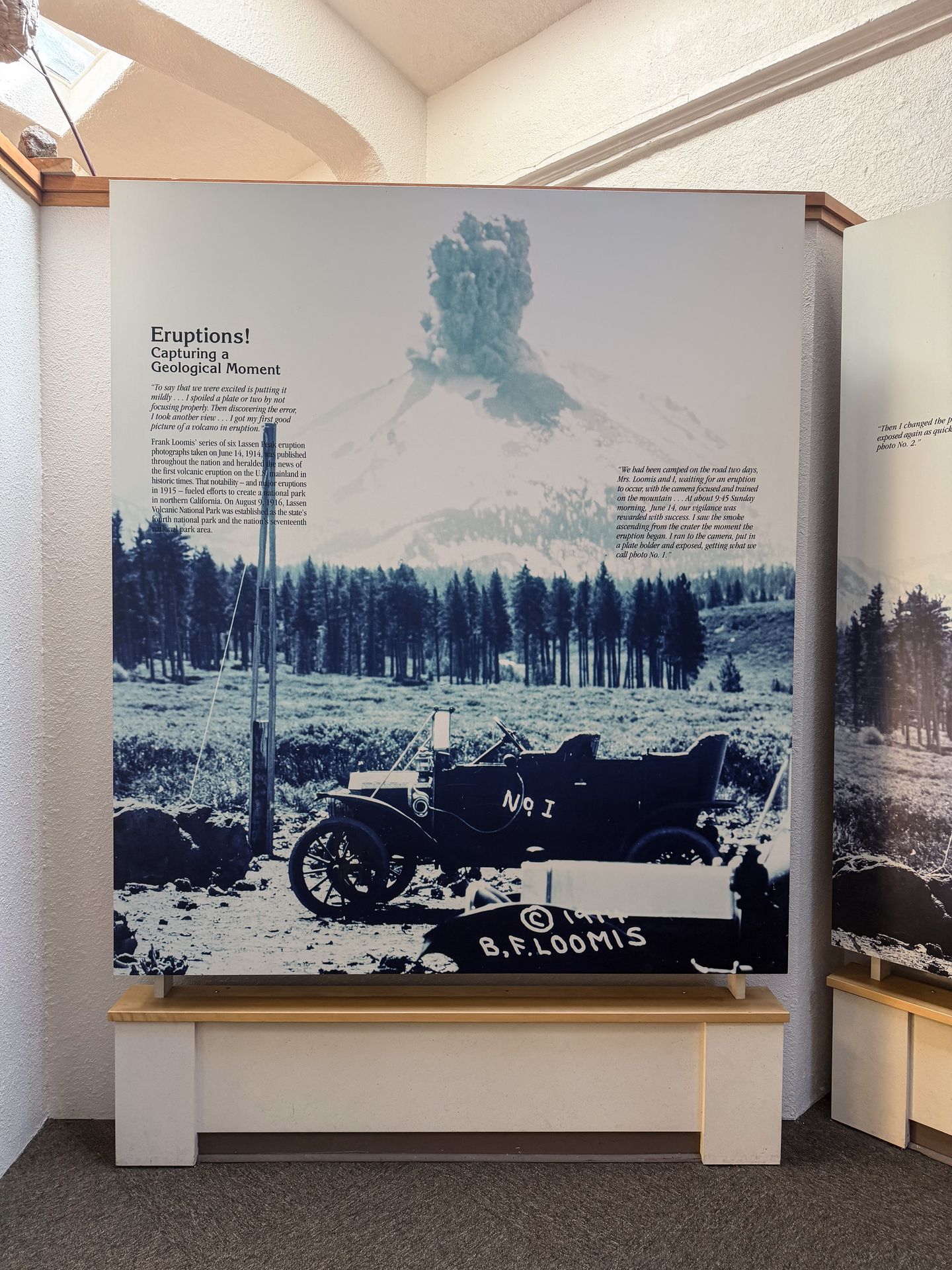
Along with the photos and information about Loomis, the museum also has information about the different types of volcanoes, the Ring of Fire, the geology of the area, and more. It’s a great place to stop in before or after hiking around the lake.
Visit the Devastated Area
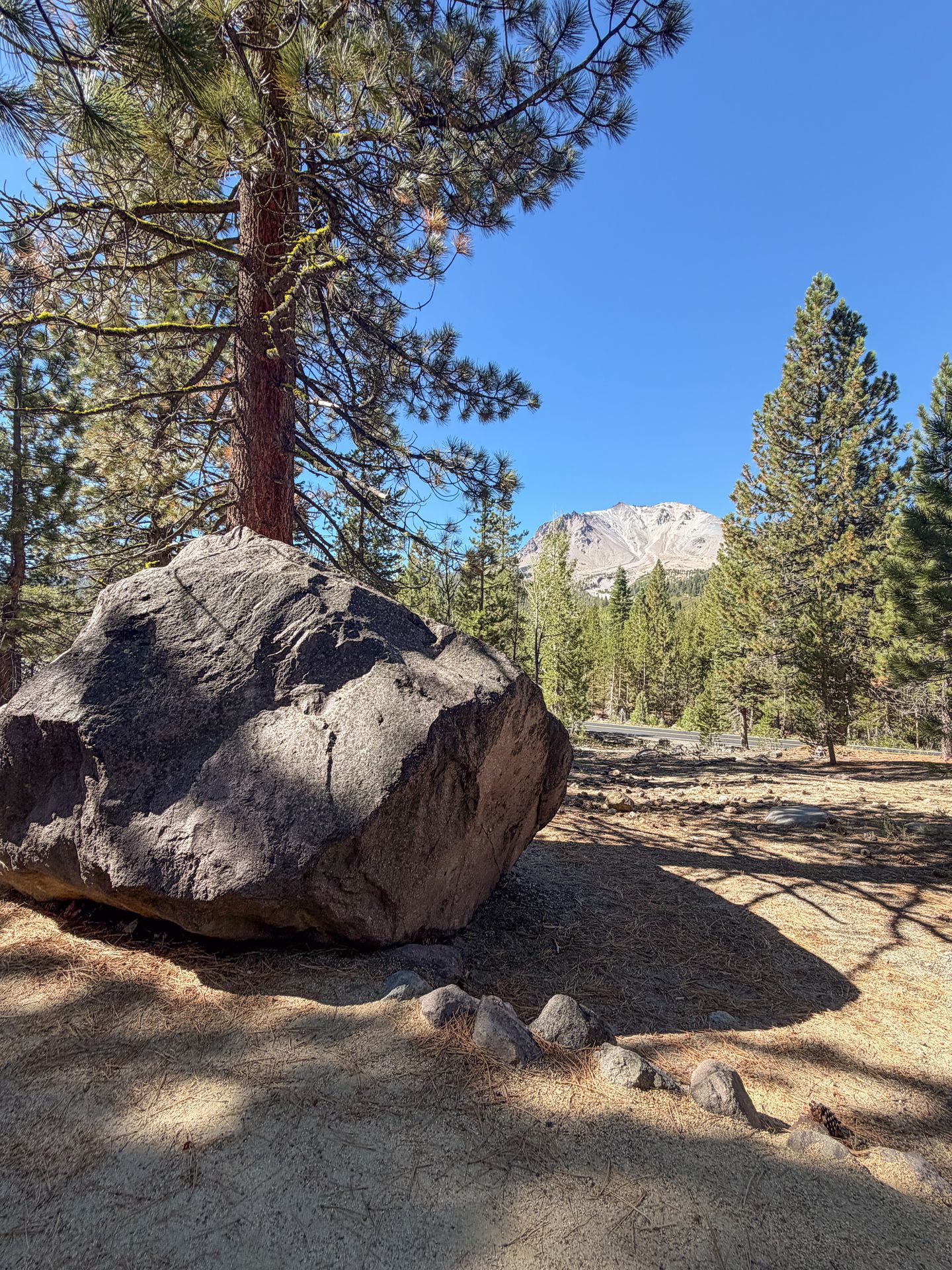
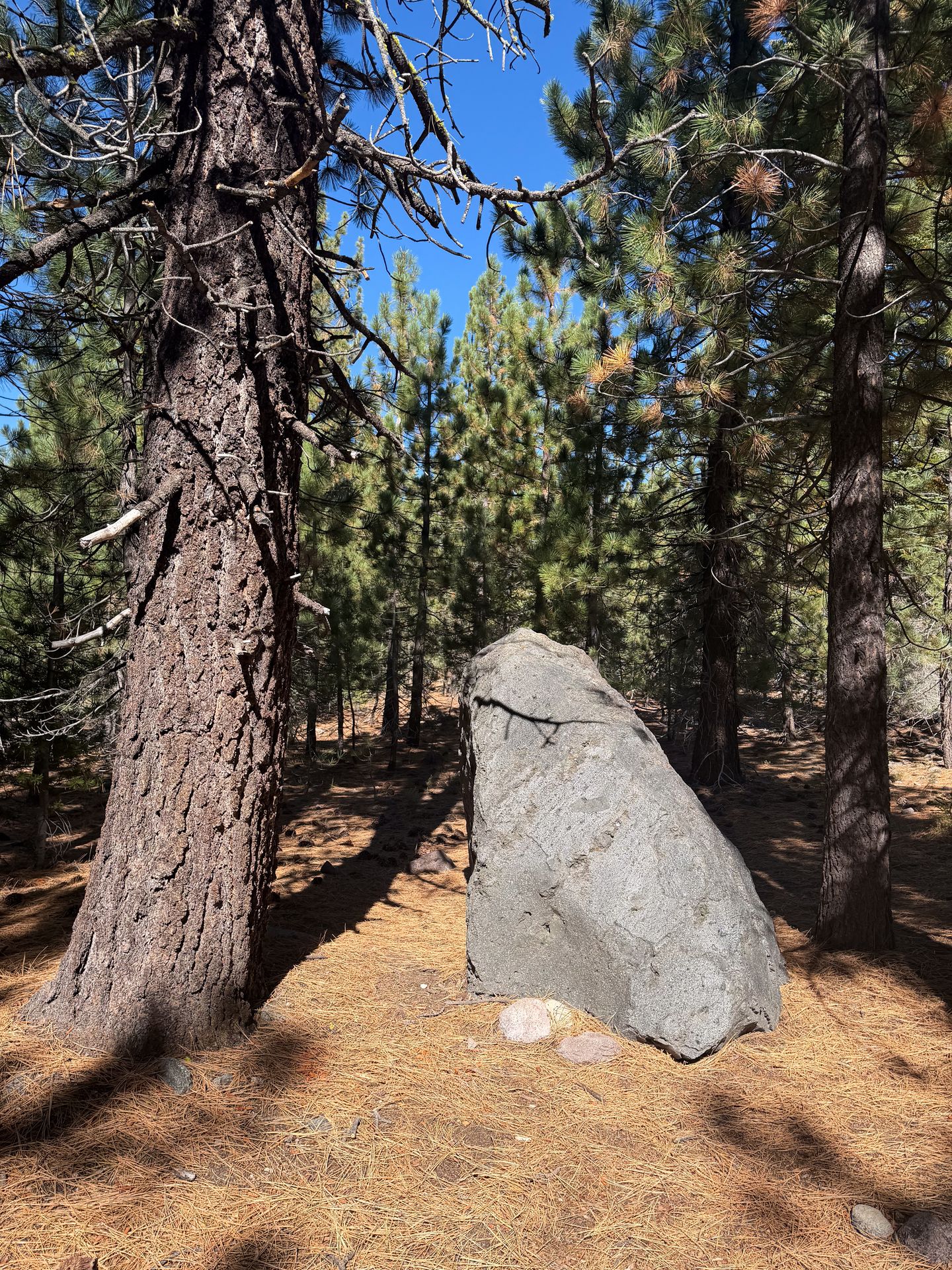
With a name like the Devastated Area, you might be concerned about visiting this spot. However, it’s actually a really neat interpretive trail where you can learn more about the eruption of Lassen Peak. Signage on this short loop shows how this area was shaped by the eruption. You can gaze up at Lassen Peak, and see huge boulders that were flung from the mountain. It’s a short and easy path that is great for a quick stop.
Visit Lake Helen
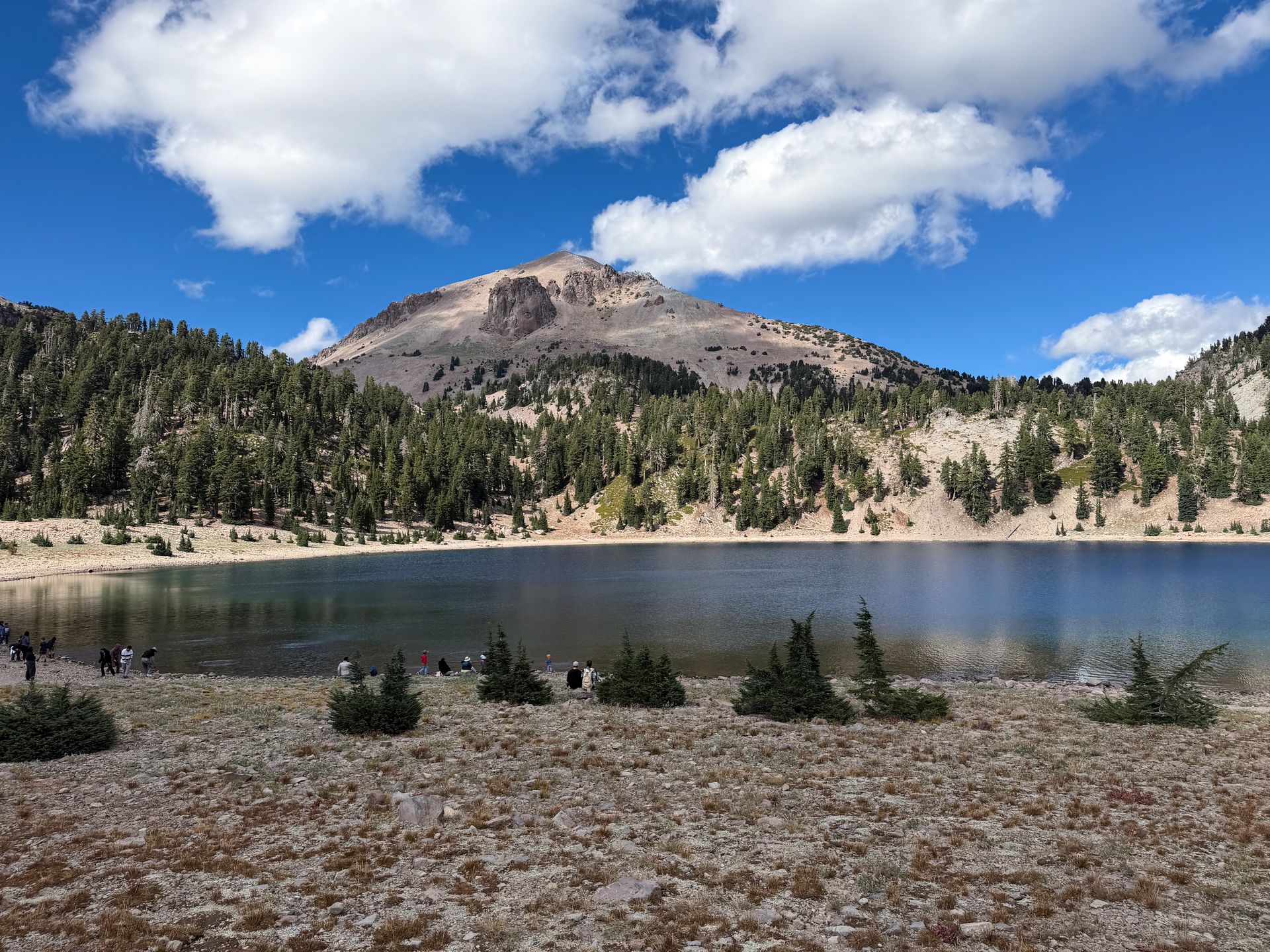
Lake Helen is a lovely scenic stop to make as you’re driving through the park. The lake sits below Lassen Peak, and can offer a stunning reflection on a calm day. The lake is over 100 feet deep. You can swim here, but it remains very cold year round.
Hike to the Top of Lassen Peak
As you can imagine, hiking to the top of Lassen Peak is one of the iconic trails in the park. This is a hike you’ll want to be well prepared for, as you’ll climb up almost 2,000 feet in about 2.5 miles. It’s a tough climb, and the weather at the top can be quite cold and windy.
I didn’t get to do this hike, but it’s high on my list for the future!
Drive the Lassen Volcanic National Highway
The Lassen Volcanic National Highway is a 30-mile stretch of road that navigates through the main areas of the park. You’ll be driving this anyway to get to most of the places I’ve mentioned in this guide, but you might also want to spend some time just enjoying the views.
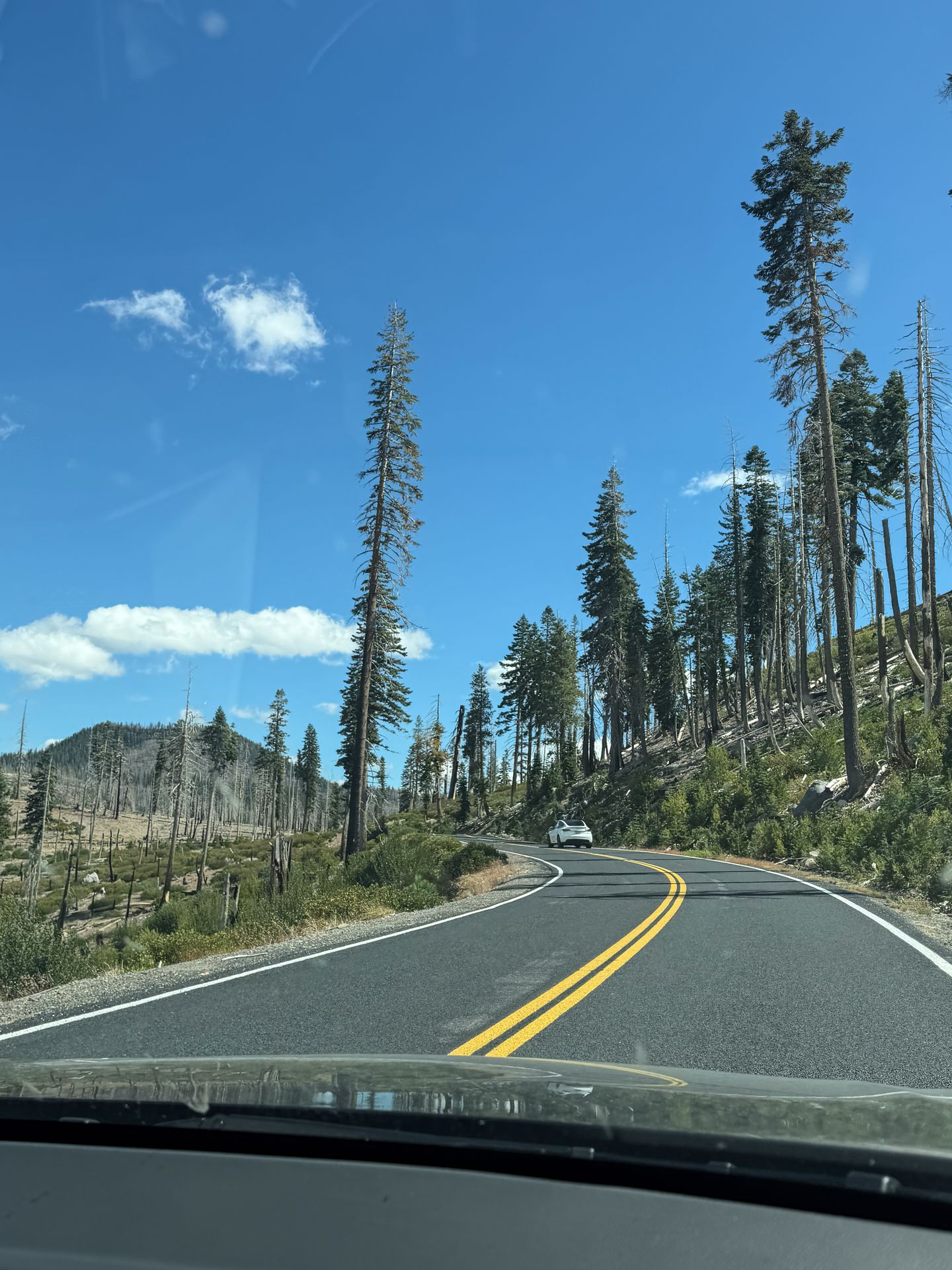
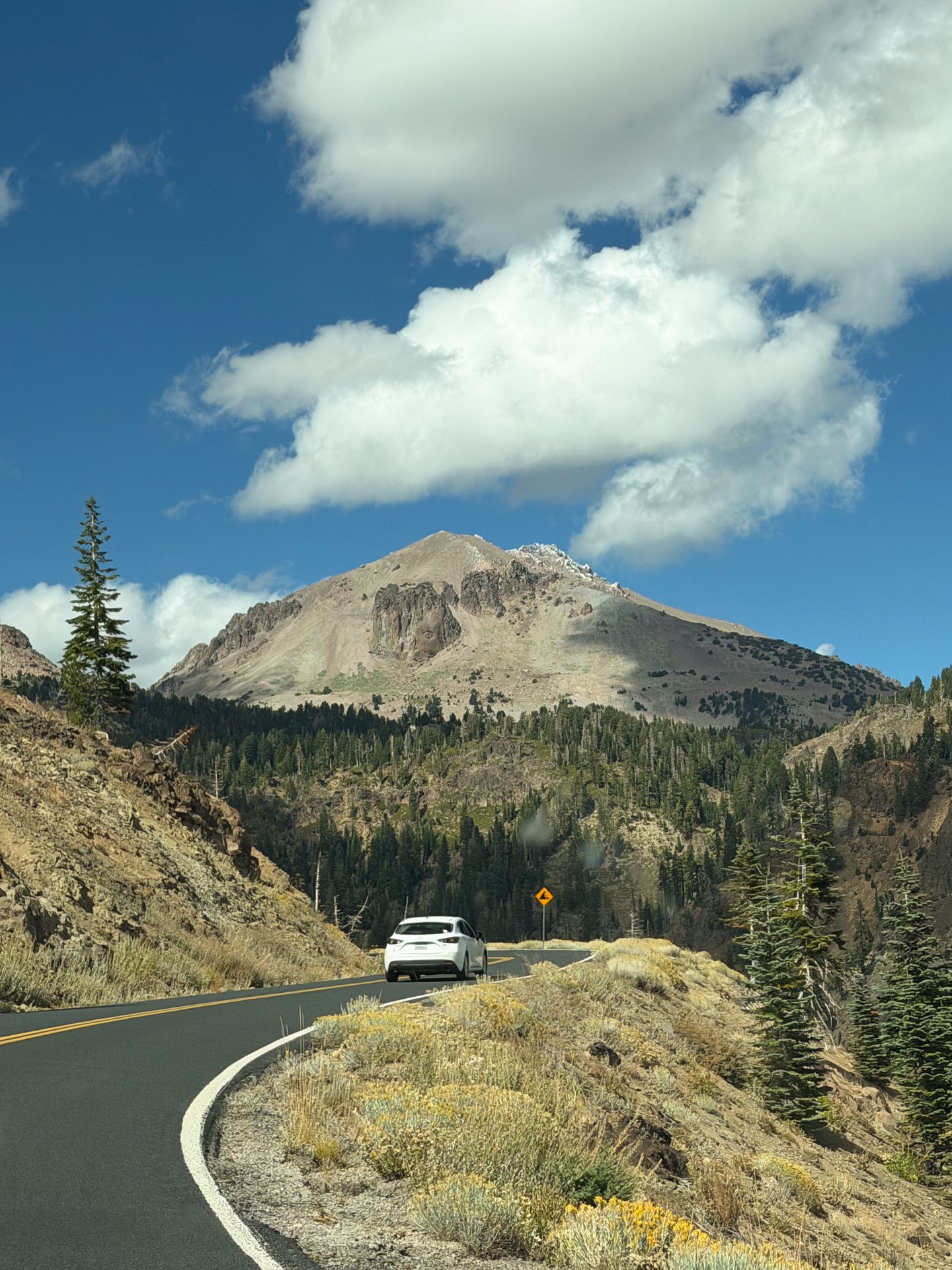
Along this drive, you’ll see scenic lakes, boulders that were flung from Lassen Peak, hydrothermal features, and many mountain views. You’ll also see a lot of evidence of wildlife damage from the 2021 Dixie Fire. I highly recommend playing the Guide Along audio tour as you drive. It’s a great way to learn about the history and geology that has shaped this park.
Visit the Subway Cave Lava Tube
The Subway Cave Lava Tube is technically outside of the national park, but it’s an easy add-on that is worth a visit! This is a giant lava tube that is easily accessible, and it’s located within Lassen National Forest.
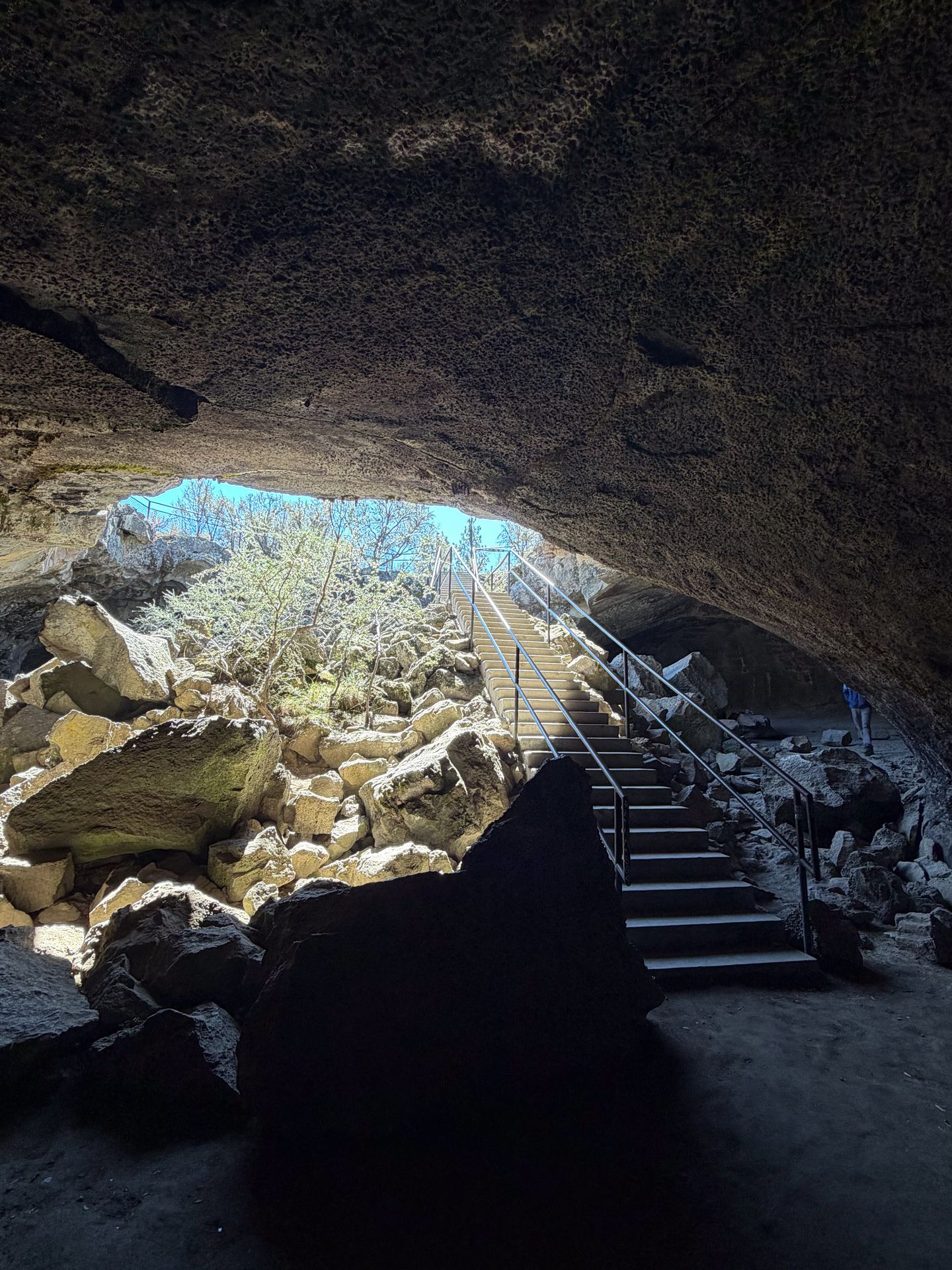
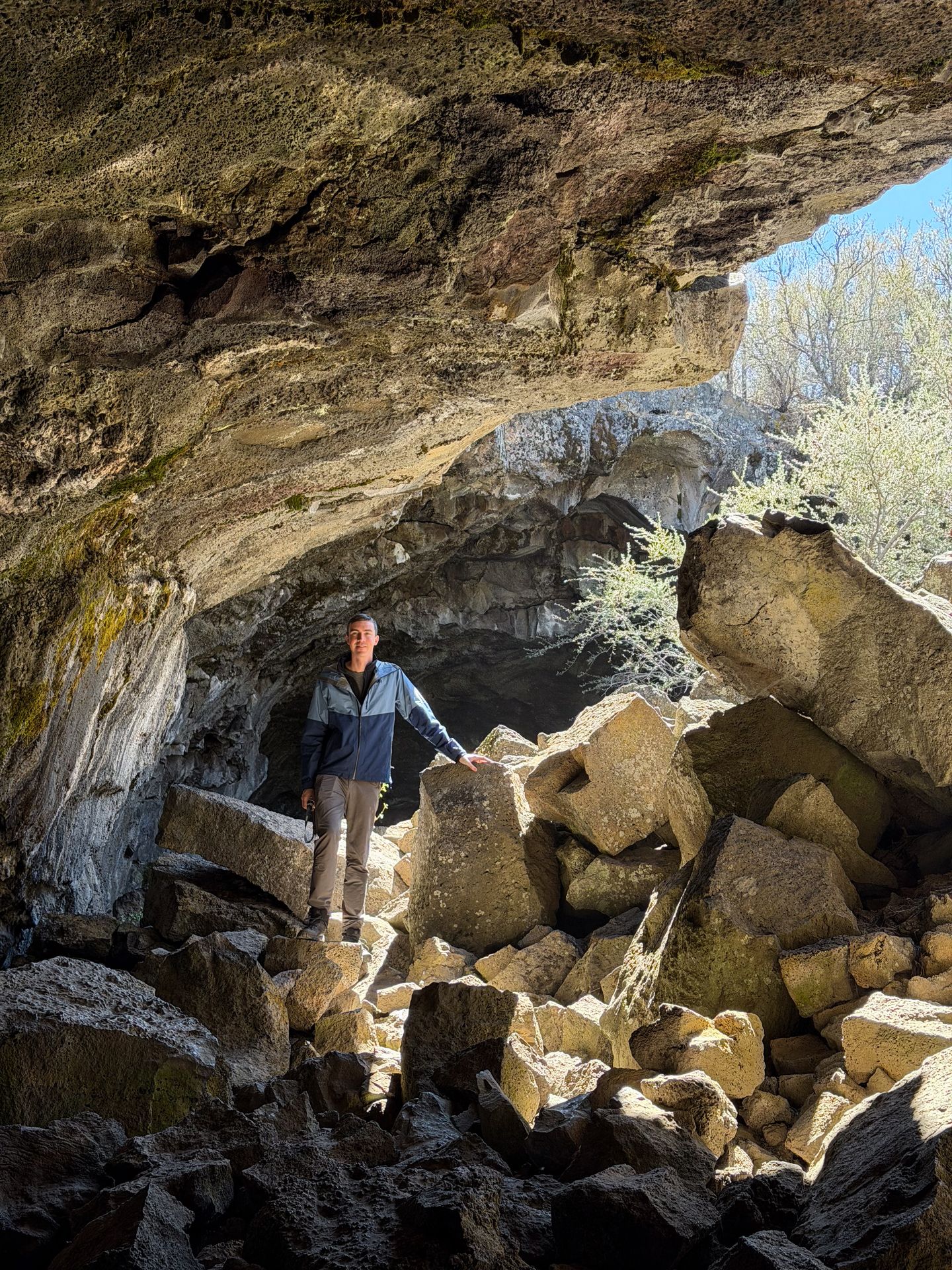
During your visit, you can hike a half mile loop and walk all the way through the lava tube. Compared to other lava tubes I’ve been inside, this one is quite wide. Tall folks might need to duck a couple times, but most visitors don’t need to worry about hitting their head. It’s extremely helpful to have a flashlight or a headlamp as you’re making your way through, as there are no lights.
To make the trail a loop, you can exit the backside of the tube, and then essentially walk on top of the tube as you make your way back to the parking lot.
This is also a great spot for a picnic, as there are picnic tables and restrooms. This spot is free to visit.
More Things To Do in Lassen Volcanic National Park
- Hike Brokeoff Mountain
- Hike to Crags Lake
- Hike the Ridge Lakes Trail
- Hike the Devil’s Kitchen Trail
- Go stargazing
- Attend a ranger-led program
Where to Stay when Visiting Lassen Volcanic National Park
There are no lodges inside of Lassen Volcanic National Park, but there are several campgrounds. Campgrounds are spread out across the park, but the largest one is at Manzanita Lake, where there are 179 sites.
If you’re looking for a hotel, there are a scattering of small, local options near the park. Your closest town that has a higher concentration of hotels is Chester, which is located about 45 minutes from the Southern entrance of the park. Your closest larger city is Redding, which is located an hour west of the Northern entrance of the park.
Personally, I stayed at the Tall Timbers Bed and Breakfast, which is located just 15 minutes from Manzanita Lake. I would definitely recommend this cozy inn - it feels like you’re staying in someone’s home, and they provide a delicious home-cooked breakfast daily.
Keep in mind that if you stay somewhere like Tall Timbers in Viola, there are little to no restaurants nearby. We prepared our own dinners at the b&b.
Other unique and high rated places to stay near the park include Drakesbad Guest Ranch, Gordon’s Rim Rock Ranch, Highlands Ranch Resort, and Lassen Mineral Lodge.
How Long Should You Spend in Lassen Volcanic National Park?
If you love to hike, I recommend spending at least two days exploring Lassen Volcanic. You could easily spend longer if you want to get a bit more off the beaten path. If you won’t be hiking, I think that one day is sufficient to see the highlights of this park.
I spent two days, and definitely want to return in the future to do some more hikes.
Final Thoughts
I hope this guide helps you plan an epic trip to Lassen Volcanic National Park! This is an underrated national park full of unique landscapes. From bubbling mud to cinder cone volcanoes to alpine lakes, it’s an amazing park for both hiking and sightseeing. I certainly think that Lassen deserves a spot on your USA bucket list.
For more California national park guides, check out my other blog posts:
- How to Spend A Day in Redwood National Park
- A Guide to Visiting Channel Islands National Park
- How to Spend 3 Days in Sequoia and Kings Canyon
- How to Spend 2 Days in Death Valley
- How to Spend 2 Days in Joshua Tree
Thanks for Reading!


Let's stay in touch!
Join the Lost with Lydia email list to get monthly travel guides and tips!