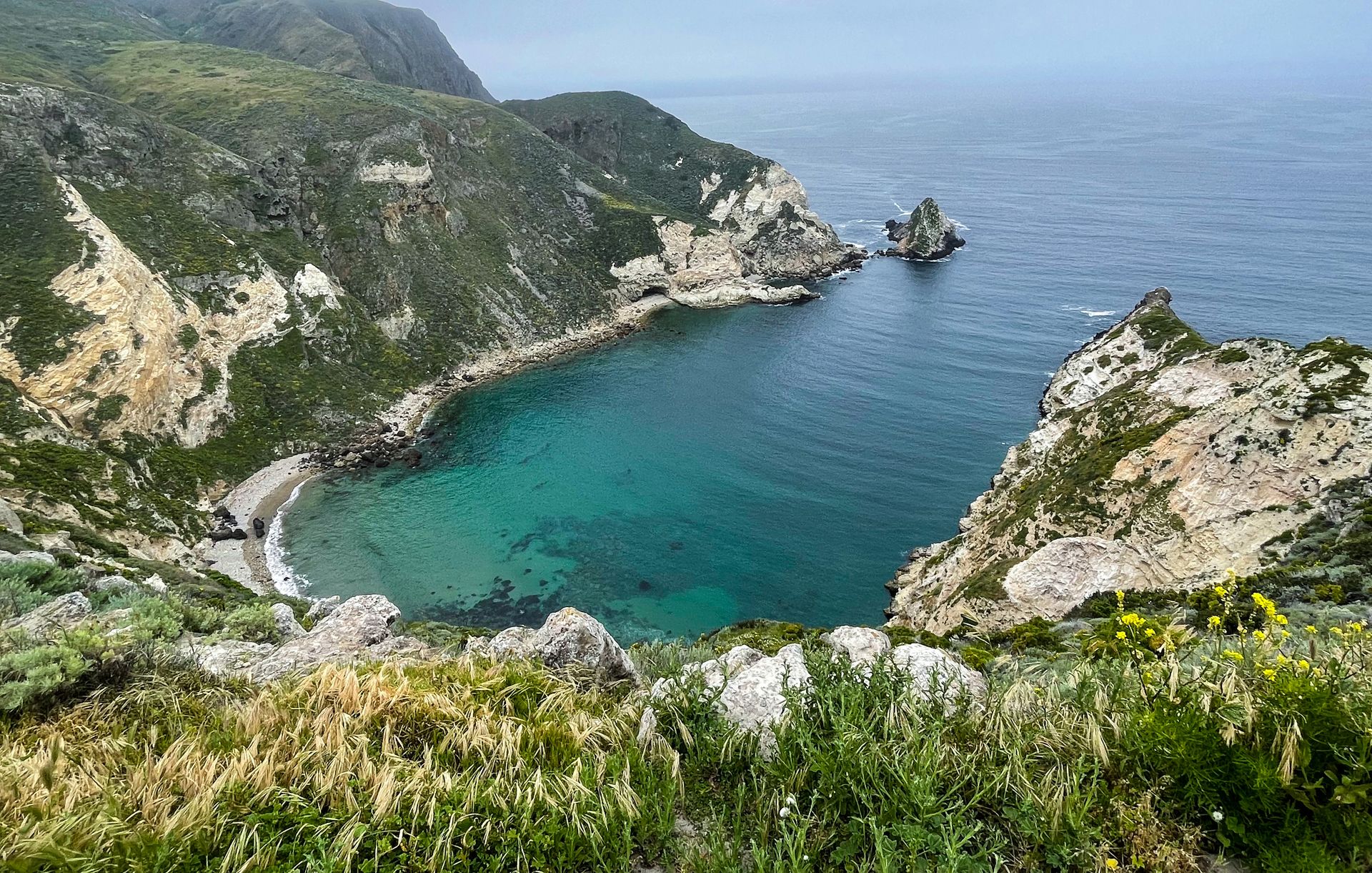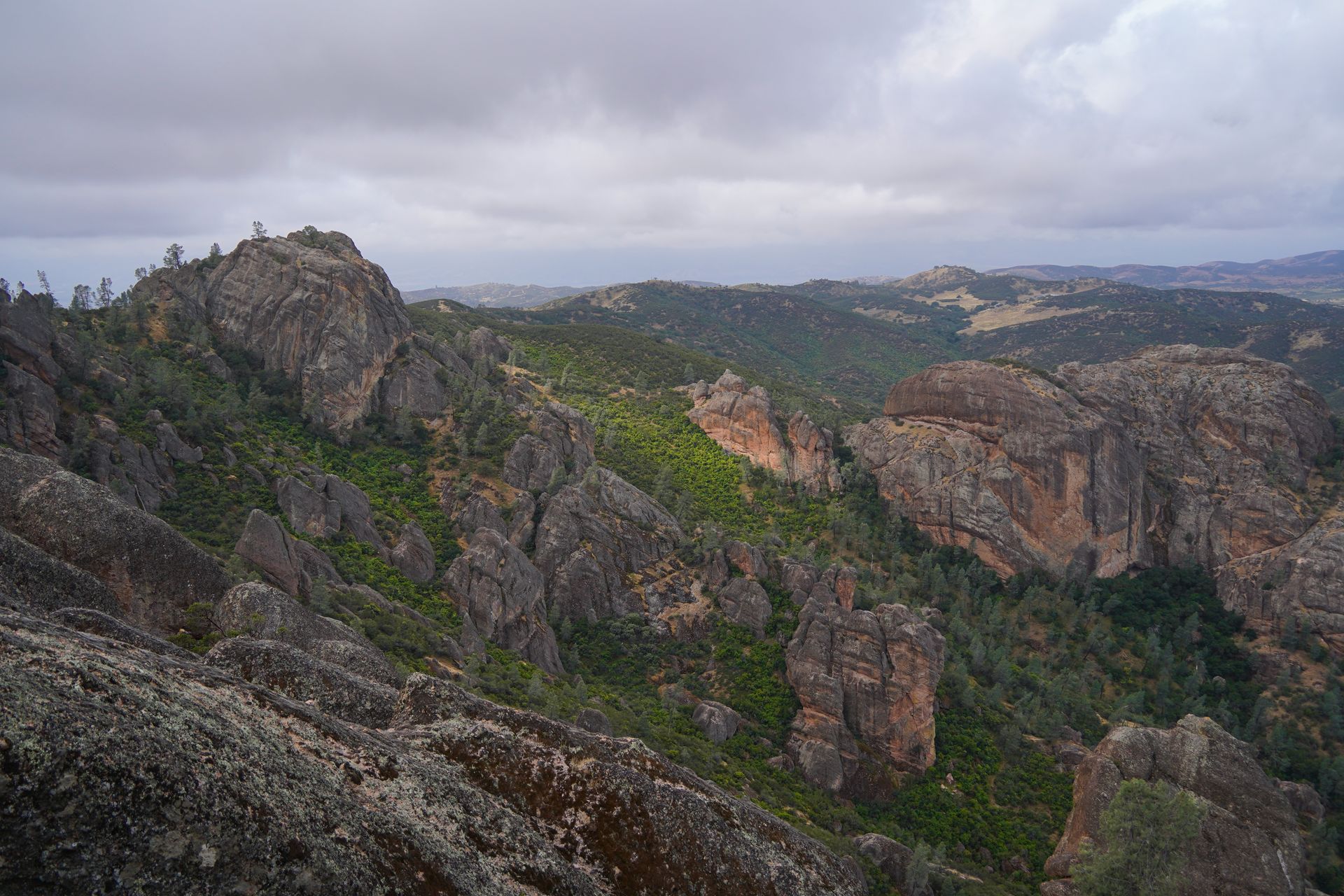
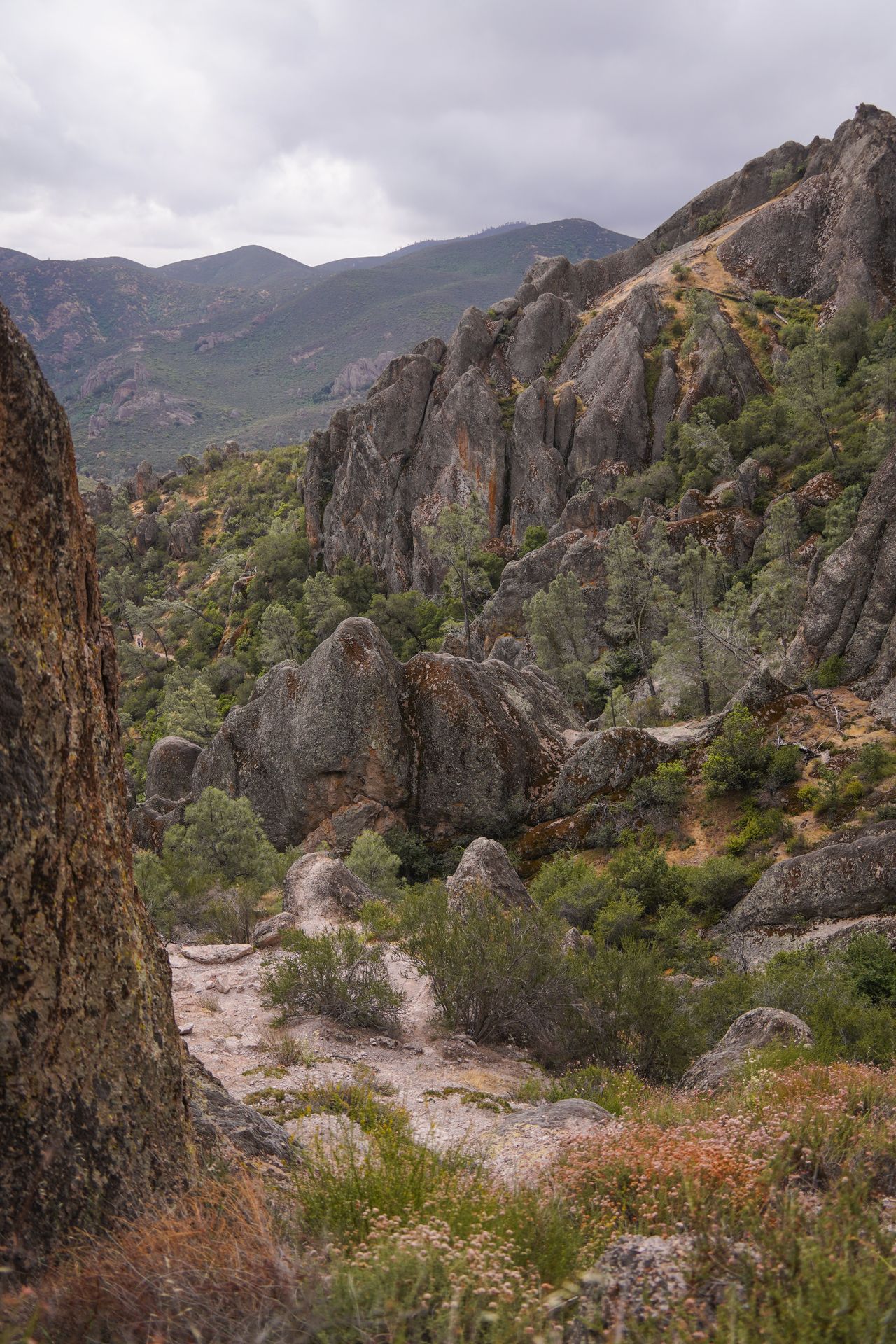
Pinnacles is a unique California national park that is an amazing hiking destination. The park is known for its rocky spires, steep canyons, and unique caves. It’s also well known as being one of the best places in the state to spot the California condor - one of the largest birds in North America.
Pinnacles is the second least visited of the nine California national parks. It became a national monument in 1908, and was redesignated as a national park in 2013.
Native people lived in the region for 1,000’s of years before white settlers came along. Spanish missionaries settled in the area in the late 1700’s, and forced the Chalon and Amah Mutsun people to become baptized mission workers. Unfortunately, diseases brought by the Spaniards killed many of the Native people during this time.
Pinnacles has experienced many changes since becoming a national monument, and today is a key site for helping bring California condors back from the brink of extinction. In the 1980’s, there were less than two dozen California condors left, so a breeding program was started to save this amazing bird.
The first two captive-bred California condors were released into Pinnacles in 2003, and today there are almost 100 birds living in the park. Pinnacles National Park continues to be an important release site for these birds, and each bird is tracked and monitored.
If you like hiking or birdwatching, this is an amazing park to spend a couple days exploring. You can hike up rocky trails, explore caves, admire rocky vistas and keep an eye out for condors along the way. However, if you’re not a hiker, you probably won’t need much time at this park.
Keep reading to learn about the best things to do in this unique California national park. I’m an avid national park traveler who has been to all 64 US national parks, and this guide is based on my experience exploring Pinnacles in April 2026.
Things To Know Before Visiting Pinnacles National Park
- There are two separate areas and entrances to Pinnacles National Park: the east side and the west side. The two sides are connected by trails, but not by road. To drive between the two sides, it takes about an hour and a half, so you’ll want to plan accordingly.
- Pinnacles National Park is free to visit.
- One of the most interesting aspects of Pinnacles National Park is the chance to see California Condors. They are the largest birds in North America, and their wing span can reach 9.5 feet!
- As with any national park, please make it a priority to leave no trace. That includes packing out all of your trash, never carving on rocks, and not approaching or feeding wildlife.
- Parking can be limited in Pinnacles on weekends and holidays during peak seasons. To help with this, they sometimes have a shuttle running on the East side of the park. This takes hikers between the Visitor Center and the popular trailheads. However, it’s not always running, so I recommend arriving early to get a parking spot.
When to Visit Pinnacles National Park
Pinnacles is a park that gets very hot in the summer, so the best times to visit are fall, winter and spring. If you want to visit some or all of the park’s Talus caves (which you definitely should), you’ll want to keep an eye on closures.
Sections of the Talus Caves are closed for stretches of the year to protect endangered Townsend's big-eared bats. The caves also sometimes close for rockfalls, flooding and other reasons.
The entire Bear Gulch Cave is typically only open during the months of March and October, so these are the very best months to visit. However, you’ll still likely be able to access the lower section of the Bear Gulch Cave between mid-July and mid-May.
Personally, I visited at the end of April and thought it was a great time. The Upper Section of Bear Gulch cave was closed, but I got to explore the lower section, and was able to visit Balconies Cave.
How to Get to Pinnacles National Park
If you’re flying into Pinnacles, San Jose is the closest major airport. It’s located an hour and a half away. San Francisco is also an option, located a little over two hours away.
Keep in mind that there are two sides of Pinnacles, the east and west side, and they don’t connect via road. Be sure that you decide ahead of time which side you’d prefer to visit, and don’t just put ‘Pinnacles National Park’ into your GPS and hope for the best.
Pro Tip: I combined my trip to Pinnacles with visiting Monterey and Big Sur. Monterey is not far from the park, and it’s such a gorgeous coastal city!
The Best Things To Do in Pinnacles National Park
Hiking in Pinnacles National Park
One of the best parts about hiking in Pinnacles National Park is that you can combine multiple trails to suit your interests and capabilities. I’ll share the hikes that I did, along with some alternative options.
Hiking in the East Side of Pinnacles National Park
If you enjoy hiking, a combo of the Condor Gulch Trail, High Peaks and Bear Gulch is an epic trail to see many of the best areas of Pinnacles National Park. This trail is 5.5 miles round trip, and has just over 1,600 feet of elevation gain.
Pro Tip: Parking for these trails fills up during peak times. Arrive early to get a parking spot. During certain days and seasons, the park runs a shuttle between the visitor center and the popular trailheads.
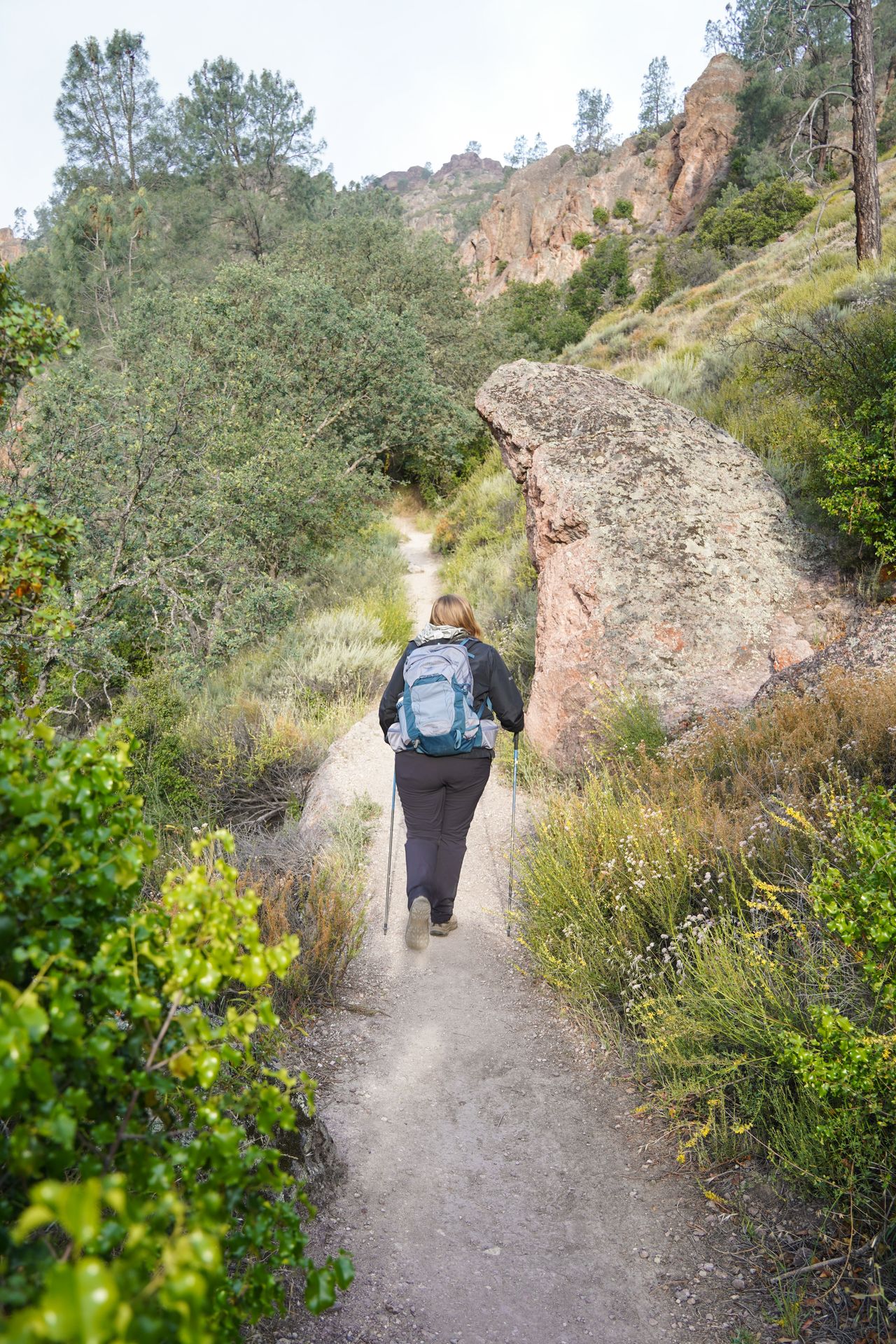
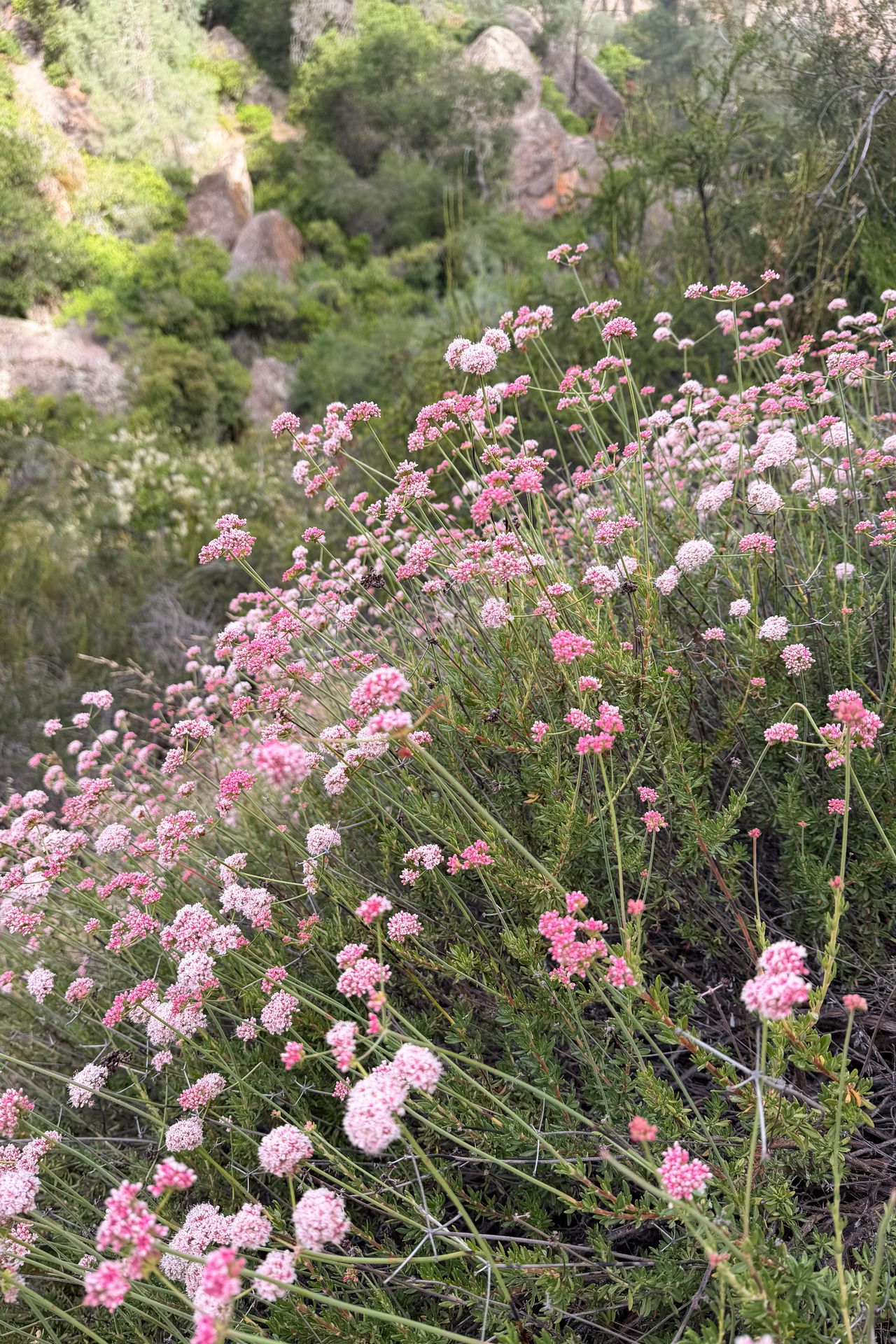
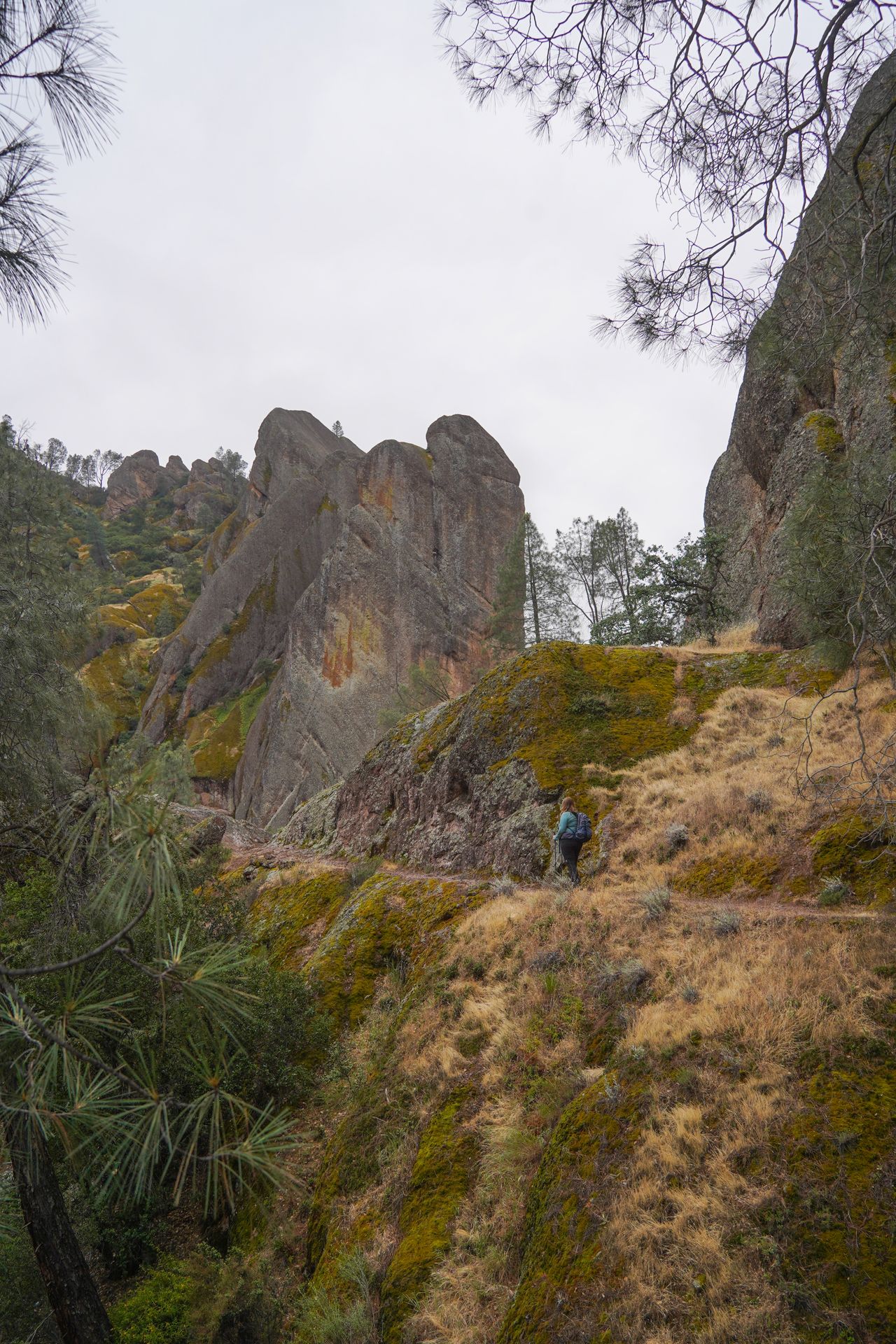
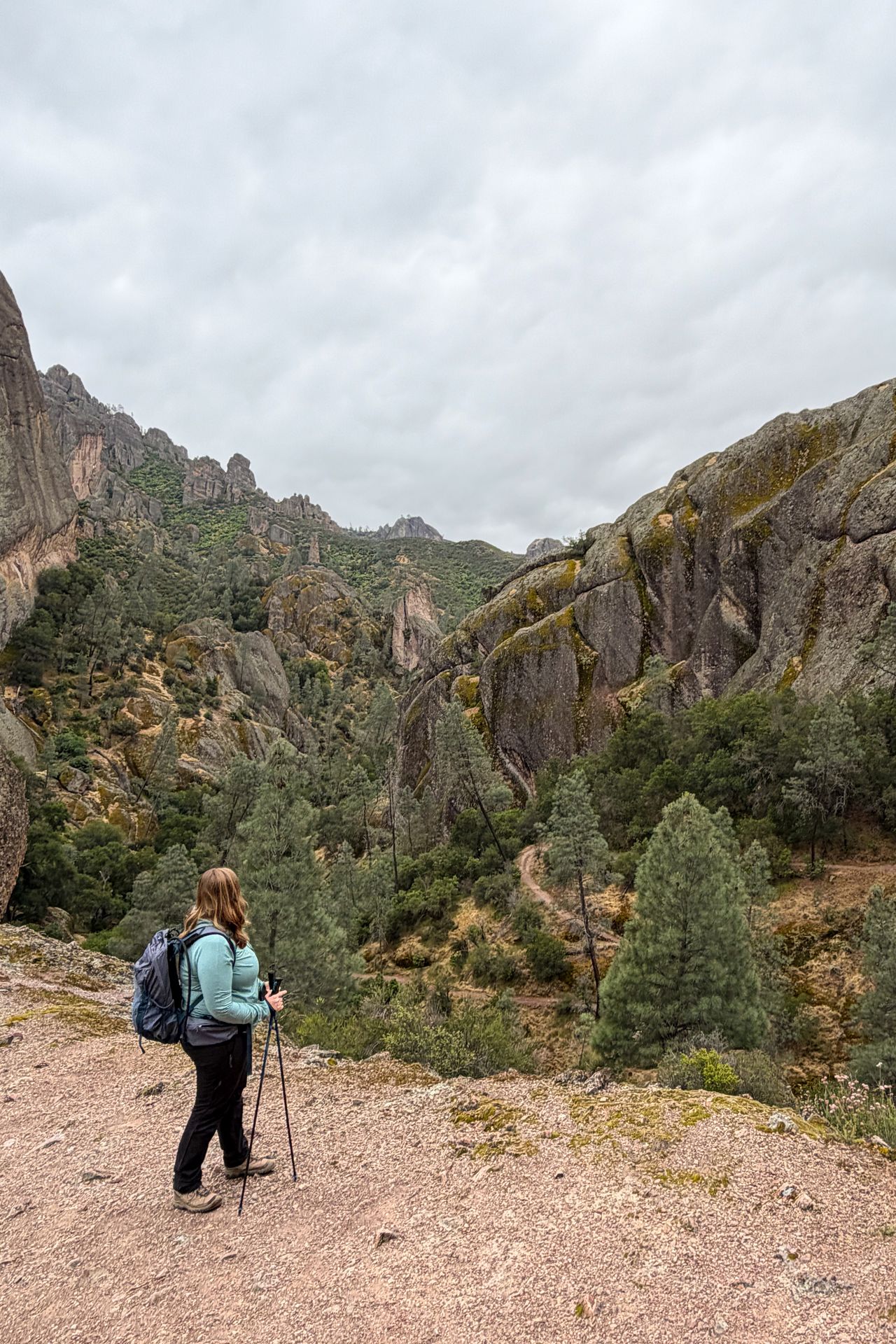
For this loop trail, I hiked counter clockwise, starting with the Condor Gulch Trail. The Condor Gulch trail has a great viewpoint of the park, and is a good place to look for condors. This trail on its own is a great option if you’re looking for something shorter and easier. The trail to the overlook is 2 miles round trip.
If you’re hiking the loop, you’ll turn left onto the High Peaks trail after 2.5 miles of climbing. The High Peaks trail is very unique, and offers some amazing views. There are areas where they’ve carved steps into the rocks and added railings. I thought that this part of the trail was really fun, but it’s not for those who have a big fear of heights.
The High Peaks trail is a great place to spot California condors. Or, if you’re like me, you might just see a lot of turkey vultures instead. They are almost as big as the condors!
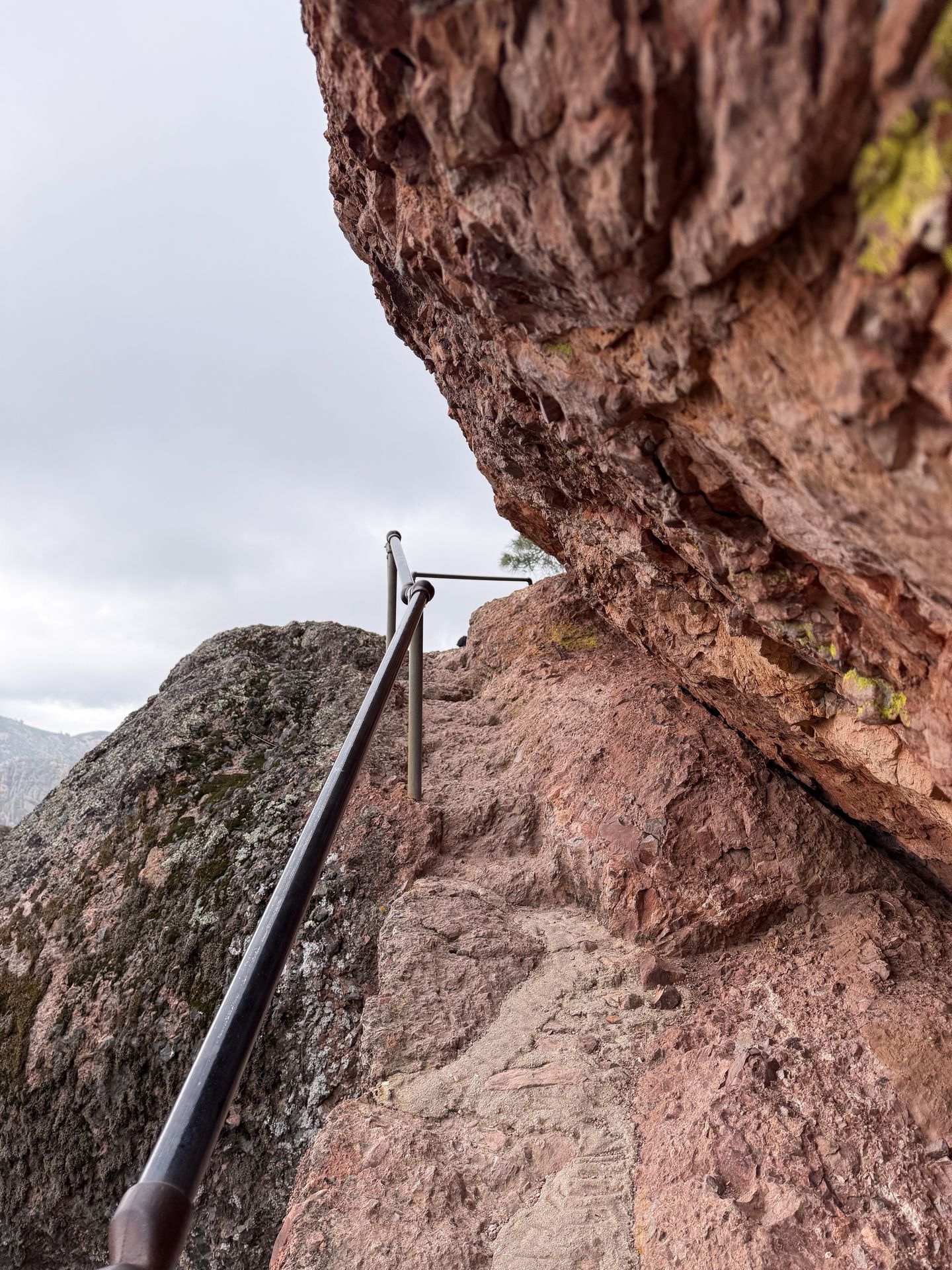
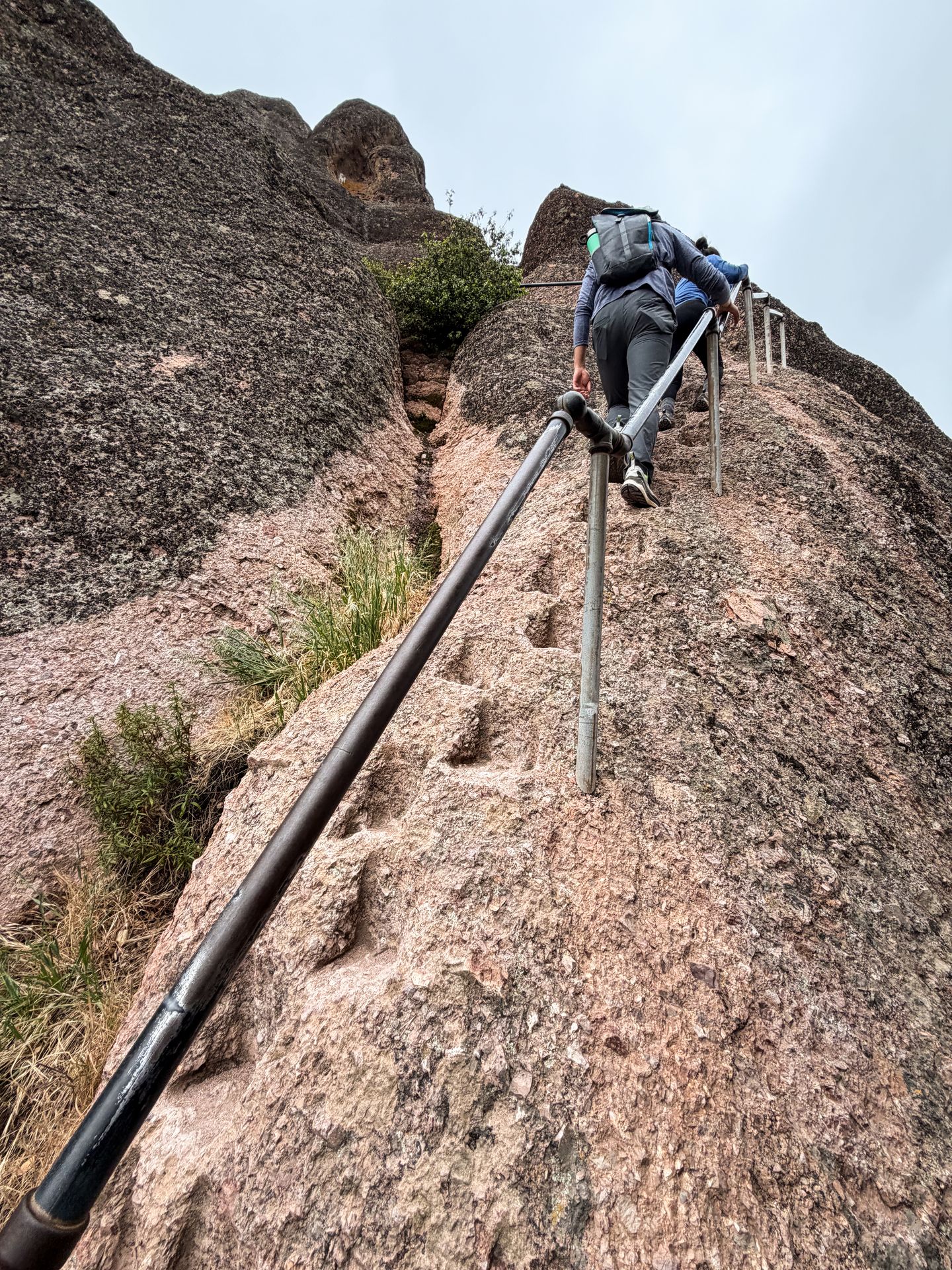
The High Peaks section is also a great area to enjoy your lunch or snack. There are several areas where you can sit on rocks right next to the trail and enjoy the views.
After the highest section of the loop, you’ll be doing a lot of downhill hiking. Trekking poles can be helpful for your knees, as it gets a little steep.
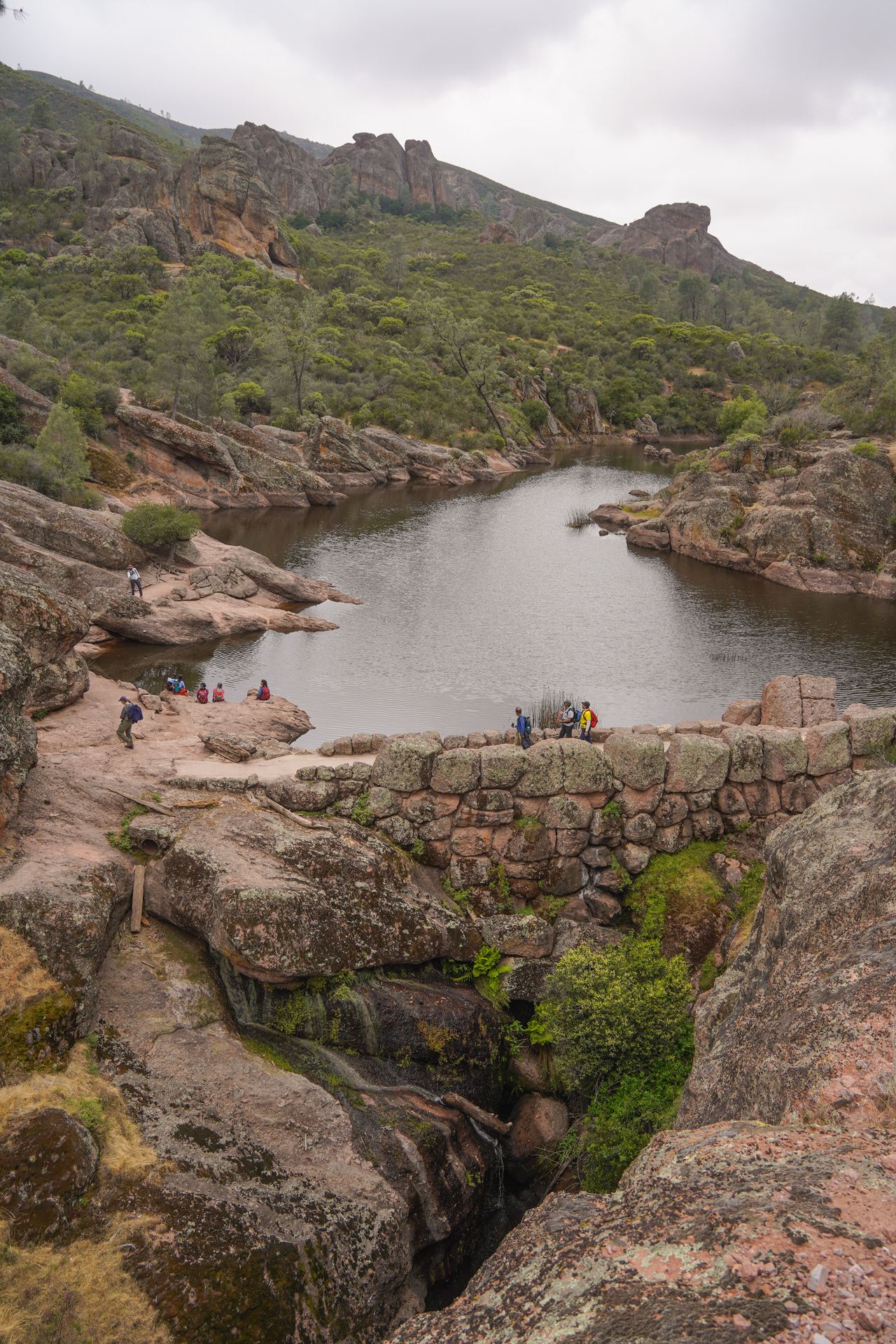
Soon, you’ll reach the Bear Gulch Reservoir, followed by the Bear Gulch Cave. The reservoir was created in 1935 by the CCC (Civilian Conservation Corps) to help prevent downstream flooding.
From the reservoir, you can hike along the Moses Spring Trail to reach Bear Gulch Cave. This is a really neat area where you’ll hike below some giant boulders before actually entering into the cave.
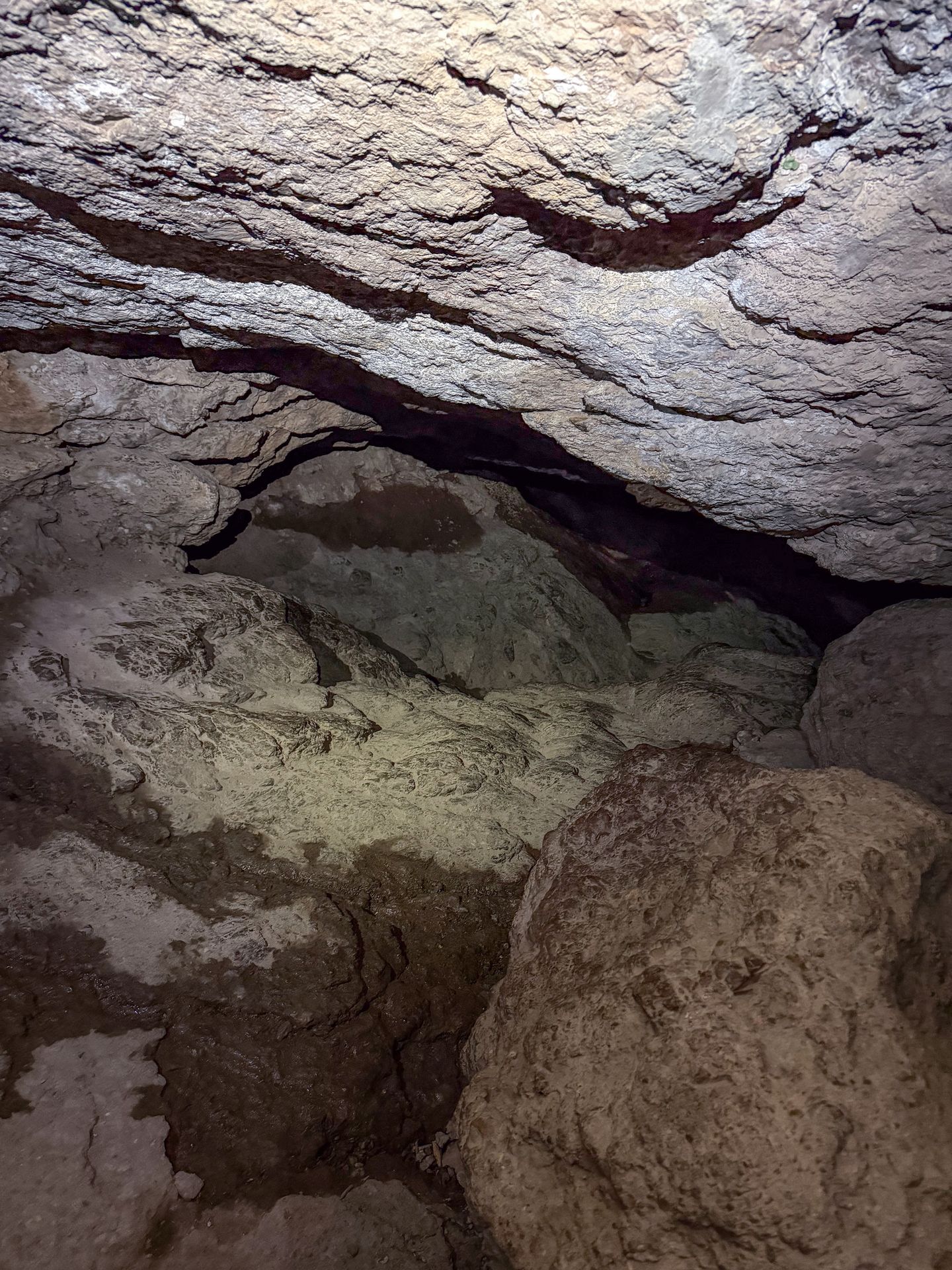
Bear Gulch Cave was formed by these massive boulders tumbling down steep cliffs. Below them, tunnels and interconnected crawlspaces are created. This rare phenomenon is known as a Talus Cave.
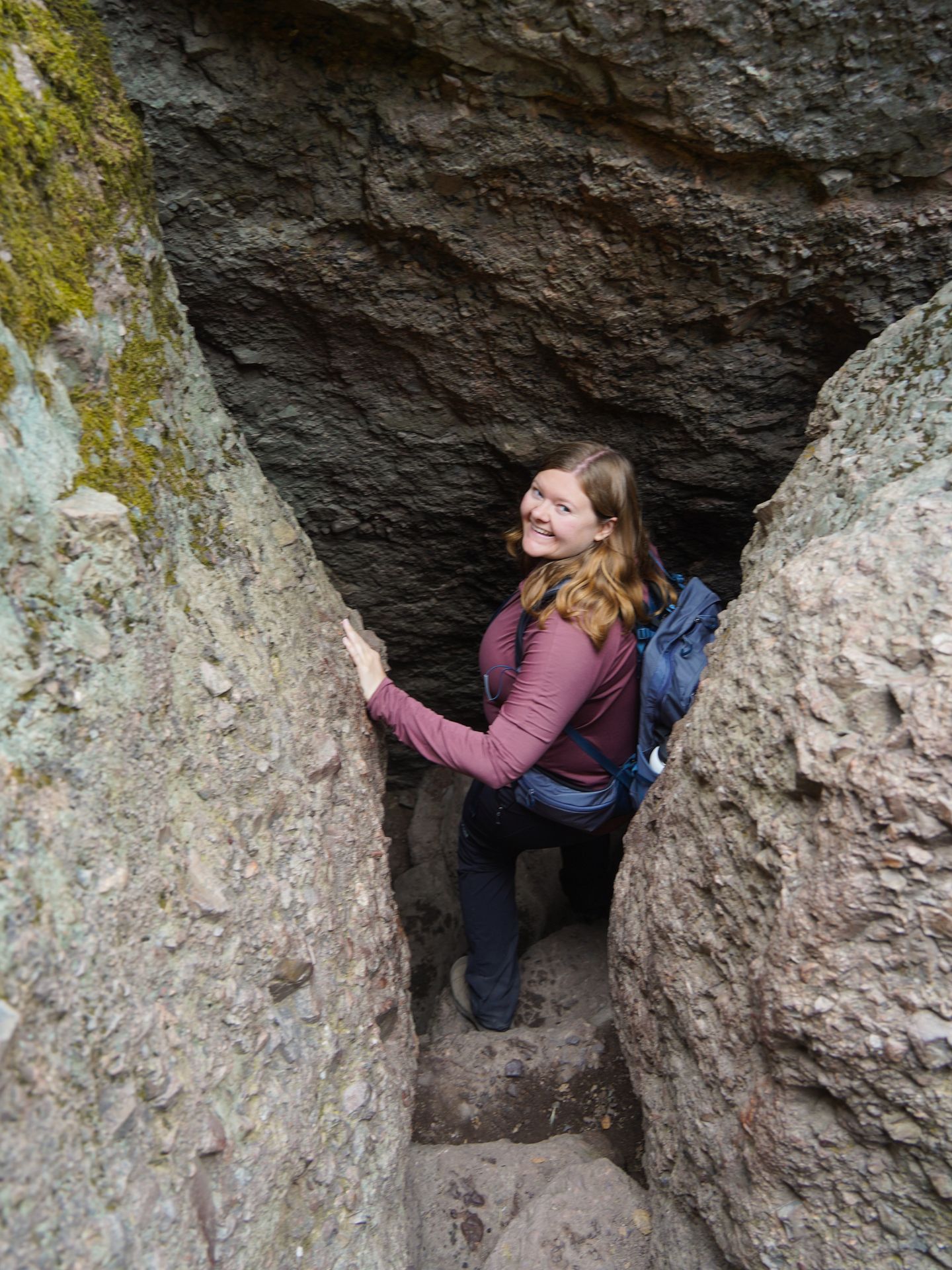
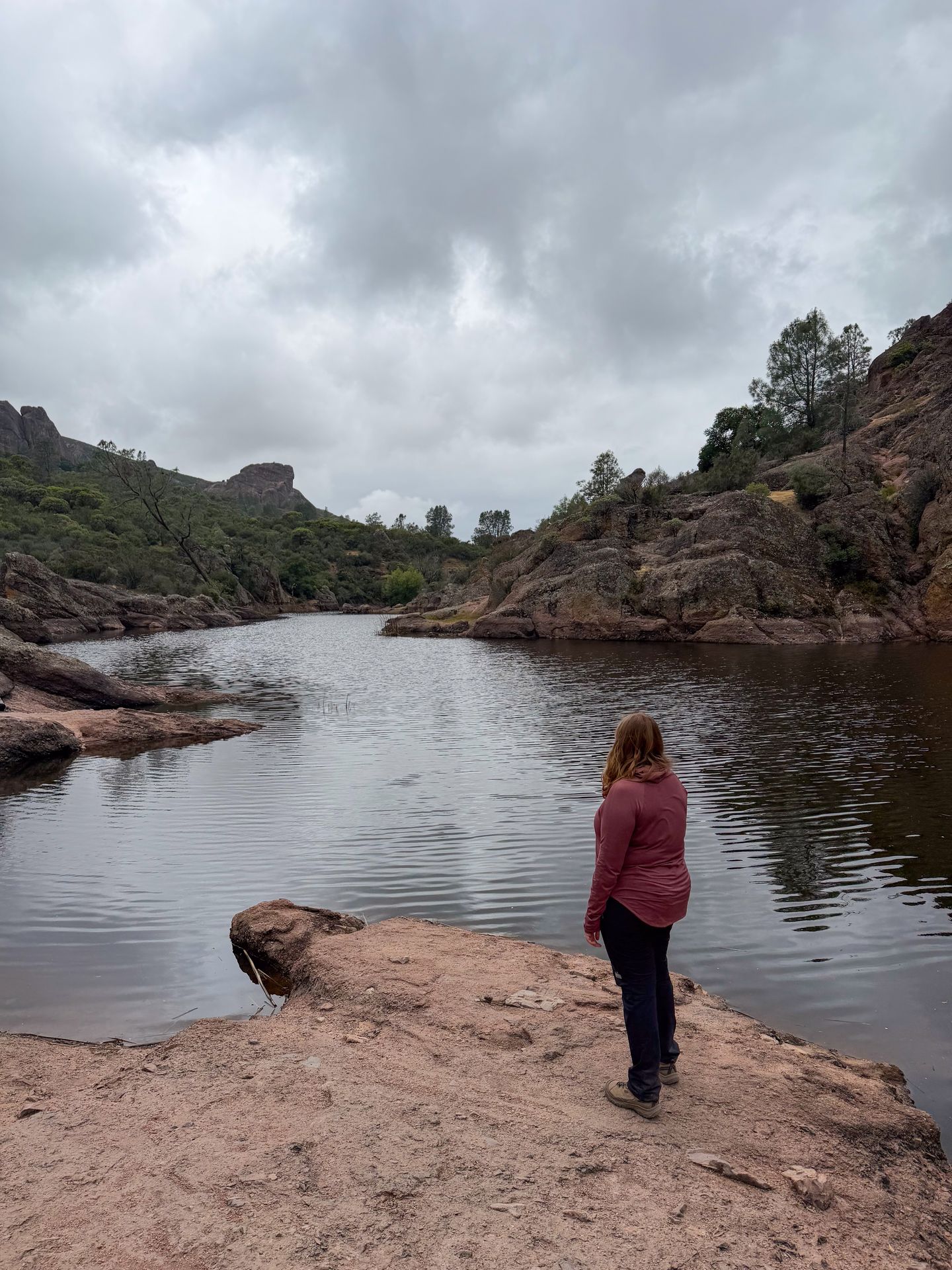
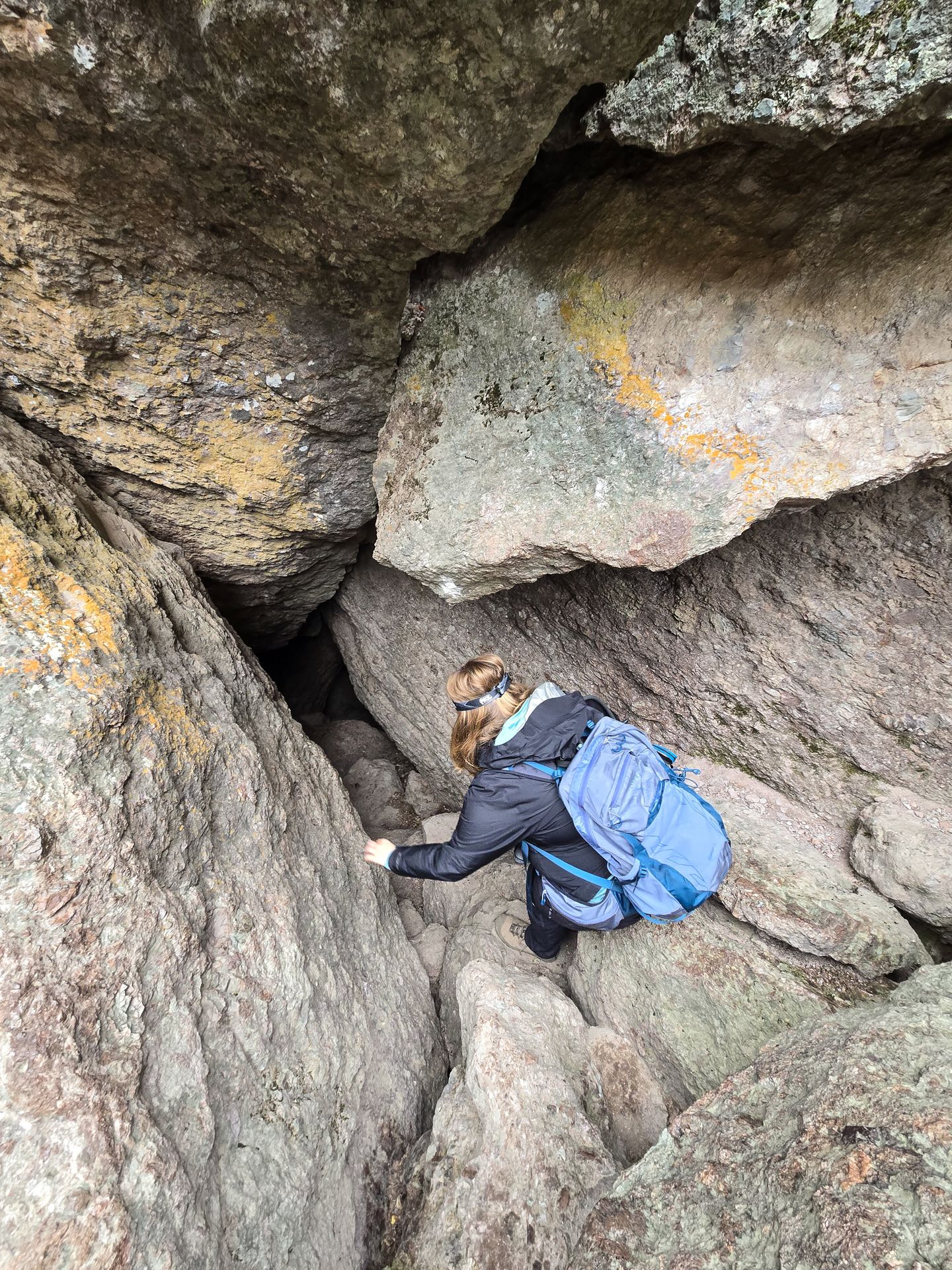
If you’re headed into Bear Gulch Cave, it’s helpful to have a headlamp or flashlight. It gets quite dark in there! I visited the Lower Section, as the Upper Section was closed during my visit. Entering the cave involved climbing down some narrow steps between boulders. Then, we made our way down steps that have been built around the large rocks.
Exploring Bear Gulch Cave was definitely a highlight of this trail, and one of the best places to go in Pinnacles National Park. It was a very unique cave, and fun to explore on our own. There was even a waterfall inside of the cave. However, it was quite crowded.
If you just want to hike to Bear Gulch Cave and reservoir, it’s about 2.2 miles round trip.
If you’re looking for a longer trail that still brings you to High Peaks and Bear Gulch Cave, you can hike a 7-5-mile loop around this part of the park. There are lots of great choices, and it’s always smart to talk to a ranger before you’re heading out if you’re not sure which trail is best for you.
Hiking in the West Side of Pinnacles National Park
The west side of Pinnacles National Park offers a quieter experience, and is worth a visit. I hiked the Balconies Cave Loop and really enjoyed it!
Pro Tip: The West side has a gate and is only open from 7:30 am to 8:00 pm. Don’t make my mistake and arrive before the gate is open! We had to wait in our car for about an hour before the gates opened.
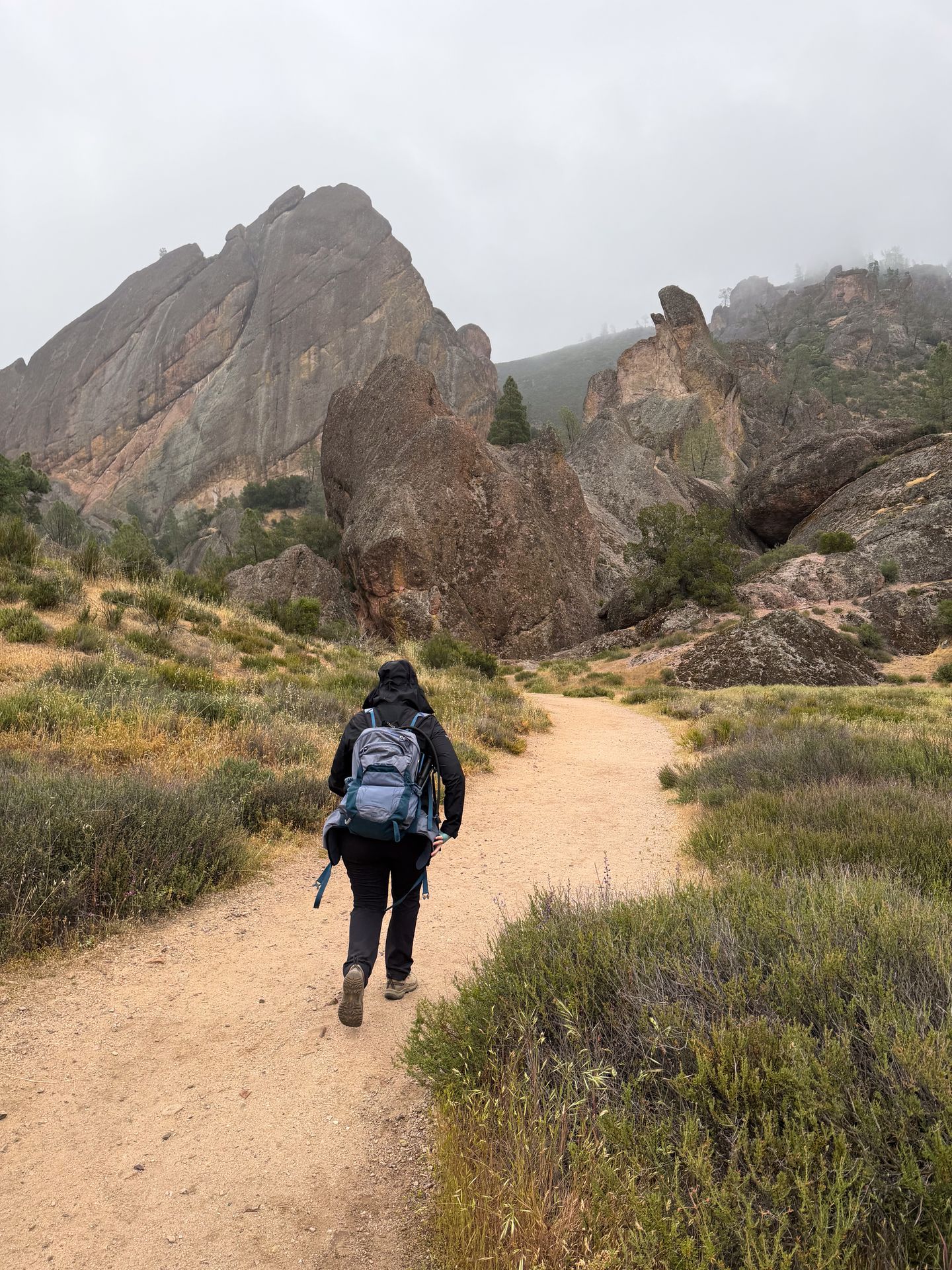
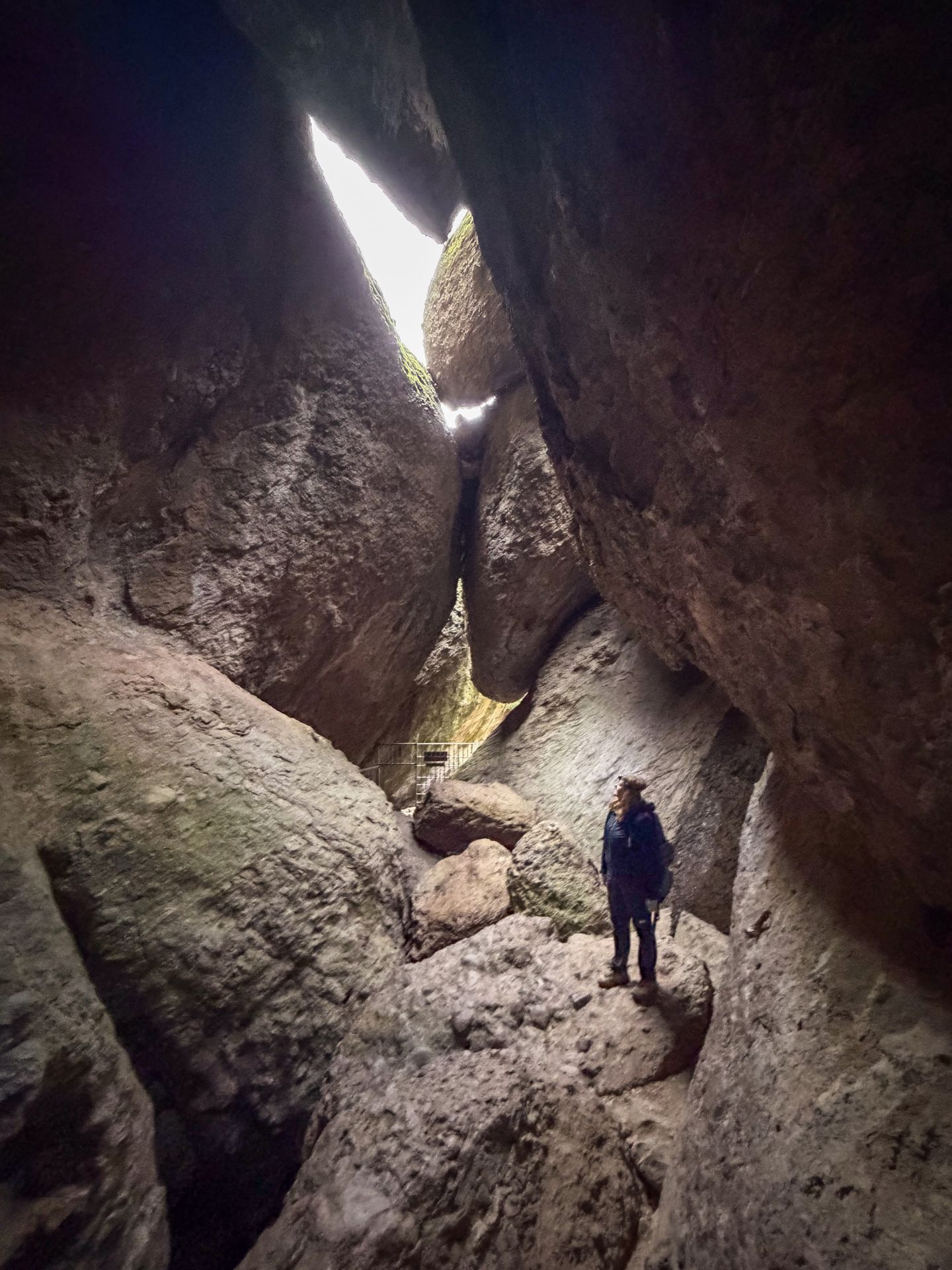
The Balconies Cave Trail is about 2.7 miles with 380 feet of elevation gain. The trail is a lollipop, so you'll start by hiking 0.7 miles, and then encounter a loop. One side of the loop goes through Balconies Cave, and the other side travels up above the cave and has some nice views.
I recommend hiking clockwise so that you’ll be hiking up through the cave instead of down. Navigating through Balconies Cave is more challenging than Bear Gulch Cave, but in a way that I thought was fun and adventurous. It involves some rock scrambling up and down boulders.
Just like Bear Gulch, I highly recommend a flashlight or ideally, a headlamp, to navigate your way through this cave. It’s dark, and you might need your hands free in some areas.
While it was early in the morning, I still found that the west side of the park was MUCH less crowded than the east side, so it’s a great area to explore if you’re looking for peace and quiet.
For a longer trail in this area, you can connect over to the High Peaks Trail from the Balconies trail or the Juniper Caniper Canyon Trail. Keep in mind that while the two sides of the park aren’t connected by road, they’re connected by trails. So, you could reach the popular east side areas by starting from the west side if you’d like.
There are also opportunities for more backcountry exploration on the North Wilderness Trail.
Climbing in Pinnacles National Park
If you have rock climbing experience, Pinnacles is a great place to enjoy unique climbs. They offer a good mix of climbs for both beginners and more experienced climbers. Be sure to read through the safety advisory if you’re considering climbing here. Keep in mind that between January and July, you’ll need to be careful not to disturb nesting raptors.
Birdwatching in Pinnacles National Park
Birding is a great activity for anyone visiting Pinnacles National Park. As I’ve mentioned, the park is famous for California Condor, which is the largest bird in North America.
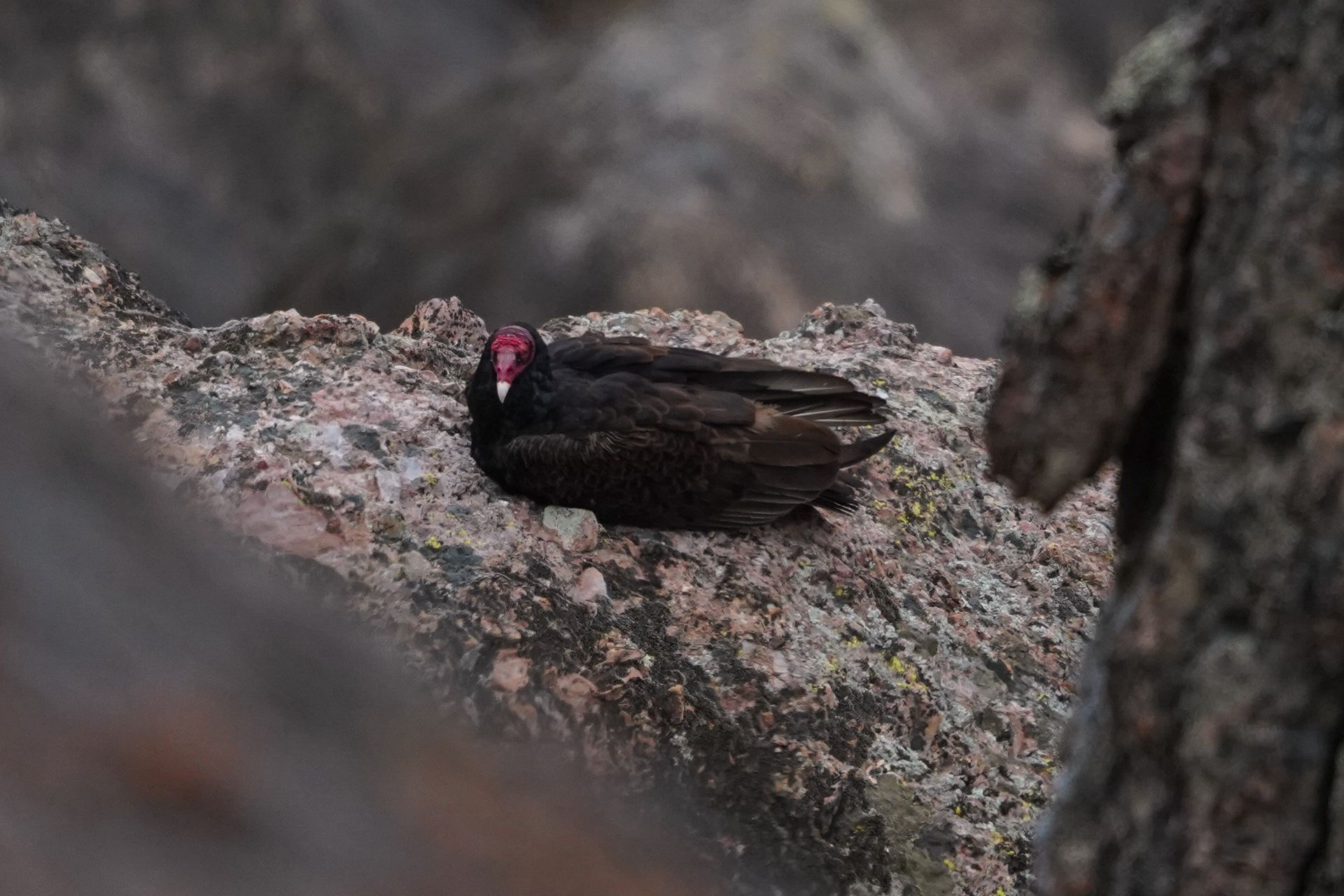
Unfortunately, I didn’t see any condors during my 2 days in the park, but I did see a lot of turkey vultures.
Other popular birds to spot include the Greater Roadrunner, the Canyon Wren or the California Thrasher.
Good areas to look for birds include the East Side Visitor Center, the Moses Spring Trail, the High Peaks Trail, and the Balcones Cave Trail.
Visitor Centers in Pinnacles National Park
As with any national park, you should stop by the visitor center to grab your stamp, talk to a ranger, learn about the park, and/or pick out a souvenir.
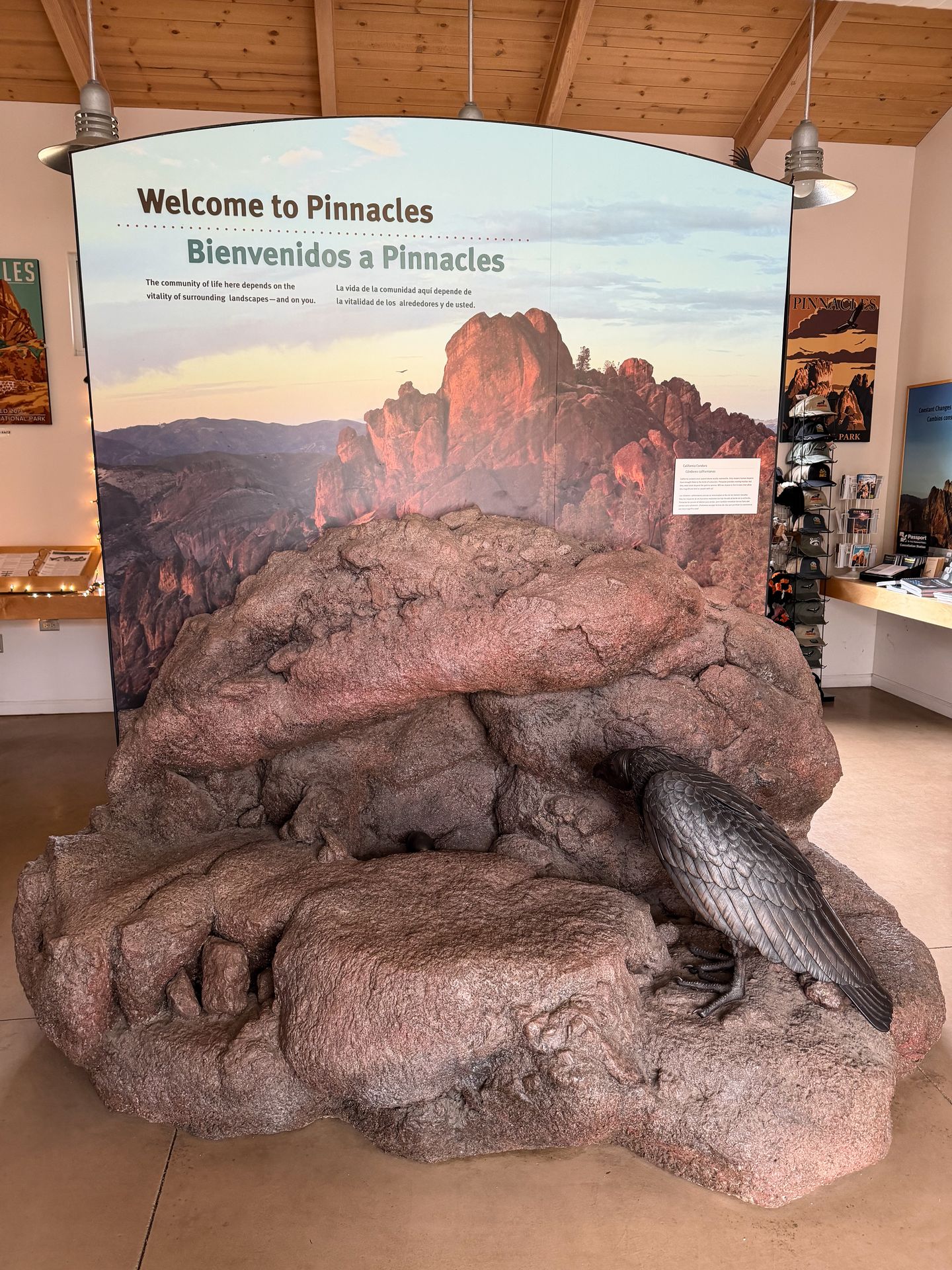
In Pinnacles, there are visitor centers on both the east and west side of the park. The East Side Visitor Center includes a camp store with plenty of snacks. The West Side Visitor Center has outdoor exhibits about the different types of rocks in the park, which I thought were really neat.
Where to Stay when Visiting Pinnacles National Park
Camping in Pinnacles National Park
There is a campground located on the east side of Pinnacles National Park, and it has 55 sites. Bookings open up 6 months in advance (or a year for group sites), and it’s smart to book early if you’re visiting during a popular time.
There are even a few tent cabins available, and they sleep up to 4 people.
Hotels near Pinnacles National Park
There are a few different towns to consider when looking for a hotel near Pinnacles National Park.
Personally, I stayed in Soledad. This small town is located right outside of the west side of Pinnacles National Park, so it’s very convenient if you want to visit that part of the park. However, it’s a little over an hour from the east side of the park, which is more popular.
I stayed in the Motel 6 in Soledad and it was basic, but provided a good place to sleep.
Pro Tip: I loved eating at Cocuyos Restaurant in Soledad, they had delicious Mexican food!
While Soledad was great for the west side, there are other, larger, towns that have more hotel options, and aren’t much further from the east side. Check out Salinas or Hollister for many more options.
More Things To Do Nearby Pinnacles National Park
If you’re looking for more things to do near Pinnacles National Park, there are some incredible places within a couple hours of the park. I visited all of these spots during the same trip, and loved them.
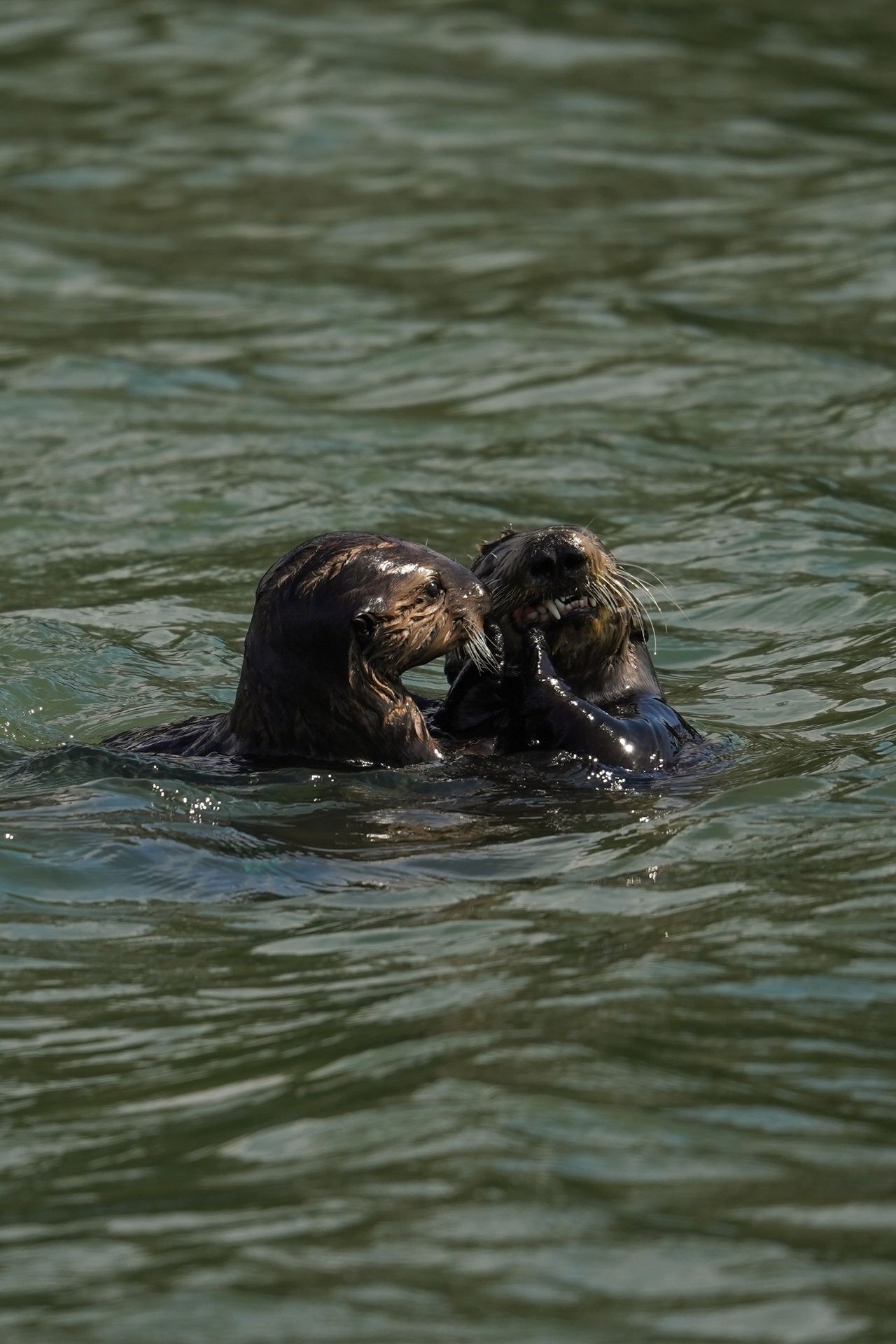
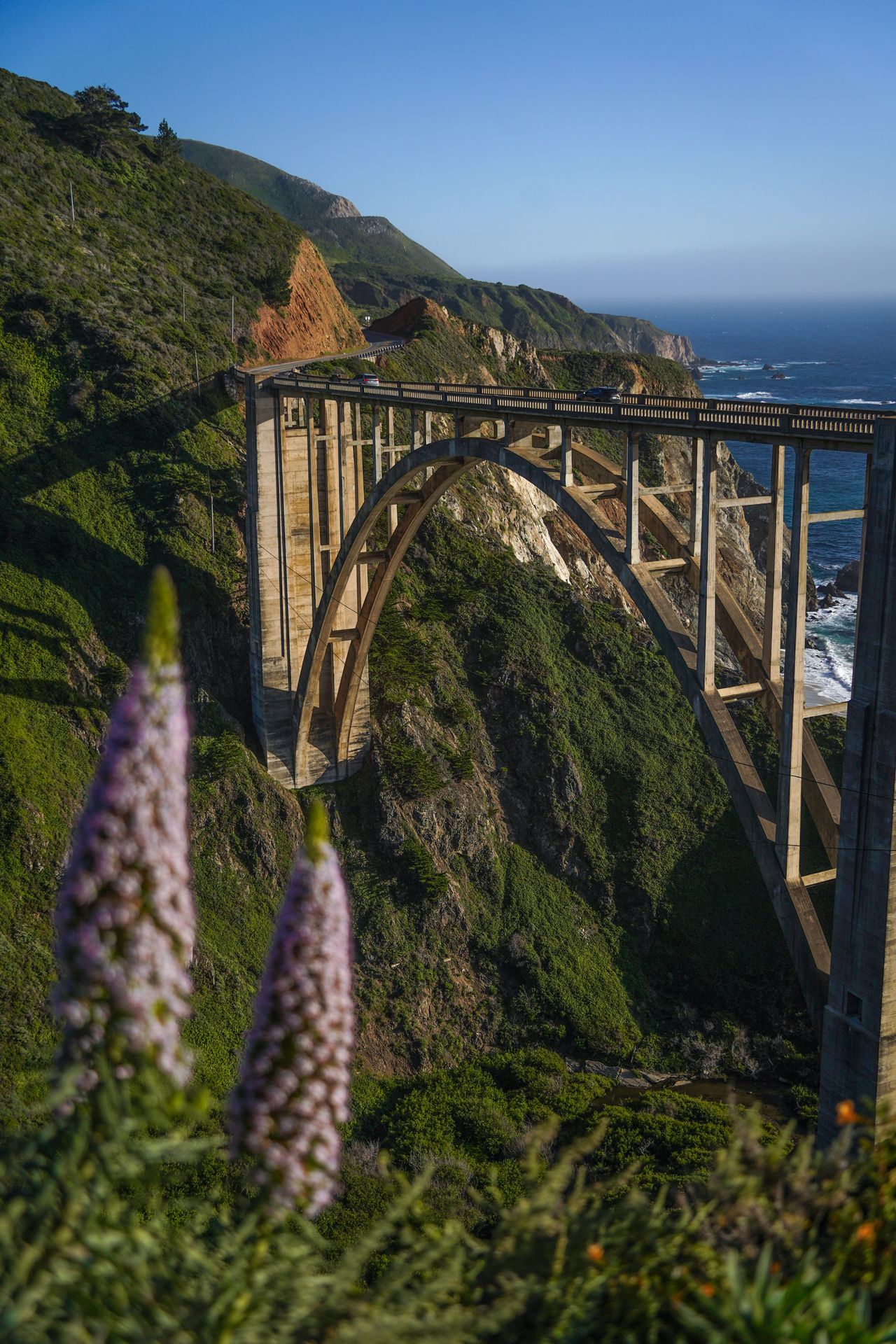
- Monterey
- Carmel-by-the-Sea
- Big Sur
- Elkhorn Slough
Final Thoughts
I hope this guide helps you plan an amazing trip to Pinnacles National Park. In my opinion, this is a very underrated national park that is an amazing place for hikers. Whether you’re briefly visiting to look for condors, or spending a couple days on the trails, it’s a national park worth adding to your USA bucket list.
For more California national park guides, check out my other blog posts:
- The Best Things To Do in Lassen Volcanic National Park
- How to Spend A Day in Redwood National Park
- A Guide to Visiting Channel Islands National Park
- How to Spend 3 Days in Sequoia and Kings Canyon
- How to Spend 2 Days in Death Valley
- How to Spend 2 Days in Joshua Tree
Thanks for Reading!


Let's stay in touch!
Join the Lost with Lydia email list to get monthly travel guides and tips!