National Parks
How to Plan a National Park Road Trip (A Step-by-Step Guide)
March 26, 2026
If you’re new to visiting US national parks, planning a trip can be intimidating. There are so many parks to choose from, and some of the parks have special planning concerns. Some parks need reservations for certain activities, and in many parks, you’ll want to book your lodging or camping well in advance.
I’m an avid national park traveler who has almost been to all 63 US national parks (I’m planning to visit my final few parks by the end of 2026!). After countless visits (and return visits) to some of the most incredible US national parks, I wanted to share an easy, step-by-step guide to planning your national park vacation.
In this guide, I share simple steps for national park road trip planning, and suggest parks for each season along the way.
9 Steps for Planning a National Park Road Trip
1. Pick Your Season
Which national park you should visit greatly depends on when you’ll be traveling! The season is usually very important when it comes to visiting national parks. Most parks (but not all) are at least partially open year round. However, if you want to be able to fully experience the best of the park, you’ll probably need to visit at a certain time.
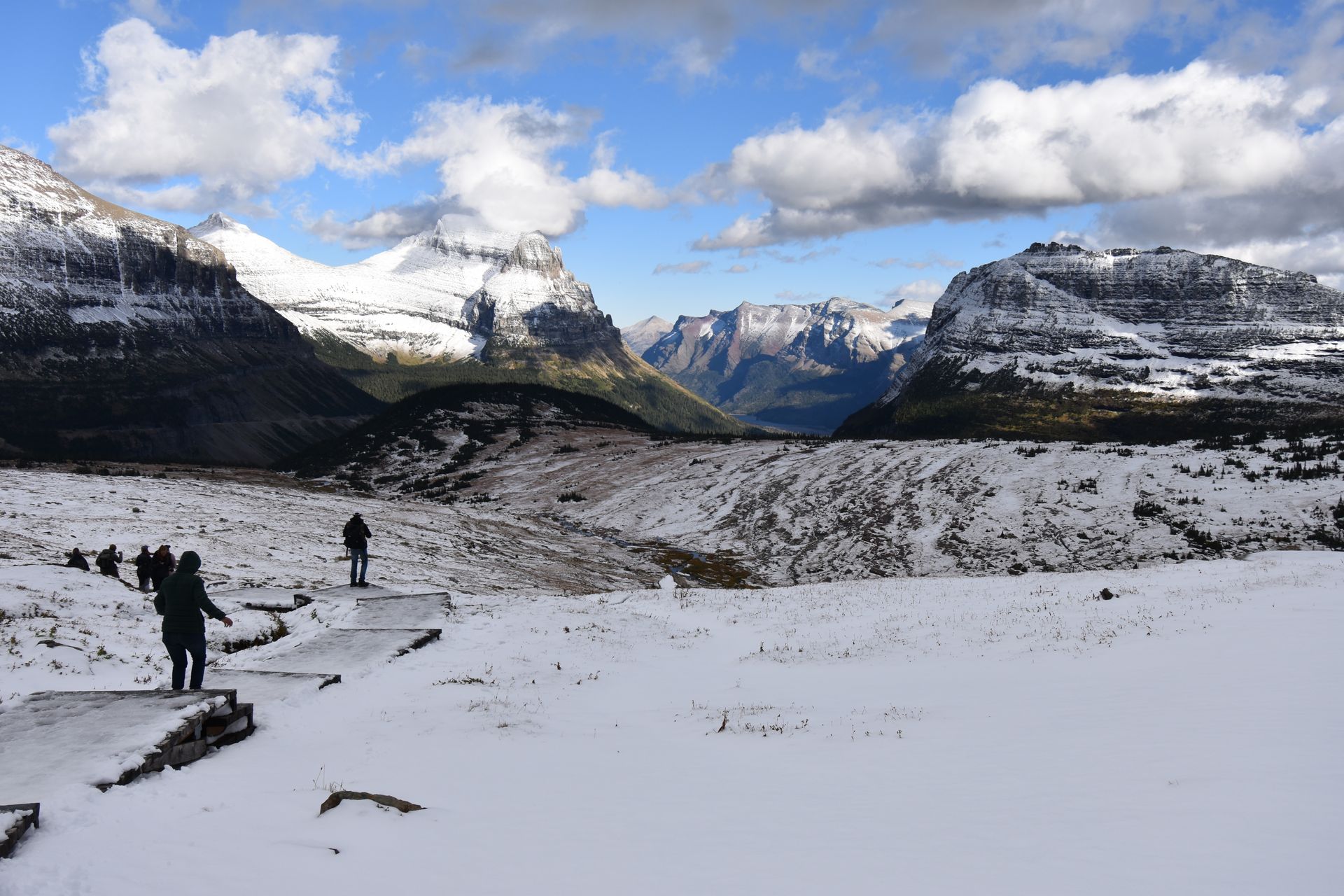
For example, the high altitude national parks, such as Glacier National Park, have relatively short seasons where the trails aren’t covered in snow and all of the roads are open. This doesn’t mean that you can’t visit outside of the peak season and have a good time (this might be a good idea if you really hate crowds and aren’t a hiker), but most visitors will want their first visit to a national park to be at a time when most things are accessible.
Another factor that you might want to consider when picking your season is crowds. Keep in mind that most national parks will be quite busy over holidays, such as 4th of July, and during Spring Break. If you do decide to travel during holidays (I’ve done it!), be extra careful to book your lodging early and be prepared for a lot of people.
2. Decide how long your trip will be
After you’ve decided when you can go, make a decision on how many days you can devote to the trip. This will help you decide if you can visit more than one park, or are just going to stick with one.
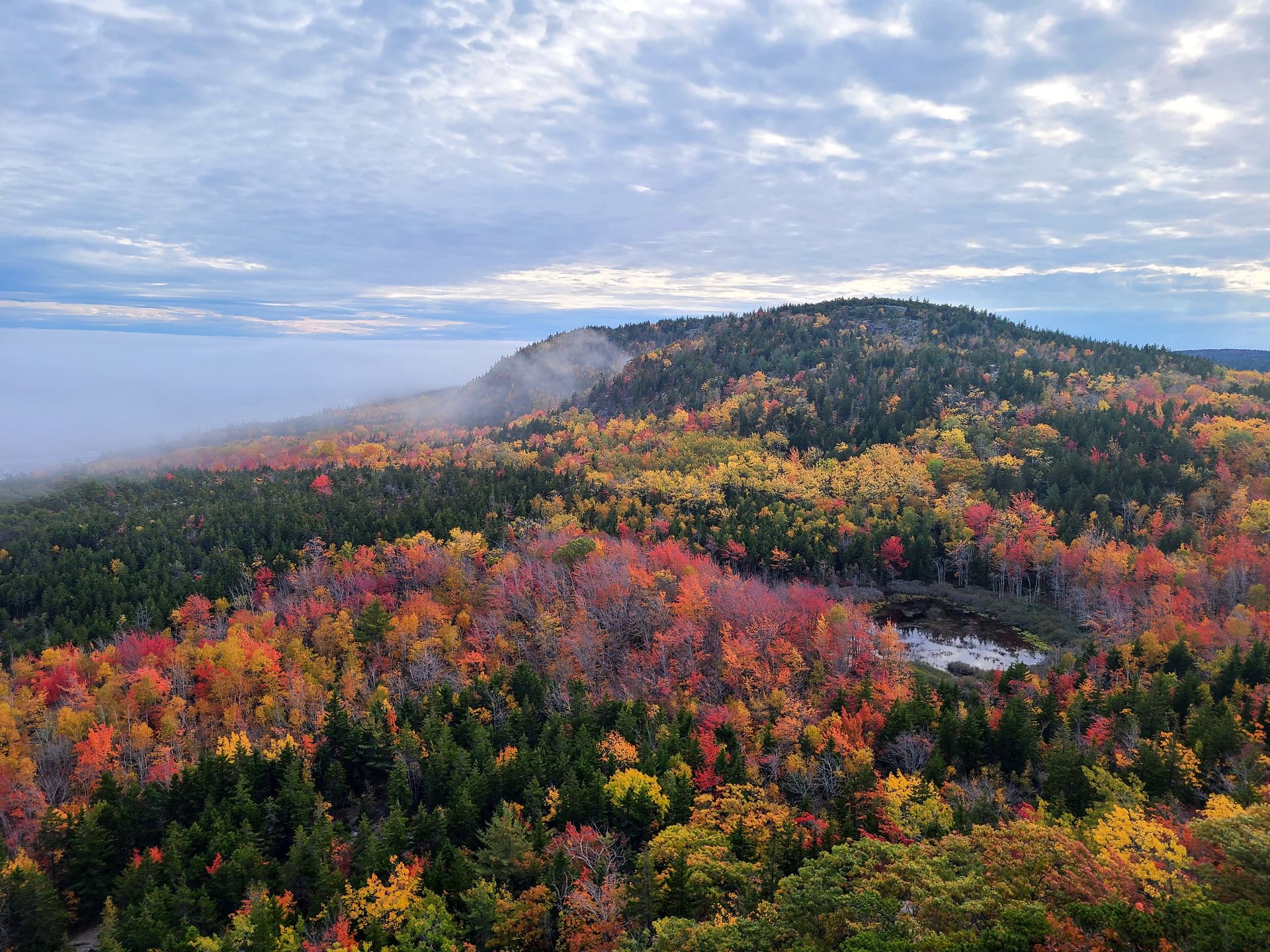
I have a personal philosophy that you should take the trip no matter how little time you have. If you wait until you have a full two weeks off, that time may never come. Some parks need more time than others to have a ‘full’ experience, but so many of the national parks can be experienced in one day.
How much time you need really depends on which parks you’d like to visit. As a few general rules, you’ll want more time if you want to hike, if the park is more remote, or if the park is very large.
This is also a good time to set your budget. If you’re traveling on a tight budget, you might want to plan a shorter trip, or plan to camp.
Short on time? Check out my one day itineraries for a few of the national parks:
- Redwood National Park
- Theodore Roosevelt National Park
- Petrified Forest National Park
- Acadia National Park
3. Pick your park(s)!
When you have an idea of when you’re going and how long you have, you can decide which national parks to visit!
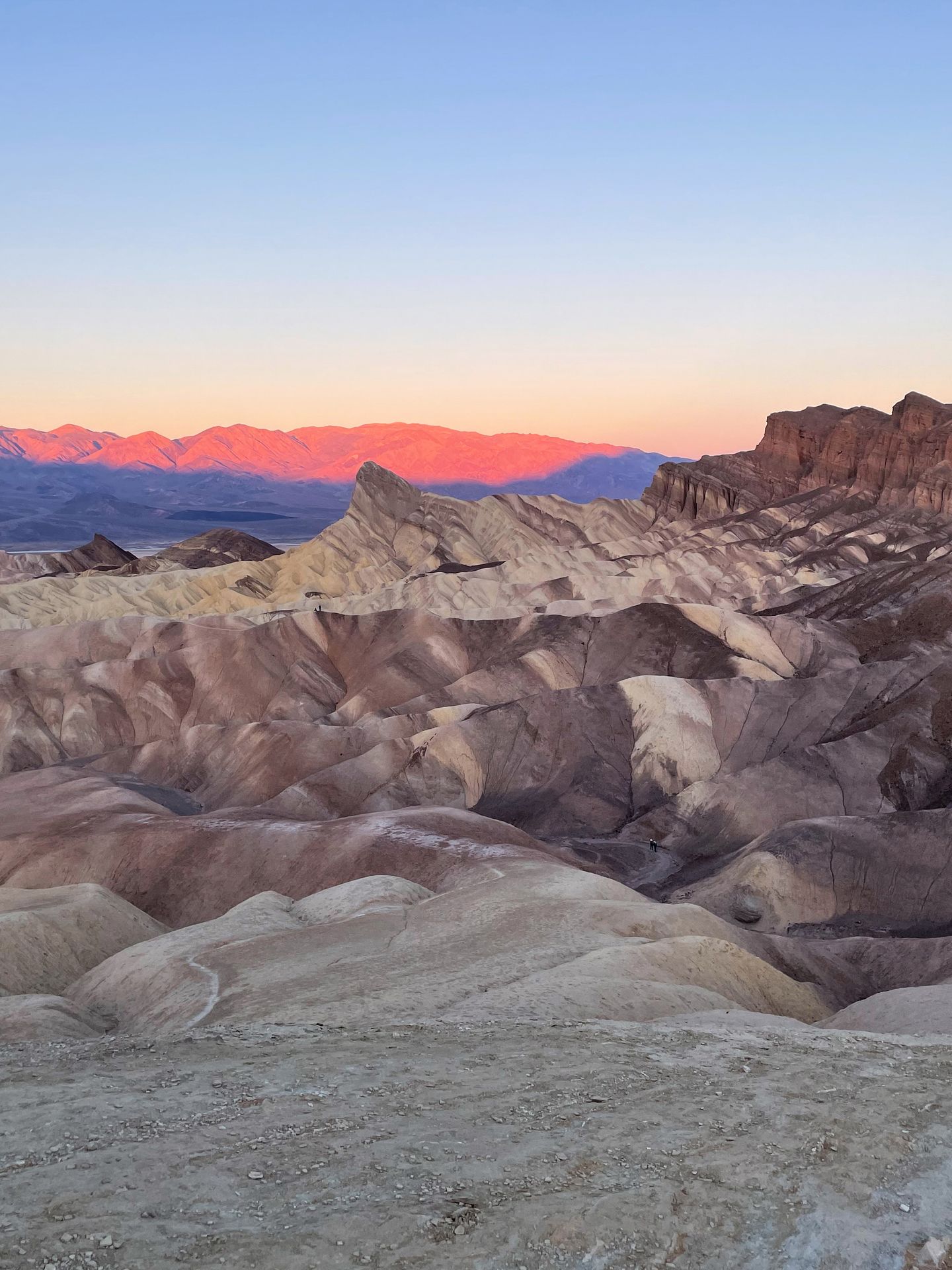
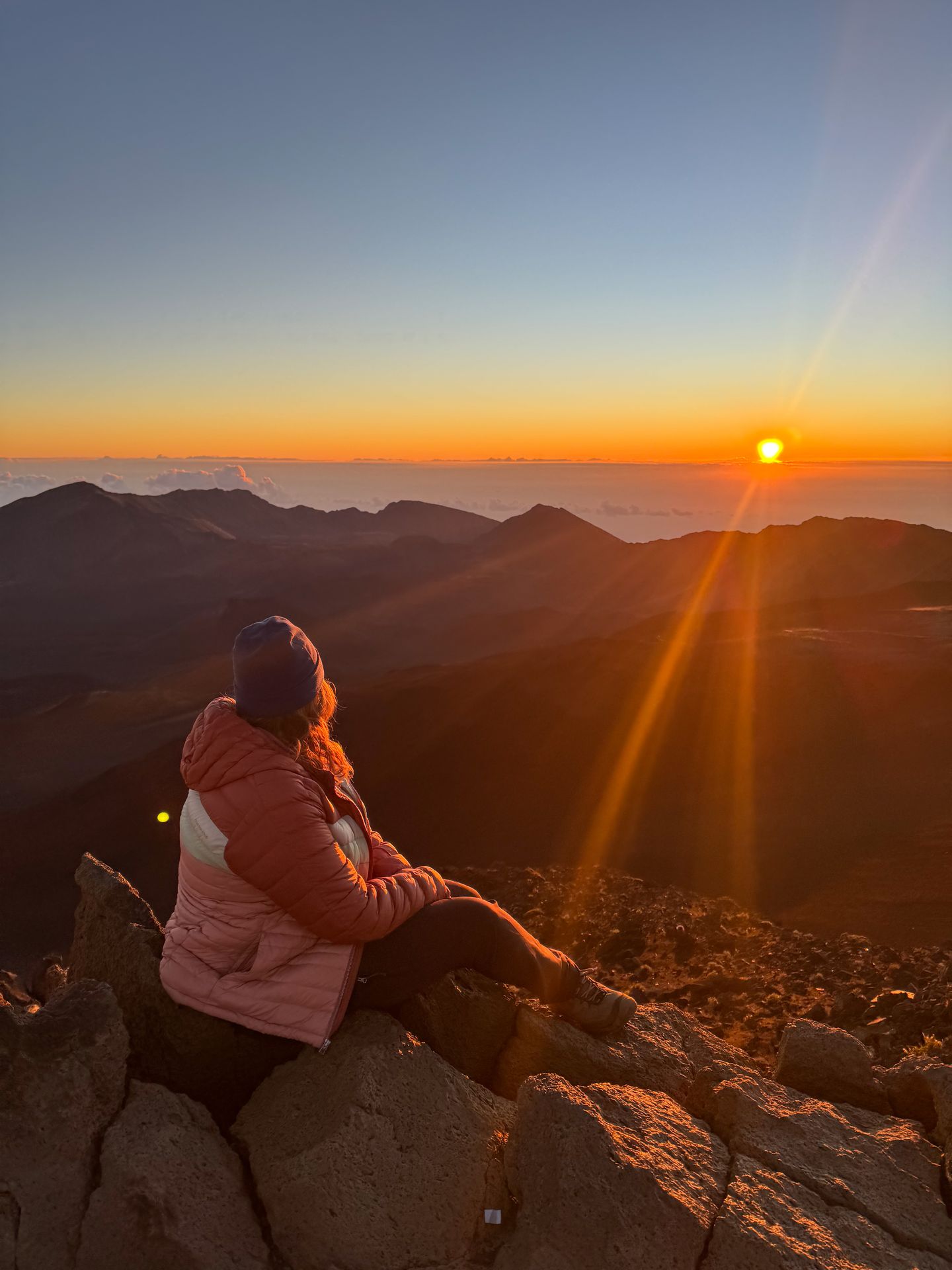
Here are some ideas of national parks to visit in each season:
National Parks that are great for spring:
- The Utah national parks
- The Arizona national parks
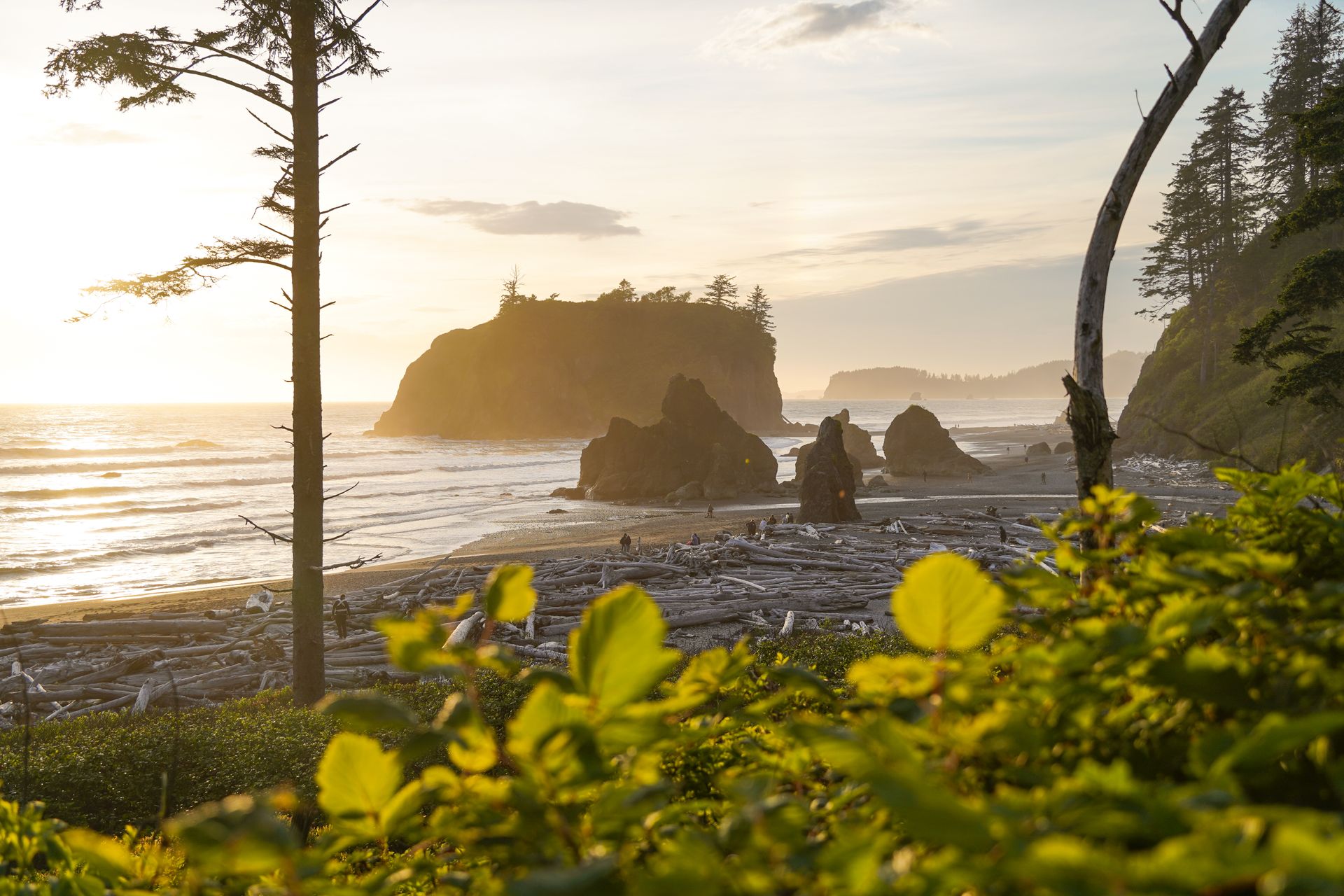
- Redwood and Olympic National Parks
- The Texas and New Mexico National Parks
National Parks that are great for summer:
- Glacier, Yellowstone and Grand Teton
- Isle Royale and Voyageurs
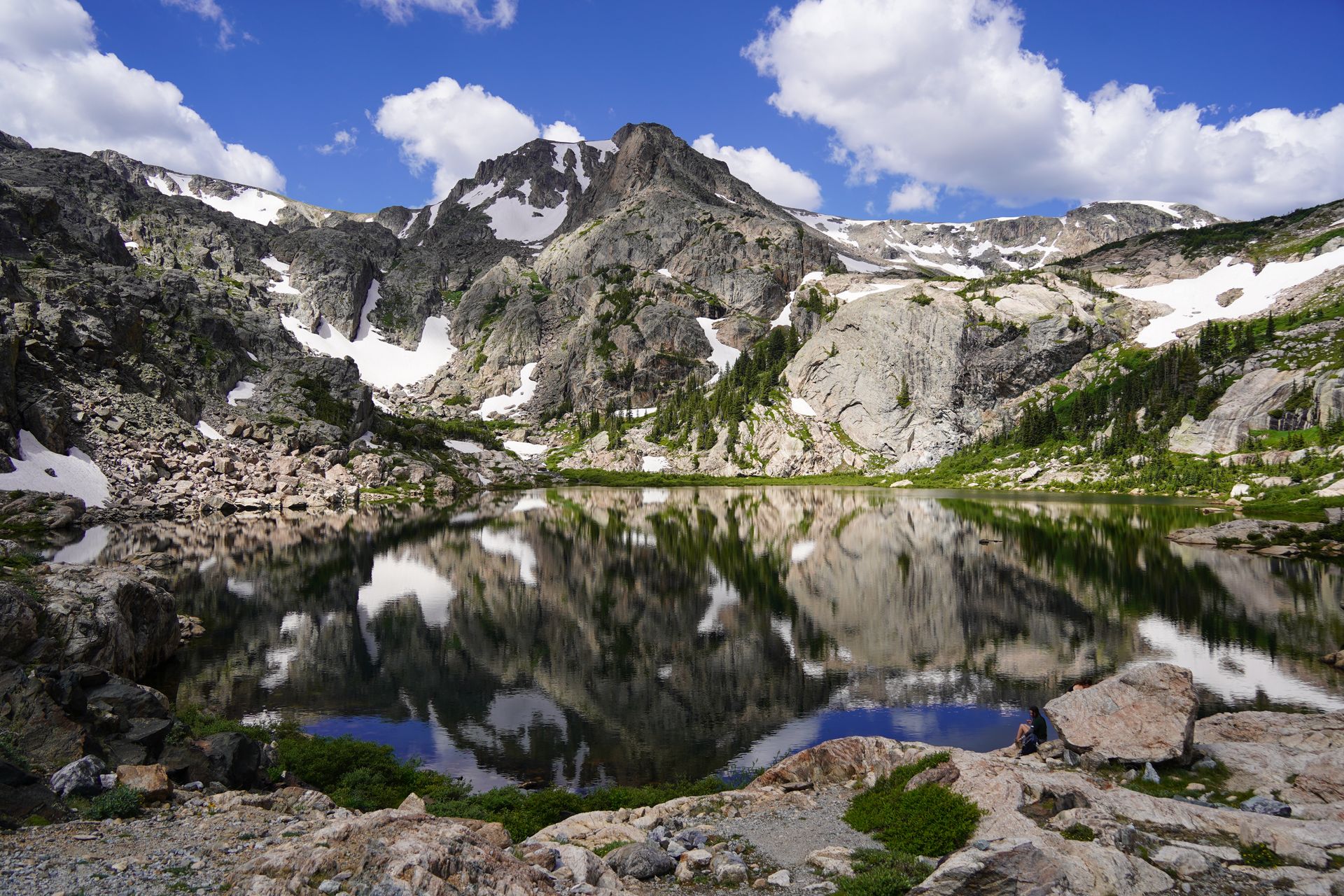
- Rocky Mountain National Park
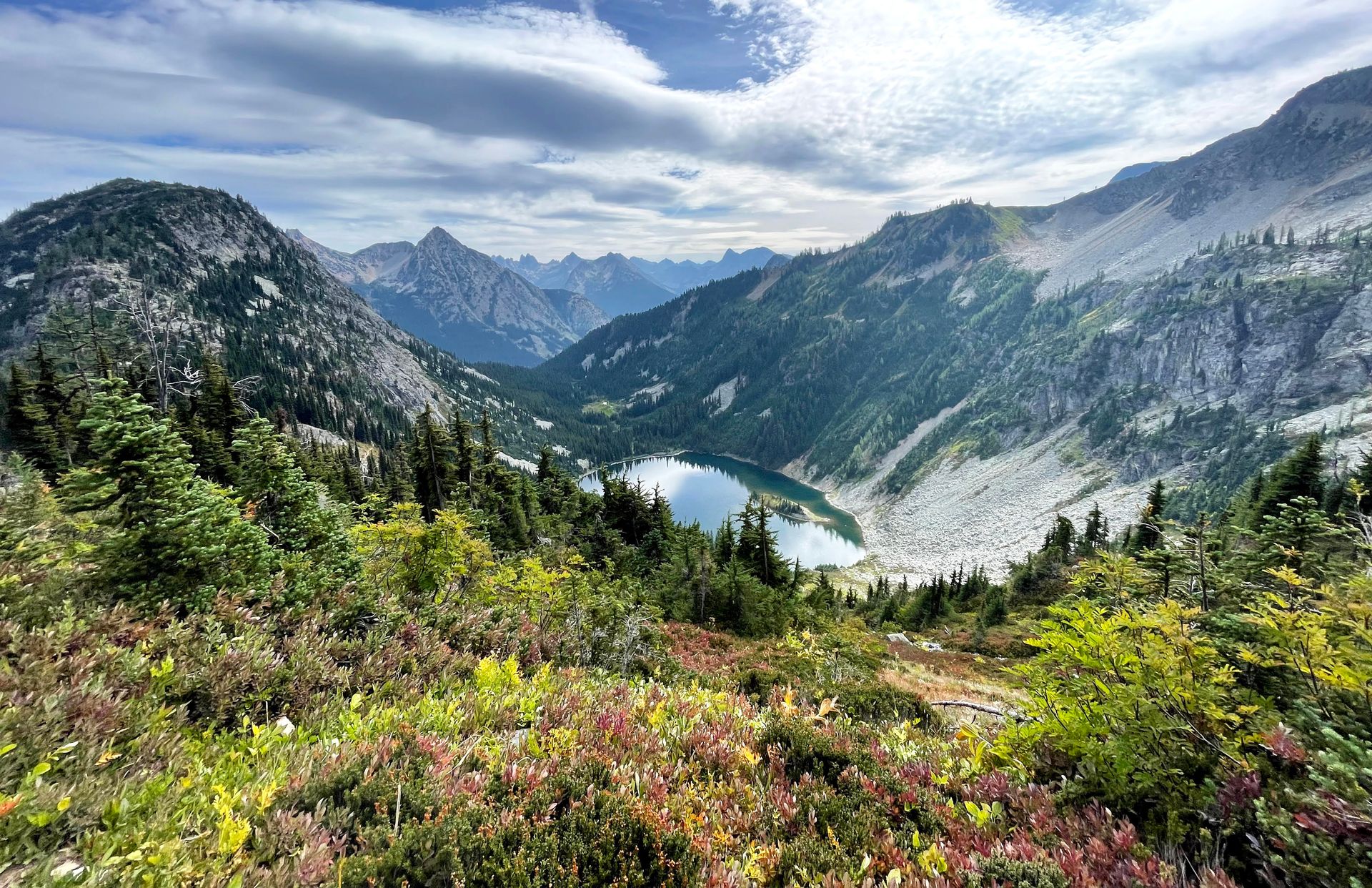
- Mt Rainier and North Cascades
- The Alaska national parks
Tip: The best time to visit high altitude parks tends to be mid-July to mid-September. June can still have a lot of snow.
National Parks that great for fall:
- Acadia National Park
- Shenandoah and New River Gorge
- Cuyahoga Valley National Park
- Great Smoky Mountains National Park
National Parks that are great for winter:
- Virgin Islands National Park
- Death Valley and Joshua Tree
- The Florida national parks
4. Start Mapping out your Itinerary
Before you jump into booking your lodging or flight, I recommend doing some research about exactly what you want to do and see in each park. That way, you can try to ensure your lodging is as close as possible to what you want to see most. This isn’t always possible, but it can be helpful.
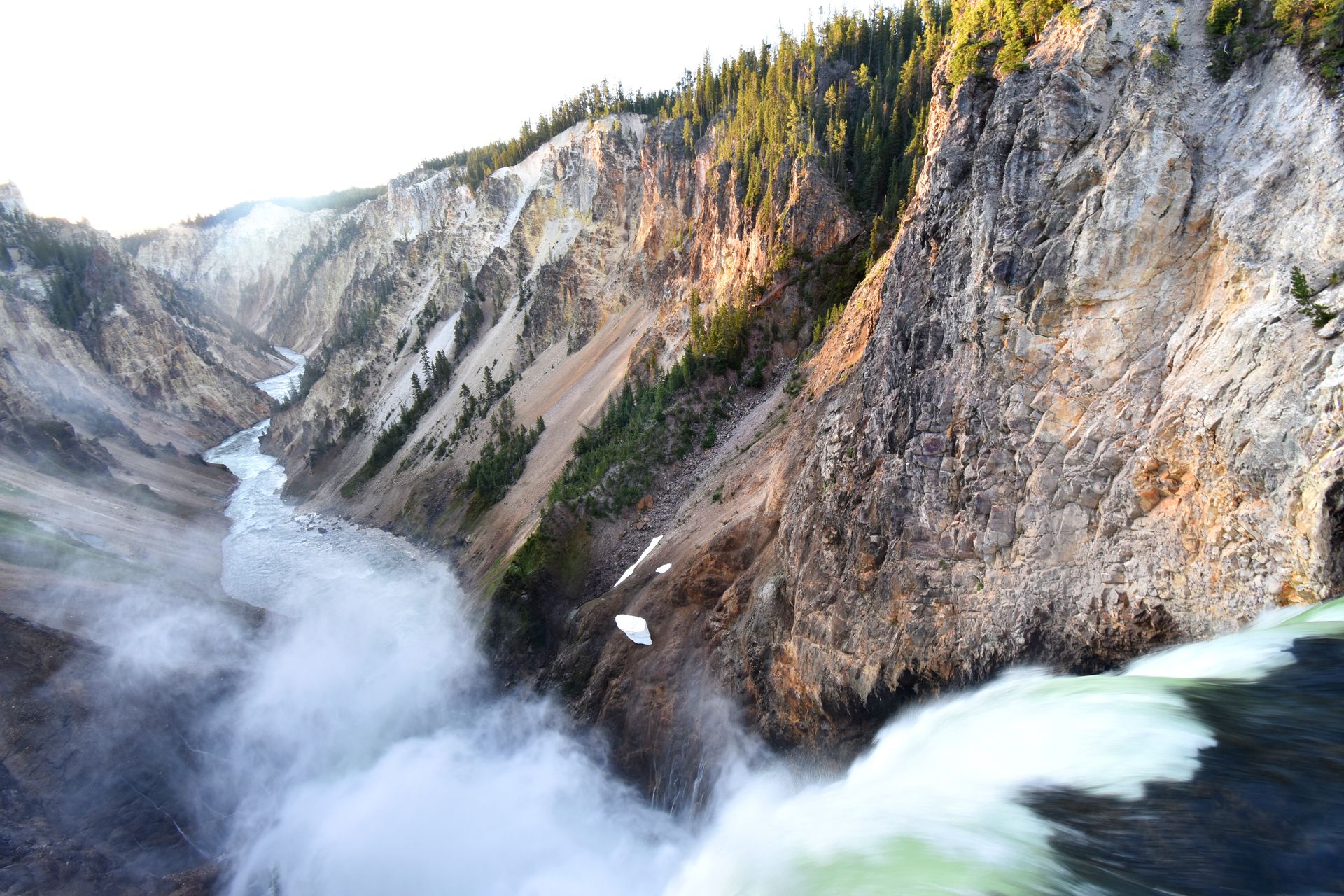
If you’re visiting multiple parks, or visiting a huge park, you’ll want to decide if you should move around during the trip, or pick one base. I’m a huge fan of moving around to be closer to different trailheads, because it can save a ton of driving time. However, checking in and out of a place can also add time and stress to your trip, so this really depends on your travel style and preference.
5. Book your Flights, Lodging and Rental Car
When you’ve picked your destination and dates, you can start booking your travel! How far in advance you need to book your accommodations really depends on the park and where you want to stay.
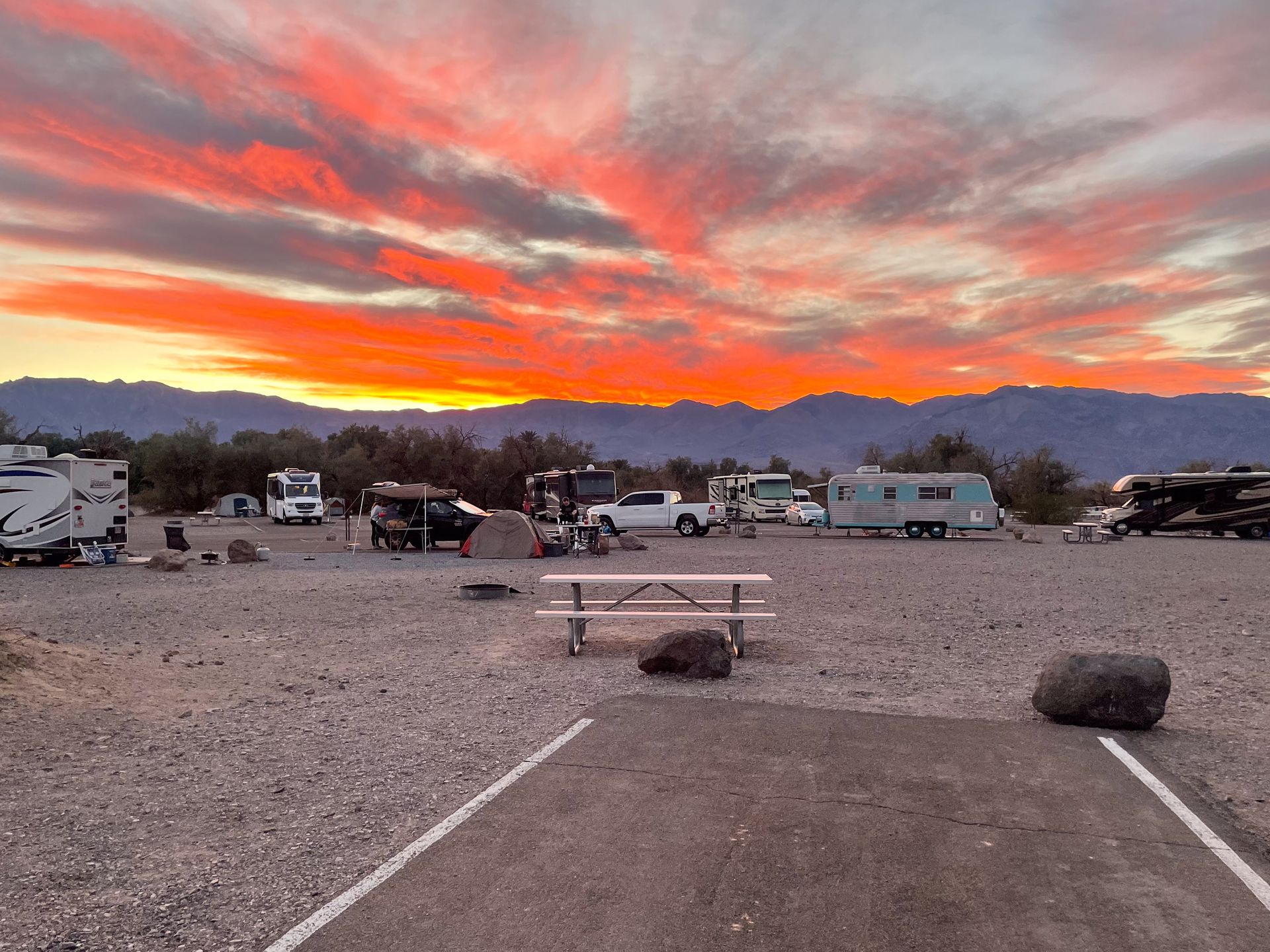
If you plan to camp or stay at a lodge inside of a popular national park, you’ll need to book early. As a general rule, campsites in national parks go on sale 6 months in advance, and national park lodges go on sale 12 or 13 months in advance. But this varies, so make sure to check each park that you’re thinking about visiting.
In the most popular parks, national park lodges and campgrounds sell out quickly. However, you still have a lot of options if you’re booking more last minute. You can watch for cancellations, and of course, you can stay outside of the park. Distance will vary, but this usually doesn’t add too much time.
Pro Tip: Check if it would make sense to fly into one airport, and out of a different airport. This can make your rental car a lot more expensive, but it doesn’t always. It can save you a lot of time.
As you’re booking your trip, especially if you’re booking expensive lodging or flights, you might want to consider travel insurance. Or, make sure that everything has a decent cancellation policy if things change. Unfortunately, it’s not uncommon for national parks to experience partial or full closures due to natural disasters, such as wildfires. Government shutdowns could also impact your trip.
Pro Tip: Don’t forget about your rental car, especially if you’re flying into a smaller airport! I had to reschedule my first trip to Glacier when I didn’t rent a car in time.
Here is a quick list of the national parks that I recommend booking lodging or reservations for further in advance:
- Glacier
- Yellowstone
- Grand Teton
- Rocky Mountain
- Dry Tortugas
- Acadia
- Zion
6. Check if Reservations or Permits are Needed
Now that you’ve started booking your trip, you’ll want to see if you’ll need tickets or reservations for anything. The only national park that is requiring a timed entry reservation in 2026 is Rocky Mountain National Park, but other parks require reservations for certain popular activities.
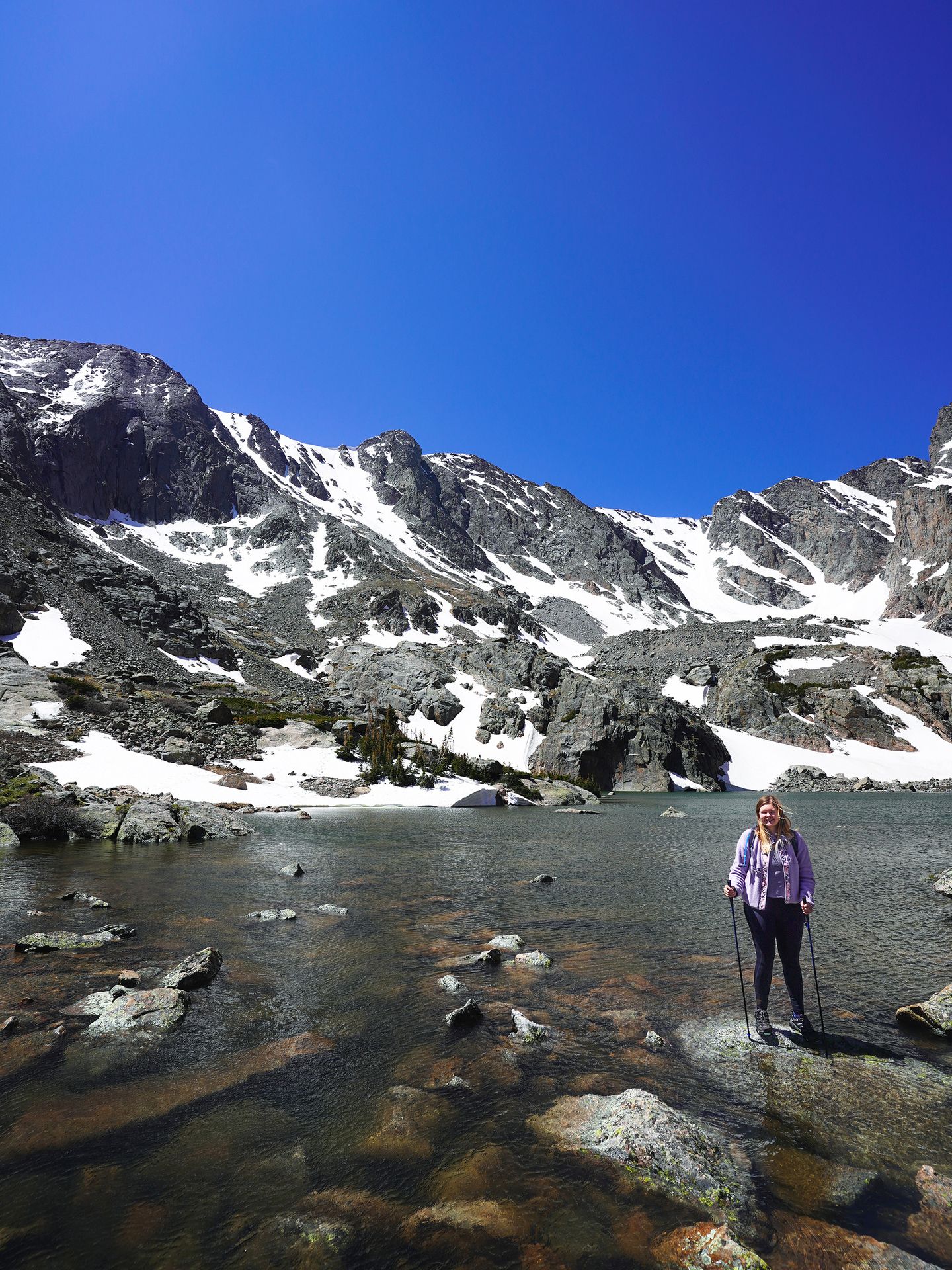
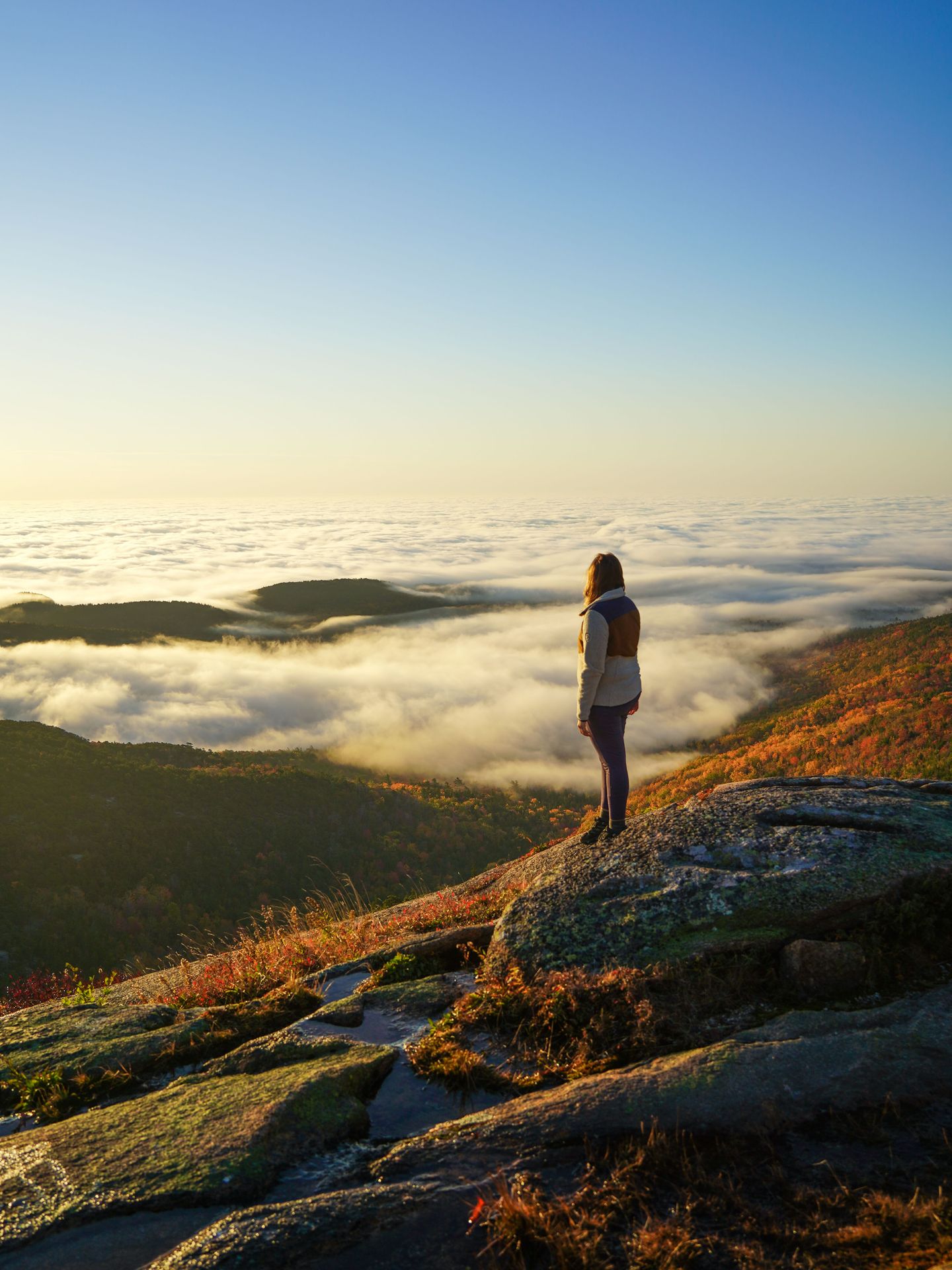
You’ll need advanced reservations for cave tours and ferry tickets. In Haleakala and Acadia, you’ll need reservations to watch the sunrise from certain viewpoints.
Read my full guide to which national park requires reservations
7. Plan Your Itinerary
As your trip approaches, come up with at least a loose itinerary for each day. Some travelers might want to go with the flow a little bit more, but I’m someone who loves an itinerary.
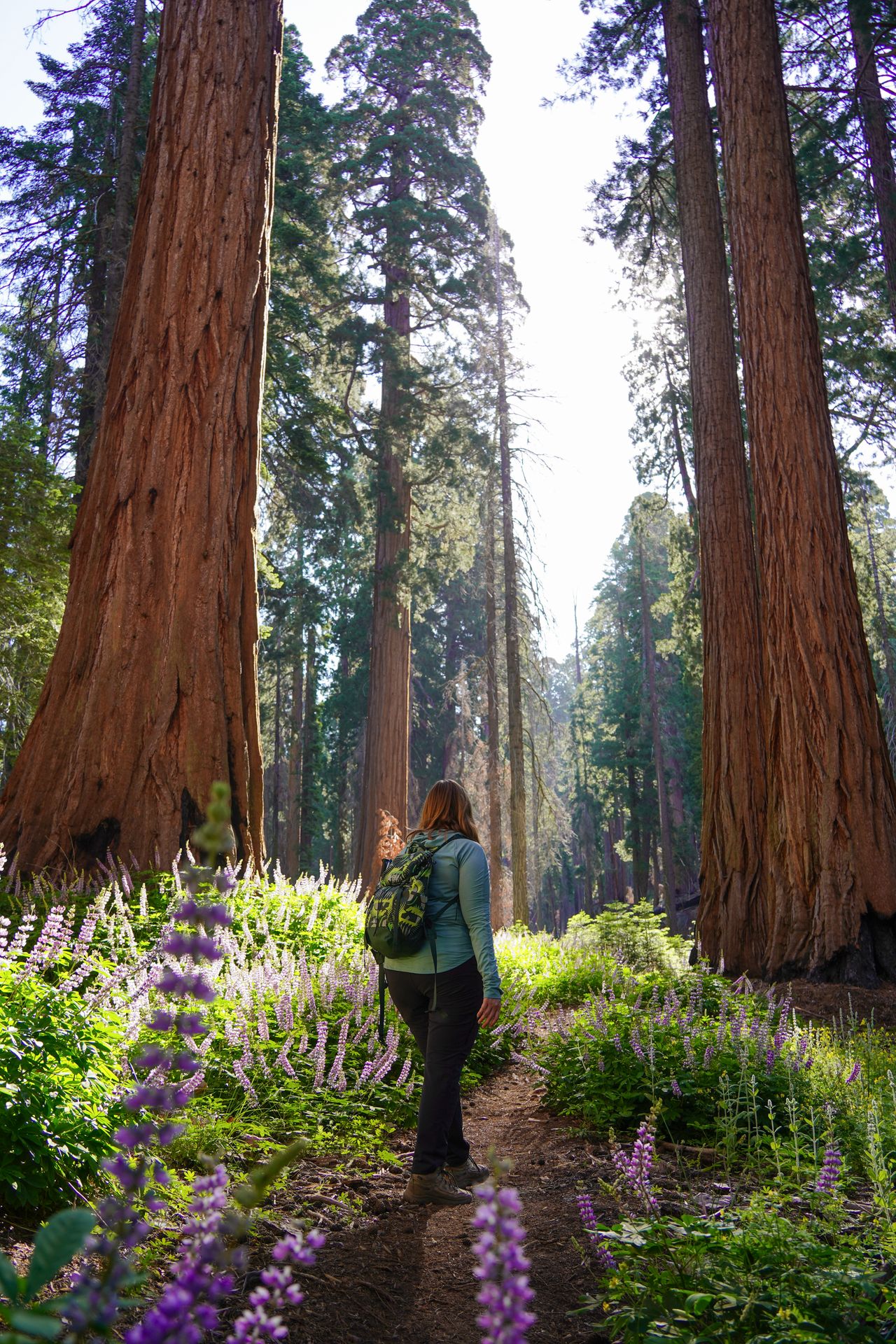
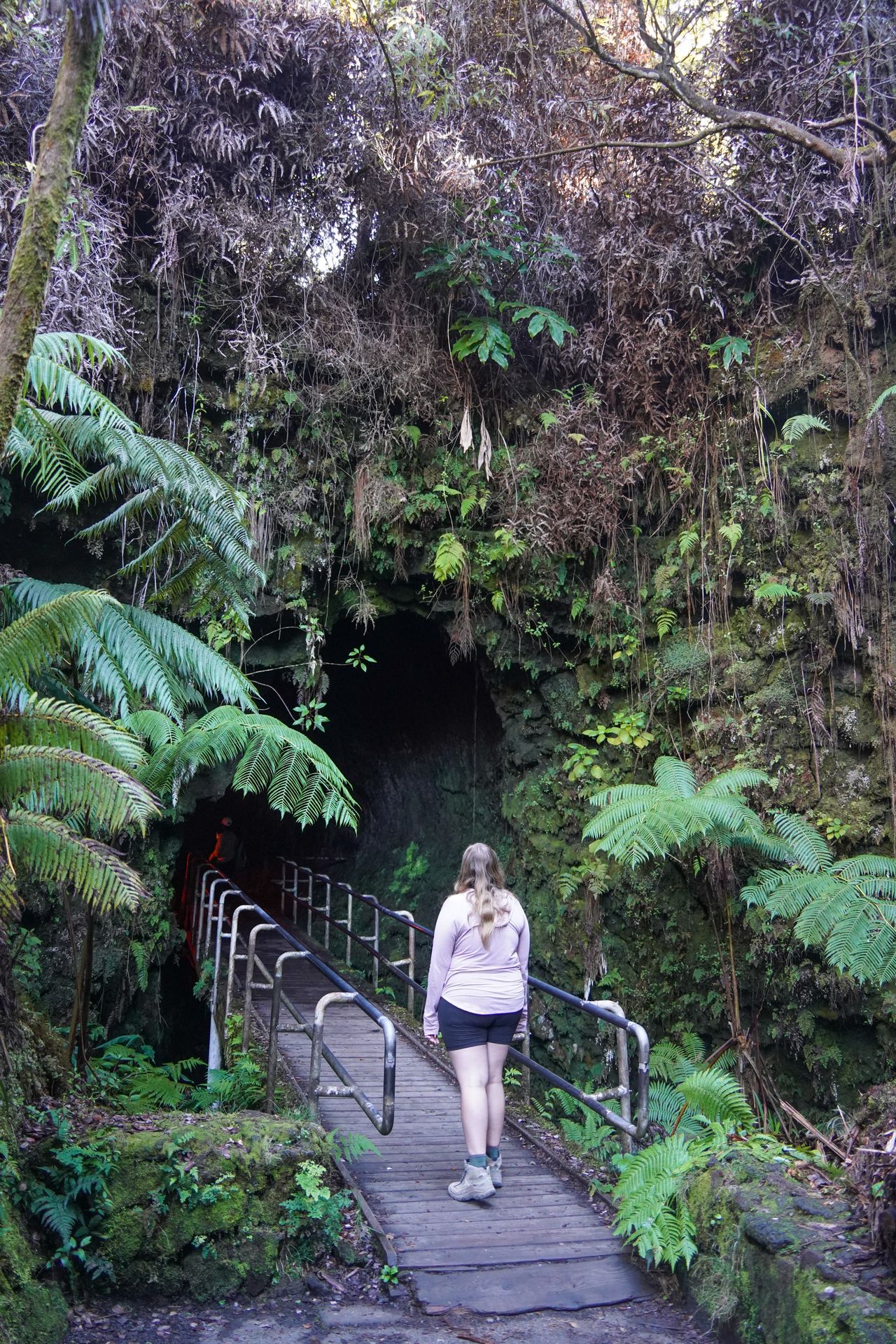
Here are some tips for planning your national park itinerary:
- Have a backup plan in case parking lots are full.
- Don’t forget to see what else is nearby! There are incredible state parks, national monuments and other public lands near just about every US national park. You’ll often find less crowds in these areas too.
- Add in a lot of buffer time in case trails or drives take longer than expected.
8. Prepare for the Trip
As the trip gets closer, you’ll want to make sure you’re ready for a successful journey! I recommend doing some research ahead of time about the weather and any special considerations for the environment you're visiting. For example, you’ll want to acquire bear spray for hiking in Glacier or Yellowstone (you can’t fly with it, so you’ll need to buy it there if you’re flying).
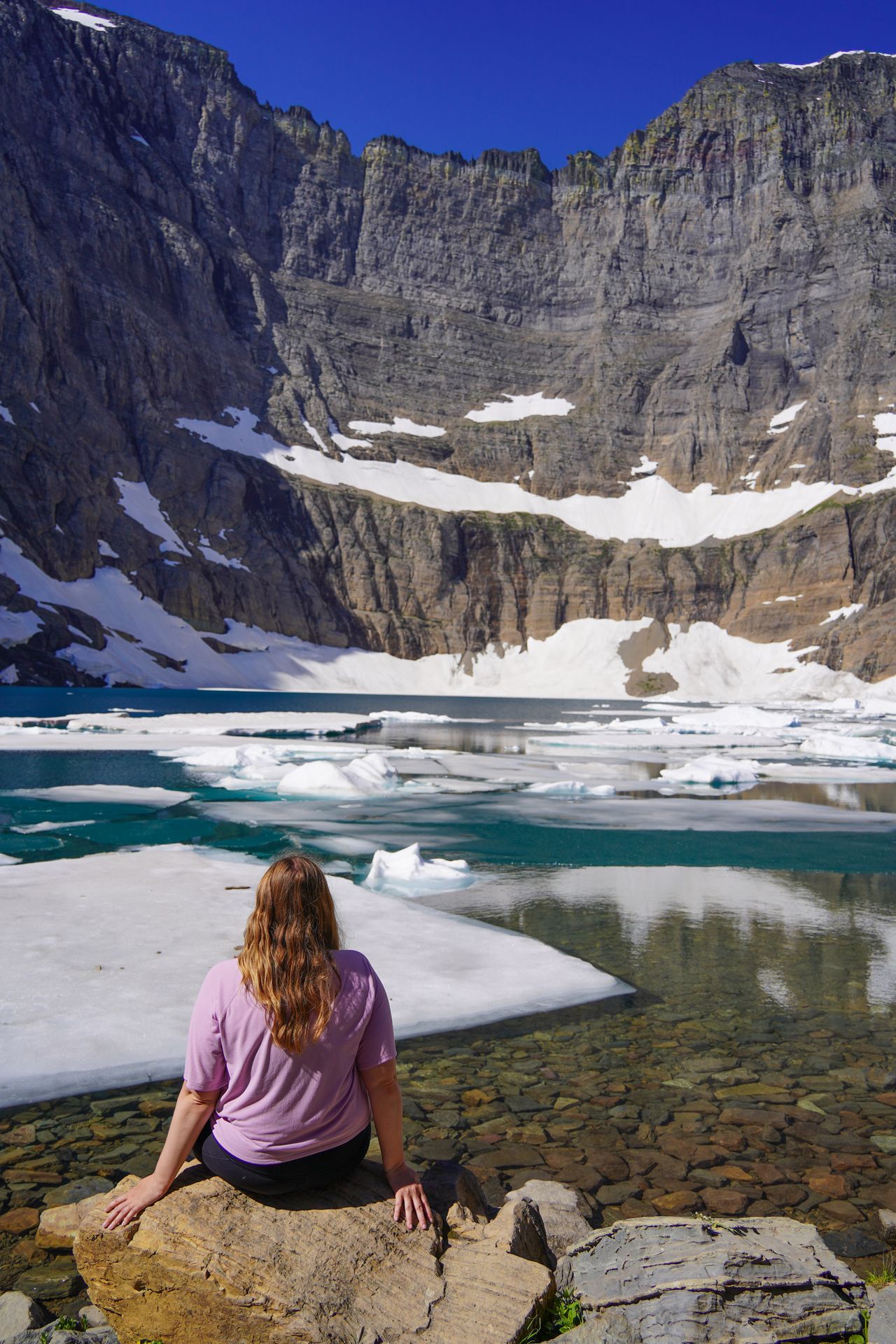
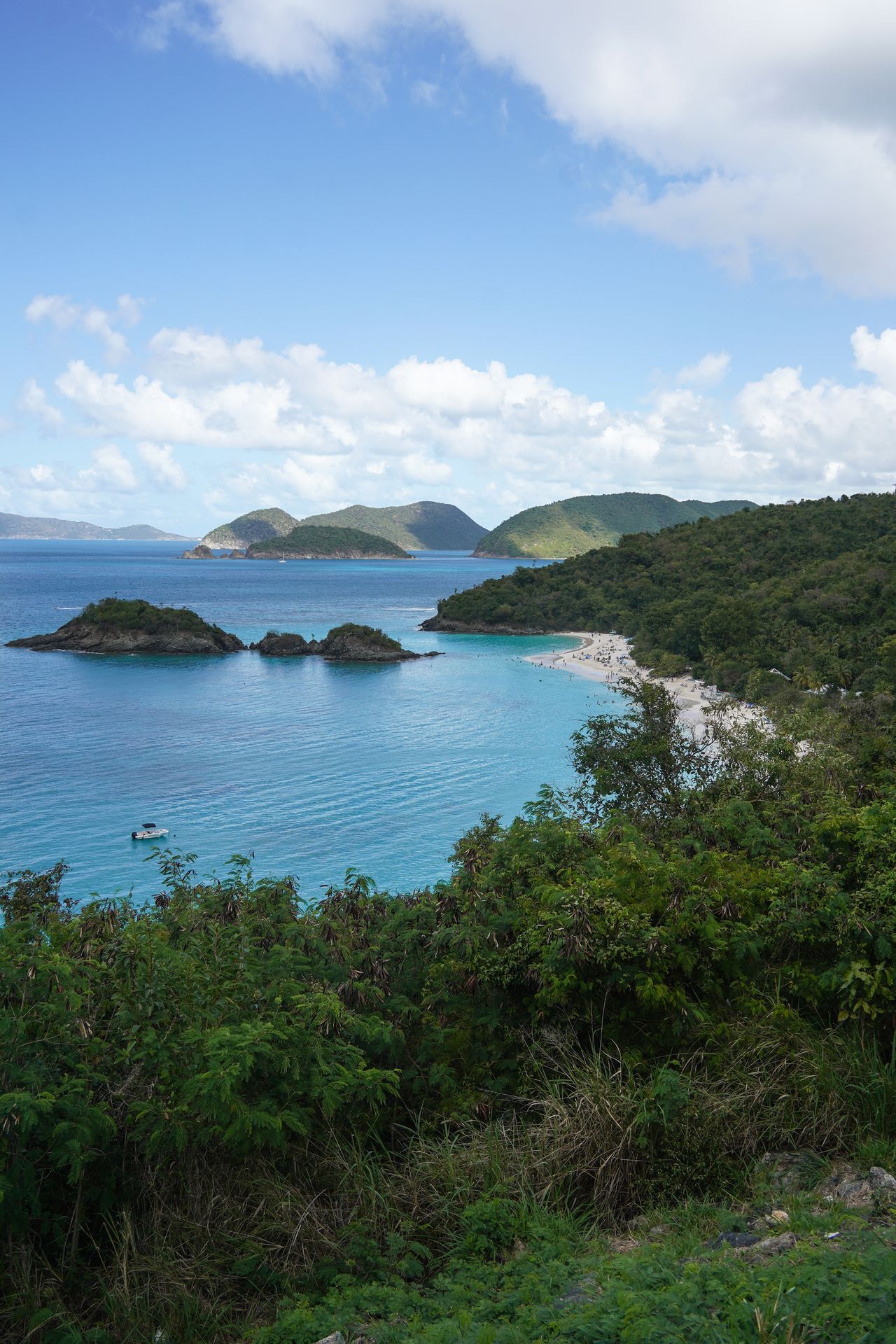
Here are some other things to consider for certain areas:
- If you’ll be snorkeling in a park like the Virgin Islands, make sure to pack reef-safe sunscreen. Good insect repellent is a must in the Virgin Islands as well.
- If you’re visiting the desert, learn what cryptobiotic soil looks like, so that you can take extra care not to bust the crust.
- If you’re planning to hike on snow and ice, bring microspikes.
- If you’re new to hiking, check out my day hike packing list so that you can be safe and prepared.
- If you’re visiting a park during shoulder season, dress in layers so that you’re prepared for all kinds of weather.
- Please make it a priority to leave no trace when you visit any national park. That includes packing out your trash, checking and following rules for campfires, staying on the trails, and never approaching or feeding wildlife. Do your part in keeping our parks beautiful for generations to come!
Pro Tip: If you’re visiting multiple national parks, you’ll probably want to purchase an America the Beautiful Pass to save money. This can be purchased ahead of time online, or you can purchase it at the first park of the trip.
9. Enjoy your trip!
After all of that planning, it’s time to enjoy your trip! Do your best to stay flexible (things might not always go to plan) and enjoy the moment. Wake up for sunrise, spend time admiring the beauty of nature, and challenge yourself on a hike.
Pro Tip: If you’re new to visiting national parks, snag a national park passport and add a stamp for each park you visit!
Final Thoughts
I hope this guide helps you plan a successful national park road trip! I’m passionate about national park travel, so feel free to email me with questions. Whether you’re trying to visit all 63 national parks, or just dipping your toes in with one park, I hope you find joy in visiting these incredible places.
For More US National Parks Travel Guides, check out these blogs:
- How to Avoid Crowds in National Parks
- A Guide to National Park Reservations
- How to Spend 2 Days in Zion National Park
- How to Spend 3 Days in Acadia National Park
- The Best National Parks to Visit in the Summer
- How to Spend 2 Days in Grand Teton National Park
- How to Spend 2 Days in Olympic National Park
- How to Spend 2 Days in Mesa Verde National Park
- An Itinerary for Sequoia and Kings Canyon National Parks
- How to Take a Day Trip to Katmai National Park
- A Guide to National Park of American Samoa
Thanks for Reading!


Let's stay in touch!
Join the Lost with Lydia email list to get monthly travel guides and tips!