If you’re considering a US national park road trip, this list is for you! In my opinion, there is not much better than hitting the open road for a trip that offers hiking, scenic beauty and some of the most beautiful landscapes that the United States has to offer. From the geothermal features of Yellowstone, to alpine lakes in Colorado, to the South Dakota badlands, there is so much variety across the country.
This list is based on my experience visiting all 63 US national parks. From that journey, I’ve come to really appreciate every single park. From the tallest trees in the world to the world’s first national park, we are lucky to have so many incredible and protected landscapes across the country. I’m passionate about exploring national parks, and will continue to update this list as I revisit many of the parks and other public lands.
In this guide, I share what I think are the 10 very best national park road trips to have on your USA bucket list. For each, I recommend the best time of year, how many days you should spend, and other tips. For many of the parks, I also share links to more detailed itineraries and guides elsewhere on my site. I hope this helps you plan a bucket list national park road trip.
Tips for National Park Road Trips
- I love listening to the Guide Along audio tours on any national park trip! The tour plays as you drive, and is a great way to learn about history, geology, and where to stop.
- If you’ll be visiting multiple national parks over the course a year, it makes sense to purchase the America the Beautiful pass. For US residents, it costs $80 per year.
- Many US national parks are in very remote areas. Make sure to fill up on gas when you can, download offline maps, and it’s a good idea to have food with you.
- For many of these road trip itineraries, you can save a lot of time if you fly in one airport, and out of another airport, with a one way car rental. One way car rentals can be more expensive, but not always. It’s worth a check if you’re short on time.
- If you want to stay inside of the national parks, in either a park lodge or a campground, make sure to book early. These reservations often book up super quickly.
- I recommended the number of days that I think would be good for each of these trips, but it could vary a lot depending on your travel style. For example, if you’ll be doing little to no hiking, you won’t need as much time. Use it as a suggestion, but plan what works best for you.
The 12 Best National Park Road Trips
1. Canyons, Hoodoos and Arches: The Utah Mighty Five
- The Parks: Arches, Canyonlands, Zion, Bryce Canyon, Capitol Reef
- Best Time of Year to Visit: Spring or fall
- Number of Days: 10 - 14
- Where to Fly in: Las Vegas, Salt Lake City, Cedar City, St George or Grand Junction
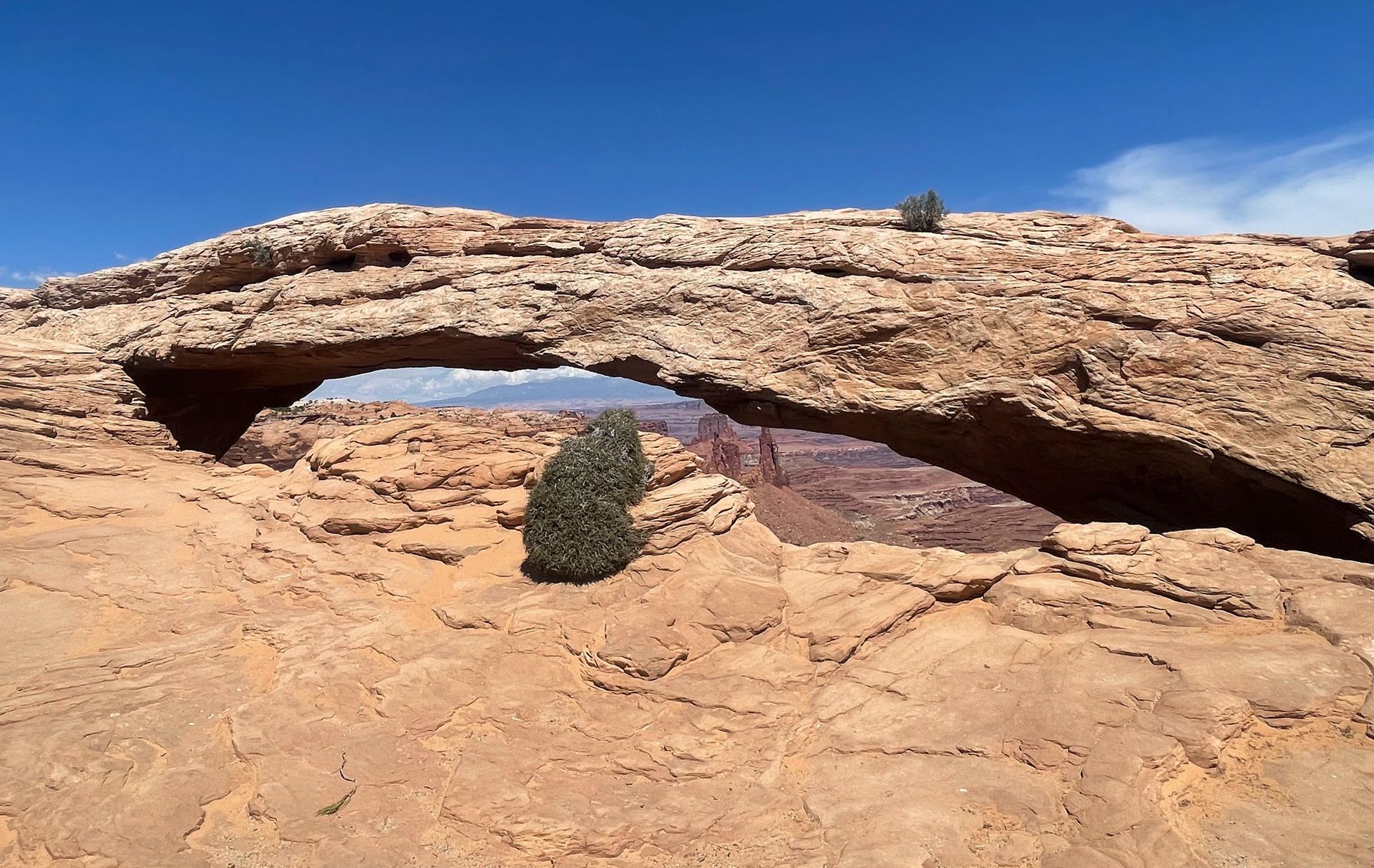
Deep sandstone canyons, rock arches, and towering hoodoos are just some of what you can expect to see on a road trip exploring Utah’s five national parks. All located a few hours apart, it’s easy to combine all of Utah’s national parks on one road trip. While some parks are more popular than others, I think that each one is worth a visit.
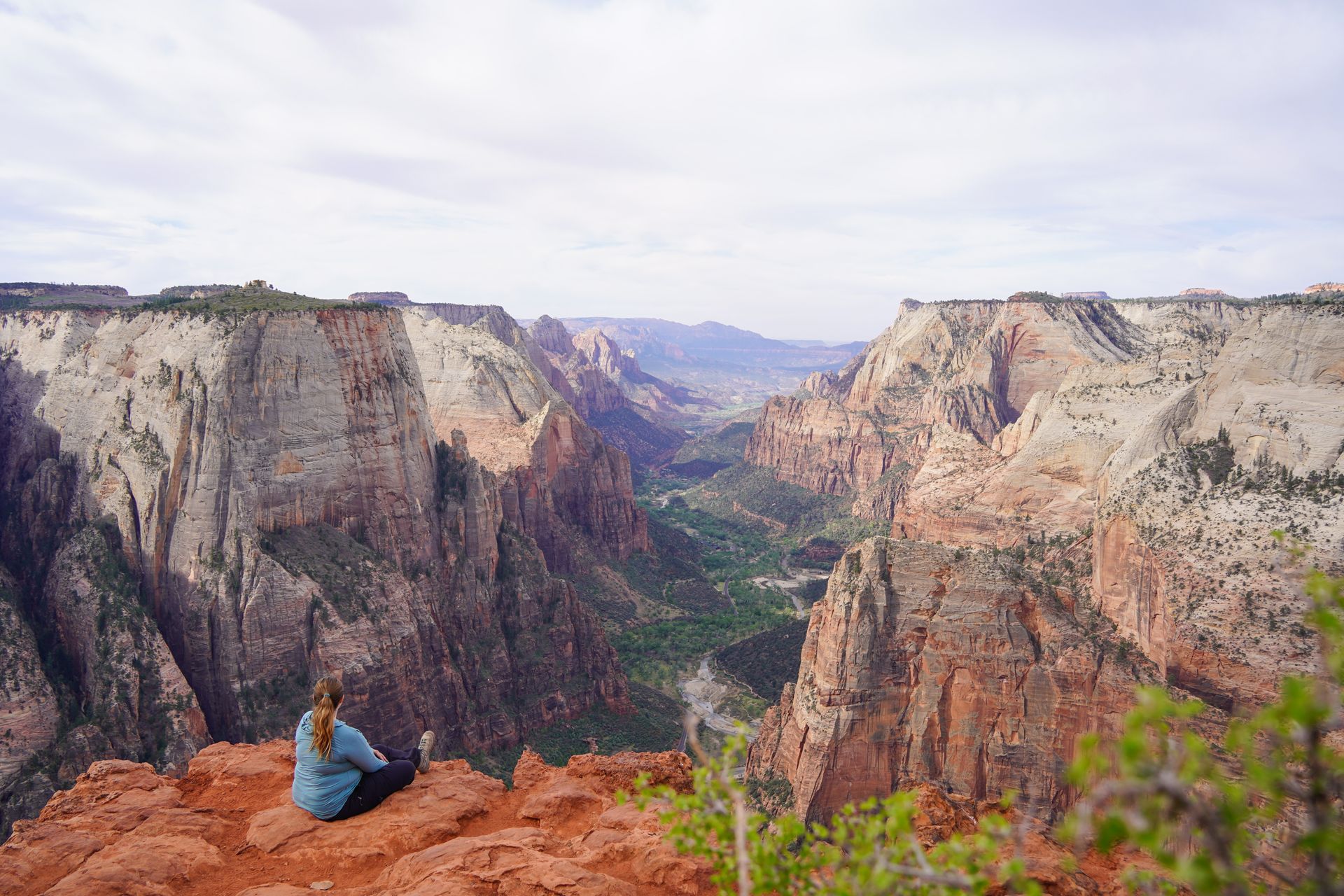
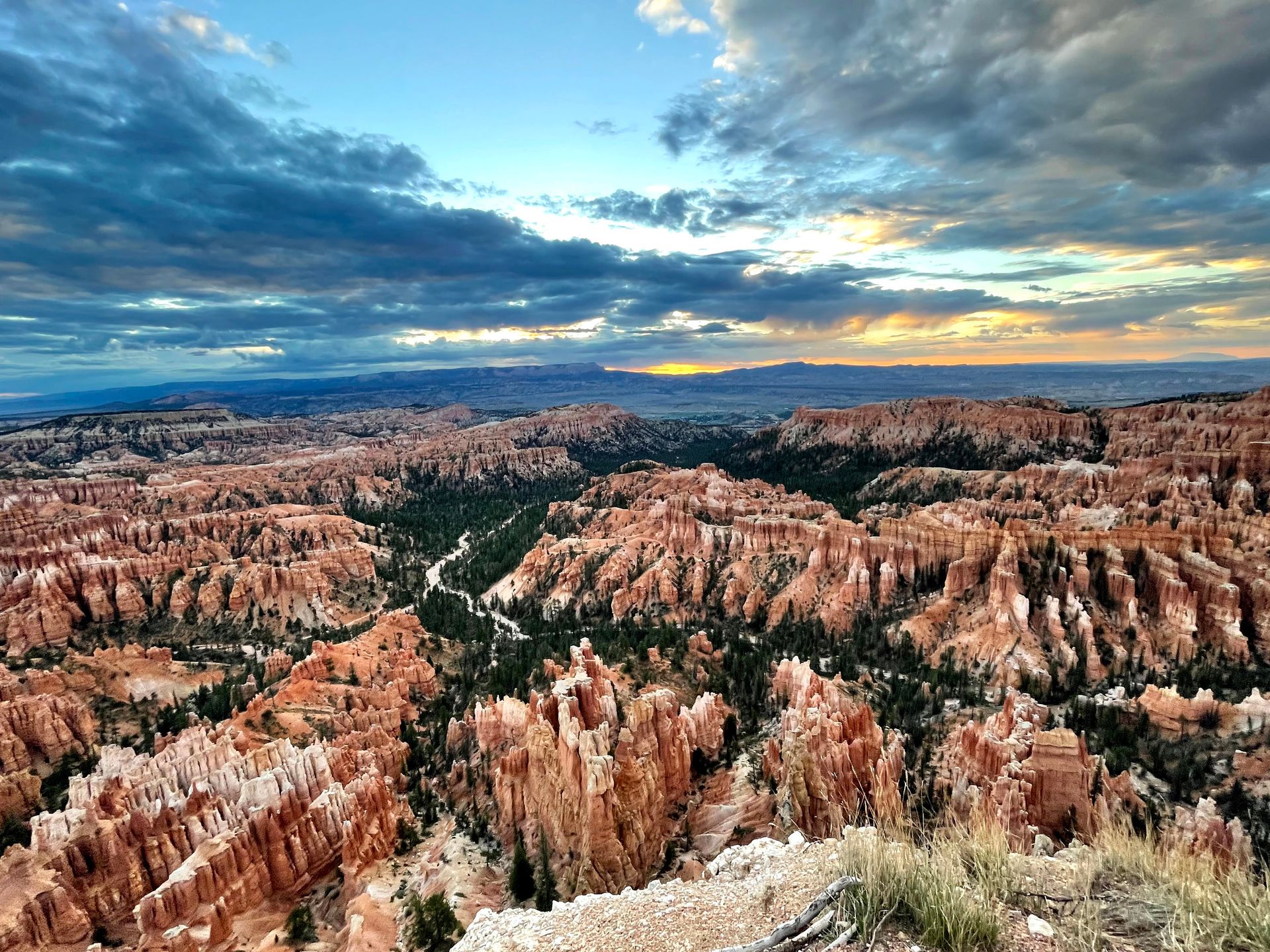
Zion is the most visited Utah park, and has some iconic trails like The Narrows and Angel’s Landing. If you like to hike, there are some incredible options throughout Zion Canyon. Bryce Canyon is not far from Zion, and is home to the largest concentration of hoodoos in the world.
Pro Tip: A lottery permit is required to hike Angel’s Landing.
Capitol Reef is defined by its waterpocket fold, a warp in the crust of the Earth. Arches is home to the highest concentration of stone arches in the world. Finally, Canyonlands is a remote canyon and the largest of these five parks.
While the parks are amazing, I also recommend visiting other public lands on a Utah road trip. There are some incredible state parks that are just as worthy as a stop. I personally recommend about 12 days to do this road trip. If you have less time (and you like to hike), I recommend sticking with 2 or 3 parks at once, and visiting the others on another trip. If you have more time, it’s also easy to combine the Utah parks with some of the Arizona national parks and famous sights, especially the Grand Canyon.
Read my full 12-day itinerary for the Utah Mighty Five
2. Turquoise Lakes and Towering Peaks: The PNW National Parks
- The Parks: Crater Lake, North Cascades, Mount Rainier, Olympic
- Best Time of Year to Visit: Summer (July - September)
- Number of Days: 10 - 14
- Where to Fly in: Seattle or Portland
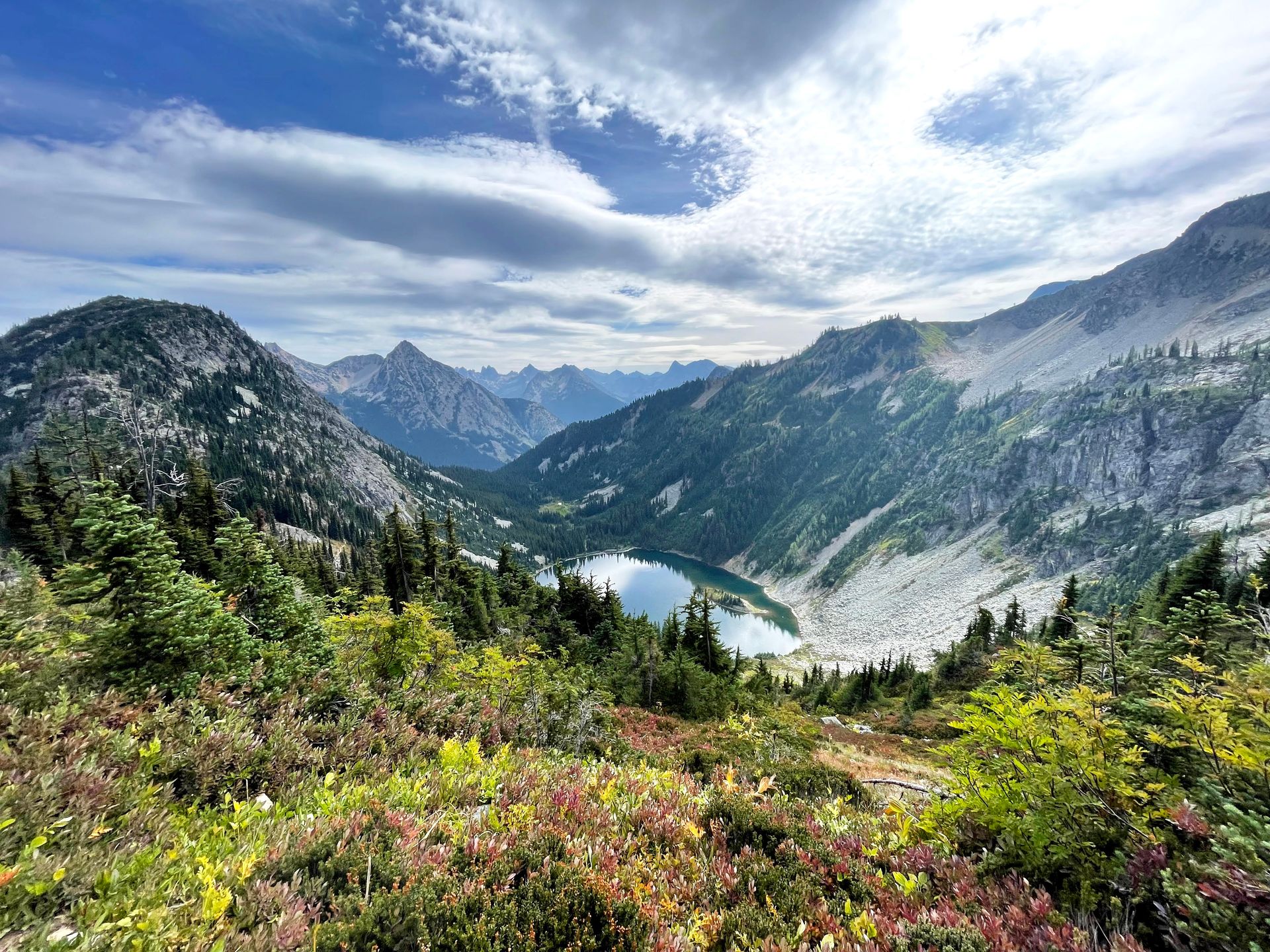
Washington and Oregon are known for their mountains, rocky coastlines, alpine lakes, and waterfalls. This is a gorgeous region of the US that offers so much beauty and recreation.
Washington is home to three national parks: North Cascades, Mount Rainier and Olympic. North Cascades is the least visited of these parks, but it’s my favorite. It has some incredible alpine lakes and mountain views, and is great for anyone wanting to do some intense hiking.
Mount Rainier is the closest park to Seattle, and has some epic trails and views for every ability. Olympic is a huge park that has some distinctly different areas. You can explore along the coast, hike in the mountains, see stunning waterfalls and explore a temperate rainforest.
Crater Lake is Oregon’s national park. It’s a pretty far drive from the Washington parks, so save it for its own trip if you don’t have the time. It’s home to the deepest lake in the United States and reaches a depth of almost 2,000 feet.
If you have more time to explore this region, there are so many places to visit beyond the national parks. To name a few, check out the Oregon Coast, Columbia River Gorge, and the cities of Portland and Seattle. You could also add Lassen Volcanic and Redwood (national parks in Northern California) to this trip if you have the time.
Read my guides to North Cascades and Olympic
3. Bison, Bubbling Mud and Beautiful Peaks: The Wonders of Wyoming
- The Parks: Yellowstone and Grand Teton
- Best Time of Year to Visit: Summer or shoulder season (May - September)
- Number of Days: 5+
- Where to Fly in: Bozeman or Jackson
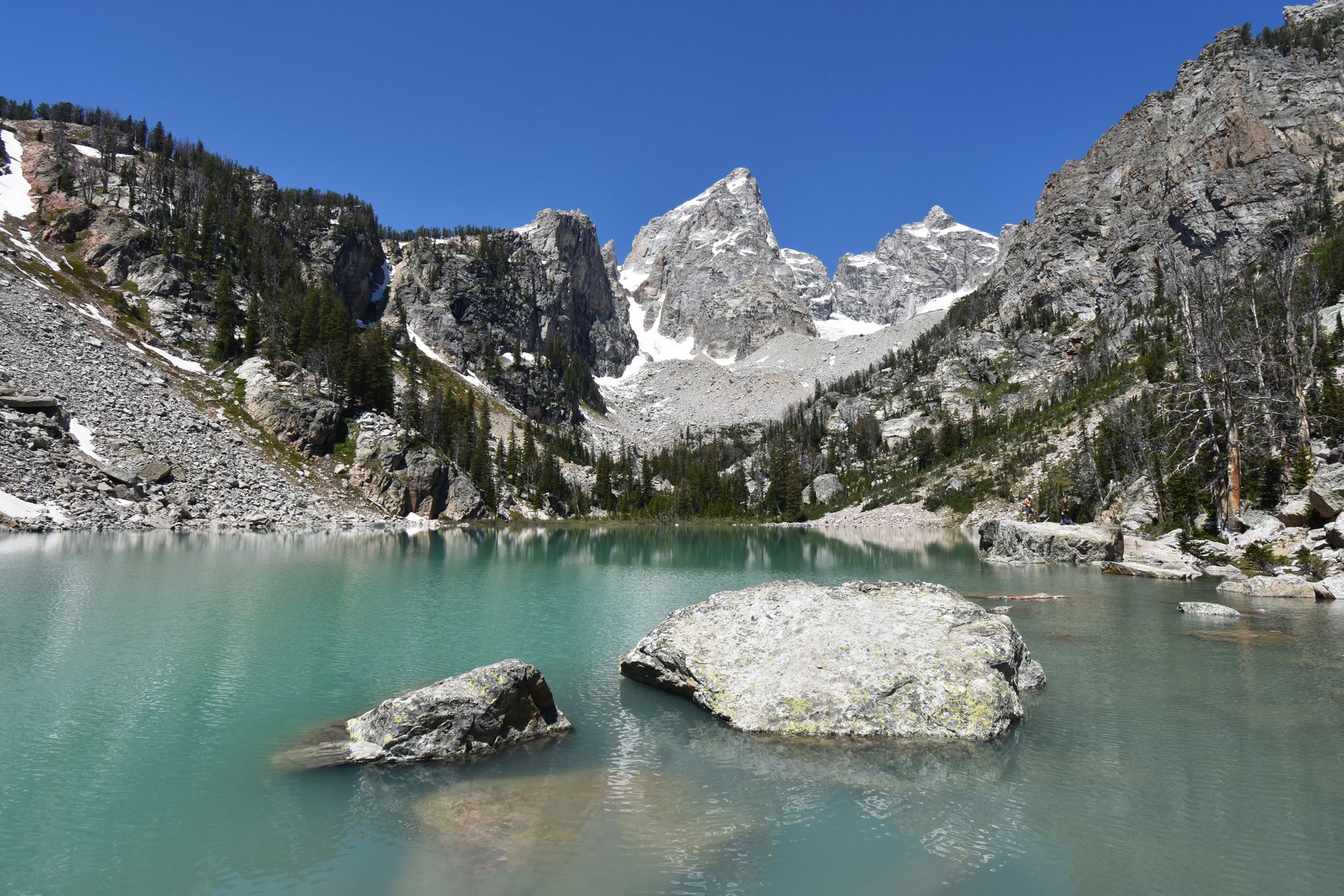
Yellowstone and Grand Teton are two of the most visited US national parks for good reason. Yellowstone was the first national park in the world, and has so many wild geothermal features and landscapes. You can see geysers, bubbling mud pots, colorful hot springs, enormous waterfalls, and more. It is also quite common to see wildlife, especially herds of bison.
Grand Teton is only about an hour south of Yellowstone, so it’s easy to combine them on the same trip. This park is known for its stunning mountain range, along with rivers, lakes, wildlife and more. It’s an amazing park for hikers.
I recommend spending at least three days in Yellowstone and two days in Grand Teton, but you could spend much longer if you want to do more hiking. These parks are very worthy of anyone’s USA bucket list.
If you have more time, you could also add on Glacier National Park in Montana. It's a few hours north of Yellowstone, and my favorite US national park!
Read my guides to Yellowstone and Grand Teton
4. Salt Flats, Sand Dunes and Slabs: The Desert Parks of Southern California
- The Parks: Death Valley and Joshua Tree
- Best Time of Year to Visit: Winter
- Number of Days: 5+
- Where to Fly in: Las Vegas or Los Angeles
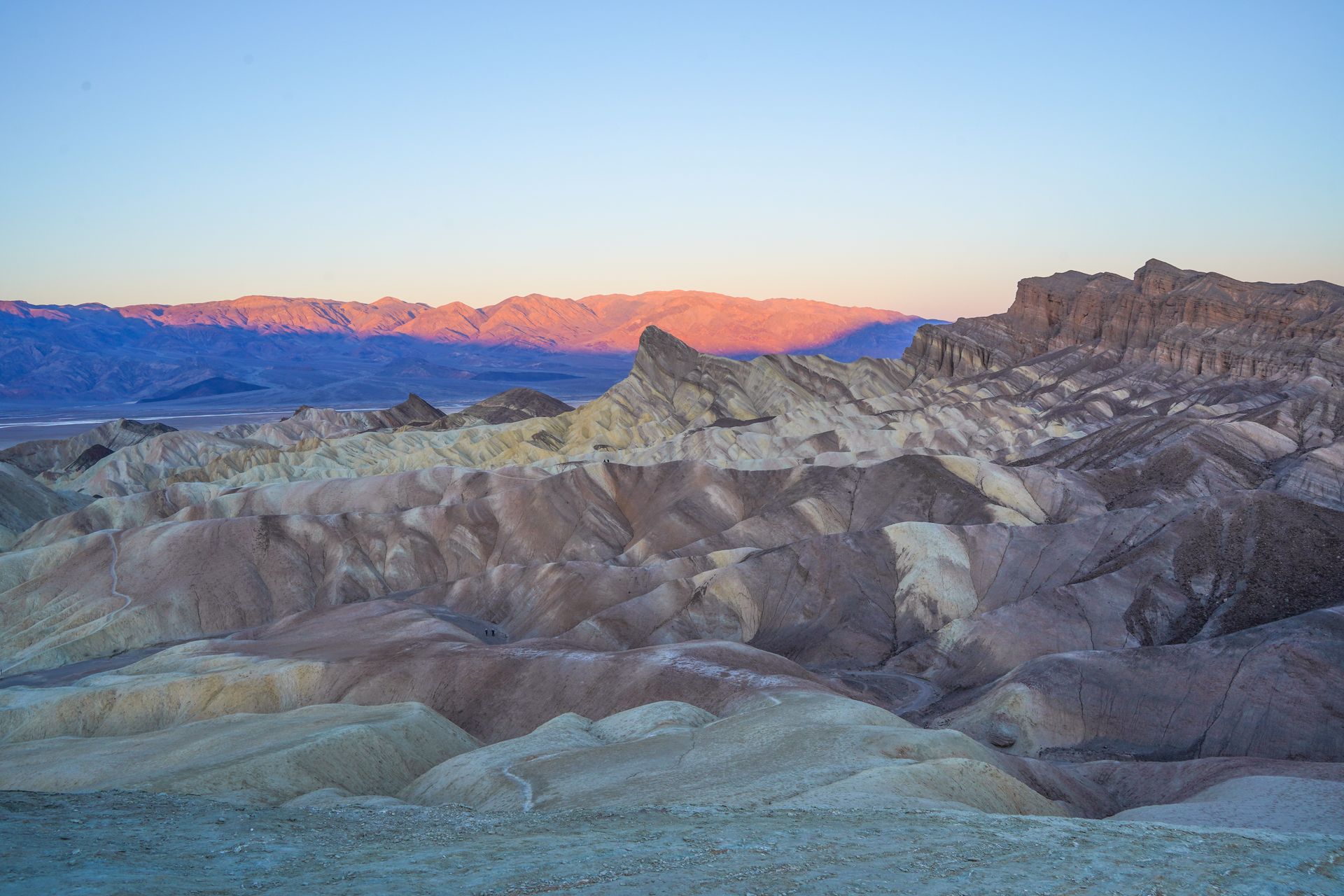
There are two desert national parks in Southern California that make for an amazing winter trip: Joshua Tree and Death Valley. Death Valley is home to some really interesting geology, including the lowest place in the country, sand dunes, colorful hills, and salt flats.
Joshua Tree is famous for the joshua trees, but also has two different types of deserts, stunning cacti, neat rock formations and even some oases. The two parks are about four hours apart.
I recommend spending at least 2 days in each park. If you have time, it’s also worth exploring Palm Springs (located outside of Joshua Tree) and the surrounding area. Alternatively, Zion or the Channel Islands can be good add-ons to this trip. Zion is closer to Las Vegas and Death Valley, while the Channel Islands are a bit closer to Joshua Tree and LA.
Sequoia and Kings Canyon are also not far, but I recommend saving them for a different time of year. Death Valley should especially be avoided during the warmer months, as it has the highest recorded temperatures in the world, and can be dangerous to visit during the summer. Joshua Tree is also uncomfortably hot in the summer. Kings Canyon and Sequoia are located at high altitudes, so you likely won’t be able to fully access them during the winter months.
Read my guides to Death Valley and Joshua Tree
5. Caves, Mountains and Sands: Texas and New Mexico
- The Parks: White Sands, Guadalupe Mountains, Carlsbad Caverns, Big Bend
- Best Time of Year to Visit: Spring, Winter or Fall
- Number of Days: 8 - 12
- Where to Fly in: El Paso
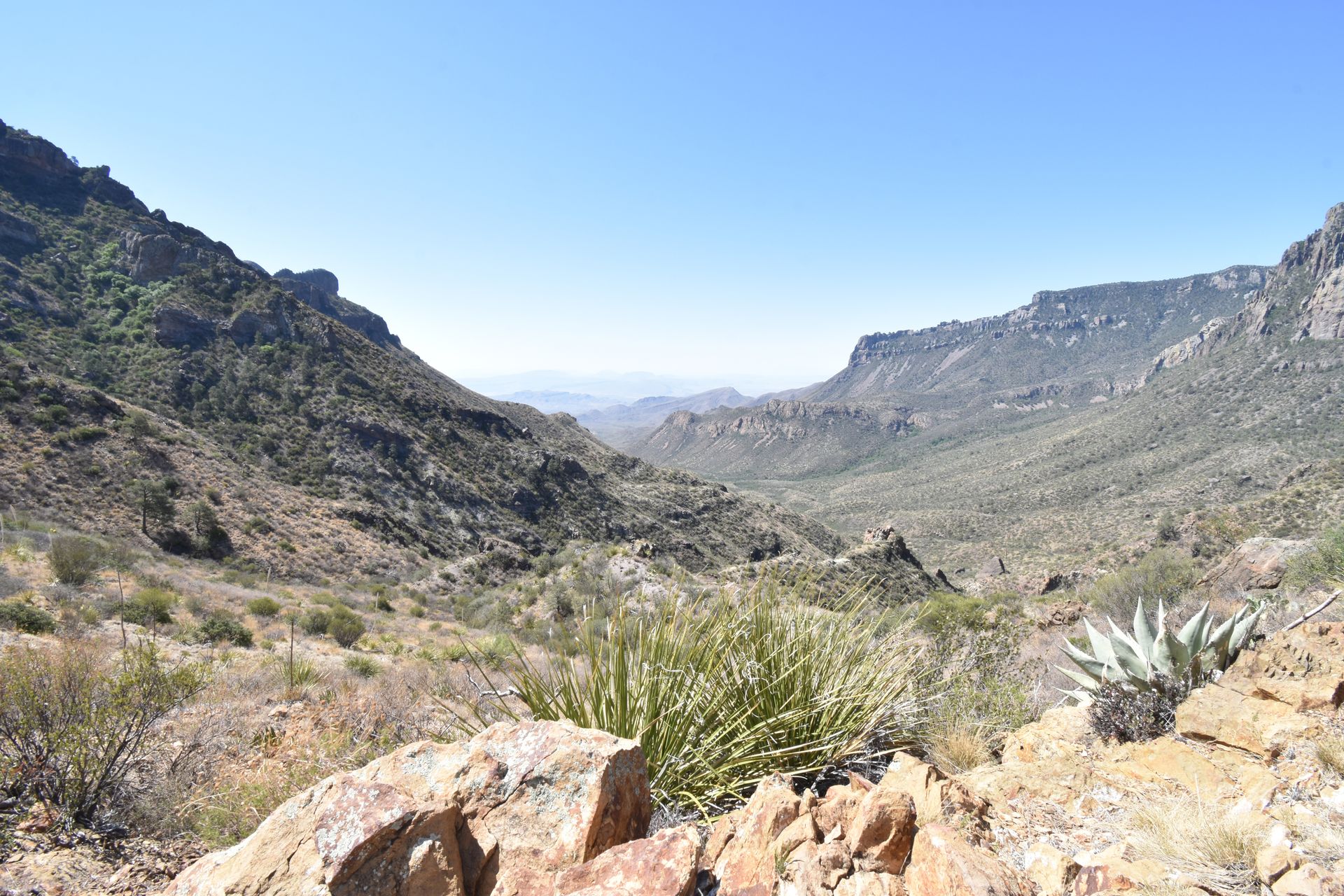
You may be surprised with the beauty you can find in remote West Texas and Southern New Mexico. New Mexico has two national parks and they aren’t far apart: White Sands and Carlsbad Caverns. Carlsbad protects an incredible cave system (make sure to reserve your cave entrance in advance), and White Sands is a stunning park home to the world’s largest gypsum dunefield.
Just across the state border, Guadalupe Mountains is quite close to Carlsbad Caverns. This is a great national park for hiking, and you can hike to the tallest peak in Texas.
Big Bend is further away, but worth the trip. It’s located almost 5 hours from Guadalupe Mountains. Big Bend is home to incredible hiking, and you can float on the Rio Grande, cross the border to visit a small town in Mexico, soak in hot springs, and more. It’s worth spending a few days in this remarkable park.
Read my itinerary for the Texas and New Mexico National Parks
6. Glaciers and Grizzlies: The Drivable Parks of Alaska
- The Parks: Kenai Fjords, Denali, Wrangell-St. Elias
- Best Time of Year to Visit: Summer (June - August)
- Number of Days: 7 - 12
- Where to Fly in: Anchorage
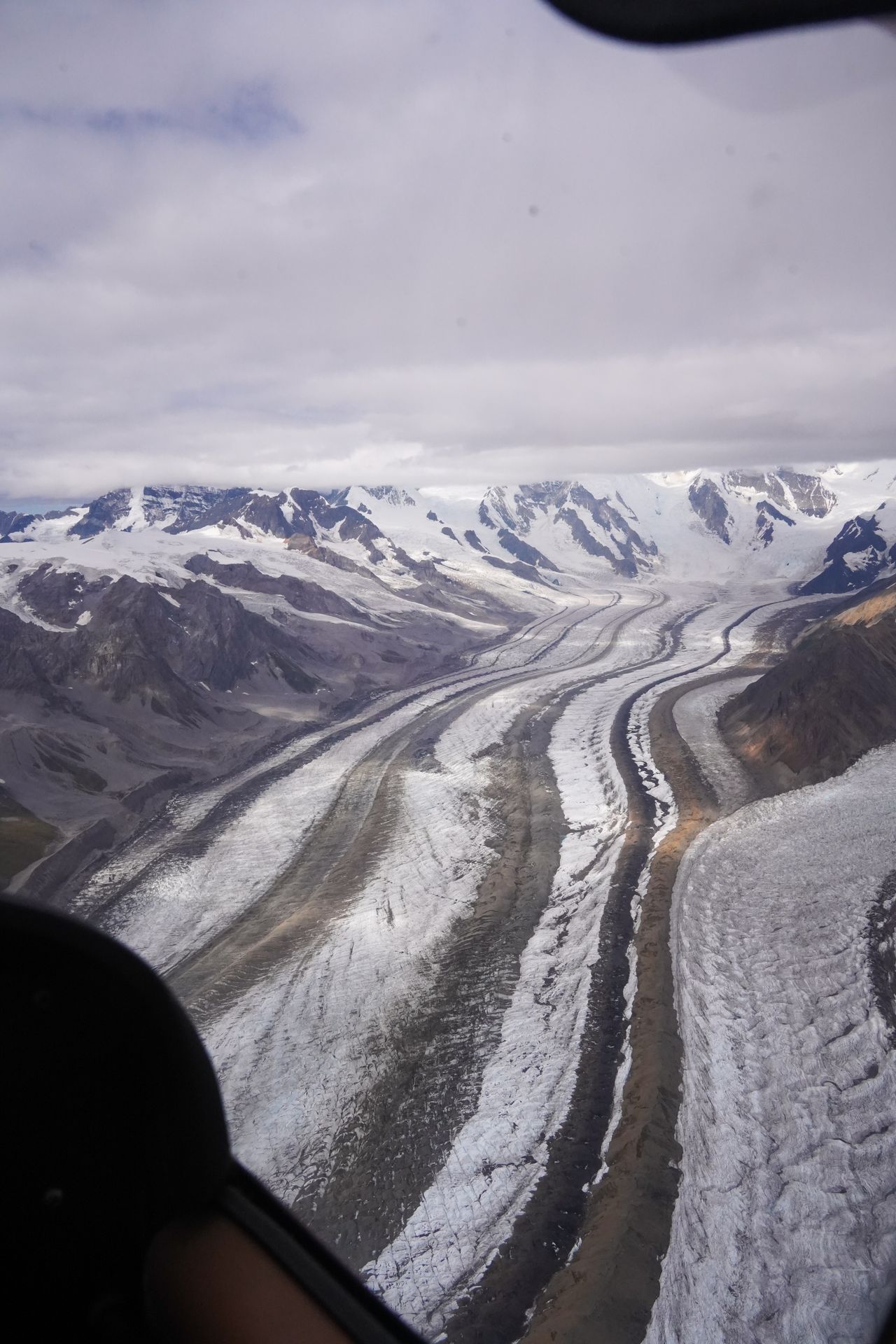
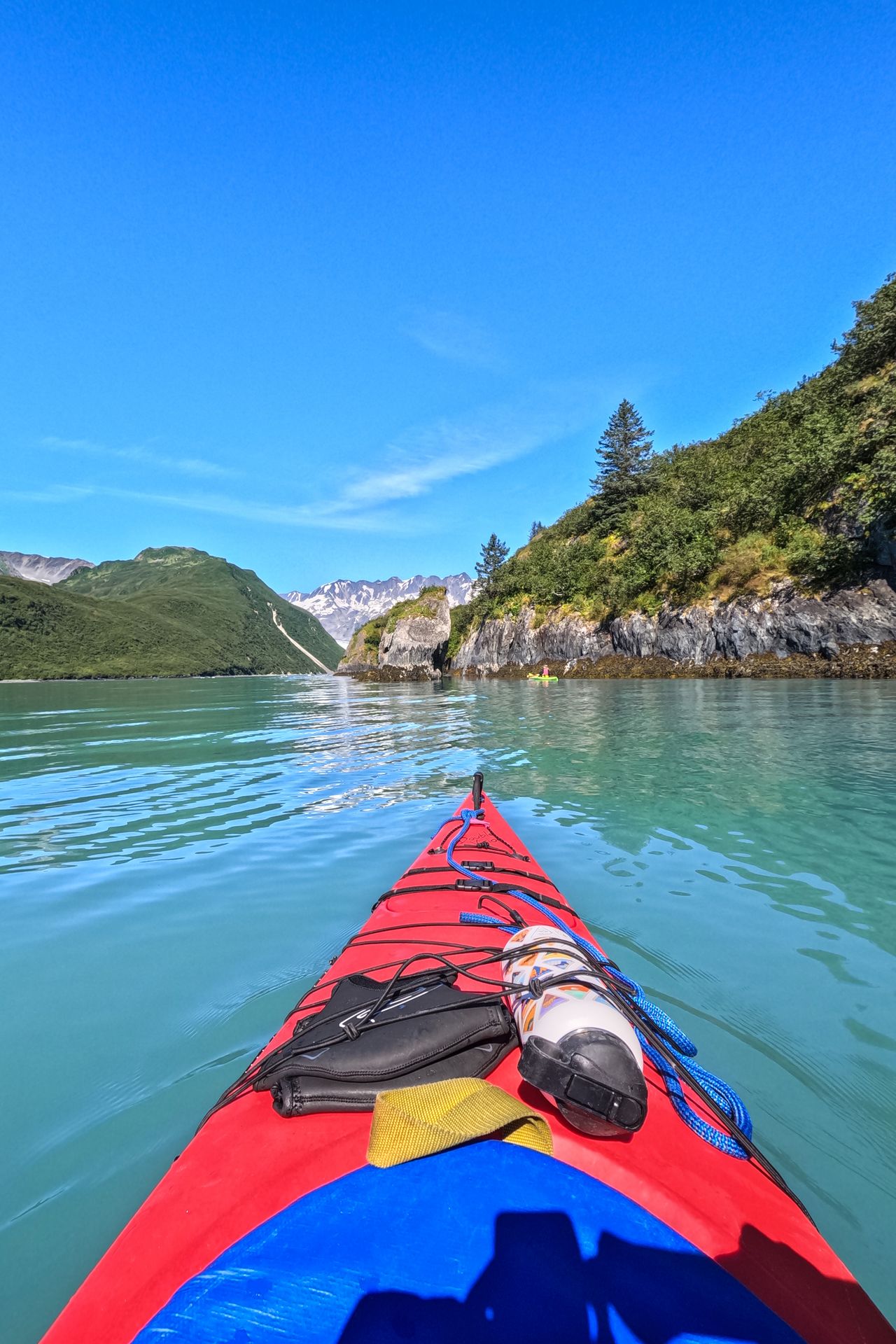
Alaska is one of my favorite places on earth, and is home to incredible beauty and wildlife. Many of the Alaska national parks require some extra planning, as you’ll need to take an expensive small plane to reach them. I recommend dividing the Alaska parks into multiple trips, and one epic trip is to visit the three national parks that you can reach by car. These are Denali, Kenai Fjords and Wrangell-St. Elias.
Kenai Fjords is the closest park to Anchorage, just a 2 and a half hour drive. The drive on the Seward Highway is also quite scenic. In Kenai Fjords, spend one day doing a boat tour, and another day hiking up to Harding Icefield if you’re up for a long trek.
Denali is located about 4 hours North of Anchorage. It’s an amazing park to spot wildlife, and has many opportunities for backcountry exploration. Only a small portion of this massive park can be reached via your own car.
Wrangell-St. Elias is about 6-7 hours from Anchorage. The last 60 miles of the road to reach the park are unpaved on the infamous McCarthy Road. While it was previously known for many potholes, it is usually in decent shape in recent years. But you’ll still want to be prepared for a remote drive. I recommend spending a few days based in Wrangell-St. Elias (stay in the town of McCarthy), and partaking in adventures like rafting, flightseeing, glacier hiking, and a historic mill tour.
If you have extra time, you can also visit a couple of the harder-to-reach Alaska national parks. Katmai and Lake Clark are accessible as day trips via small planes from Anchorage. You can also spend the night at these parks, but it can be quite expensive or difficult to snag a reservation.
Along with the national parks, there is so much to do in Alaska. A few good additions to this road trip include Matanuska Glacier, Eklutna Lake, Talkeetna, and Hatcher Pass.
7. Mountains, Dunes, and Cliff Dwellings: The Colorado National Parks
- The Parks: Rocky Mountain, Mesa Verde, Black Canyon of the Gunnison, Great Sand Dunes
- Best Time of Year to Visit: Summer or shoulder season (May - September)
- Number of Days: 8 - 12
- Where to Fly in: Denver
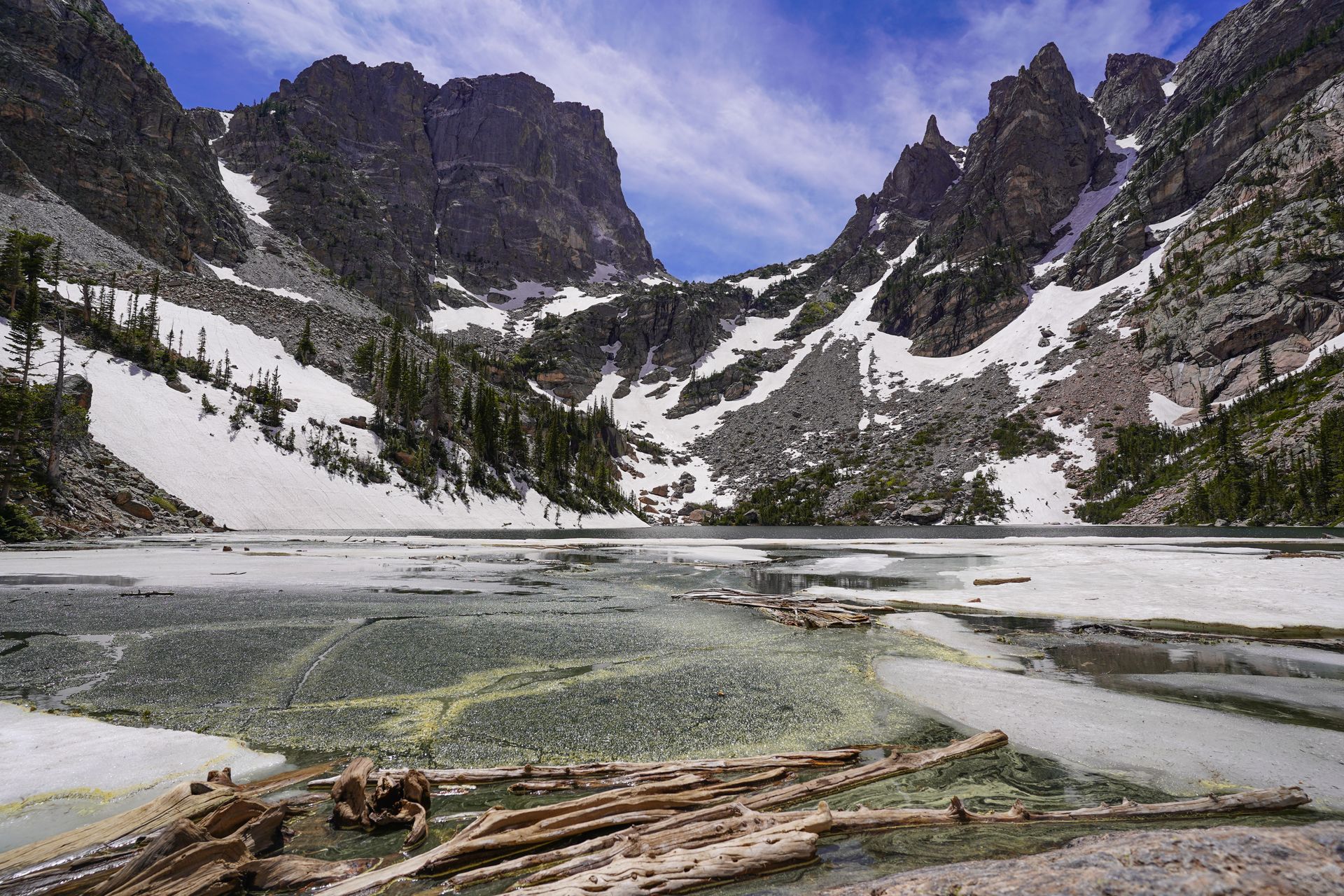
When you think of Colorado, you probably think of the Rocky Mountains. Rocky Mountains National Park is iconic for good reason, and has some incredible alpine lakes, mountainous trails and scenic drives. However, the other three Colorado national parks are also pretty unique.
Great Sand Dunes is home to the tallest sand dunes in North America, and is a great place for hiking, camping or sand boarding. Mesa Verde is one of the best national parks for history, and is home to many well-preserved and large cliff dwellings. Be sure to book a ranger-led tour in advance if you want to see inside.
Black Canyon of the Gunnison is home to a steep and narrow gorge that receives very little sunlight.
It takes a lot of driving to visit all four parks on one trip, but it’s doable if you have the time. Keep in mind that it involves some mountainous driving, so you’ll need to stay alert. There are endless options for stops in mountain towns, state parks, and national forests along the way.
Read my guides to Rocky Mountain and Mesa Verde
8. The Badlands and Black Hills of South Dakota
- The Parks: Wind Cave, Badlands
- Best Time of Year to Visit: Summer or shoulder season (May - September)
- Number of Days: 3 - 6
- Where to Fly in: Rapid City
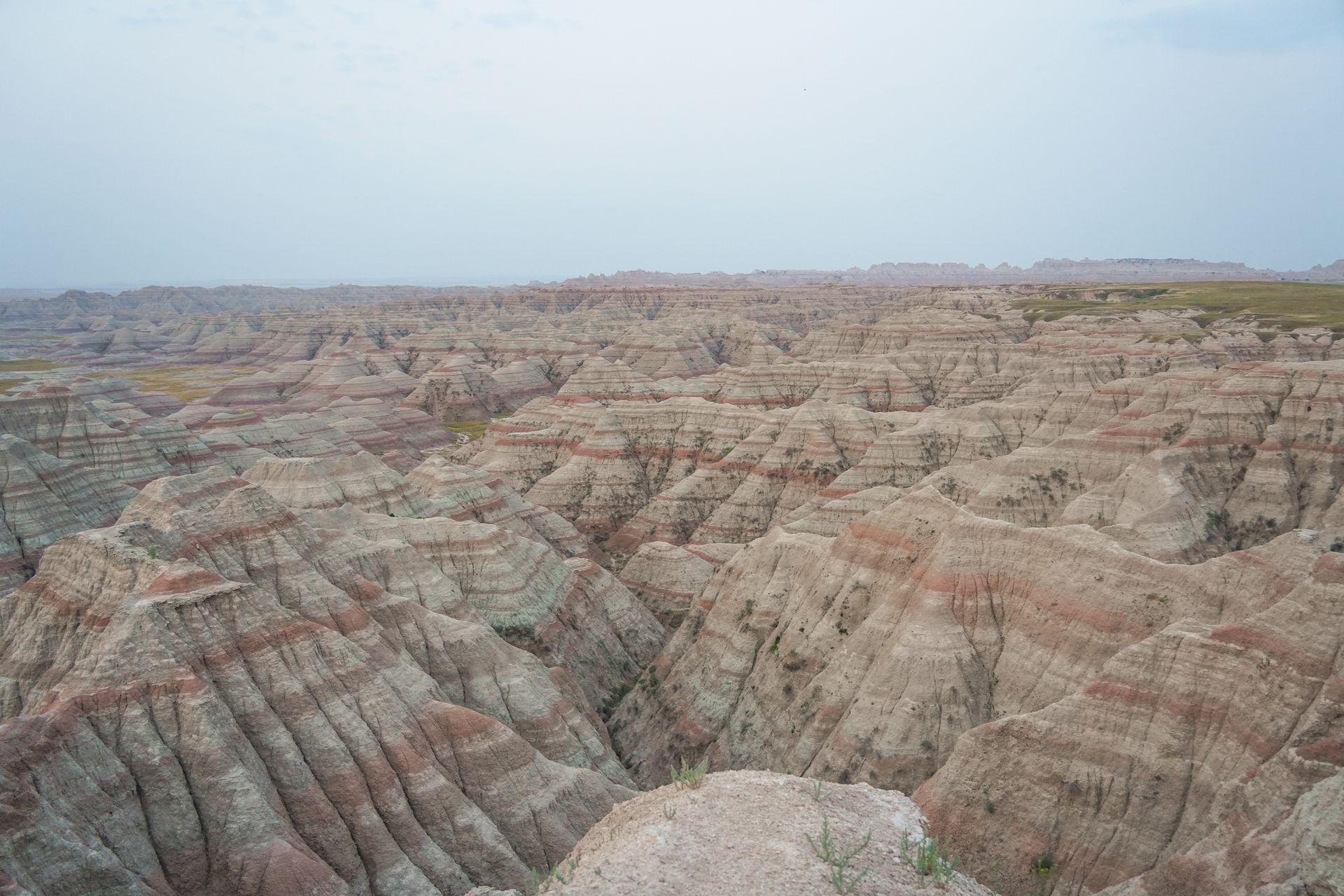
In my opinion, South Dakota is one of the most underrated US states for outdoor adventure. Badlands National Park is full of colorful overlooks, and is one of the world’s richest fossil beds. It’s an amazing place for short hikes and spotting wildlife, such as bison and prairie dogs.
Located just a couple hours from Badlands, you’ll find Wind Cave. This is an underrated park with an impressive cave system, and lots of wildlife and hiking above ground. Wind Cave is in the Black Hills region, and I highly recommend also visiting more of the Black Hills during your trip.
Spend a couple days hiking and taking the scenic drives in Custer State Park, take a tour of Jewel Cave, drive through Spearfish Canyon, and visit famous sites like Mount Rushmore and Crazy Horse. You’re also not far from Devil’s Tower National Monument, located in Wyoming. If you have extra time, you could also add Theodore Roosevelt National Park in North Dakota to this trip.
Pro Tip: Book your cave tours in advance.
Read my itinerary for the Black Hills and Badlands
9. Canyons and Colossal Trees: California’s High Sierra
- The Parks: Yosemite, Kings Canyon, Sequoia
- Best Time of Year to Visit: Summer or shoulder season (May - October)
- Number of Days: 7 - 10
- Where to Fly in: Fresno
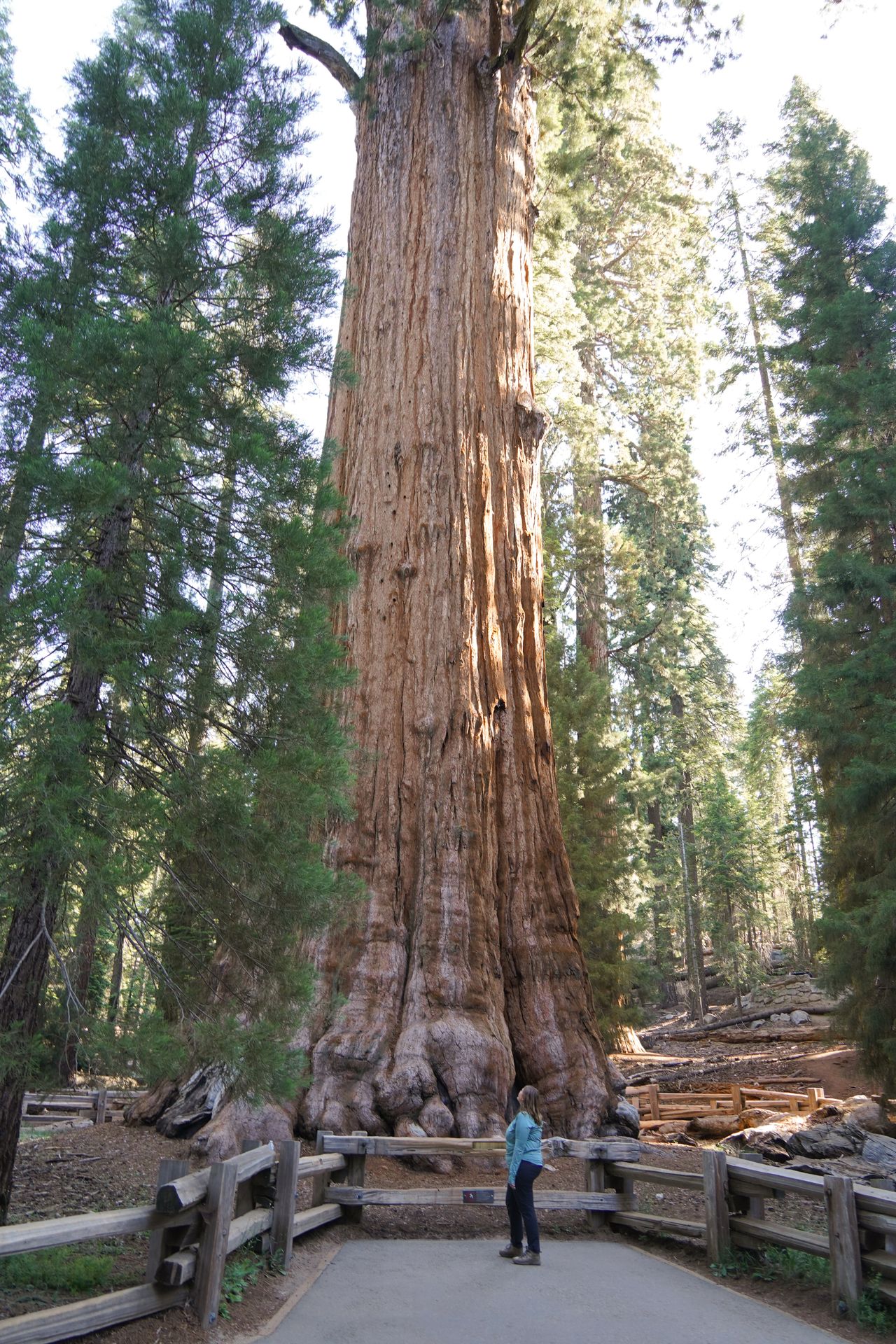
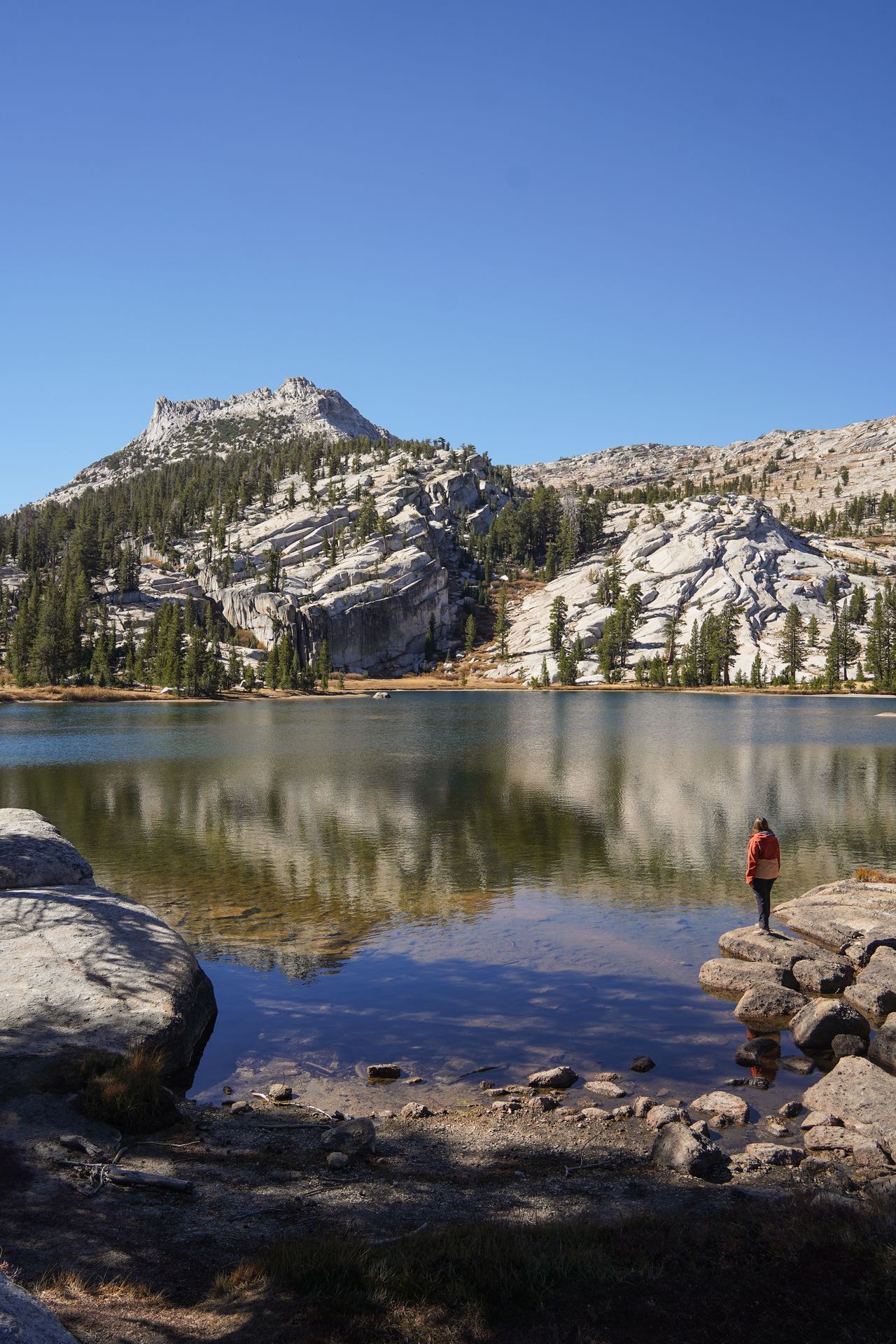
Explore some of the most stunning and iconic national parks in the country: Yosemite, Sequoia and Kings Canyon. Sequoia is known for the largest single tree in the world, while Kings Canyon has a deep glacial canyon.
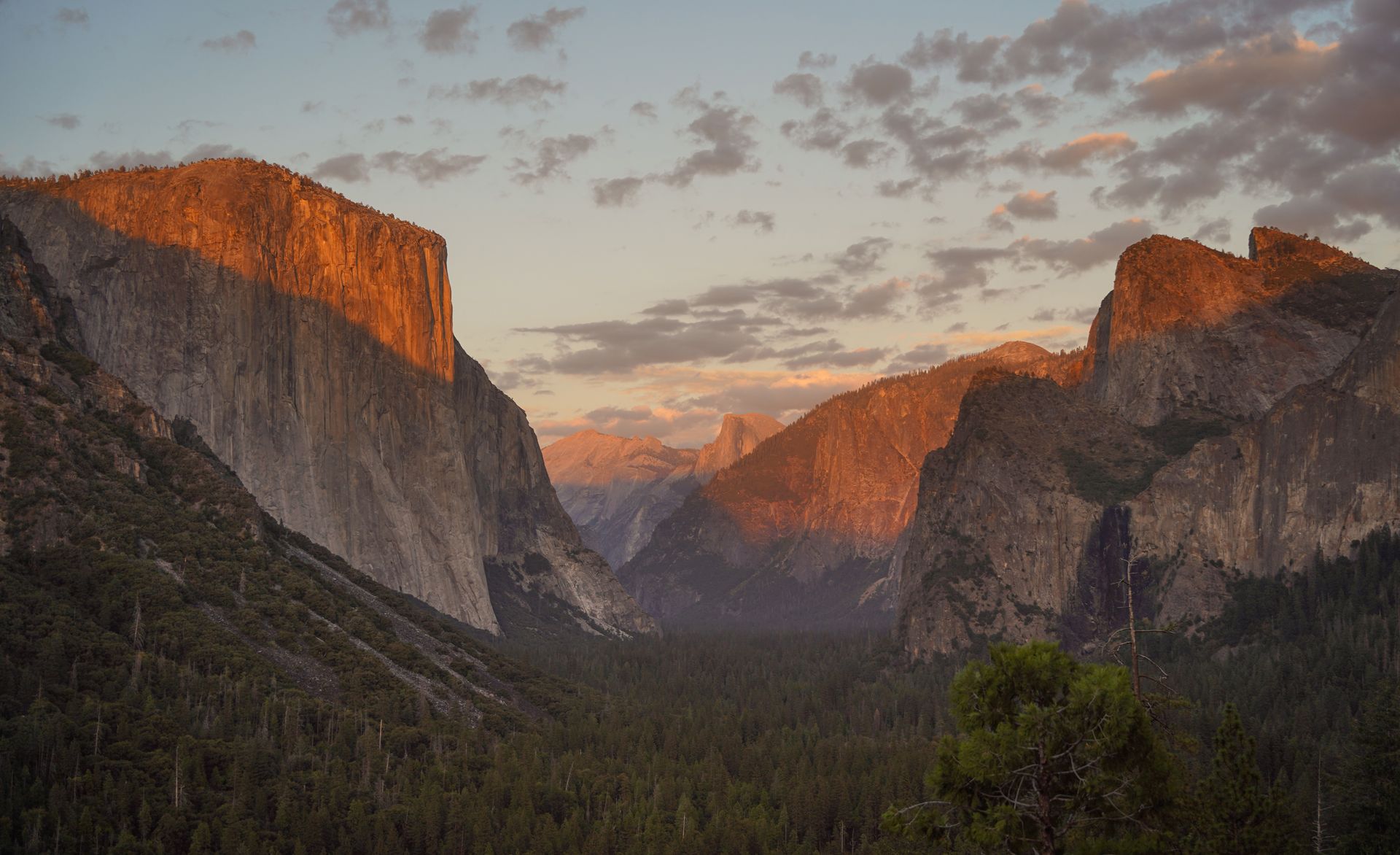
Yosemite is considered to be the birthplace of the national parks. The park is quite famous for its massive valley, but is also home to a sequoia grove, high alpine mountains and lakes, a beautiful reservoir, and more.
Sequoia and Kings Canyon are co-managed and right next to each other, so it’s very easy to visit them both on one trip. The Yosemite Valley is about 3 and a half hours from Sequoia and Kings Canyon.
If you’re into hiking, you should spend many days exploring all of these parks. There are endless opportunities for stunning day hikes, plus many options for epic backpacking adventures.
Keep in mind that these parks are very busy, so you’ll encounter crowds during the summer. The shoulder season can be a great time to enjoy more peace and quiet, but keep in mind that snow can close certain roads for much of the year.
Read my itinerary for Sequoia and Kings Canyon
10. Great Blue Oceans and Gators: The Florida National Parks
- The Parks: Dry Tortugas, Everglades, Biscayne
- Best Time of Year to Visit: December - April
- Number of Days: 5 - 7
- Where to Fly in: Miami or Fort Lauderdale

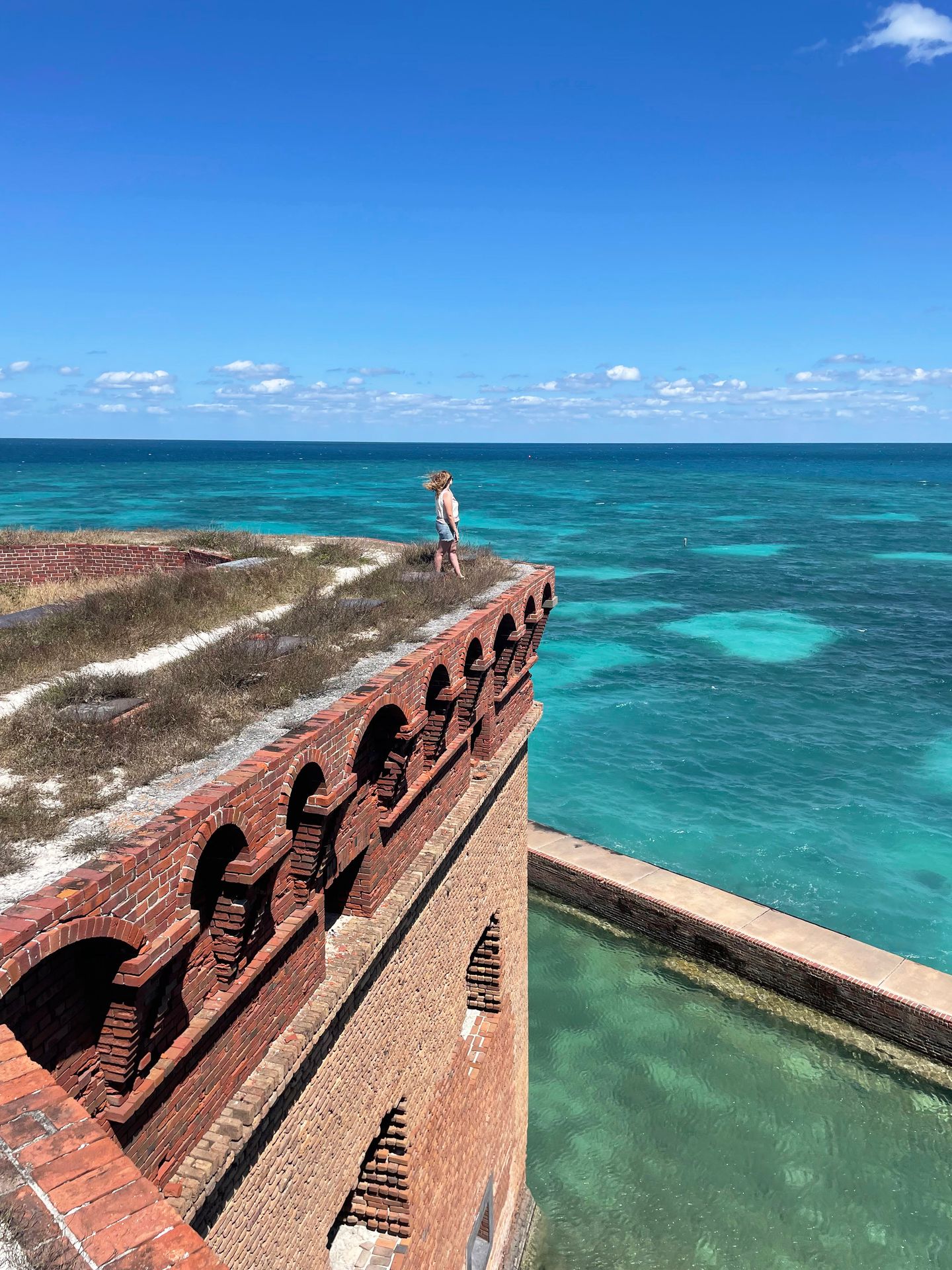
There are three Florida national parks, and they’re all pretty close together, so they’re great to combine on the same trip. I think that Everglades is an underrated park. It’s full of so much wildlife, and a great place to hike, bike or kayak. I also recommend visiting Big Cypress National Preserve, which is next door.
Biscayne National Park is a water-based park. You should book a tour to explore it on water, and I enjoyed a tour that included both snorkeling and paddle boarding. The park protects part of the third-largest living coral reef system in the world.
Dry Tortugas requires a bit more planning. It’s located on a remote island, and you’ll need to book a ferry or sea plane to reach the park. Both forms of transportation, especially the ferry (which is more affordable), usually need to be booked at least a couple months in advance. You’ll leave from Key West for this adventure.
Most visitors take a day trip to Dry Tortugas (or a half day if you take a seaplane), but camping on the island is also an option that needs to be reserved way ahead of time.
On this Florida trip, I also recommend including at least a couple days to explore the Florida Keys. There is a lot to do on Key West alone, and the other islands also have a lot to see. Just a few options include visiting the Hemingway House, watching the sunset at Bahia Honda State Park, and snorkeling at John Pennekamp Coral Reef State Park.
Read my guides to the Everglades, Biscayne and Dry Tortugas
11. Mountains, Foliage, Waterfalls and Mining: The Southeast National Parks
- The Parks: Great Smoky Mountains, Shenandoah, New River Gorge
- Best Time of Year to Visit: April - November
- Number of Days: 8 - 12
- Where to Fly in: Washington D.C., Knoxville, Greensboro, Roanoke
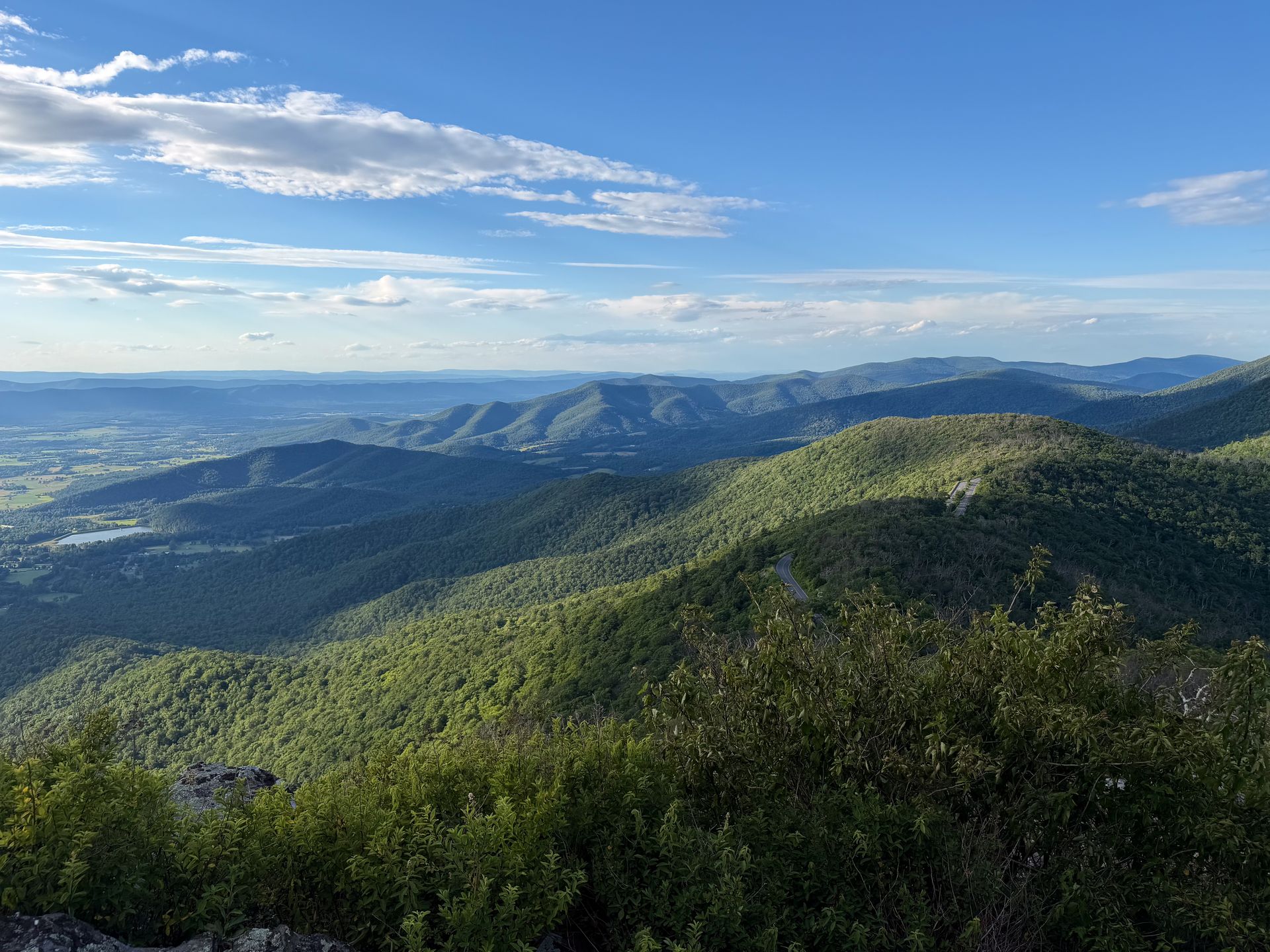
The Southeast National Parks have great hiking opportunities, and are especially beautiful in the fall. Great Smoky Mountains is the most visited US national park, and has endless hiking trails. There are waterfalls, mountainous trails, scenic drives, and small towns to explore.
Shenandoah is not far from Washington D.C., and is known for its incredible Skyline Drive. There are several great hikes, including many trails to rocky vistas and waterfalls. New River Gorge is the most unique of these parks (in my opinion), and offers mining ruins, ghost towns, white water rafting and an iconic bridge where you can get harnessed up and walk on a catwalk 100’s of feet in the air.
I recommend spending at least two or three days in each of these parks. Shenandoah and New River Gorge are a bit closer together, while the Great Smoky Mountains add more driving time. So if you’re short on time, I would make the Great Smoky Mountains its own trip. If you’re feeling ambitious, you could also add Congaree National Park in South Carolina to this trip.
Read my guide to New River Gorge
12. Canyons, Cacti, and Colorful Wood: The Arizona National Parks
- The Parks: Grand Canyon, Saguaro, Petrified Forest
- Best Time of Year to Visit: November - April
- Number of Days: 6+
- Where to Fly in: Phoenix or Tuscon
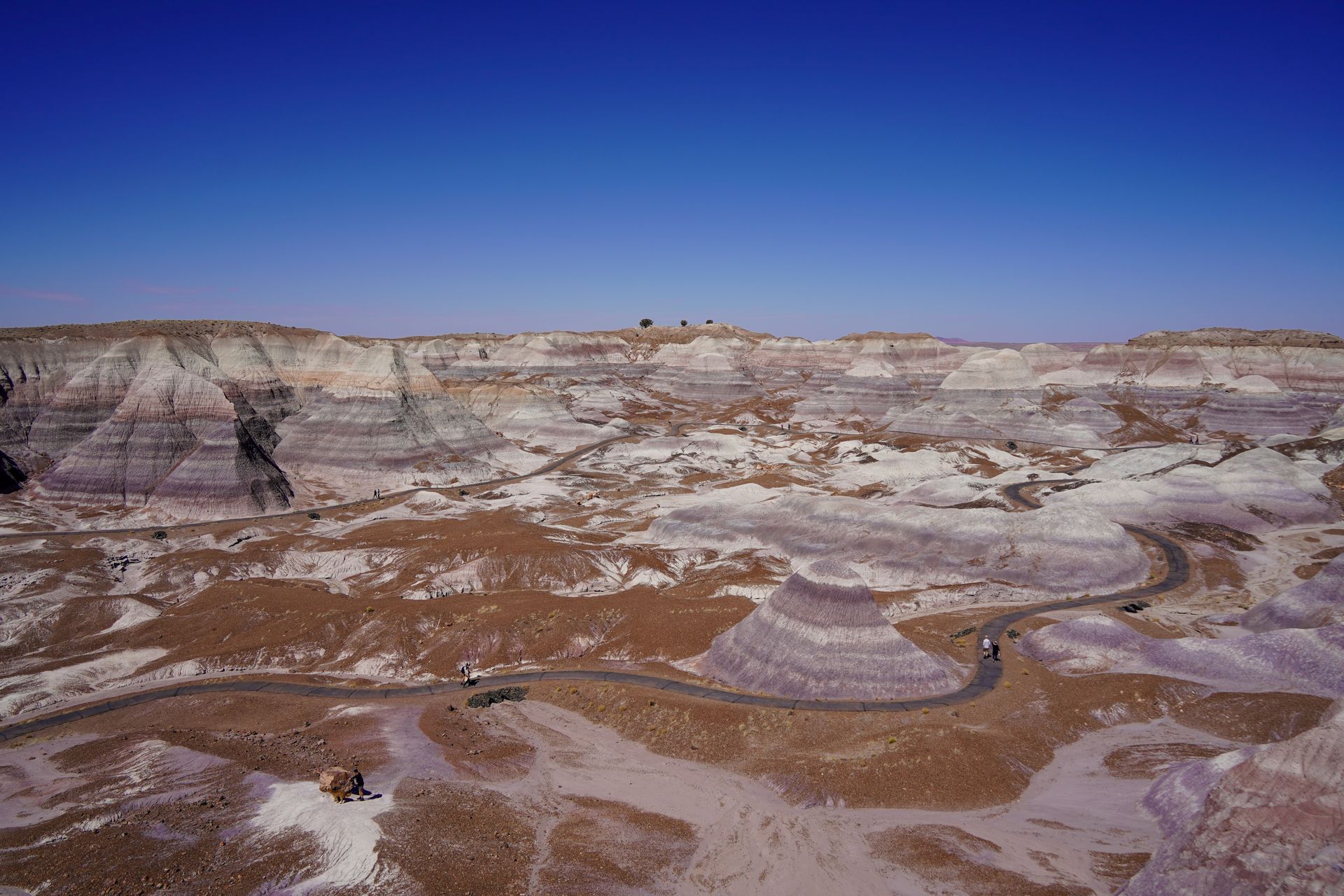
Everyone knows about the iconic Grand Canyon, but the other Arizona National Parks are also worth a visit. The Grand Canyon is separated between two rims: the North and South, and they are located hours apart. The North Rim has a shorter season, so plan accordingly if you’d like to visit both.
A few hours from the South Rim, you can visit Petrified Forest. This is a unique and underrated national park with several examples of stunning petrified wood, and colorful hills. It’s a great place to spend a day and enjoy several short trails.
Saguaro is further away, so you might want to make it its own trip if you’re short on time. This park protects the largest cacti in the world, and has several unique trails and scenic drives where you can admire cacti and desert landscapes up close.
I also recommend visiting Chirachua National Monument, which is about two hours from Saguaro and Tucson. Rumor has it that it’s going to become America’s 64th national very soon, so I’ll be updating this post if/when that happens! The park is known as the ‘Wonderland of Rocks’ and has some epic hiking trails.
Read my guides to Petrified Forest and Saguaro
Final Thoughts
I hope this list gives you some great ideas and starting points for an epic national park road trip. There are so many great options whether you’re a hiker, traveling with kids, want to visit all the national parks, or if you’re just looking for an outdoorsy adventure. There is so much beauty and variety across the United States.
For more national park hiking guides, check out these blog posts:
- The Best National Park to Visit in the Spring
- The Best National Parks to Visit in the Summer
- The Best National Parks to Visit in the Fall
- How to Avoid Crowds in National Parks
- The Best Hikes in National Parks
- The Best National Parks to Visit in the Winter
- An Epic Itinerary for Glacier National Park
- How to Spend 2 Days in Zion National Park
- How to Spend 3 Days in Sequoia and Kings Canyon National Parks
- The Best Things To Do in Great Basin National Park
Thanks for Reading!


Let's stay in touch!
Join the Lost with Lydia email list to get monthly travel guides and tips!