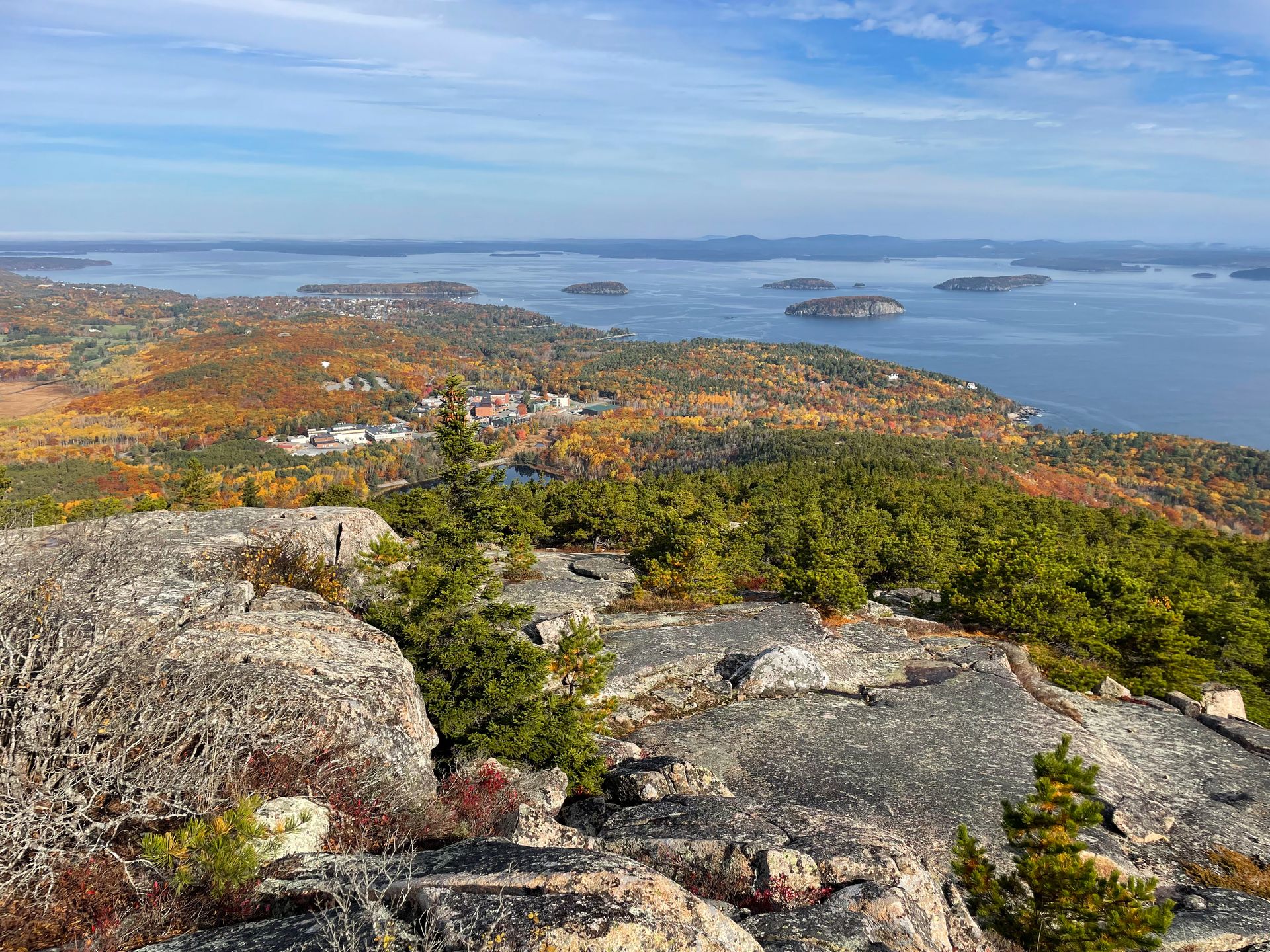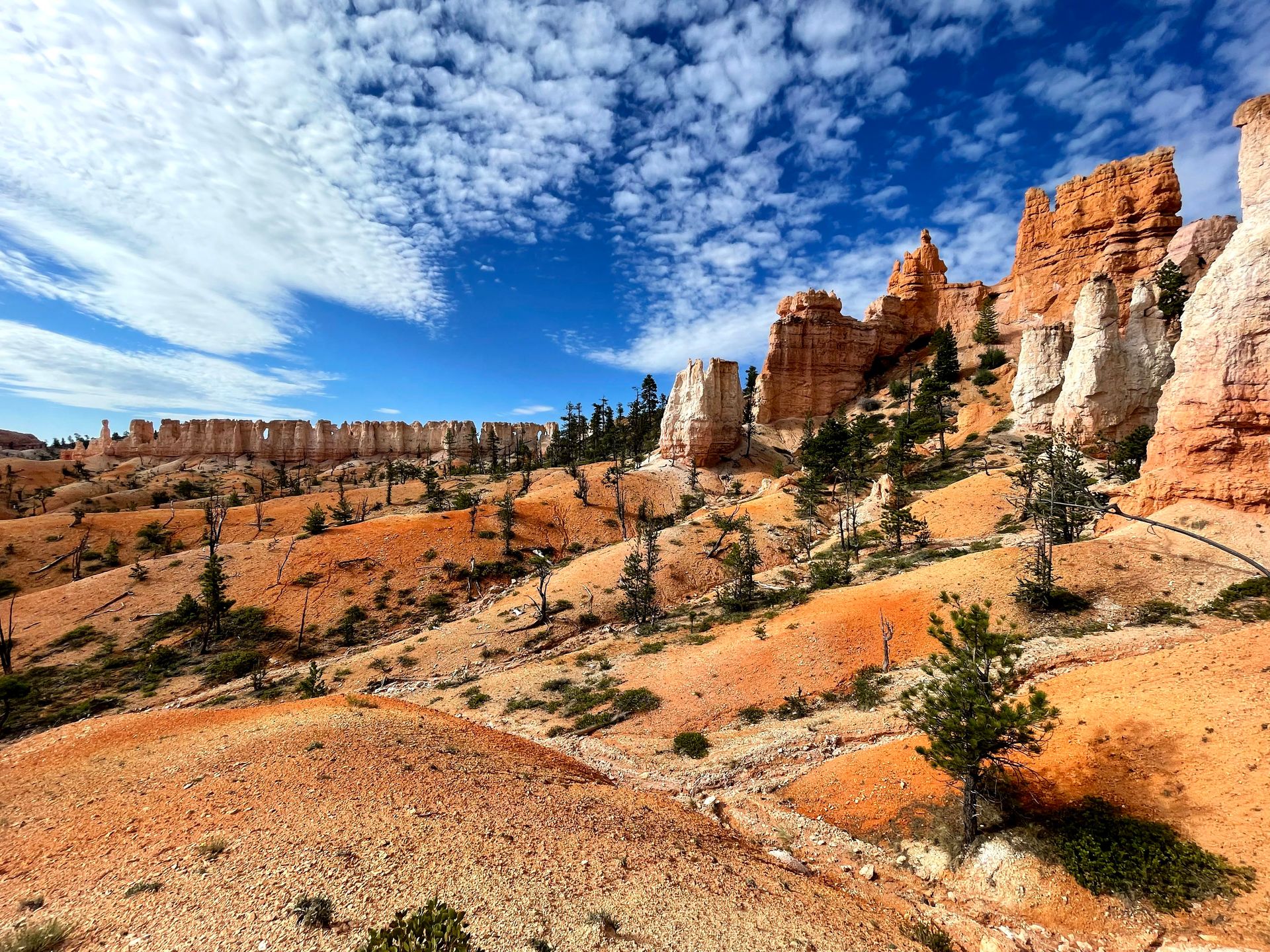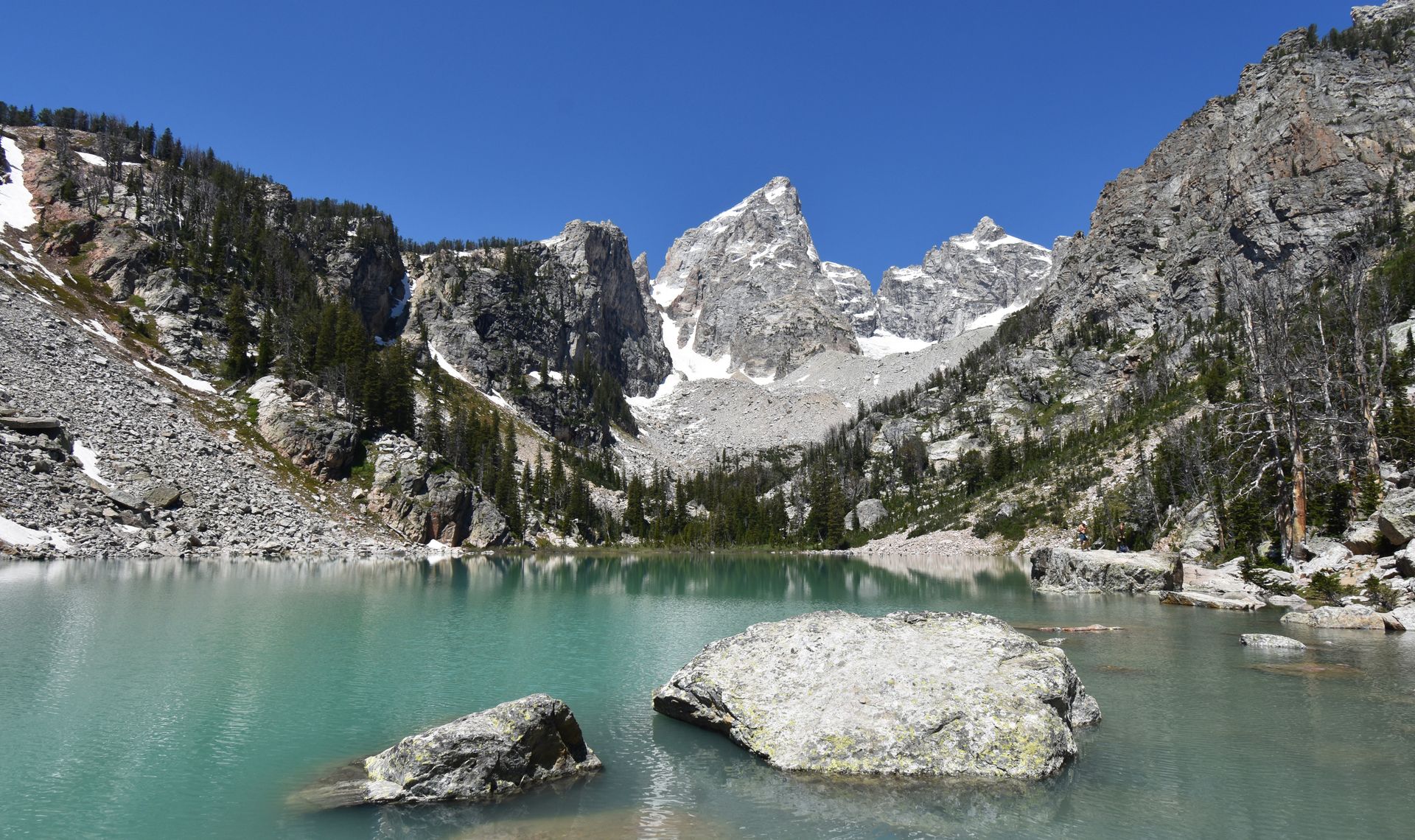
National parks have some of the most incredible hiking trails in the United States. They tend to be well maintained, well protected, and have some epic payoffs. Plus, it tends to be accessible to find specific details about national park hiking trails. You can ask a ranger at a visitor center, or visit a NPS website for lots of great information.
Hiking is one of my greatest passions, and I’ve been to almost all 63 US national parks. This guide lists all of the best national parks for hiking, based on my opinions and personal experiences all over the United States.
It was hard to narrow down all of these parks, so I added a list of honorable mentions at the bottom. I chose parks that have a variety of hiking trails for all difficulties, and parks where I think that hiking is the best way to see the best views.
Tips for Hiking in National Parks
- Before any hike, please learn the principles of leaving no trace. That includes never feeding or approaching wildlife, traveling on durable surfaces, packing out all of your trash, and coming prepared.
- It’s a great idea to hike with the 10 essentials. The essentials are water, food, layers, a fire starter, sun protection, a light source, a type of knife, a first aid kit, shelter, and a map. Other things you might want to carry include trekking poles, insect repellant, and a portable battery.
- Always check the weather forecast before heading out. Keep in mind that certain weather conditions can be dangerous in certain areas. For example, afternoon thunderstorms are common in the afternoons in high altitude areas, and flash floods can be quite dangerous in the desert during monsoon season.
- Download offline maps before heading out. Many national parks do not have very good cell reception.
20 of the Best National Parks for Hiking
1. Rocky Mountain National Park, Colorado
Rocky Mountain is one of the most visited US national parks, and is home to incredible mountain vistas and trails. It’s an amazing place for alpine lakes, waterfalls, snowy peaks, and wildlife.
While you can enjoy a lot of beauty from scenic drives, I think that hiking takes you to the best views in the park. There are over 350 miles of hiking trails, and a good mix of difficulties. You can challenge yourself by hiking a major mountain peak, or enjoy a great variety of moderate trails that lead you to alpine lakes. There is something for everyone.
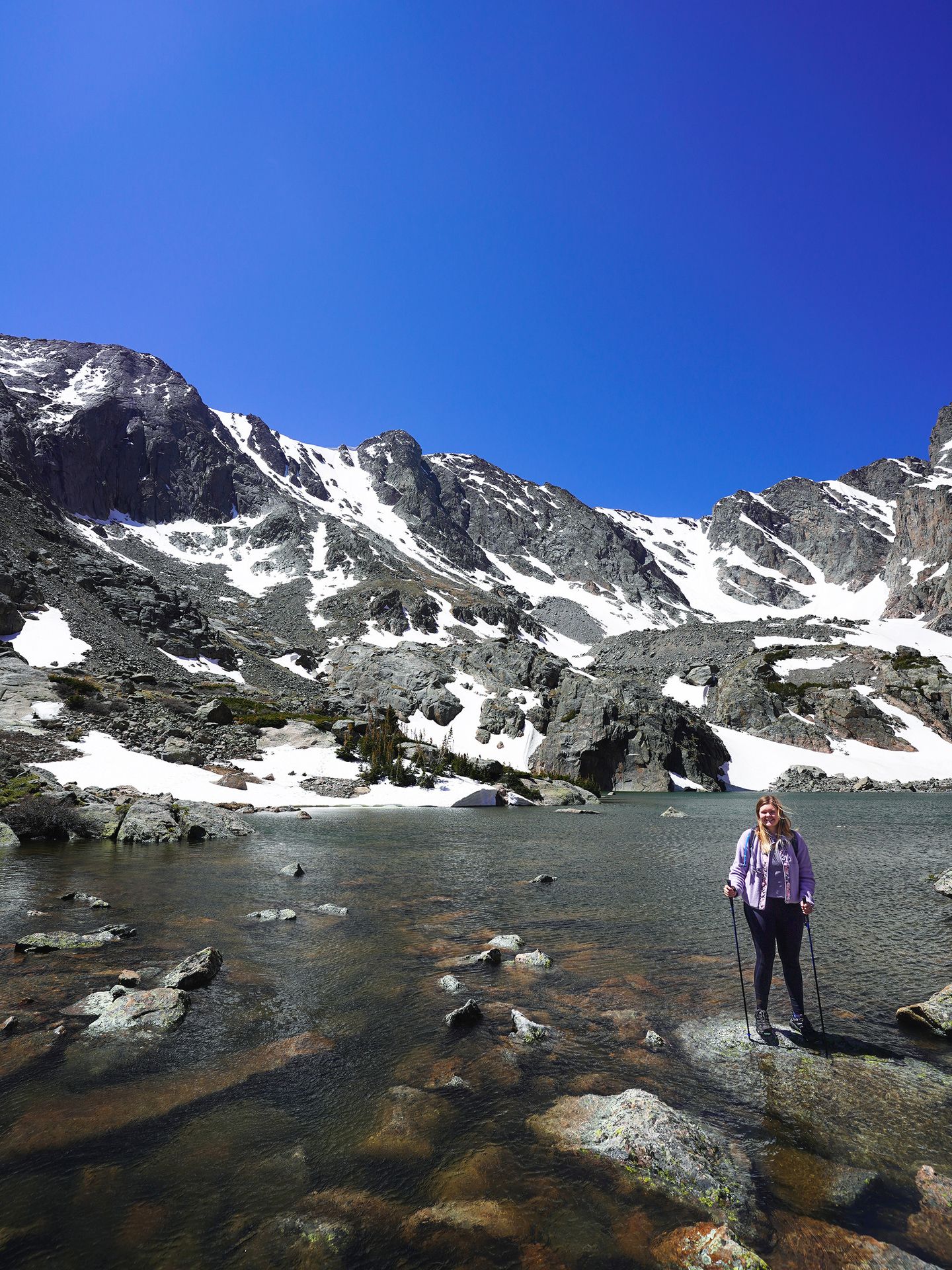
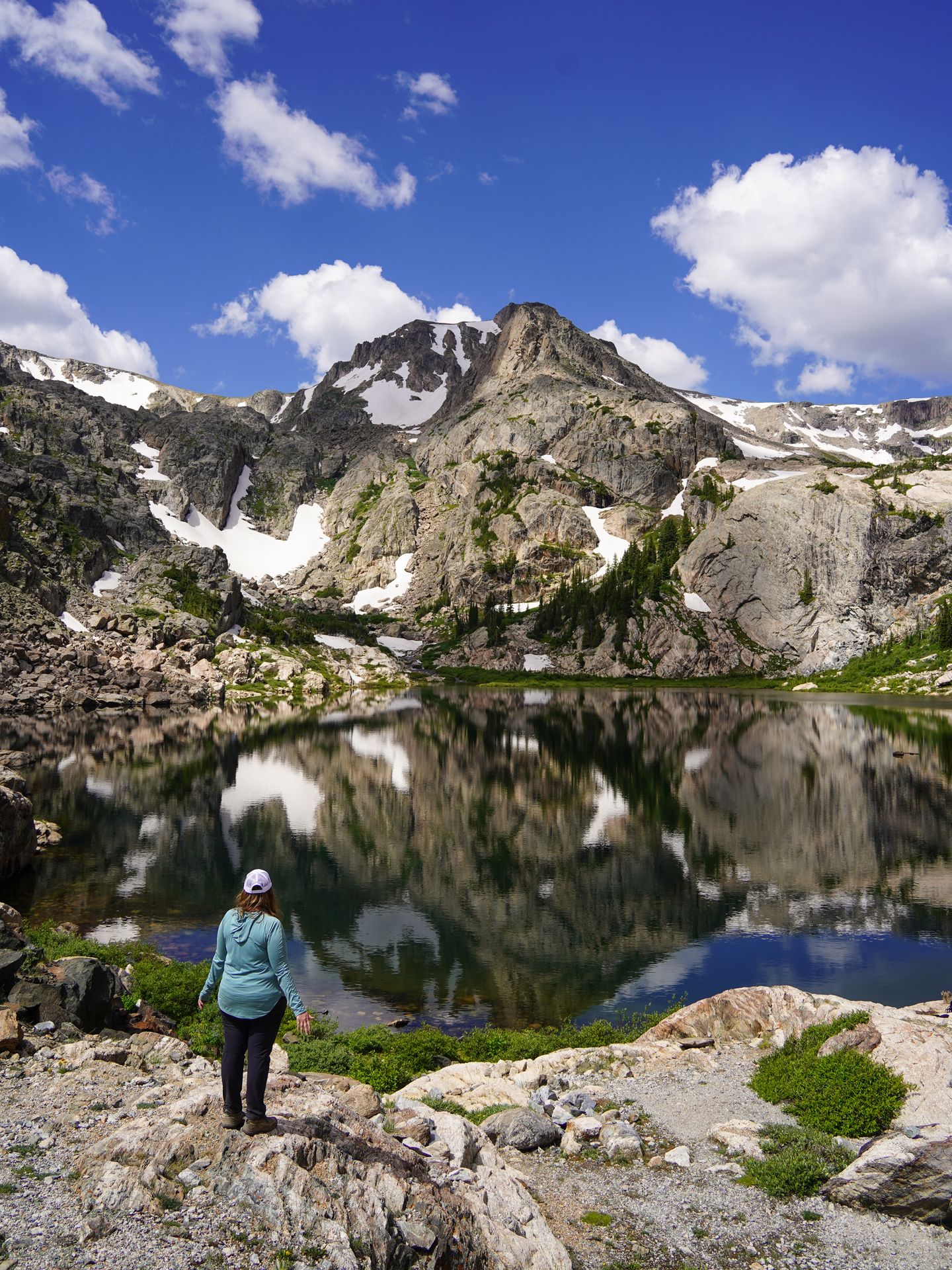
When to Visit: If hiking is your primary goal, you’ll want to visit between July and September. This is a high altitude park, so snow is very common during the rest of the year. That doesn’t mean you can’t hike in snowy conditions, but visiting during the summer gives you the best access to the park.
Three Trails I Recommended:
- Easy: Sprague Lake
- Moderate: Emerald Lake
- Hard: Sky Pond
Pro Tip: Reservations are typically required to enter this park between the end of May and mid-October.
Read my summer itinerary for Rocky Mountain National Park
2. North Cascades National Park, Washington
North Cascades is a truly epic park for hikers, but it’s full of a lot of strenuous trails. It’s a great park for multi-day backpacking trips, and many of the most beautiful hikes involve huge climbs. However, it’s worth the challenge to attempt at least one hard hike during your visit, if you’re able.
North Cascades has over 400 miles of hiking trails, and that doesn’t include the bordering national forests. There are practically endless options for backcountry adventures in this area.
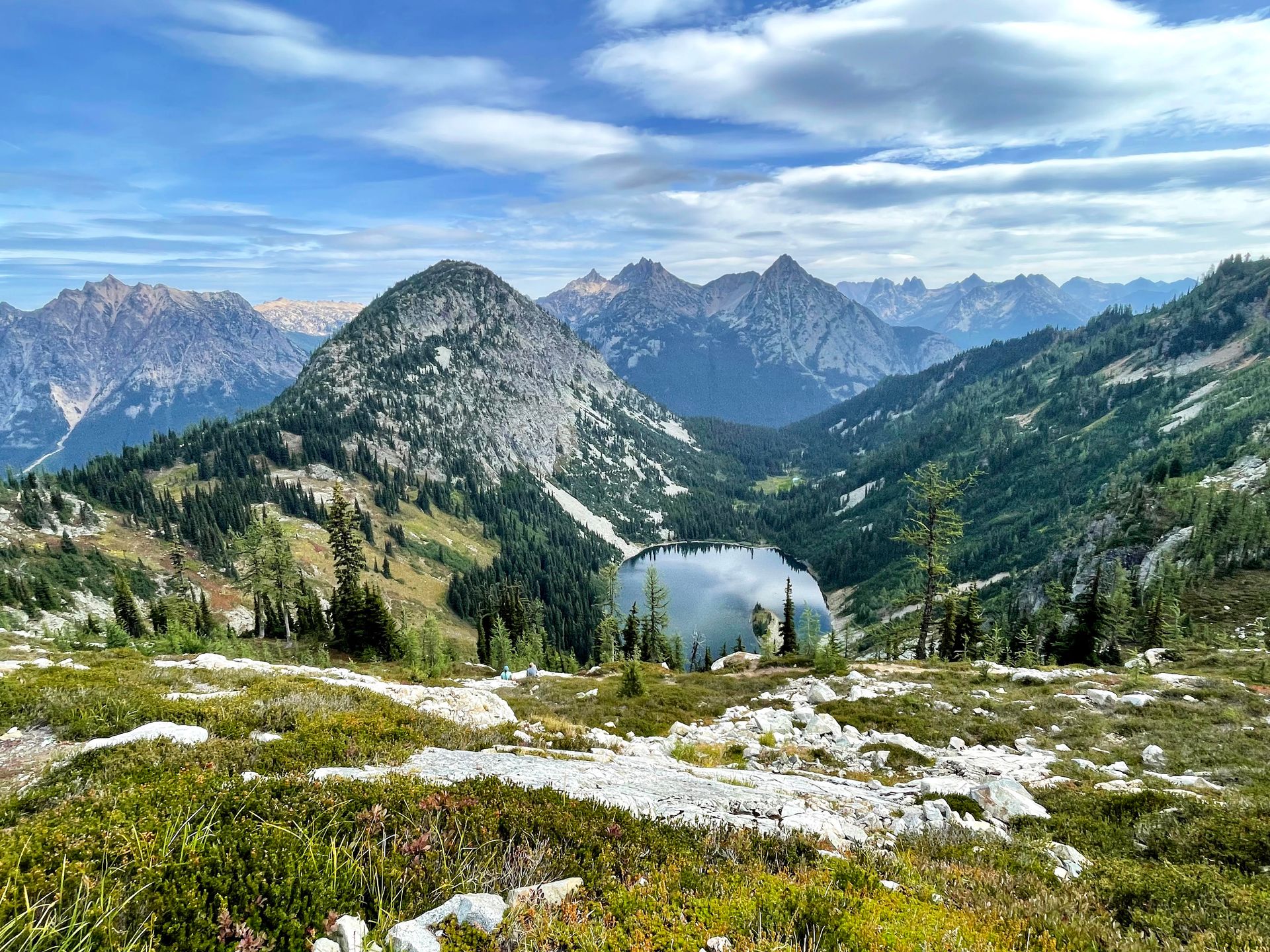
When to Visit: The North Cascades Highway closes during the winter. It’s typically closed between late November and May, but the dates vary each year. For the best access to the park and hiking trails, you’ll want to visit between July and September.
Three Trails I Recommended:
- Easy: Rainy Lake
- Moderate: Blue Lake
- Hard: Maple Pass
Read my summer itinerary for North Cascades National Park
3. Zion National Park, Utah
Zion is a stunning national park situated around a deep canyon. The park has over 90 miles of hiking trails, including some really unique and iconic routes, such as The Narrows or Angel’s Landing.
The Zion Canyon is the centerpoint of the park, but there are other areas to explore as well. It’s a beautiful place to hike, and one of the most visited parks in the country.
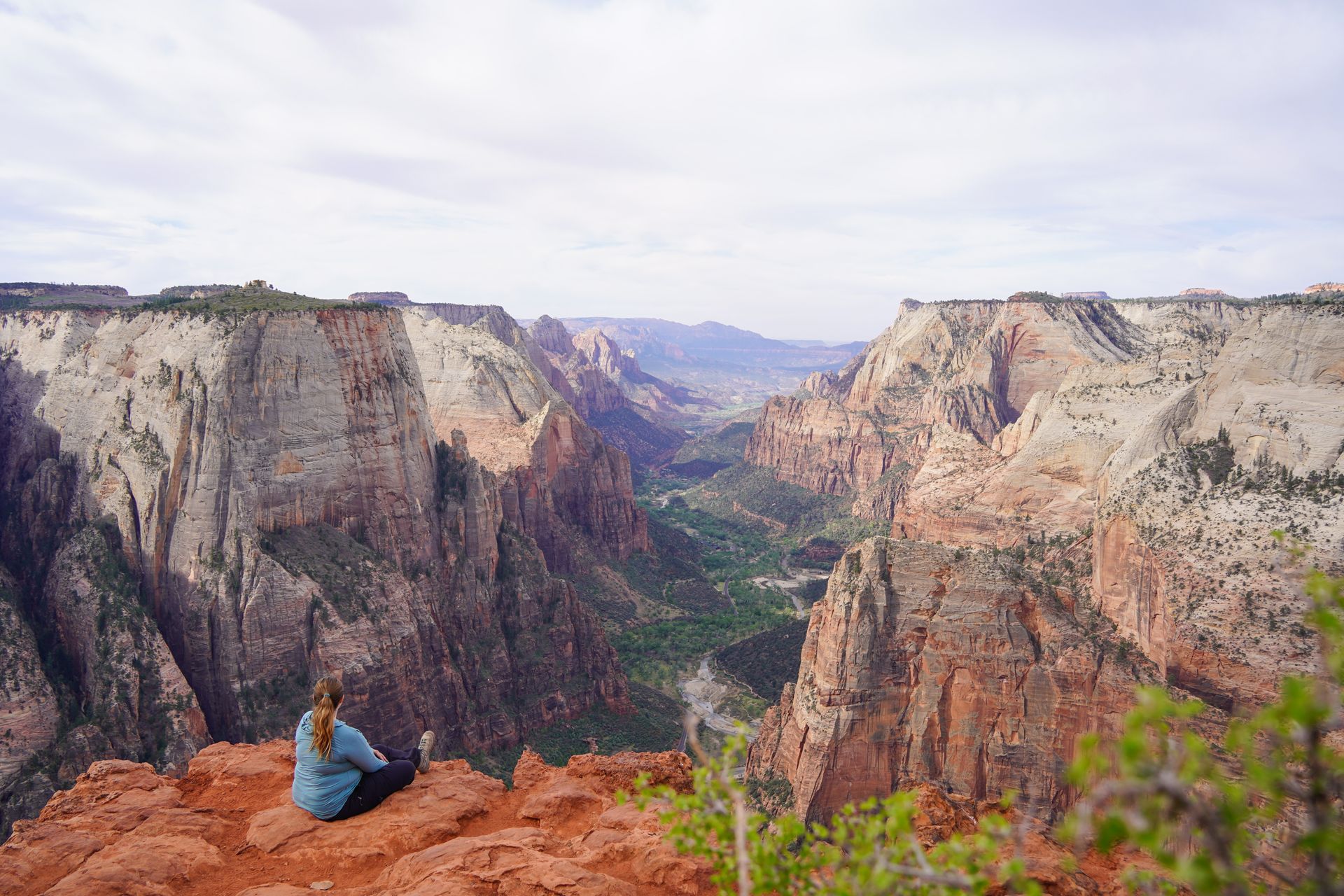
When to Visit: Zion gets very hot in the summer, so it’s best to avoid the hottest months. The park can also receive snow in the winter, so the best time to visit is spring or fall. April, May, September and October tend to be the best months to visit.
Three Trails I Recommended:
- Easy: Zion Canyon Overlook
- Moderate: Observation Point
- Hard: The Subway (permit required)
Pro Tip: Permits (obtained via a lottery) are required for the popular Angel’s Landing.
Read my itinerary for Zion National Park
4. Glacier National Park, Montana
Glacier National Park is my personal favorite US national park, due to its incredible natural beauty. While it is a park where you can experience incredible views from the road, hiking opens up countless more opportunities for jaw dropping scenes.
Glacier has over 700 miles of hiking trails. There are some really good opportunities for strenuous day hikes and backpacking trips, but there are also plenty of moderate trails that cater to a variety of hiking abilities.
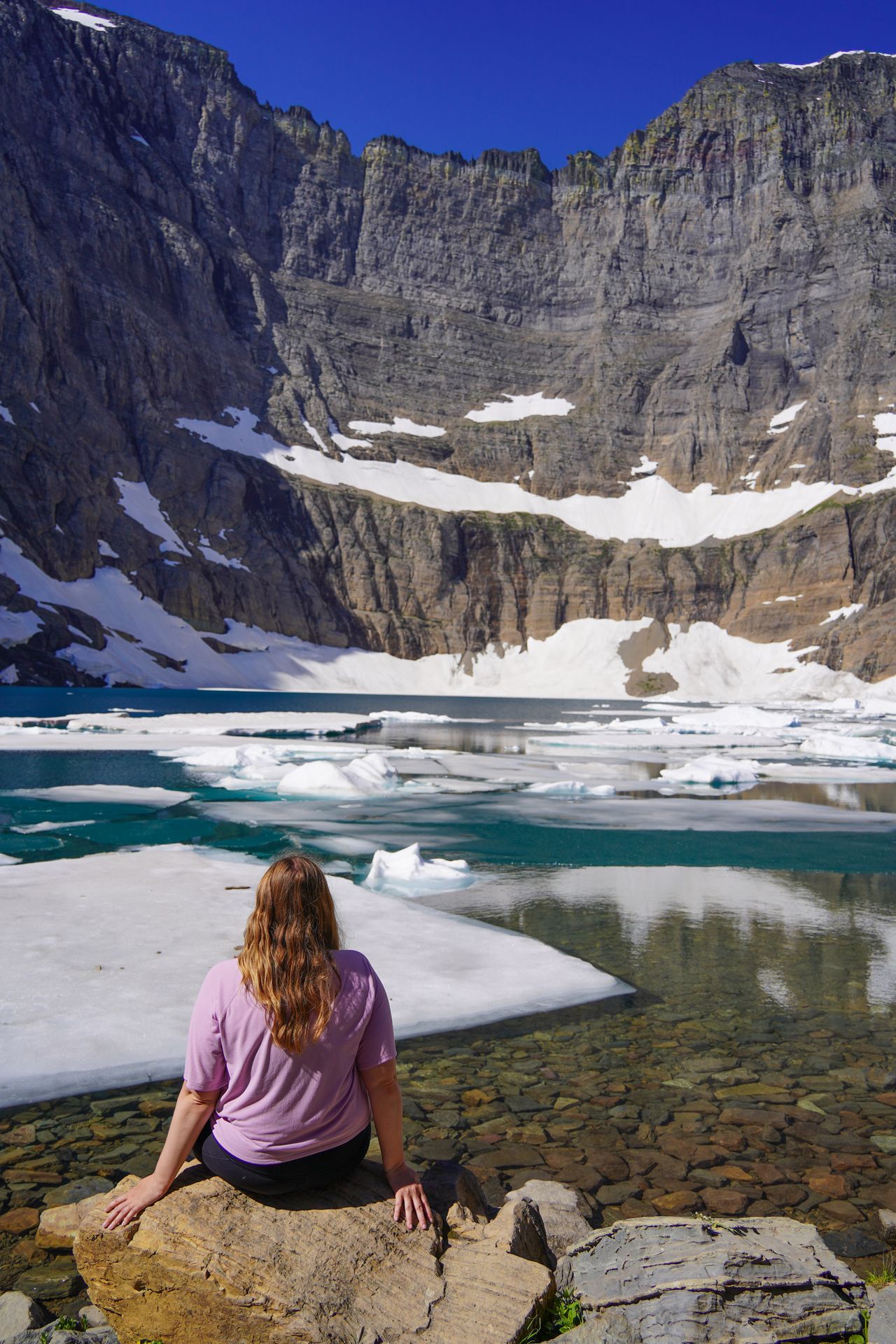
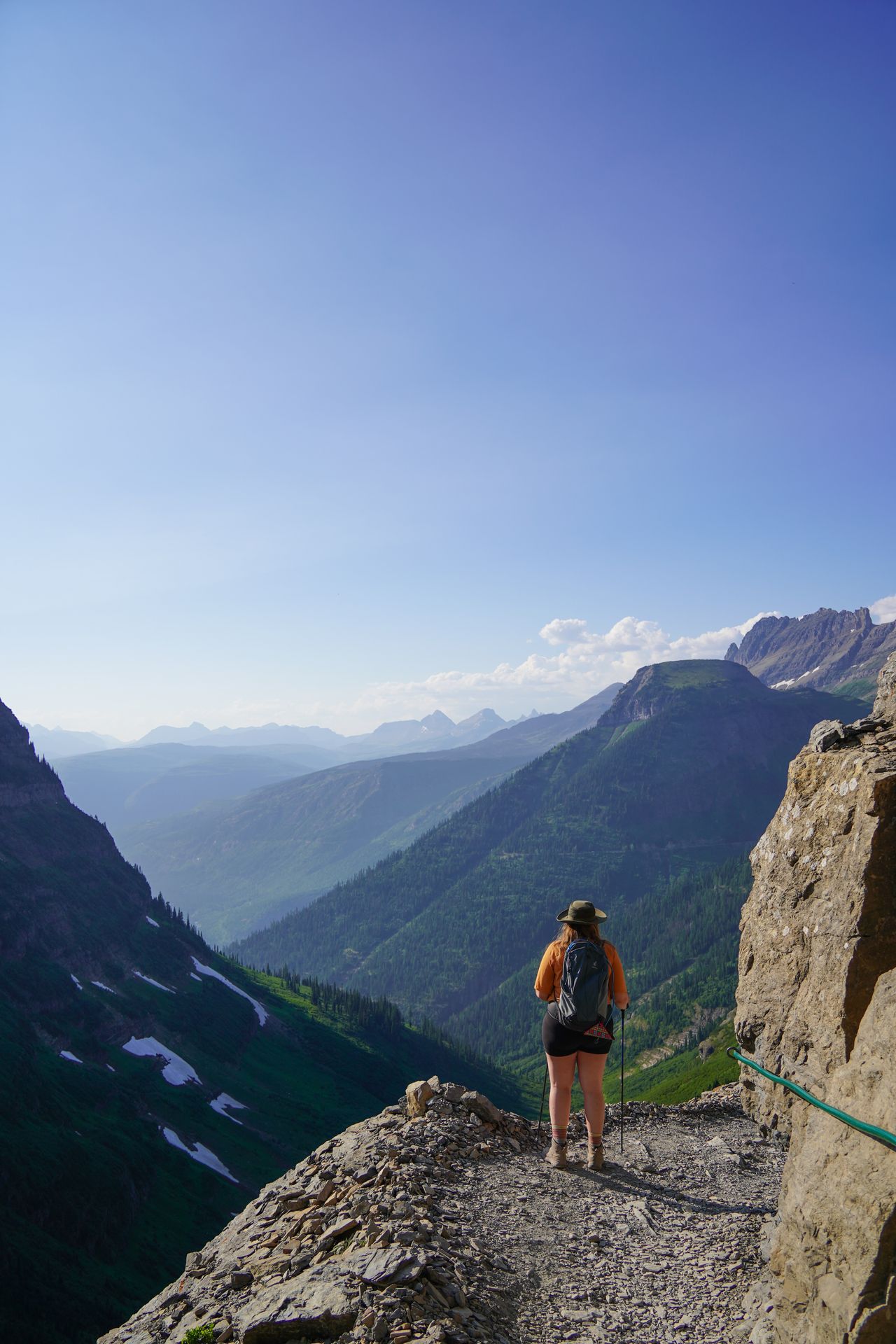
When to Visit: Glacier is another park that is highly impacted by snow. The most famous area of the park, the Going-to-the-Sun Road, is typically only between June and October, but the exact dates vary each year. I recommend visiting between July and September to enjoy the best access to the park.
Three Trails I Recommended:
- Easy: Running Eagle Falls
- Moderate: Iceberg Lake
- Hard: Highline Trail
Pro Tip: You should hike with bear spray in Glacier, grizzly bears are common.
Read my itinerary for Glacier National Park
5. Big Bend National Park, Texas
Big Bend is an underrated and remote national park that sits on the Rio Grande River and the border of Mexico. The park has stunning mountains, hot springs, and rock formations. In addition to hiking, it’s a great place for a river float or a scenic drive.
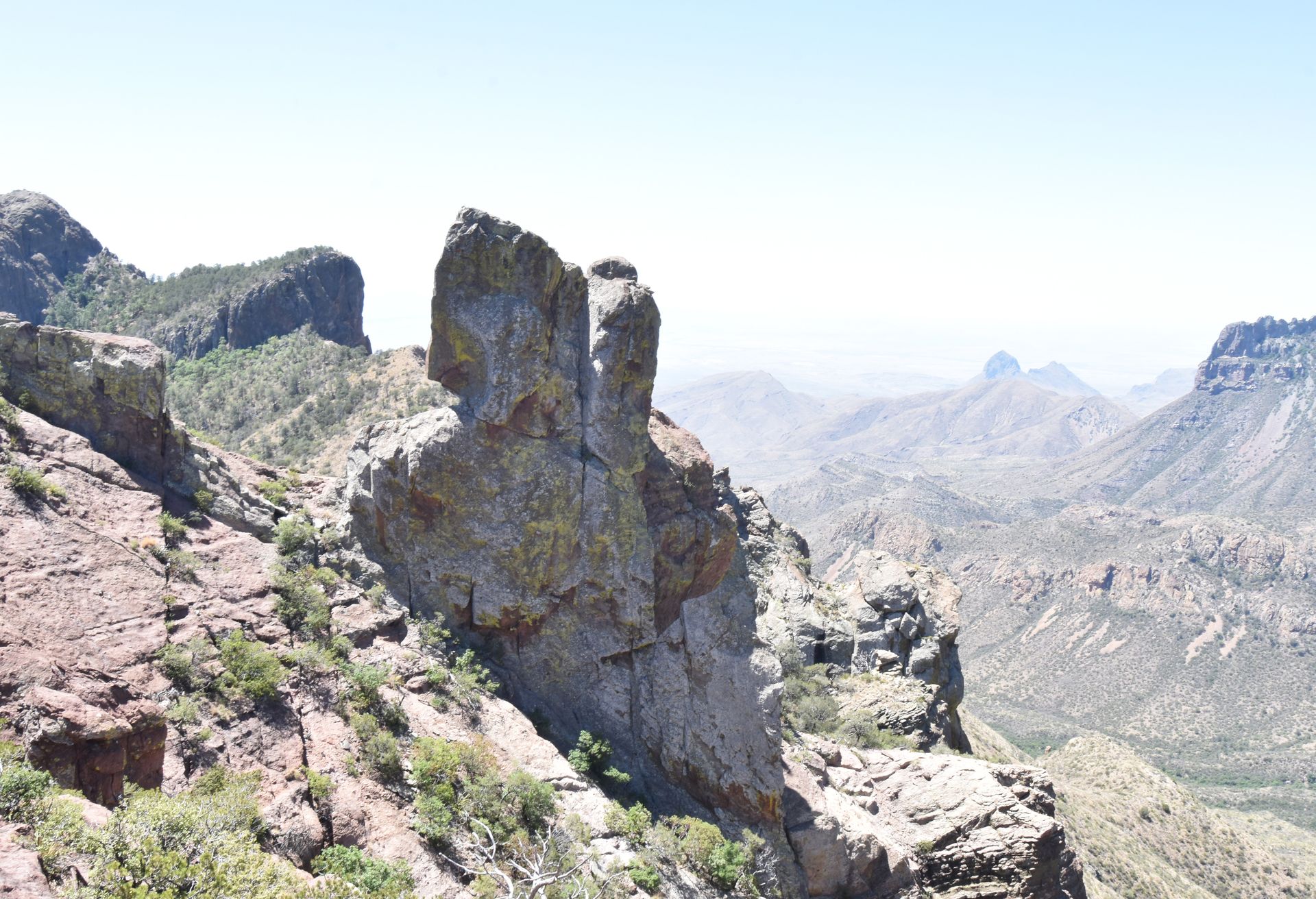
When To Visit: Being a desert park, this park gets extremely hot in the summer, so you should avoid those months. Fall and spring are the best times to visit, but winter can be nice too.
Three Trails I Recommended:
- Easy: Santa Elena Canyon
- Moderate: Lost Mine
- Hard: Emory Peak
Read my Big Bend and West Texas road trip itinerary
6. Sequoia National Park, California
Sequoia is home to the largest trees in the world. While the towering sequoia trees are the focal point of the park, it has a lot more to offer. You can hike up a massive granite rock, visit Crystal Cave, hike to alpine lakes, and more.
With over 800 miles of hiking trails, there is a great variety here for everyone.
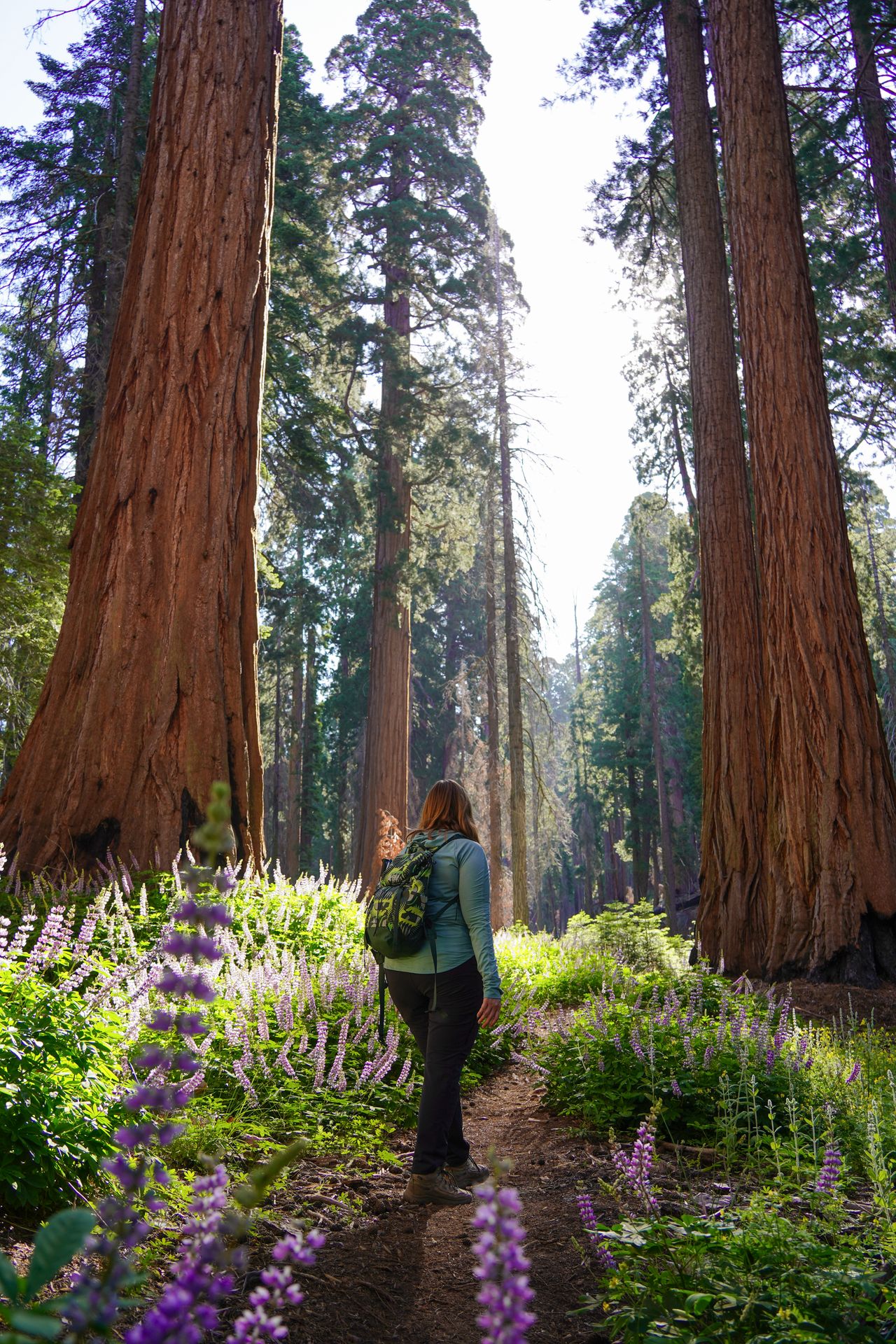
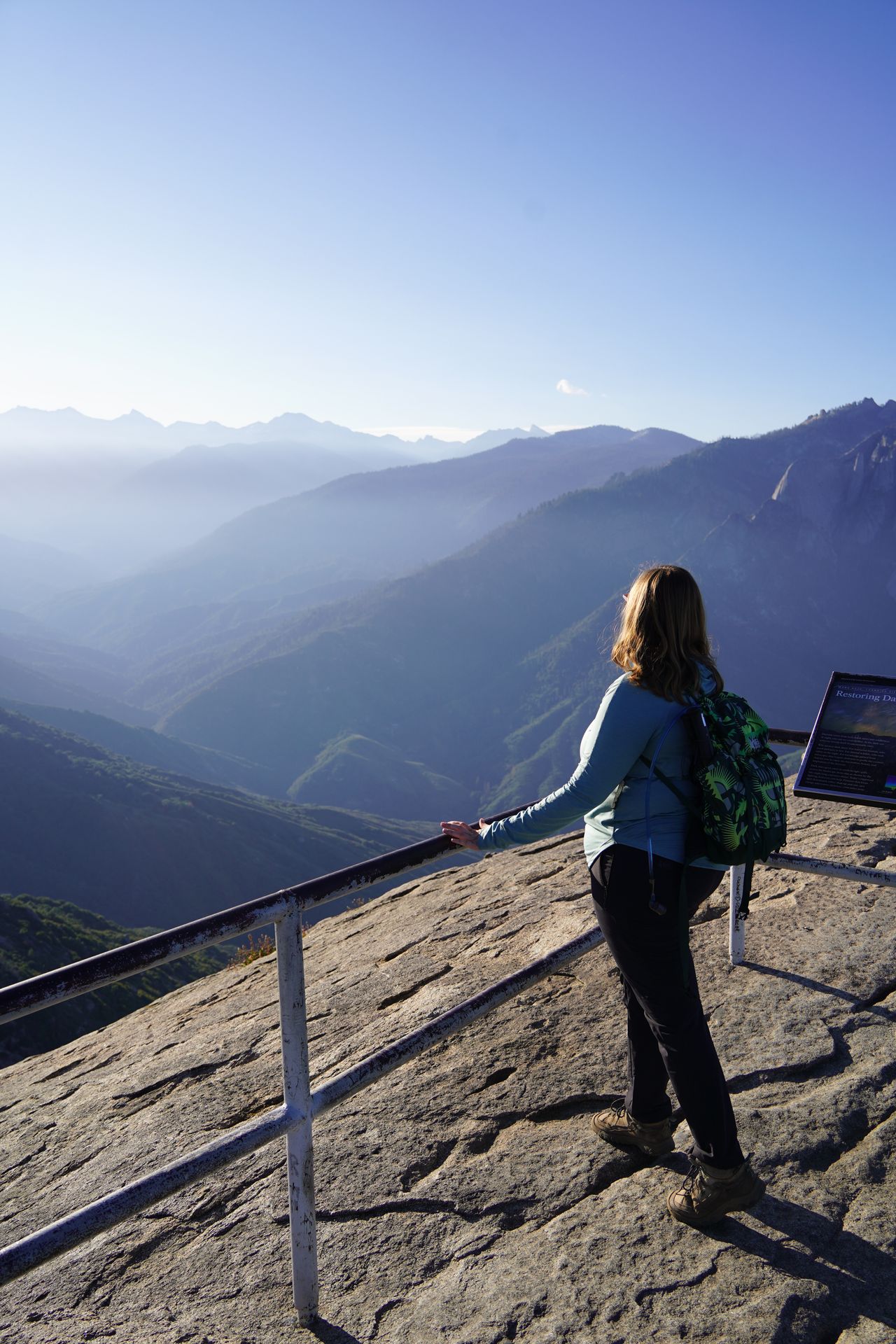
When To Visit: Sequoia is another high altitude park, so it’s best to visit during the summer months for full access to the park. However, the shoulder months, like May and October, can be a nice time to avoid the crowds.
Three Trails I Recommended:
- Easy: Congress Trail
- Moderate: Moro Rock
- Hard: Pear Lake
Pro Tip: Make sure to reserve tickets in advance to tour Crystal Cave.
Read my Sequoia and Kings Canyon itinerary
7. Bryce Canyon National Park, Utah
Bryce Canyon is home to the highest concentration of hoodoos in the world. It’s a stunning Utah park with some fun trails that allow you to hike among the hoodoos. The park has 60 miles of hiking trails, and also has a beautiful scenic drive.
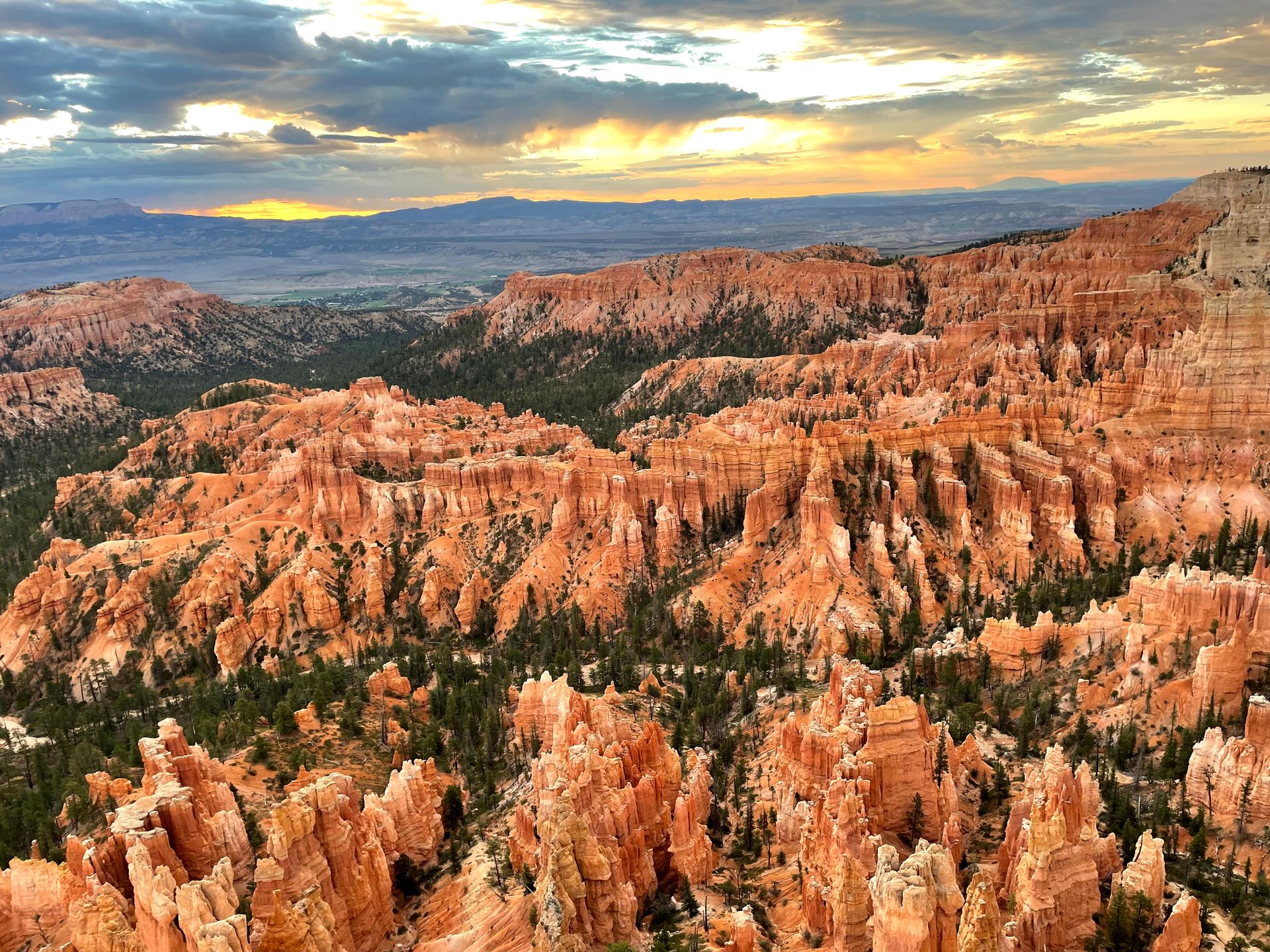
When To Visit: Bryce is the highest altitude park of the Utah national parks, so it receives a lot of snow in the winter. It’s really cool to see this park with snow, but icy conditions can cause closures on some trails. May and September tend to be the best months to enjoy cooler hiking weather without a high chance of ice.
Three Trails I Recommended:
- Easy: Rim Trail
- Moderate: Navajo and Queens Gardens Loop
- Hard: Peekaboo Loop
Read my list of the best hikes in Bryce Canyon
8. Acadia National Park, Maine
Acadia is a coastal New England park that has some really fun hikes. There are trails with ladder rungs, and lots of routes that lead you to peaks with views of the coastline, rock formations, and more. The park has 158 miles of hiking trails, and a good mix of different difficulties.
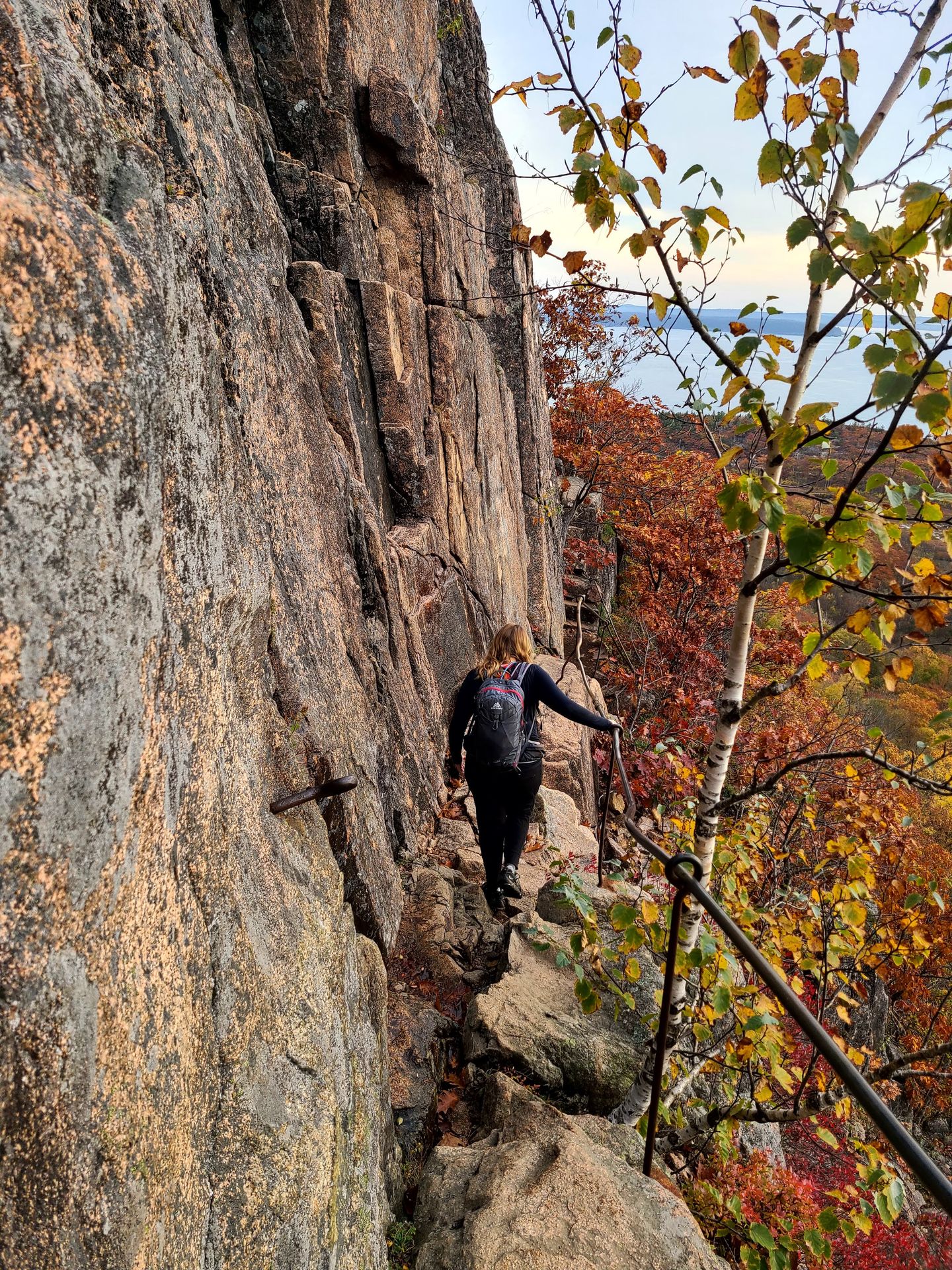
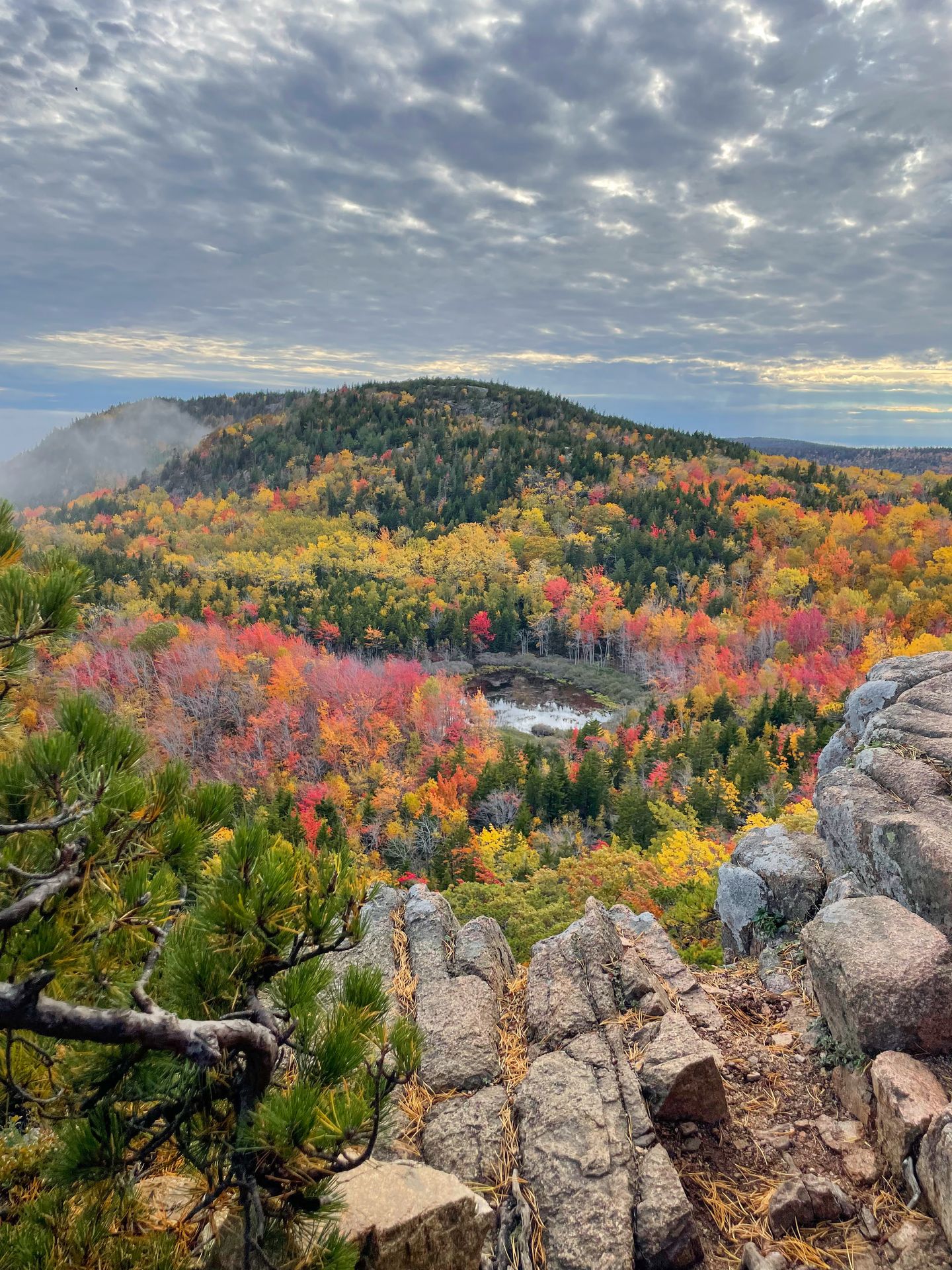
When to Visit: This park is mostly closed during the winter months, and the best times to visit are summer and fall. I personally loved seeing all of the vibrant foliage in October.
Three Trails I Recommended:
- Easy: Bar Island
- Moderate: Bubbles Nubble Loop
- Hard: Precipice Loop
Pro Tip: Watching the sunrise from Cadillac Mountain is an iconic experience, but a reservation is required to drive there. If you can’t get a reservation, hiking up Cadillac Mountain is also an option.
Read my list of the best hikes in Acadia
9. Grand Teton National Park, Wyoming
Grand Teton is a stunning park with an incredibly beautiful mountain range. It’s an amazing park for hiking, photography, spotting wildlife, and more. The park has 250 miles of hiking trails. There are some epic, challenging treks for experienced hikers, but also plenty of casual, moderate day hikes that are great for a variety of visitors.
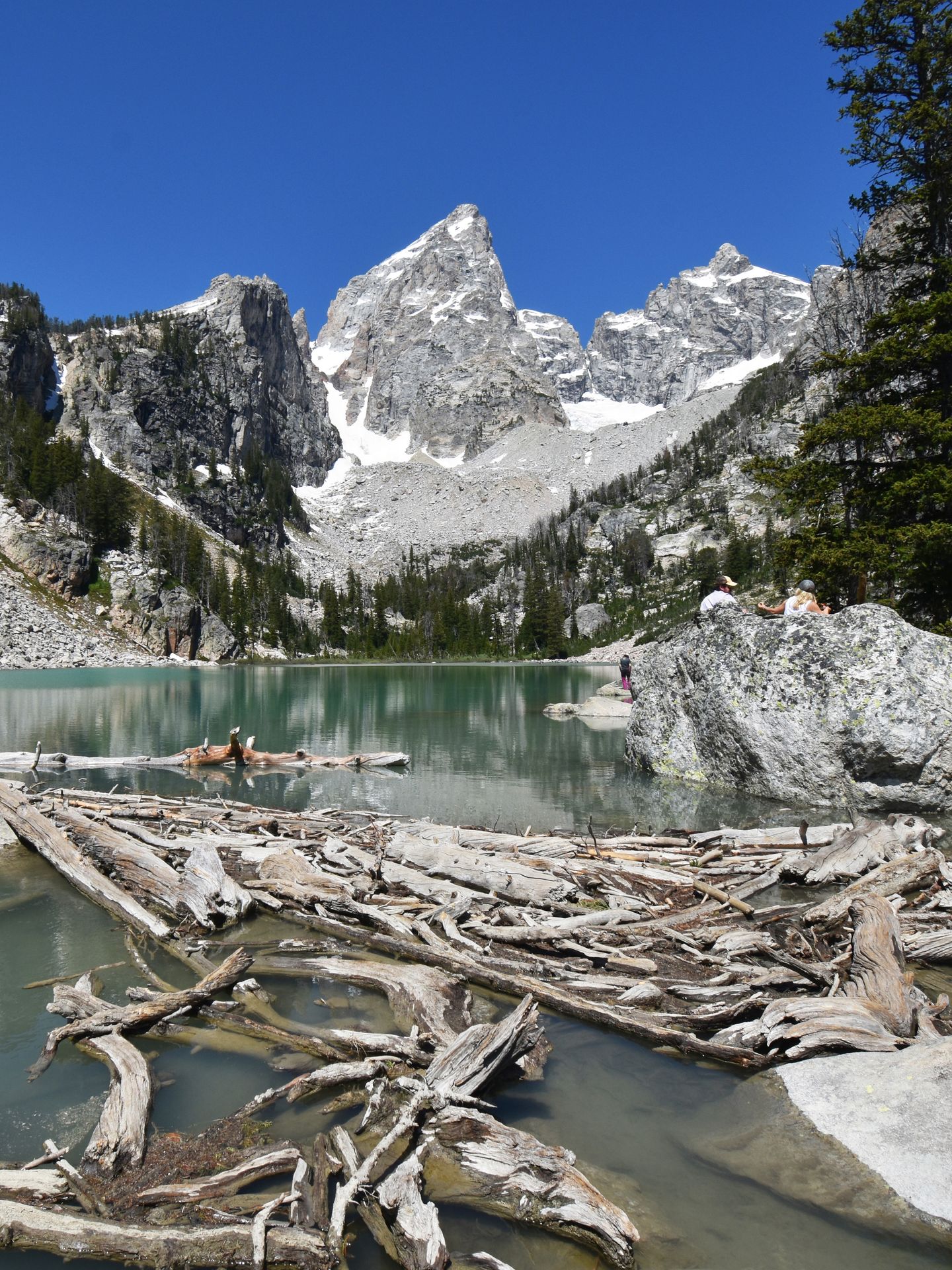
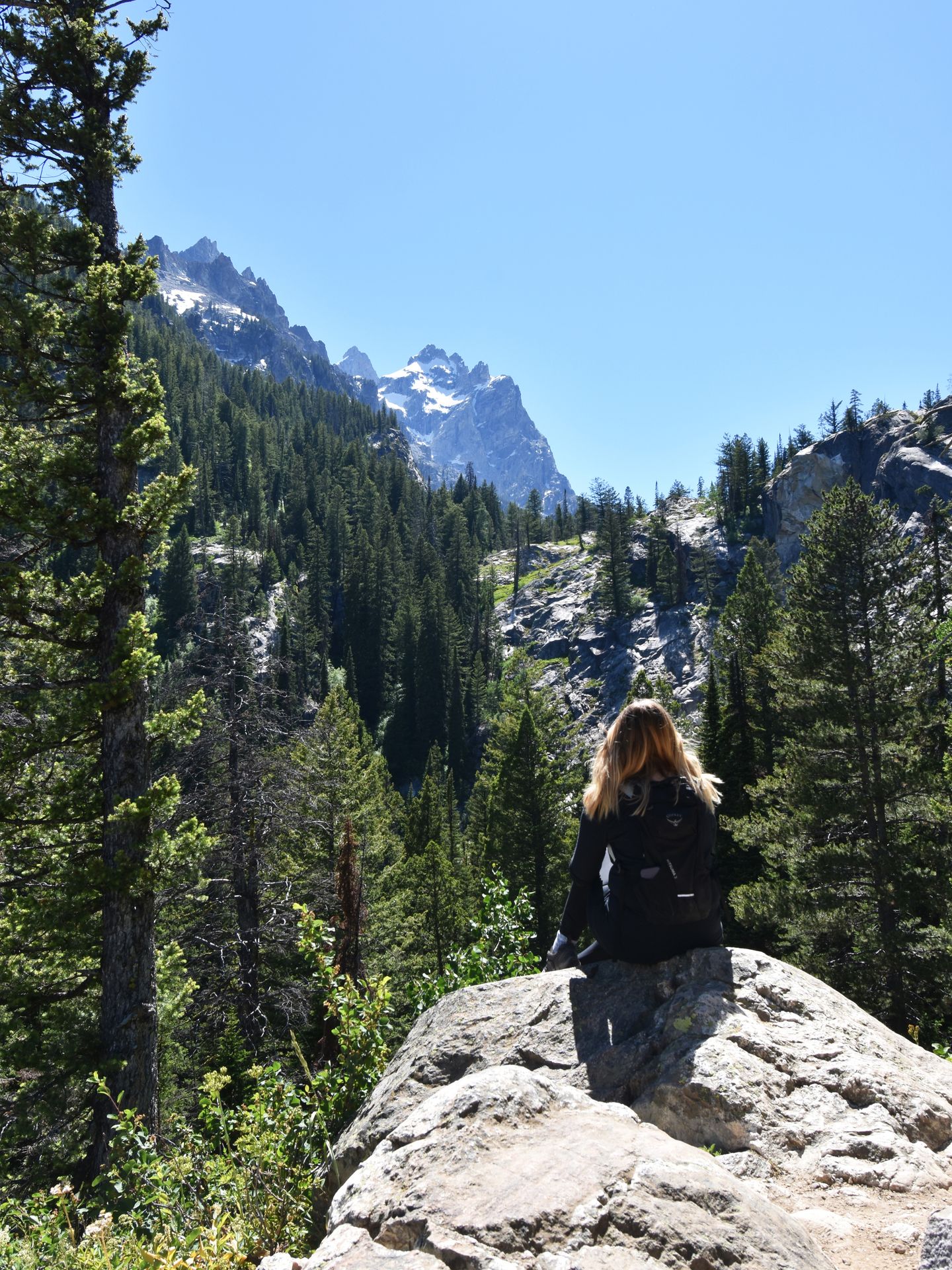
When to Visit: Like several parks on this list, Grand Teton is a mountainous park that receives snow and ice in the winter. For full access to hiking trails, June through September is the best time to visit. May can also be a good shoulder month.
Three Trails I Recommended:
- Easy: Taggart Lake Loop
- Moderate: Inspiration Point and Hidden Falls
- Hard: Delta Lake
Read my itinerary for Grand Teton National Park
10. Guadalupe Mountains National Park, Texas
Guadalupe Mountains is a stunning West Texas park known for its mountainous treks. While it’s a great park for hikers, there isn’t a lot to do other than hiking here. The park has over 80 miles of trails, and some great options for backcountry treks. The most famous hike in the park is to Guadalupe Peak, which is the highest peak in Texas.
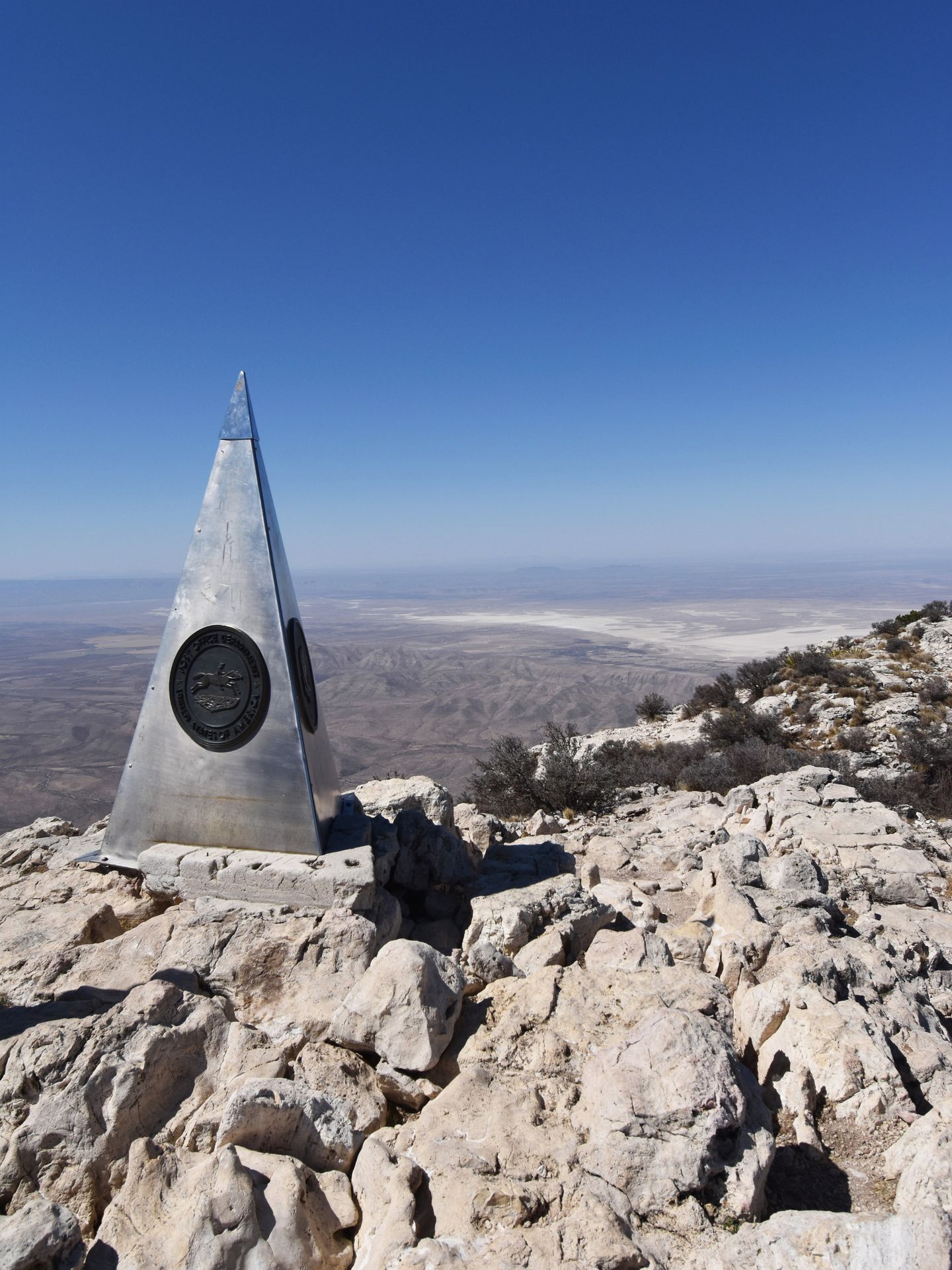
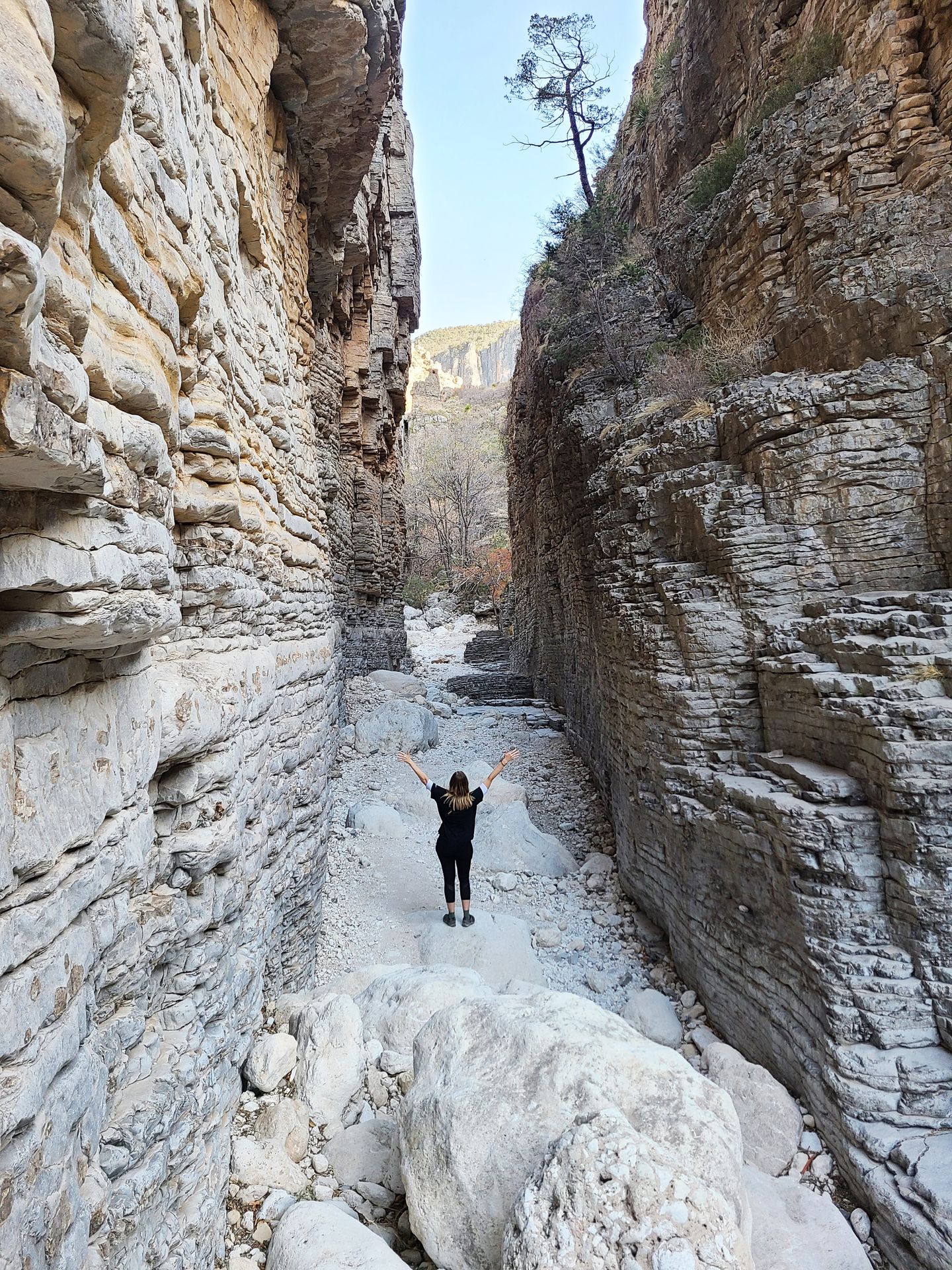
When to Visit: This is a park you should avoid in the summer due to high heat. Spring and fall tend to be the best times to visit, and October can bring some really lovely fall foliage.
Three Trails I Recommended:
- Easy: The Pinery
- Moderate: Devil’s Hall
- Hard: Guadalupe Peak
Pro Tip: Don’t underestimate the hike to Guadalupe Peak. Make sure to bring plenty of water and sun protection, and get an early start. It has a lot of elevation gain and very little shade.
Read my guide to Guadalupe Mountains National Park
11. Shenandoah National Park, Virginia
Shenandoah is a mountain park known for its iconic scenic Skyline Drive. While the park has an amazing scenic drive, you can see a lot more by hiking. There are tons of waterfall trails, and a lot of trails with scenic mountain views.
Shenandoah has over 500 miles of hiking trails, so there’s a huge number of options. Whether you’re looking for shorter day hikes or backpacking routes, there is no shortage of hiking here.

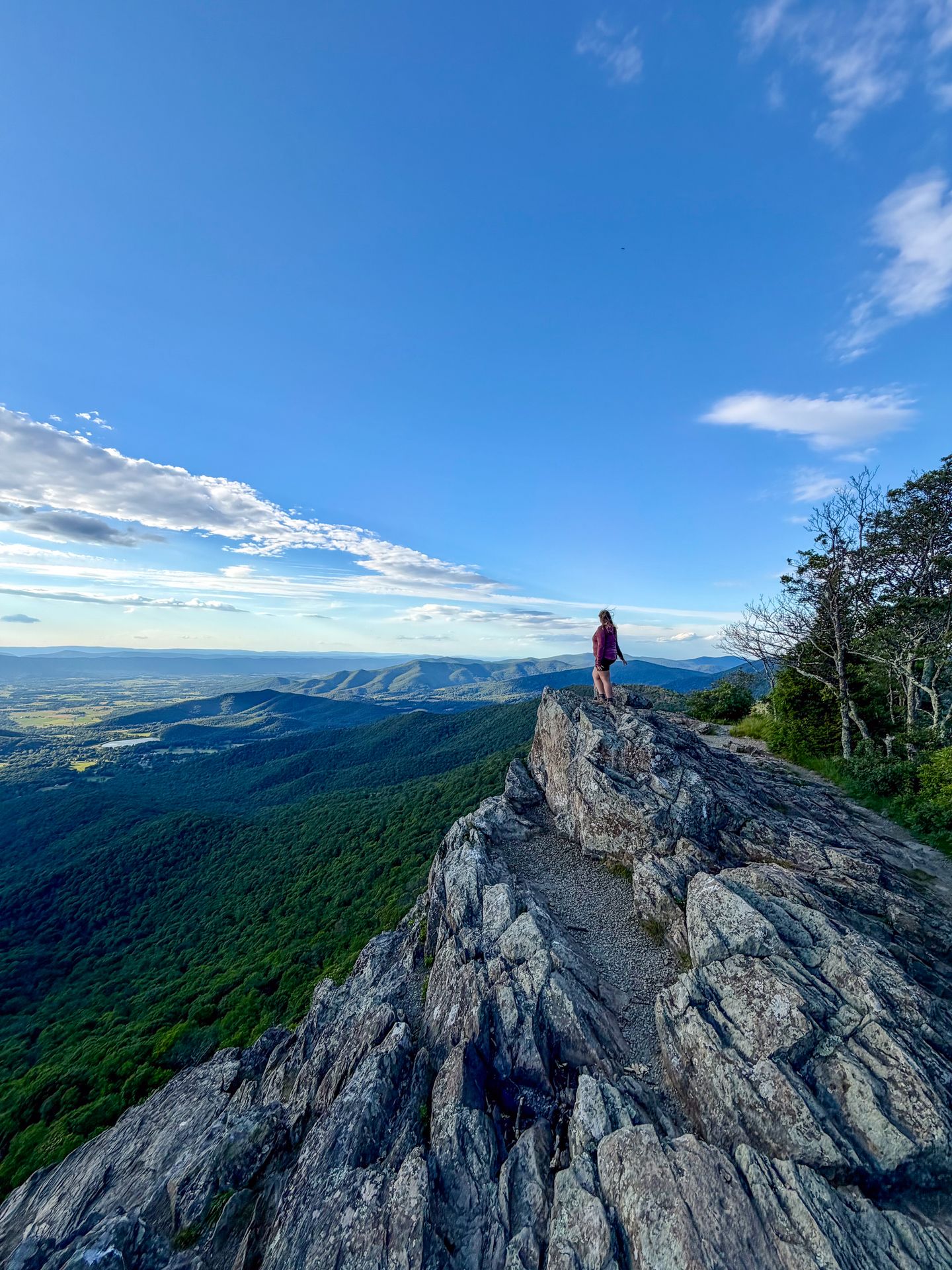
When to Visit: Shenandoah can be nice to visit year round, but summer and fall tend to be the best times to visit. It’s a beautiful park for fall foliage.
Three Trails I Recommended:
- Easy: Stony Man
- Moderate: Hawksbill Loop
- Hard: Whiteoak Canyon and Cedar Run Loop
Pro Tip: A permit is required for the famous and strenuous hike to Old Rag.
12. Kings Canyon National Park, California
Kings Canyon is the beautiful and underrated neighbor of Sequoia National Park. The parks are right next to each other, and are co-managed. Kings Canyon is home to one of the deepest canyons in North America, along with alpine lakes, sequoia trees, waterfalls, and more.
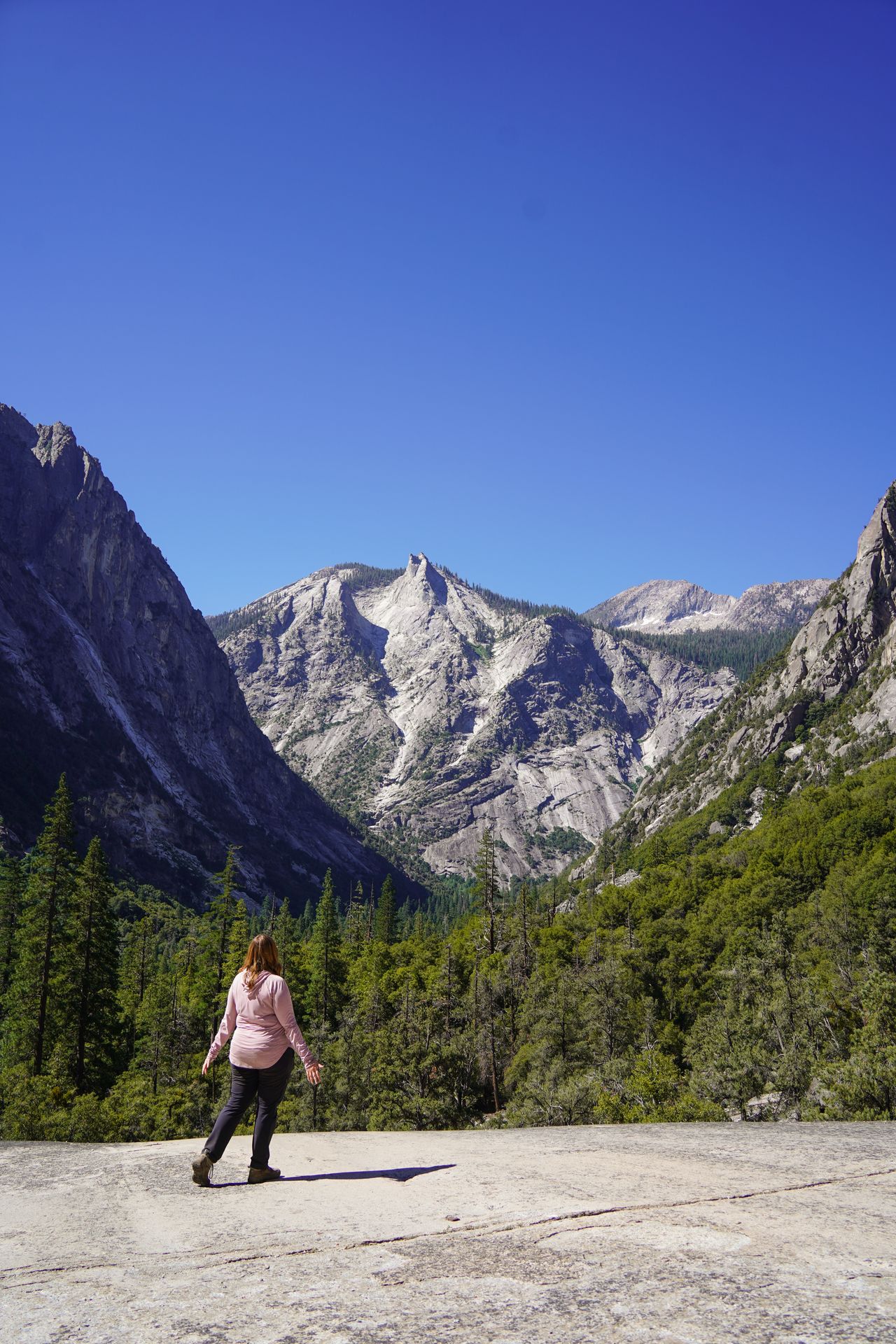
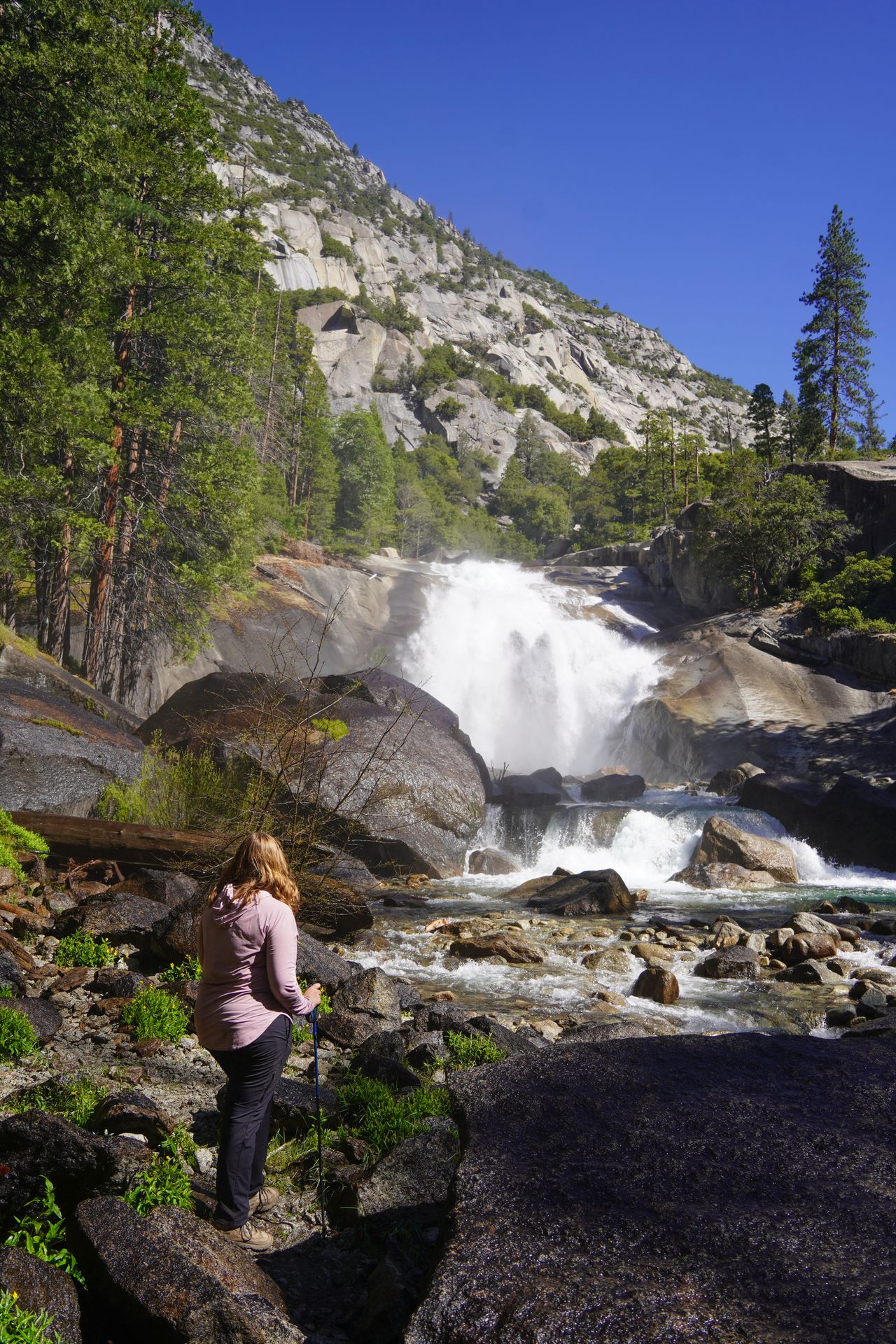
When to Visit: Like Sequoia, this is a higher altitude park that you’ll want to visit during the summer, or close to it, for the best access. June through September are the best times to visit.
Three Trails I Recommended:
- Easy: General Grant
- Moderate: Mist Falls
- Hard: Rae Lakes Loop (for backpacking)
Read my Sequoia and Kings Canyon itinerary
13. Mount Rainier National Park, Washington
Mount Rainier is a home to mountainous trails, waterfalls, wildflowers, and beautiful lakes. It has some of the prettiest hiking views in the country, and a good mix of challenging trails and more moderate day hikes. The hike has over 250 miles of hiking trails, so there is a good mix.
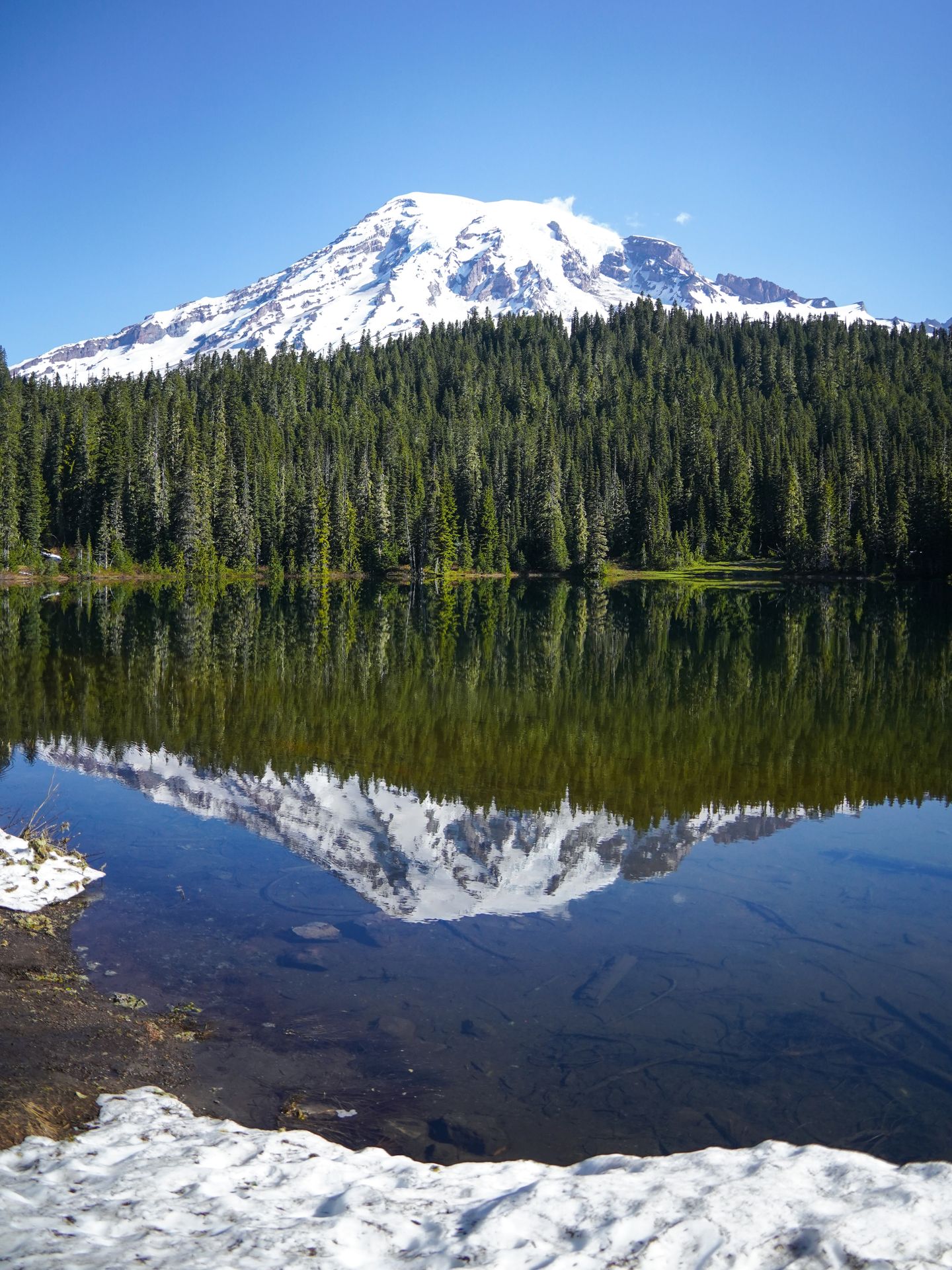
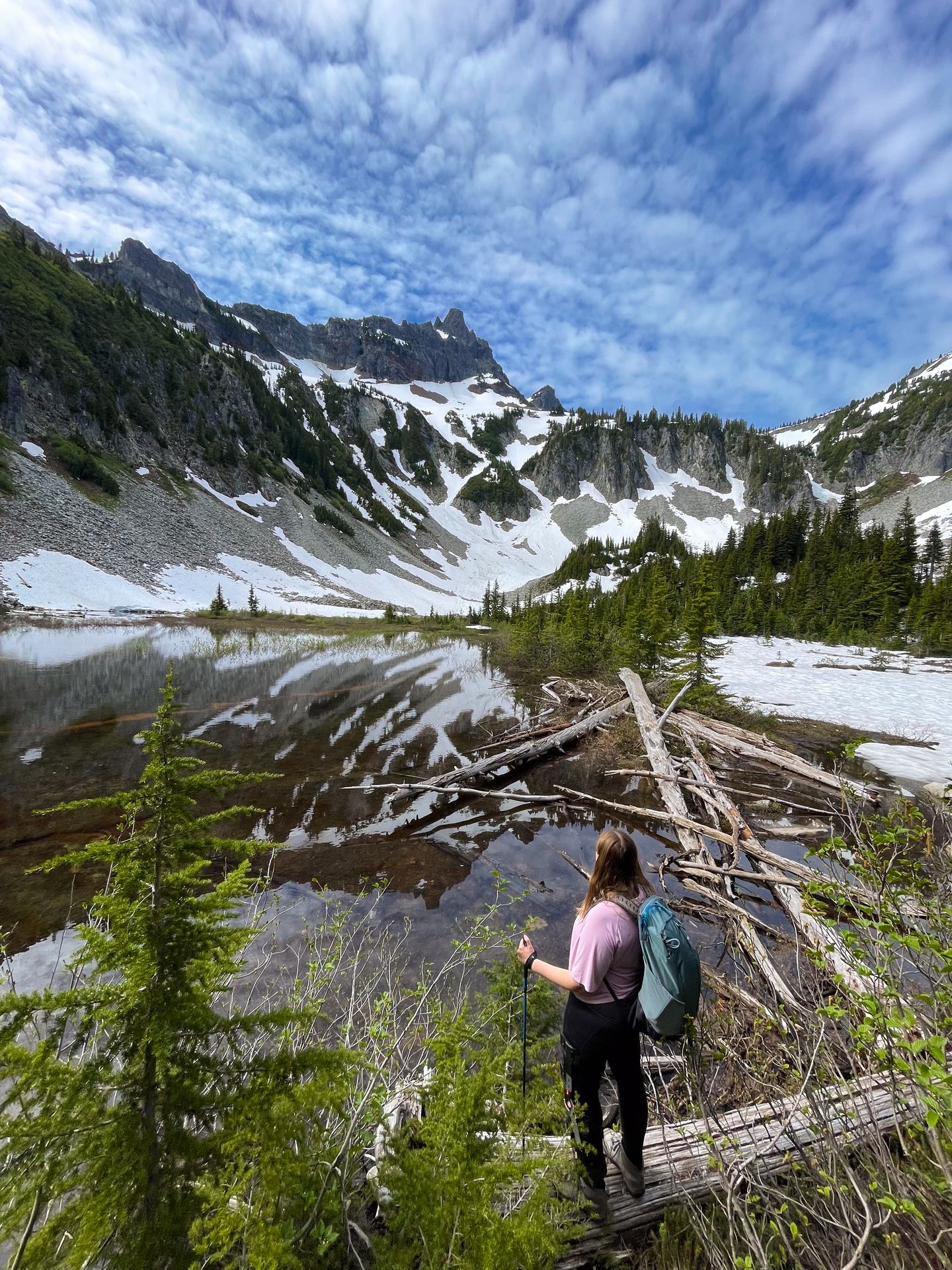
When to Visit: Mount Rainier is another high altitude, mountainous park, which makes summer the best time to visit. I recommend visiting between July and September for the best conditions.
Three Trails I Recommended:
- Easy: Nisqually Vista Trail
- Moderate: Bench and Snow Lakes
- Hard: Skyline Loop
14. Haleakalā National Park, Hawaii
Haleakalā is a unique park on the island of Maui in Hawaii. It's a relatively small park, but full of extremes. There may only be 30 miles of hiking trails, but there is a drastic change in elevation. You can hike near sea level in lush forests, or you can hike inside a volcanic crater at over 10,000 feet. It also takes hours to drive between these two separate areas. If you have time, I highly recommend visiting both parts of the park.
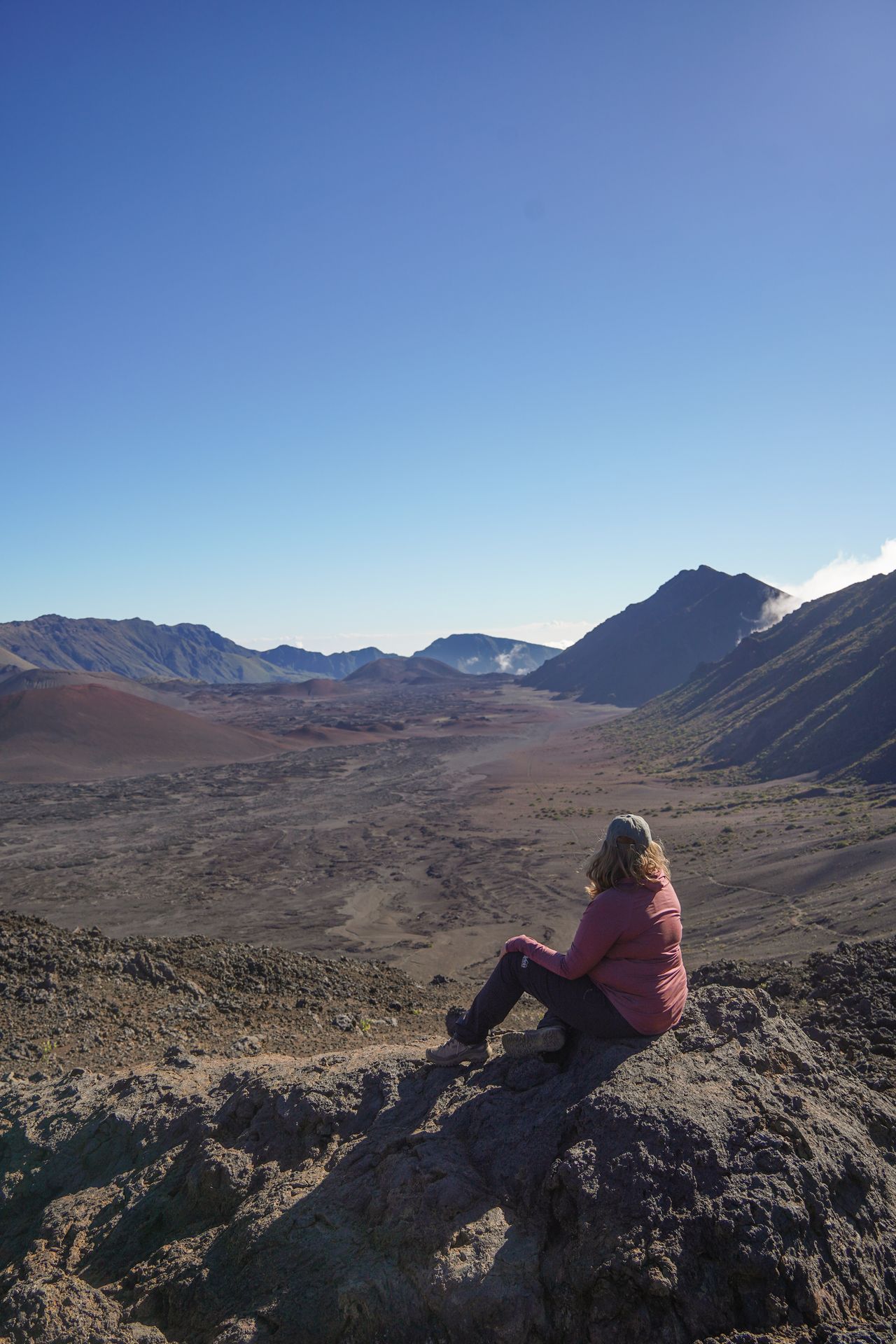

When to Visit: Haleakalā can be nice to visit year round, but spring and fall tend to bring the best weather. Keep in mind that the summit area can be freezing year round, so pack warm clothes if you want to watch the sunrise up there.
Three Trails I Recommended:
- Easy: Seven Sacred Pools Trail ('Ohe'o Gulch)
- Moderate: Waimoku Falls via Pipiwai Trail
- Hard: Sliding Sands
Pro Tip: Watching the sunrise from the summit is a very popular activity, and reservations are required. Make sure to snag your reservation ahead of time.
Read my guide to Haleakalā National Park
15. Great Smoky Mountains National Park, North Carolina and Tennessee
The Great Smoky Mountains are the most visited national park in the country. While it can get crowded, you can find plenty of space to spread out on the park’s 800+ miles of hiking trails. The park has an amazing variety of multi-day treks and moderate day hikes, and opportunities to hike to waterfalls, mountain peaks, and more.
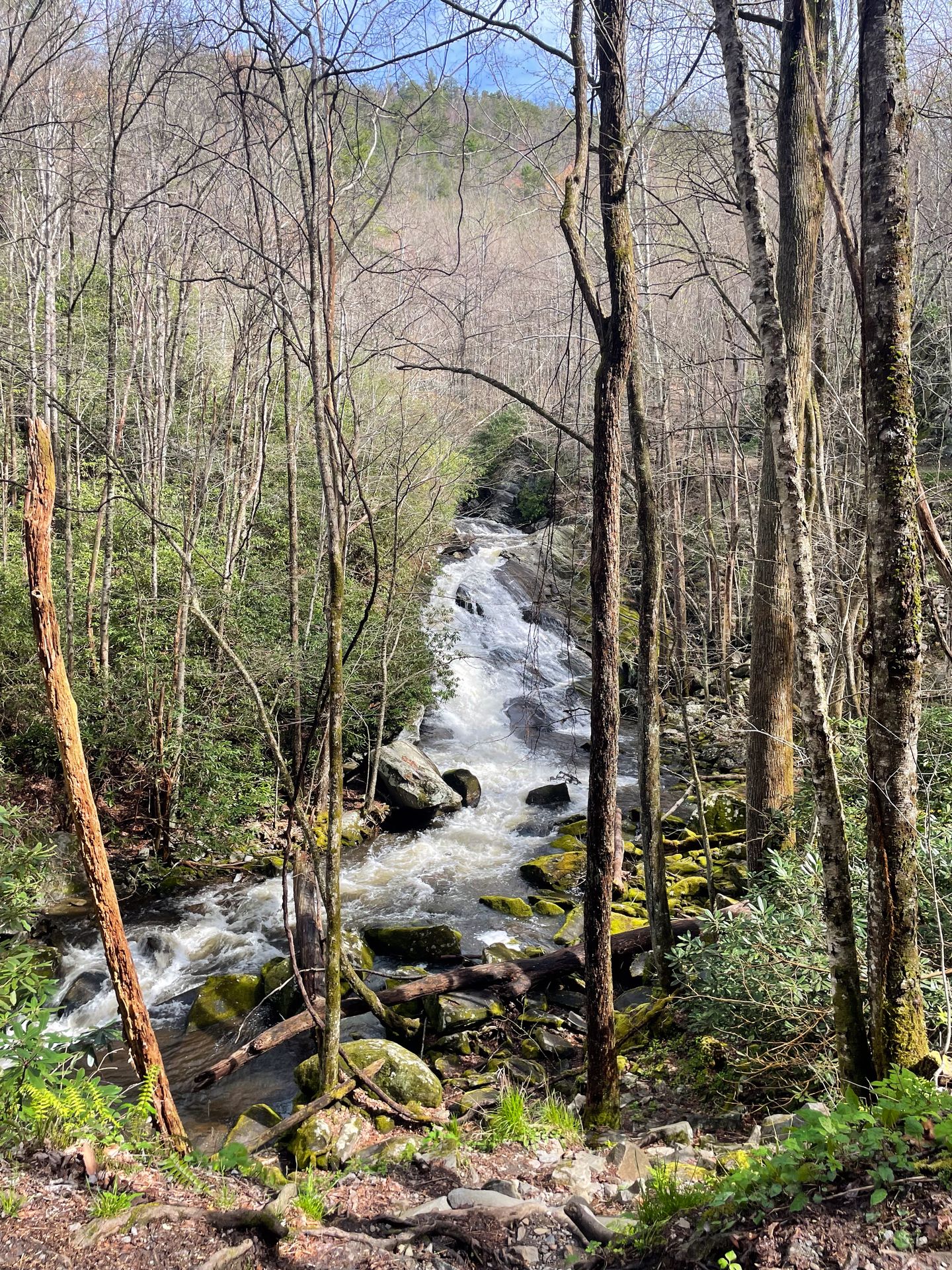
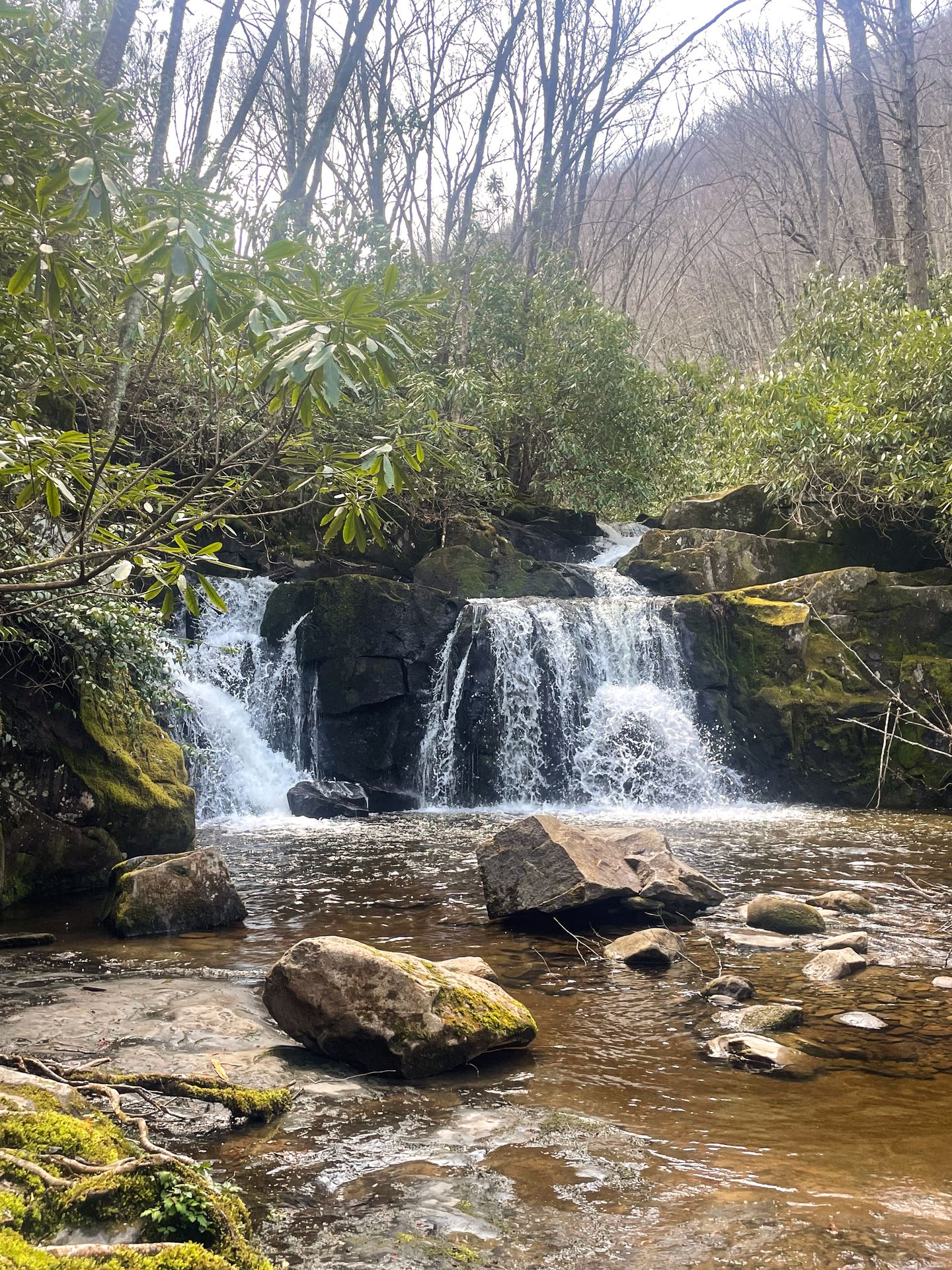
When to Visit: This park can be nice to visit year round, but spring and fall tend to be the best times to visit. Fall brings beautiful foliage (but high crowds), and spring brings wildflowers and gushing waterfalls. Summer is nice too, but gets very busy.
Three Trails I Recommended:
- Easy: Cataract Falls
- Moderate: Kuwohi Observation Tower Trail
- Hard: Alum Cave Trail to Mount LeConte
Pro Tip: While this national park is free, there is a required parking fee that isn’t covered by the America the Beautiful national park pass. Parking costs $5 per vehicle, per day.
16. Olympic National Park, Washington
Olympic National Park is a huge park full of diversity. You’ll find mossy rainforests, rocky coastlines, mountain peaks, lush waterfalls, and more. The park has over 600 miles of hiking trails, so there is something for all levels.
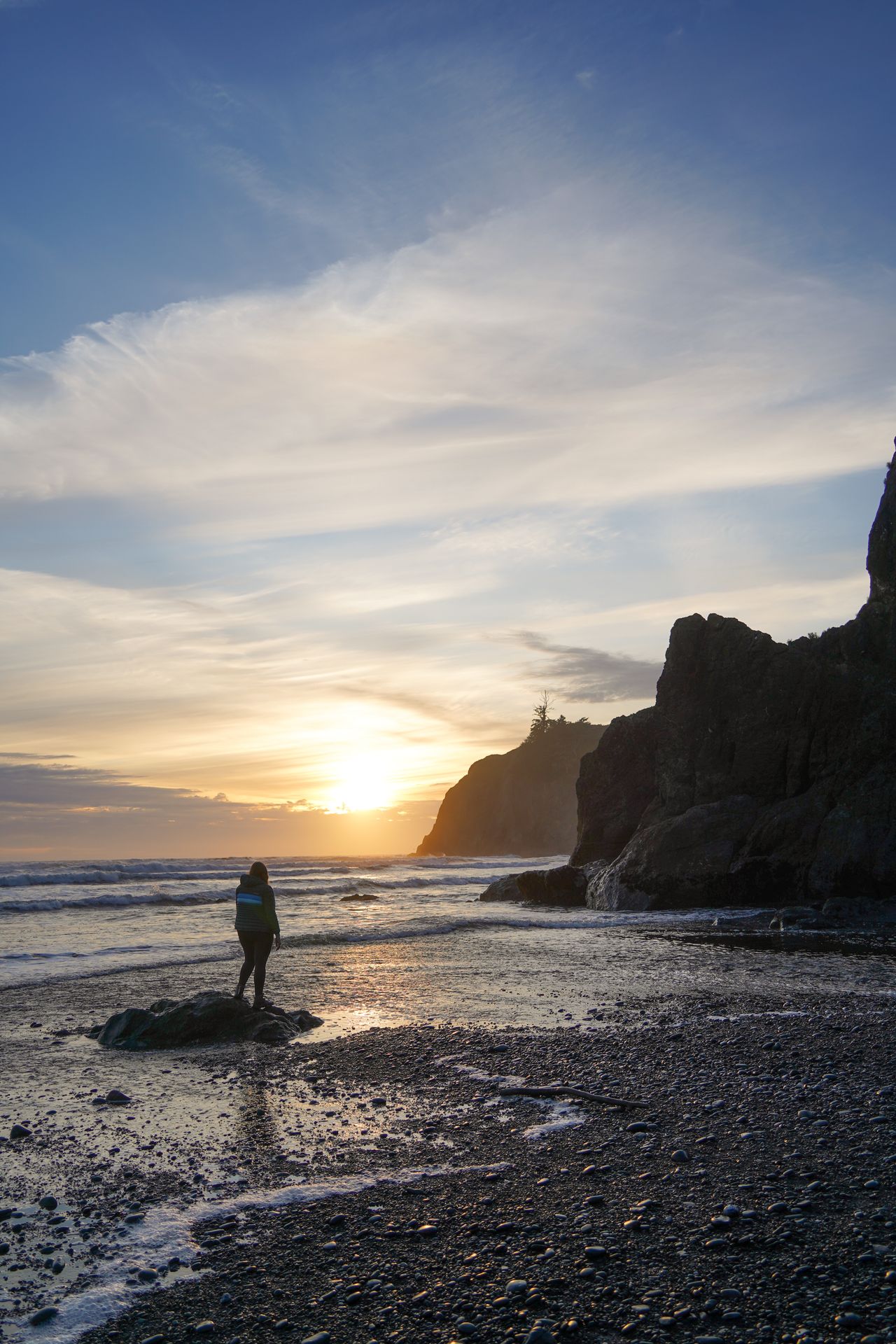
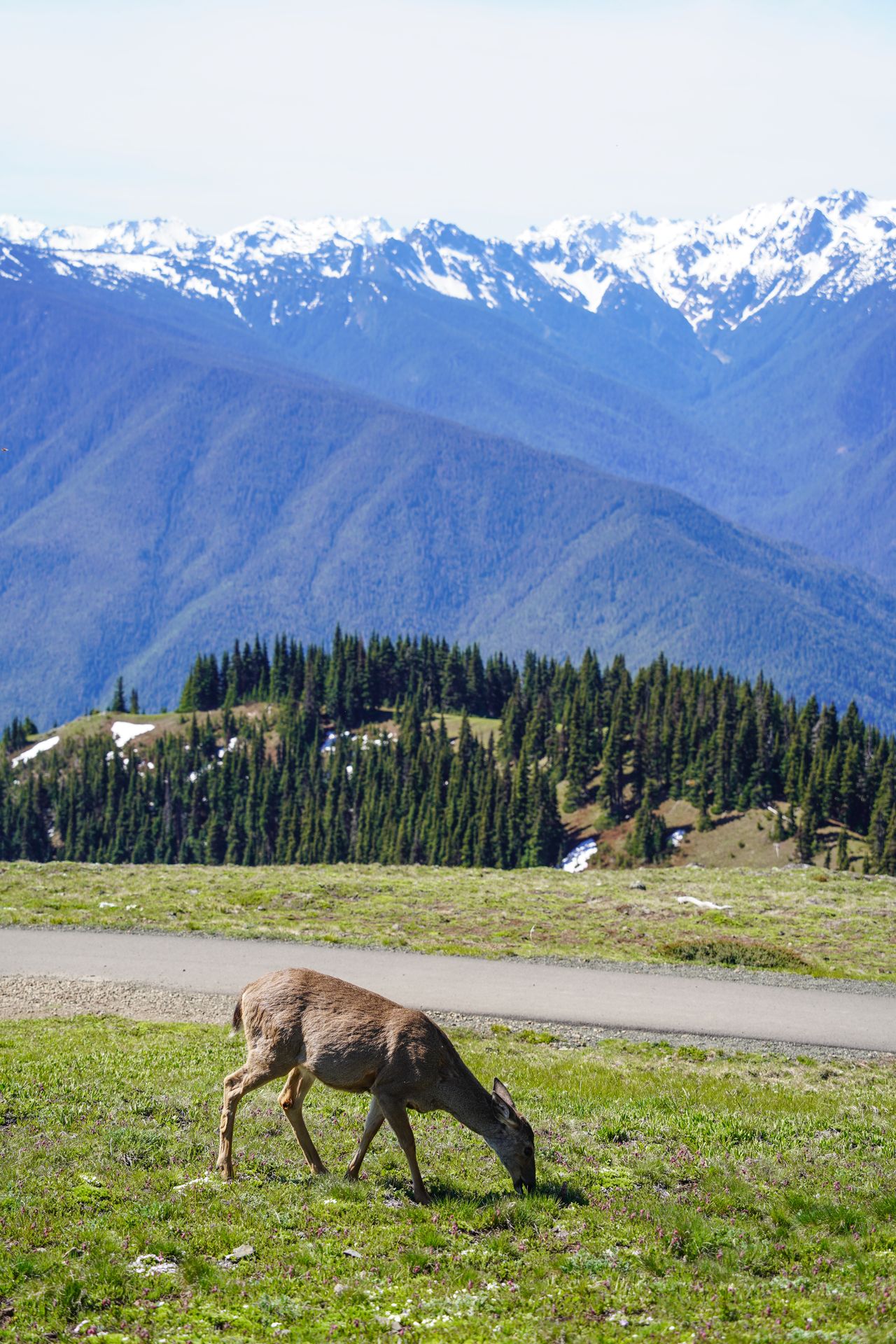
When to Visit: Some of Olympic National Park is located at high elevations, while other parts are near sea level. If you want to visit the high elevation areas of the park, summer is the best time to visit. However, shoulder months like May and October can be nice for seeing other areas of the park with fewer crowds.
Three Trails I Recommended:
- Easy: Marymere Falls
- Moderate: Hurricane Hill
- Hard: Mount Storm King
Read my itinerary for Olympic National Park
17. Yosemite National Park, California
Yosemite is an iconic national park known for its towering granite walls, rock climbing opportunities, waterfalls, and more. With over 800 miles of hiking trails, there is no shortage of beautiful areas to explore in this park.
When to Visit: Some of Yosemite is located in high altitude areas, while other parts are not as high. The best time to visit is often said to be spring and early summer, when the waterfalls are flowing strongly. Summer and early fall are great times for high altitude conditions, but you’ll probably encounter crowds. February is the time to go if you’d like to see the iconic Firefall.
Three Trails I Recommended:
- Easy: Mirror Lake Loop
- Moderate: Sentinel Dome and Taft Point Loop
- Hard: Upper Yosemite Falls Trail
18. Arches National Park, Utah
Arches is a stunning Utah known for its rock formations and arches. It’s a relatively small park, with only around 20 miles of hiking trails, but there is a good variety within them. If you’re so inclined, you could hike all of the maintained trails in the park within a few days.
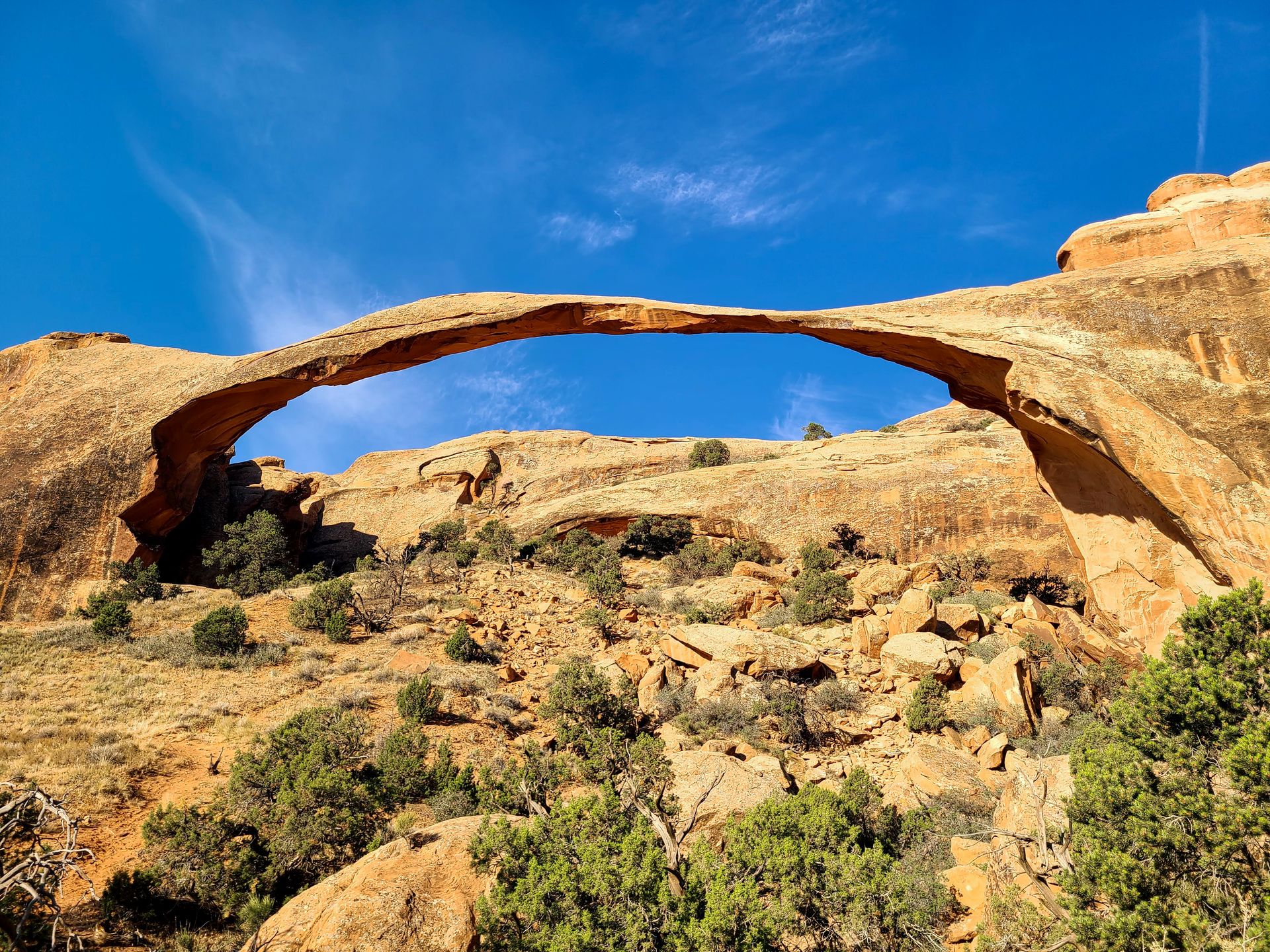
When to Visit: This is another desert park that you should avoid in the summer due to heat. Spring and fall tend to be the best times to visit for mild weather. Winter can bring snow, but it is a quiet and peaceful time.
Three Trails I Recommended:
- Easy: Windows Loop and Turret Arch
- Moderate: Delicate Arch
- Hard: Devil’s Garden
19. Lassen Volcanic National Park, California
Lassen Volcanic is a unique and underrated park full of volcanic elements. You can hike up multiple types of volcanoes, see hydrothermal features, and admire a landscape transformed by lava flows.
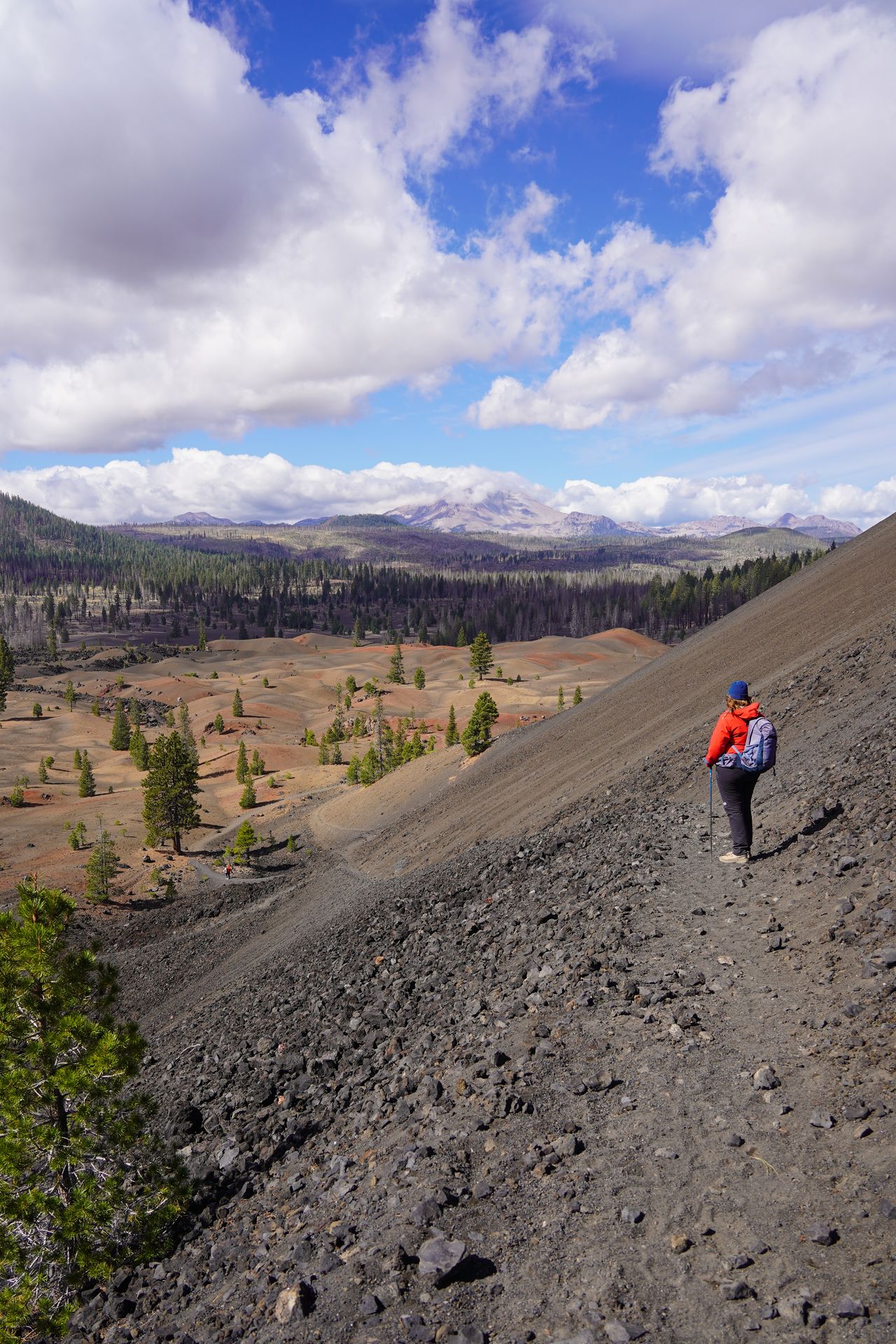
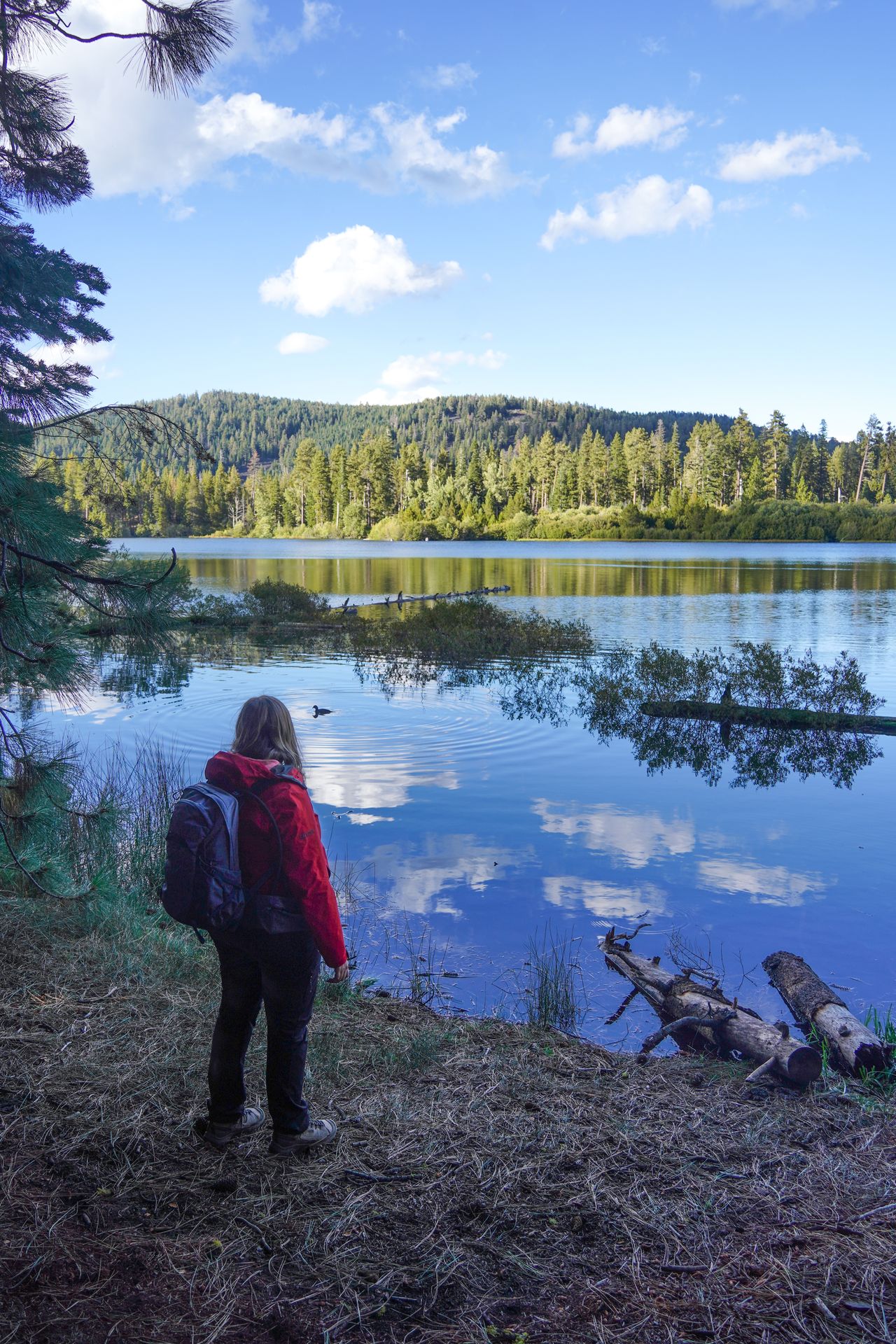
When to Visit: This is a high altitude park, so you should visit between July and September for the best conditions. Road closures are common throughout the winter.
Three Trails I Recommended:
- Easy: Manzanita Lake Loop
- Moderate: Bumpass Hell
- Hard: Cinder Cone
20. Pinnacles National Park, California
Pinnacles is relatively small, but it’s a wonderful park for hiking. You can hike to caves and up over rock formations, and look for massive California Condor birds along the way. It’s a great park for hiking, but doesn’t have a ton to do or see if you don’t want to hike.
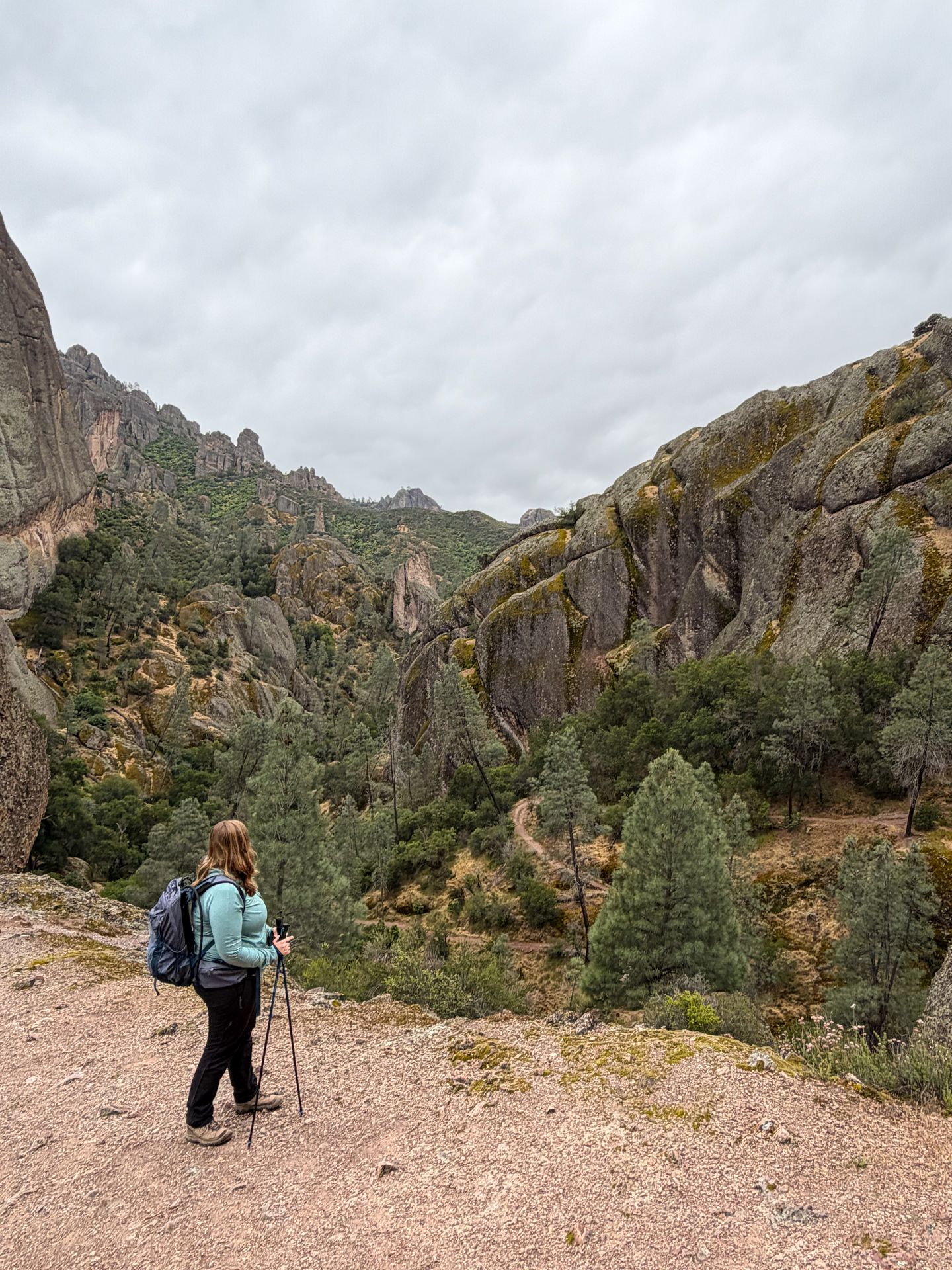
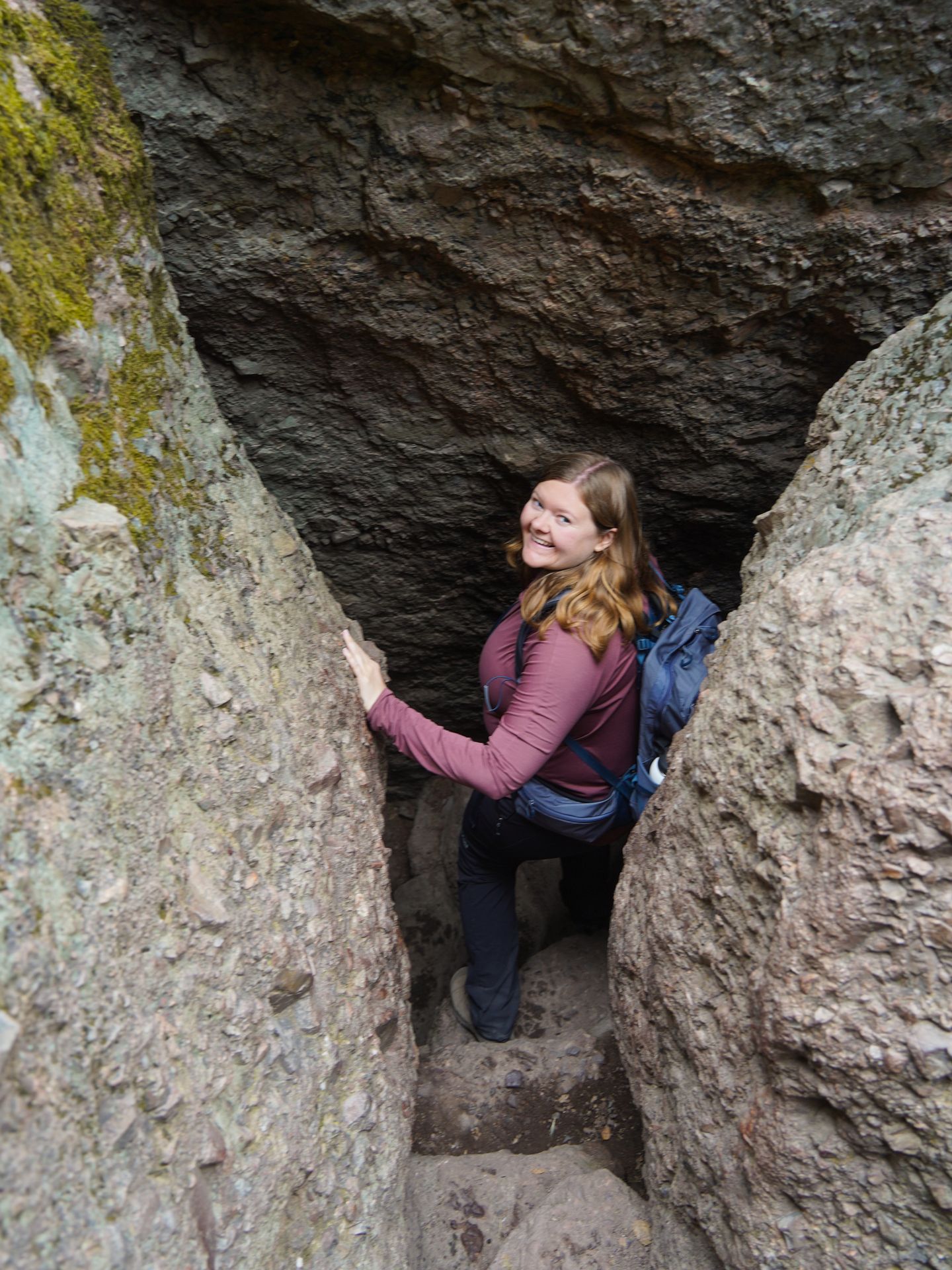
When to Visit: Pinnacles National Park gets hot in the summer, so you should avoid visiting during the warmer months. The various caves inside the park often close to protect roosting bats, and March or October are the best times for a chance of all of the caves being open.
Three Trails I Recommended:
- Easy: Bear Gulch Day Use Area
- Moderate: Balconies Cave Trail
- Hard: High Peaks to Condor Gulch Trail
Honorable Mentions
- Isle Royale, MI
- Death Valley, CA
- Joshua Tree, CA
- Saguaro, AZ
- Great Basin, NC
- Channel Islands, CA
- US Virgin Islands
Final Thoughts
For more national park hiking guides, check out these blog posts:
- The Best Hikes in National Parks
- The Best Hikes in Acadia National Park
- The Best Hikes in Bryce Canyon National Park
- The Best Hikes in Indiana Dunes
- An Epic Itinerary for Glacier National Park
- How to Spend 2 Days in Zion National Park
- How to Spend 2 Days in Rocky Mountain National Park
- The Best Things To Do in North Cascades National Park
- How to Spend 3 Days in Sequoia and Kings Canyon National Parks
Thanks for Reading!


Let's stay in touch!
Join the Lost with Lydia email list to get monthly travel guides and tips!